Blog
2026 How to Choose the Best Aluminum Door?
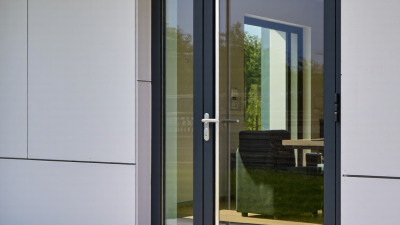
Choosing the best Aluminum Door in 2026 means weighing more than frame color or price. A slim black frame can sharpen a room, but poor sealing may invite drafts and outside noise. The right choice depends on climate, opening size, exposure, security needs, and installation quality. Small details matter.
The U.S. Department of Energy reports that windows can account for 25–30% of residential heating and cooling energy use. That figure applies to windows, not doors, so it should not be treated as a door-performance estimate. Still, it shows why glazing, seals, and thermal breaks deserve close attention. The National Fenestration Rating Council (NFRC) provides certified product ratings, including U-factor and solar heat gain coefficient, which help buyers compare performance rather than rely on vague claims.
For an aluminum door, check whether the frame includes a thermal break, then compare the complete unit’s ratings and warranty. Look closely at corner joints, weatherstripping, hardware, and the threshold. A heavy panel may feel reassuring, yet poor installation can leave gaps where rain and air find their way in. That part is easy to overlook.
There is no single best model for every home. A sunny patio entrance may need different glazing from a shaded side door. I would not choose by brochure photos alone; they rarely show how a door performs after years of daily use. Some trade-offs remain. A careful comparison can make them clearer.
Read more »
 By:Charlotte
- September 28, 2026
By:Charlotte
- September 28, 2026
How to Choose Aluminum Windows for Global Projects in 2026
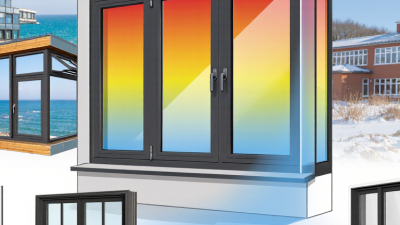
Choosing an Aluminum Window for a global project is not a catalog exercise. It is a decision about climate, building use, installation quality, and long-term maintenance. A coastal hotel in Singapore faces different demands from a school in a cold, windy region. Even within one project, orientation can change the amount of heat and glare each façade receives. Details matter.
Architect Louis Kahn is often credited with saying, “The sun never knew how great it was until it hit the side of a building.” His remark speaks to a practical design challenge: glazing and frames shape how daylight enters, while also affecting comfort and energy use. The right specification starts with measurable project needs, not a fashionable frame color or a single headline performance figure.
This guide explores how to compare thermal performance, air and water resistance, wind-load capacity, glass options, finishes, hardware, and installation requirements. It also considers regional standards and documentation, which project teams should verify for each destination rather than assume are interchangeable. Ask suppliers for test reports, clear product data, and details for the proposed configuration. Check how the frame connects to the wall, too. A strong window can still disappoint when that junction is poorly designed.
There is no perfect specification. Trade-offs remain, and site conditions can expose assumptions that looked tidy on paper. The aim is a defensible choice—one matched to the building, the climate, and the people who will use it.
Read more »
By:Charlotte
- September 28, 2026
2026 Top Aluminium Washroom Door Types and Prices
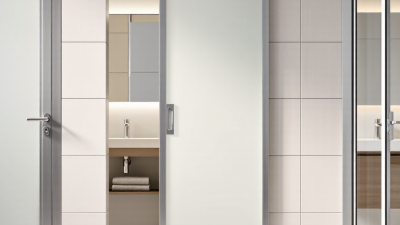
Choosing an Aluminium Washroom Door in 2026 involves more than comparing the lowest listed price. Moisture resistance, privacy, ventilation, and daily use all affect whether a door suits a particular washroom. A compact ensuite may need a space-saving sliding design, while a busy office washroom may benefit from a durable hinged door and sturdy fittings. Small details matter.
This guide introduces popular aluminium washroom door types, including hinged, sliding, folding, and louvered options. It explains how frame thickness, panel material, finish, lockset, and installation can influence the overall cost. Prices are best treated as estimates, not fixed promises. They vary by country, supplier, dimensions, customization, and labor, so compare like-for-like specifications before choosing. A low quote may exclude hardware or installation; ask what it covers.
For a fair comparison, measure the opening carefully and consider who will use the space. Check whether the finish is easy to clean, whether the lock is suitable for the setting, and whether the door allows enough airflow. An aluminium frame can handle humid conditions well, but quality still depends on construction and maintenance. That point is easy to overlook. The sections ahead offer practical selection guidance and price factors, while recognizing that local quotations and product details should be verified before purchase.
Read more »
 By:Ethan
- September 28, 2026
By:Ethan
- September 28, 2026