Featured Architectural Fenestration Systems
Premium export-ready aluminum windows, hinged patio doors, bi-folds, and heavy-duty structural entrance solutions manufactured to stringent international quality specifications.
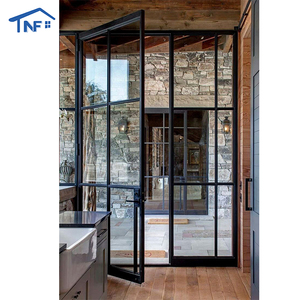
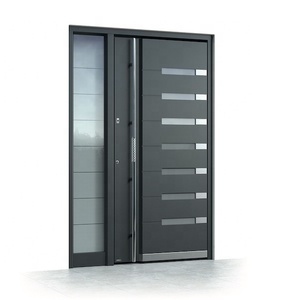
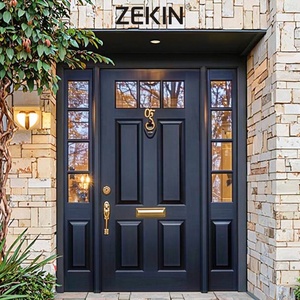
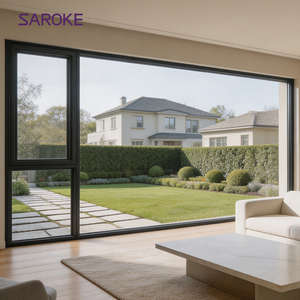
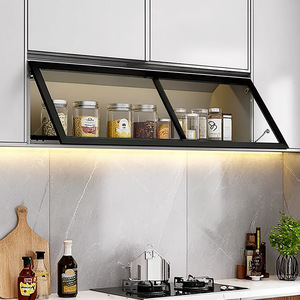
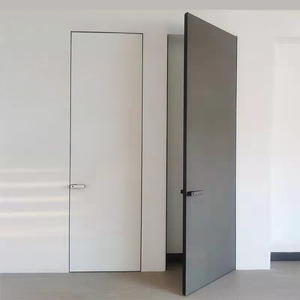
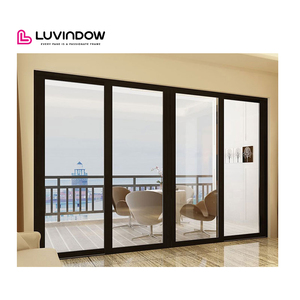
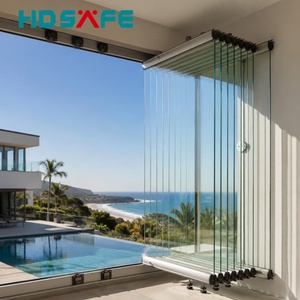
The Architectural Evolution of Corner Windows in Ghana’s Modern Real Estate
Ghana’s rapid urban transformation—specifically within high-density residential hubs such as East Legon, Cantonments, Airport Residential Area, and Ridge in Accra, as well as prime developments in Kumasi and Takoradi—has accelerated demand for sophisticated fenestration solutions. Contemporary West African architecture prioritizes maximized natural daylighting, unobstructed panoramic vistas, and sleek modern aesthetics. Corner window systems, particularly 90-degree postless structural glass configurations, have transitioned from luxury design experiments to core requirements for high-end residential villas, commercial office buildings, and boutique hospitality developments.
However, the West African tropical microclimate presents extreme engineering challenges. Fenestration systems must withstand relentless ultraviolet radiation, severe equatorial solar heat gain, torrential monsoon rainfall, extreme humidity fluctuations, intense seasonal Harmattan dust storms laden with silica, and harsh coastal salt-air corrosion along the Gulf of Guinea. Procuring off-the-shelf, non-engineered window systems often results in frame warping, thermal seal degradation, air filtration failures, and premature hardware oxidation.
Ghana Climate Engineering Checklist
Low-E coated double glazing blocks solar infrared heat while maintaining high visible light transmittance (VLT).
Cascading sill drainage profiles and EPDM gaskets prevent water ingress under 600 Pa tropical storm pressure.
Fluorocarbon coatings exceeding 30 microns ensure zero chalking or corrosion in coastal Accra and Takoradi coastal zones.
Engineering Specifications: 90° Structural Corner Windows
A rigorous structural breakdown comparing traditional post-reinforced corner joints with modern postless silicone-butt corner window assemblies for West African architectural projects.
Architectural Extrusion Alloys
Utilizing high-tensile 6063-T5 and T6 structural aluminum profiles with wall thicknesses ranging from 1.8mm to 3.0mm. Profiles undergo precision CNC milling to ensure exact corner mitering and zero deflection under maximum load.
Thermal Break Separation
Engineered with PA66-GF25 polyamide thermal insulating strips. This mechanical break disconnects the exterior aluminum extrusion from the interior frame, reducing heat transfer coefficients (U-Value) down to 1.6 W/m²K in tropical heat.
Postless Structural Glazing
Seamless 90-degree outer corner glass joints joined via black structural weather-sealant (Dow Corning 995). Eliminates bulky vertical metal mullions to offer uninterrupted 270-degree landscape viewing angles.
Technical Matrix: Corner Window Engineering Performance
| Engineering Specification | Standard Local Aluminum Windows | Veltor Thermal Break Corner System | West Africa Impact Benefit |
|---|---|---|---|
| Aluminum Alloy Grade | Recycled / Standard 6063-T5 (1.2mm - 1.4mm) | Virgin Architectural 6063-T5/T6 (1.8mm - 3.0mm) | High wind-load resistance (up to 3000 Pa) along Atlantic coastlines. |
| Surface Treatment | Standard Powder Coating (15-20 µm) | AkzoNobel PVDF Coating / Anodized (>30 µm) | Zero peeling, fading, or salt-spray corrosion for 25+ years. |
| Glazing Build-up | Single 5mm / 6mm Clear Float Glass | 6mm Low-E + 12Ar + 6mm Toughened Double Glazed | Blocks up to 78% of radiant solar heat; acoustic insulation up to 38dB. |
| Corner Joint System | Screwed Joint with Gaps / Draft leaks | German Corner Crimping + 2-Component Glue | 100% airtight and dust-proof sealing during intense Harmattan seasons. |
| Hardware Specification | Generic Zinc Alloy Fasteners | German Siegenia / HOPPE / CMECH Stainless Steel | Smooth hardware motion resistant to high ambient humidity and oxidation. |
Tailored Fenestration Scenarios Across Ghanaian Developments
How specialized aluminium corner windows and architectural glass systems integrate into distinctive Ghanaian construction typologies.
1. Luxury Residential Villas (East Legon & Cantonments)
Multi-story residential villas in Accra demand grand corner fenestration. By incorporating outswing rounded-corner casements and continuous postless glass corners in master suites, home owners achieve unmatched architectural elegance, maximized natural ventilation, and superior energy efficiency that minimizes air conditioning electricity loads.
2. Coastal Estates & Beachfront Resorts (Tema, Takoradi & Prampram)
Projects located near the ocean face severe saline winds. Our customized heavy-duty bi-fold systems and corner windows utilize 316-grade stainless steel hardware, triple-sealed EPDM weather-stripping, and specialized marine PVDF coatings to guarantee long-term operational smooth performance without structural pitting or mechanical failure.
3. Commercial Towers & Executive Hubs (Kumasi & Accra CBD)
Commercial office facades require acoustic isolation from ambient city noise alongside solar heat management. Engineered double-glazed corner lift-and-slide glass walls enable commercial spaces to maintain modern indoor aesthetic comfort, lowered operational HVAC overheads, and high structural safety compliance under heavy occupancy usage.
Key Market Dynamics & Architectural Preferences in Ghana
The Ghanaian architectural landscape is undergoing a decisive shift from heavy concrete masonry overhangs toward lightweight, transparent, high-performance building envelopes. Developers and property buyers increasingly demand:
- Biophilic Interior Integration: Connecting indoor living zones with exterior tropical greenery through continuous floor-to-ceiling corner glass.
- Harmattan Dust Resistance: Upgraded continuous double-gasket perimeter seals that eliminate microscopic dust infiltration during dry seasonal trade winds.
- Smart Glass Integration: Growing demand for electrochromic tinted glass and integrated motorized interior blinds protected inside double-glazed units.
- Enhanced Security Profiling: Integration of multi-point locking gear, internal security mesh, and laminated anti-burglary safety glass without sacrificing sleek frame lines.
Foshan Manufacturing Precision Delivered to Tema Port
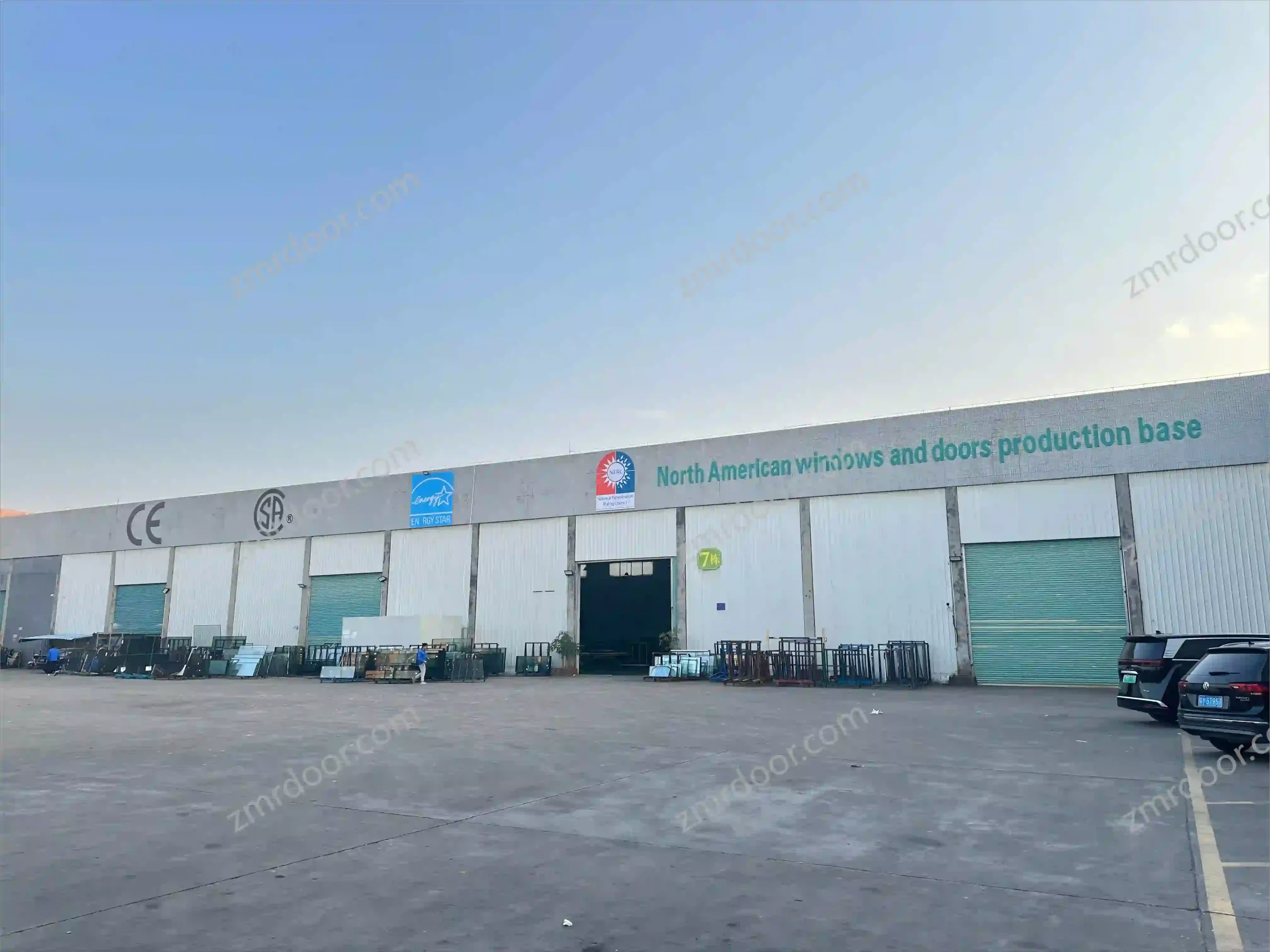
As a premier aluminum window manufacturer based in Foshan, China—the world’s recognized epicenter for architectural extrusion technology—we bridge the gap between world-class engineering and local project execution in Ghana.
Every corner window unit undergoes strict factory pre-assembly, 3D laser dimensional check, and hydro-static rain testing prior to export packing in reinforced wooden crates labeled by opening schedule numbers.
Manufacturer Direct Edge for Importers & Contractors
Why Ghanaian estate developers, main contractors, fenestration importers, and structural engineers trust our Foshan manufacturing facility for their flagship projects.
Custom Shop Drawings & BIM Support
Our dedicated engineering department converts CAD drawings into structural shop drawings, wind load calculations, and section elevation blueprints to ensure exact fitment prior to extrusion cutting.
Strict Quality Control Protocol
From alloy billet purity testing to film thickness calibration and 100% pre-shipment corner fitting checks, we provide real-time video inspection reports before container sealing.
Optimized Freight & Customs Logistics
Deep familiarity with shipping routes from Nansha/Shekou to Tema Port, Ghana. Products are packed with protective anti-scratch films, foam corner blocks, and IPPC-certified seaworthy wooden crates.
Frequently Asked Questions by Ghanaian Buyers & Engineers
Addressing structural, shipping, custom tax, weather proofing, and localized procurement concerns when ordering aluminium corner windows from China to Ghana.
How do postless 90-degree corner windows maintain structural stability against strong wind loads in Ghana?
Postless 90-degree corner windows rely on thick-walled structural aluminum frames (minimum 1.8mm to 2.5mm wall thickness) anchored to concrete beams, combined with heavy-duty structural silicone glazing joints (such as Dow Corning 995). The two glass panes butt together precisely with an outer weather seal, allowing the glass itself to transfer shear stress evenly without needing a solid center metal post, certified to withstand coastal gale-force wind pressures up to 3000 Pa.
Why is thermal break aluminum essential for air-conditioned properties in Accra?
Standard aluminum is a highly conductive metal that transfers outside tropical heat directly into air-conditioned interior rooms. Thermal break systems insert a low-conductive polyamide strip (PA66-GF25) between the exterior and interior aluminum profiles. This barrier dramatically lowers heat conduction, keeping glass frames cool inside, preventing window condensation, and reducing air-conditioning power consumption in Accra by 25% to 35%.
What surface coating is recommended to prevent coastal corrosion in Tema and Takoradi?
For projects situated within 10km of the ocean (such as Tema, Takoradi, Prampram, or South La in Accra), we strictly recommend PVDF (Fluorocarbon) coating or high-micron Anodized finishes exceeding 30 microns. PVDF offers superior resistance against saline air corrosion, UV chalking, and acid rain compared to basic powder coatings, maintaining pristine color fidelity for over 25 years.
How are large architectural corner windows safely packed to avoid breakage during sea transport to Tema Port?
Windows are disassembled or packaged in reinforced modular frames. Glass units are packed separately or mounted with heavy-duty setting blocks, wrapped in multi-layer protective PE film, edged with rubber corner protectors, and fully enclosed inside fumigated plywood crates reinforced with steel strapping. Each crate features forklift pockets and opening schedule labels for safe unloading at site.
Can you produce custom window sizes based on structural site measurements in Ghana?
Yes. 100% of our production is custom-engineered to order. Buyers provide rough opening dimensions or architectural elevations. Our technical office generates precise CAD shop drawings detailing structural profiles, glass thickness, hardware orientation, and sub-sill details for your architect or contractor's written approval prior to factory cutting.
What is the typical lead time from drawing confirmation to arrival at Tema Port?
Standard manufacturing lead time is approximately 25 to 35 days after shop drawing sign-off and deposit receipt. Direct sea freight ocean transit from Guangzhou/Foshan ports to Tema Port, Ghana typically takes 30 to 40 days. We recommend clients schedule orders roughly 75 days ahead of installation dates.
Ready to Elevate Your Ghanaian Project with Premium Fenestration?
Send us your architectural plans, window schedules, or site opening dimensions. Our experienced structural fenestration engineers will provide technical CAD advice, thermal energy analysis, and factory-direct export quotations tailored for your Ghana development.