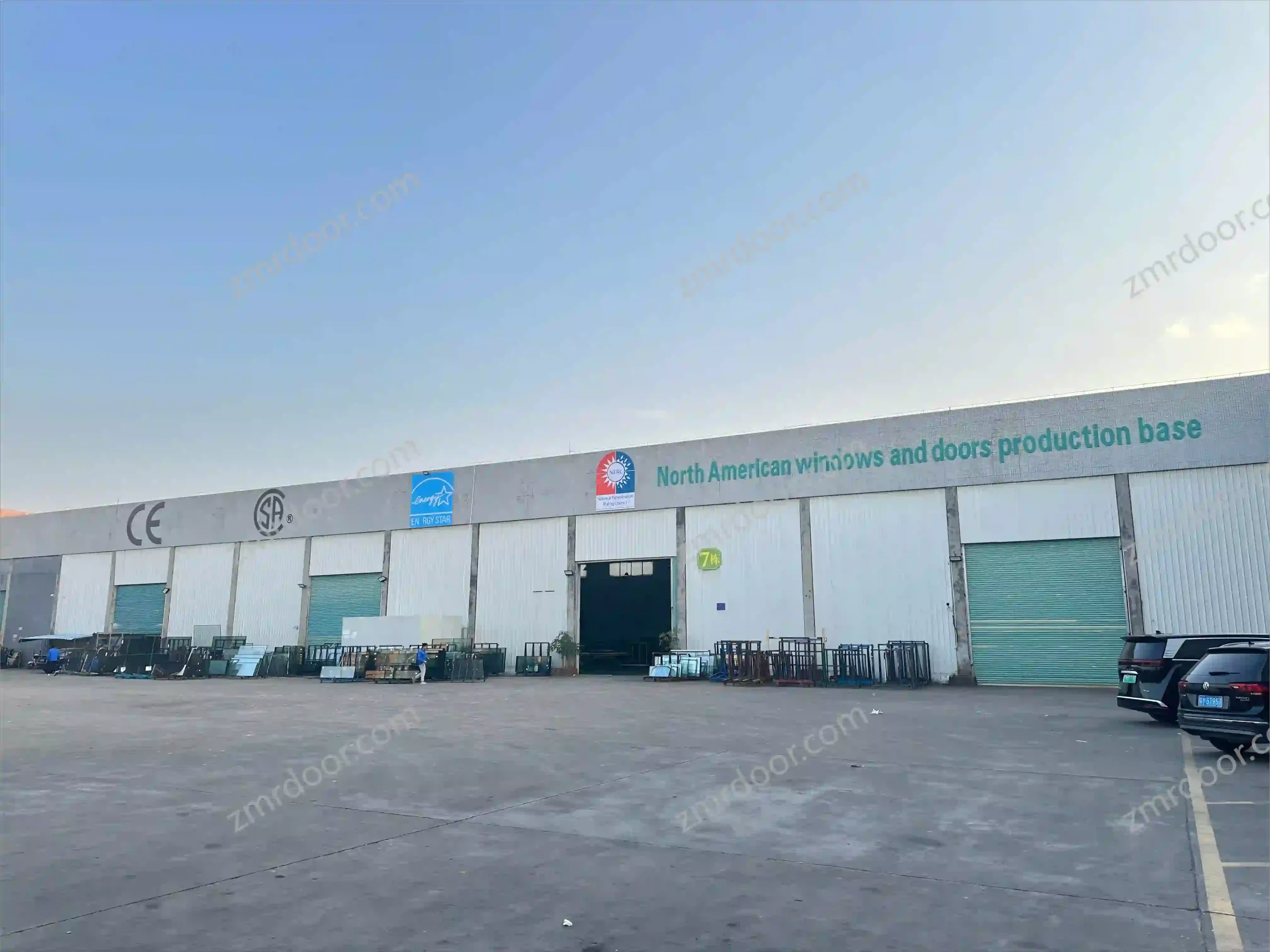
Featured Architectural Storefront & Door Systems
Engineered for high-traffic commercial environments, modern residential facades, and strict international building compliance.
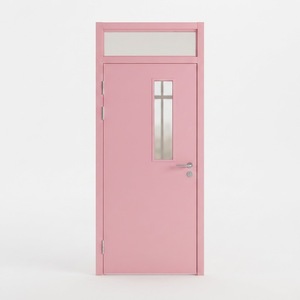
Fire Rated Aluminium Alloy Fireproof Interior Door With Contemporary Design For Residential Hospital Villa Use
Get a Quote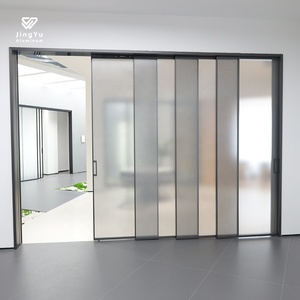
Custom Size Modern Frosted Glass Sliding Doors with Aluminum Alloy Frame Narrow Slim Design Waterproof Netting
Get a Quote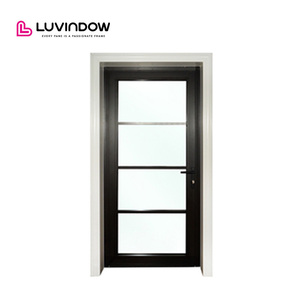
European Design White Black Aluminum Frameless Interior Door Aluminium Glass Door Hinges Black Interior Doors
Get a Quote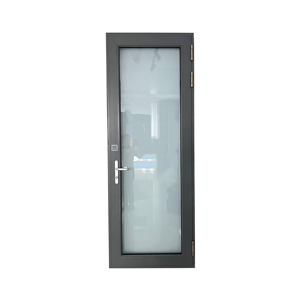
Large Glass Double Leaf Inward Opening Casement Aluminium Swing Interior Partition Doors & Entrances
Get a Quote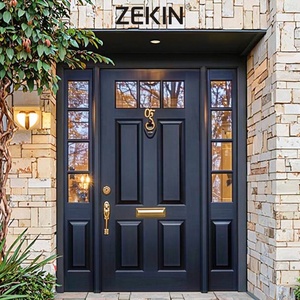
Customized America Standards Fire Prevention Aluminum Alloy Security Door Front Pivot Entry Doors
Get a Quote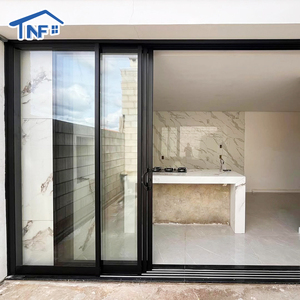
Custom Large Opening Panoramic Hurricane Impact Multi-Panel Aluminum Stacker Double Glazed Sliding Glass Doors
Get a Quote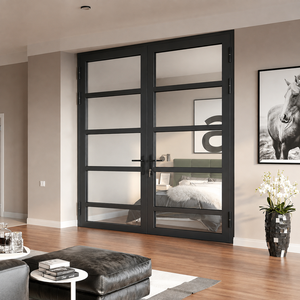
Custom Glass Double Swing Door House And Villa Aluminum Frame Tempered Glass Architectural Casement Door
Get a Quote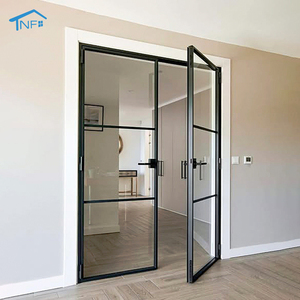
French Design Commercial Swing Soundproof Waterproof Aluminum Double Tempered Glass Casement French Door
Get a QuoteArchitectural Procurement Executive Summary: Sourcing Top Trusted Aluminium Storefront Doors Manufacturers
In modern architectural design and commercial construction, the building entrance serves as both a primary aesthetic statement and the first line of defense against thermal inefficiency, structural wind-load pressure, and security breaches. Selecting qualified aluminium storefront doors manufacturers requires evaluating raw material metallurgy, extrusion precision, thermal break integration, structural glass bonding, and compliance with rigorous global building standards (such as ASTM, AAMA, NFRC, and EN 14351).
As commercial building codes transition toward zero-energy standards and extreme weather resilience, procurement officers, real estate developers, and facade engineers can no longer rely on standardized, off-the-shelf framing. Sourcing direct from advanced manufacturing hubs—specifically Foshan, Guangdong—allows international buyers to leverage mature supply chains, custom CNC extrusion milling, and specialized glass configurations while maintaining cost efficiency and strict quality control.
Engineering Standards & Metallurgy in Storefront Door Fabrication
The structural integrity of a commercial aluminium storefront depends fundamentally on extrusion alloy composition and temper treatment. Top-tier manufacturers utilize 6063-T5 or 6063-T6 primary aluminum billets. The T6 temper treatment provides a tensile strength exceeding 205 MPa (30,000 psi), ensuring that oversized entrance doors withstand intense cycling stress, heavy pedestrian volume, and hurricane-force wind loads without deflection.
Comparative Technical Analysis: Profile Alloys & Thermal Systems
| Specification Parameter | Standard Commercial Grade | Architectural High-Performance Grade | VELTOR Engineering Standard |
|---|---|---|---|
| Aluminium Alloy & Temper | 6063-T5 / Recycled Scrap Billet | 6063-T6 / Primary Ingot Billet | 6063-T6 High-Purity Primary Billet |
| Profile Wall Thickness | 1.4mm - 1.8mm | 2.0mm - 3.0mm Heavy Duty | 2.0mm - 3.0mm (Reinforced Hinge Nodes) |
| Thermal Insulation Strip | PVC / Low-Grade Nylon | PA66-GF25 (Polyamide 66 + 25% Glass Fiber) | Imported Technoform PA66-GF25 Polyamide |
| Surface Finish Standard | Standard Anodized (10-15 microns) | AAMA 2604 Powder Coating | AAMA 2605 PVDF Fluoropolymer Coating |
| Weather Gaskets & Seals | Standard Rubber (Degrades in UV) | Continuous EPDM Gaskets | Multi-Channel Co-extruded EPDM + Silicone |
| Glazing Compatibility | Single Monolithic 6mm - 8mm Glass | Double Glazed 24mm IGU | Up to 39mm Triple IGU / Laminated Safety |
Furthermore, hardware integration must not be overlooked. Heavy-duty pivot hinges, continuous geared hinges, and multi-point mortise locksets must be engineered directly into the internal aluminum webbing. Profile wall thickness at mechanical attachment points should be no less than 2.5mm to eliminate thread stripping under continuous commercial operation.
Manufacturing Ecosystem & Enterprise Advantages
Partnering with a specialized factory direct manufacturer such as VELTOR Window & Door Co., Ltd. (located in the heart of Shishan Town, Nanhai District, Foshan) bridges the gap between complex architectural concepts and physical reality. The combination of localized profile extrusion, precise CNC machining, and rigorous pre-shipment quality checks ensures international projects progress smoothly without jobsite rework.
Precision CNC Machining
Automated 5-axis double-head cutting saws and CNC milling machines deliver precision down to ±0.1mm on mitres, lock mortises, and water drainage slots.
100% Mock-Up Assembly
Every custom storefront frame and entrance door undergoes complete pre-shipment trial fitting, hardware calibration, and seal check prior to packaging.
Reinforced Export Crating
Heavy-duty ISPM-15 compliant fumigated wooden crates with protective film corner guards ensure absolute zero-damage ocean transport and simple site unloading.
Future Procurement Trends in Architectural Storefront Doors (2025–2030)
As commercial building developers aim for ESG (Environmental, Social, and Governance) compliance and superior tenant experience, global procurement trends for aluminium storefront systems are rapidly shifting toward four core technological innovations:
1. Ultra-Narrow Sightlines with High Load-Bearing Capacity
Architects increasingly demand "invisible boundaries" between interior space and exterior urban environments. Traditional heavy commercial frames with 100mm+ face widths are being replaced by micro-slim frames (18mm to 38mm sightlines). Achieving structural wind-load compliance with slim profiles requires manufacturers to embed internal steel stiffeners or utilize ultra-high-density 6063-T6 alloys engineered for high inertia (I-values).
2. Smart Glazing & Electrochromic Integration
Storefront doors are evolving from static barriers into active daylighting managers. Sourcing contracts now routinely specify electrochromic dynamic glass (smart tinting via mobile app or building automation system) and integrated access management—including concealed motorized operators, biometric readers, and magnetic locking hardware embedded within the aluminum profile frame.
3. Circular Manufacturing & Low-Carbon Aluminium
Leading global buyers now track the embodied carbon footprint of architectural products (EPD certification). Sourcing from top trusted manufacturers that utilize hydro-powered aluminum smelting processes or high recycled-content alloys significantly lowers Scope 3 emissions for major development projects.
4. Hurricane Impact & Forced-Entry Resistance Integration
With extreme weather events increasing globally, coastal and urban commercial projects require storefront systems certified against missile impact (such as ASTM E1886/E1996 or Florida Building Code TAS 201/202/203 standards). Modern manufacturing integrates multi-layer SentryGlas® (SGP) laminated glass with structural silicone structural glazing (SSG) to prevent pane displacement under massive wind cycling.
Procurement Decision Matrix: Avoiding Common Import Risks
Importing custom architectural aluminum windows and doors from overseas factories involves navigating technical communication, shop drawing validation, and shipping logistics. To ensure seamless delivery, commercial procurement teams should follow this verification checklist before issuing production deposits:
The Commercial Buyer's 5-Point Quality Gate:
- CAD Shop Drawing Approval: Verify frame dimensions, opening directions, glass thickness, and threshold drainage details on factory shop drawings prior to extrusion cutting.
- Thermal Break Material Audit: Confirm that insulating strips are specified as PA66-GF25 rather than inferior PVC materials susceptible to thermal shrinkage and structural failure.
- Coating Certification: Request mill test certificates verifying powder coating (AAMA 2604/2605) or anodizing thickness (Minimum 15 to 25 microns for marine environments).
- Glass Safety Compliance: Ensure all glass panes bear SGCC, CE, or AS/NZS safety markings and utilize warm-edge spacers for condensation resistance.
- Crate Identification Scheme: Require export crates to be labeled by floor, elevation, and opening tag numbers matching site architectural schedules.
Frequently Asked Questions (FAQ) for Commercial Procurement
Detailed technical and operational insights to assist project buyers, architects, and structural contractors in decision-making.
Ready to Engineer Your Commercial Storefront Project?
Connect directly with senior facade engineers for complete technical CAD drawing submittals, thermal calculations, and competitive factory-direct pricing for your project schedule.