Engineered Architectural Openings & Export Product Lines
Explore our premium architectural doors and windows engineered in Foshan, China. Specially designed for high-end residential projects, multi-family developments, and international commercial specifications.
Architectural Shift: Why Aluminum Kitchen Stable Doors Lead Sourcing Demands
In modern architectural design and residential real estate development, the kitchen has evolved from an isolated service area into the functional heart of modern living. Sourcing managers, real estate developers, and international importers face a growing consumer demand for versatile indoor-outdoor transitions. This evolution has elevated the Aluminium Kitchen Stable Door—historically recognized as a Dutch door or split-leaf door—from a classic rural design concept into a modern architectural powerhouse.
Unlike traditional single-panel swing doors, an aluminium kitchen stable door features independently operated upper and lower sash leaves. This dual-leaf design enables controlled micro-ventilation: the top leaf can be tilted or swung open to release high-temperature cooking smoke, moisture, and excess heat, while the bottom leaf remains securely locked to prevent young children or domestic pets from entering cooking zones or exiting outdoor patios. When combined with advanced thermal break profile engineering, durable fluorocarbon finishes, and multi-point perimeter locks, aluminium stable doors solve the material degradation vulnerabilities that plague traditional timber and PVC alternatives.
Key Sourcing Insight for B2B Project Engineers
Traditional timber stable doors suffer from structural sagging, wood rot, and warp when subjected to kitchen moisture differentials and exterior humidity. Modern extruded aluminium profiles utilize PA66-GF25 thermal breaks and structural corner crimping to maintain absolute dimensional stability, achieving air permeability ratings compliant with AS2047 and NFRC standards across extreme climate zones.
Factory Strategic Advantages: Foshan Manufacturing Capabilities
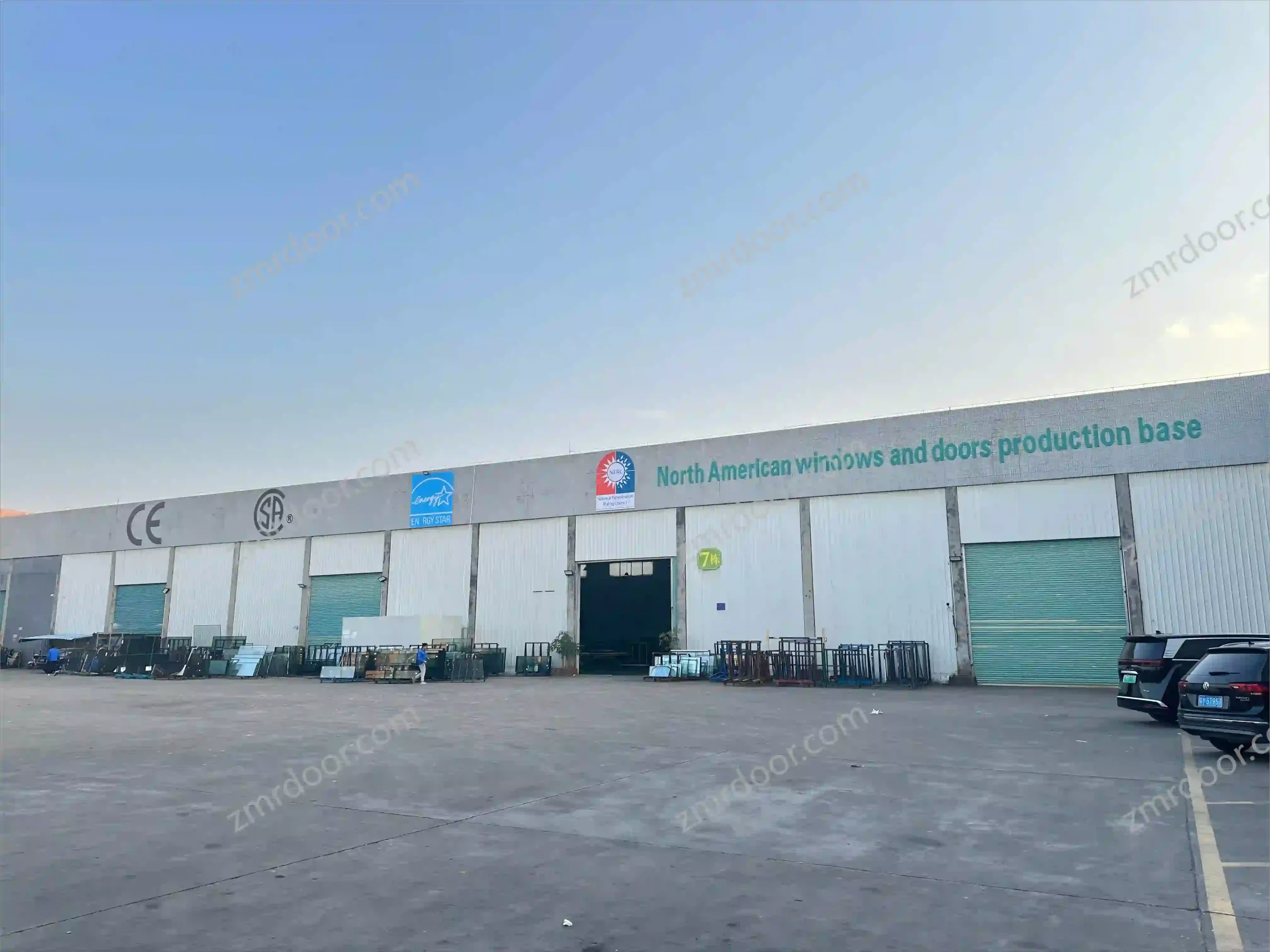
Operating directly out of Nanhai District, Foshan—the world's most concentrated hub for architectural aluminium extrusion and fenestration technology—our manufacturing matrix offers significant structural advantages for volume importers, building material distributors, and project engineering contractors.
In-House Precision CNC Machining
Our workshop integrates fully automated double-head cutting saws and 4-axis CNC milling centers. Every aluminum kitchen stable door leaf is machined with accurate lock pockets, hinge mortises, and hidden drainage slots, ensuring effortless on-site assembly and exact alignment.
PA66 Thermal Break Barrier Integration
To eliminate thermal bridges between hot outdoor patio areas or interior kitchen environments, our structural profiles incorporate high-density Polyamide (PA66-GF25) thermal insulation strips, achieving thermal transmittance metrics down to U-Factor ≤ 0.28 BTU/h·ft²·°F.
Rigorous Pre-Shipment QC Protocol
100% of custom door and window units undergo factory trial assembly, structural diagonal calibration, seal pressure verification, and hardware cycle testing prior to export. Detailed photo and video inspection dossiers are generated for client approval before loading.
Export-Grade Protective Packaging
Units are fully protected with scratch-resistant surface film, shock-absorbing corner guards, and vacuum-sealed plastic wrap, then packed into steel-reinforced, fully enclosed plywood crates labeled by project opening numbers for streamlined jobsite sorting.
Future Sourcing & Engineering Trends in Kitchen Fenestration (2025–2030)
As international energy codes become more stringent and architectural preferences tilt toward seamless indoor-outdoor living, the procurement strategy for aluminium kitchen stable doors is undergoing pivotal technological transformations. Importers and project planners must evaluate suppliers based on their adoption of four core engineering trends:
1. Micro-Ventilation & Smart HVAC Integration
Next-generation kitchen stable doors feature micro-ventilation hardware built directly into the upper sash interlock. This allows controlled passive air replacement without sacrificing structural security or water tightness. Advanced systems now feature magnetic reed sensors that interface with home automation systems, automatically switching off kitchen air conditioning when the top leaf opens for smoke extraction.
2. Ultra-Slim Sightlines & Maximum Natural Light
Architects are driving demand toward ultra-narrow profile sashes. By utilizing high-tensile 6063-T6 architectural aluminium alloys with wall thicknesses ranging from 1.8mm to 2.2mm, factories can engineer ultra-slim split-leaf frames that support heavy double- or triple-glazed Low-E glass units. This maximizes natural daylight ingress while maintaining wind load resistance suitable for high-rise or coastal installations.
3. Advanced Surface Treatments for Grease & Salt-Mist Resilience
Kitchen environments expose door surfaces to airborne fats, steam, and acidic cleaning solutions. Modern factory exports rely on Qualicoat Class 2 standard powder coatings, fluorocarbon PVDF sprays, and advanced electro-phoretic wood-grain technology. These surface finishes withstand over 3,000 hours of continuous salt-spray testing, eliminating surface flaking or discoloration in seaside or commercial kitchen settings.
4. Synchronized Multi-Point & Smart Biometric Interlocking
Hardware engineering has shifted from basic mechanical latches to synchronized multi-point shootbolt locking systems. Modern aluminium kitchen stable doors can operate as two distinct, independent leaves or instantly latch into a unified, heavy-duty single entry door via a single lever action. Integrated keyless smart access control (fingerprint, keypad, Bluetooth) on the exterior face ensures high security for rear kitchen garden entryways.
Technical Performance Comparison Matrix
Evaluating material selection for high-use kitchen entries requires a lifecycle cost analysis. The table below outlines why leading contractors and real estate project buyers are replacing traditional wood and vinyl with thermal break aluminium stable door systems.
| Performance Parameter | Thermal Break Aluminium | Traditional Hardwood | Standard Non-Thermal Aluminium | Vinyl / uPVC Profile |
|---|---|---|---|---|
| Structural Lifespan | 30+ Years (Zero Rot) | 10-15 Years (Requires Re-sealing) | 30+ Years (Durable Frame) | 10-20 Years (Degrades under UV) |
| Thermal Insulation (U-Factor) | Excellent (0.22 - 0.28) | Good (0.30 - 0.35) | Poor (0.50 - 0.65) | Moderate (0.28 - 0.32) |
| Moisture & Grease Resistance | Impervious (Qualicoat/PVDF) | Poor (Prone to Warping) | Impervious (Anodized/Powdered) | Moderate (Stains from Grease) |
| Frame Dimensional Stability | Absolute Precision (CNC) | Expands/Contracts with Heat | Absolute Precision (CNC) | Prone to Sagging over time |
| Security & Interlocking | Multi-Point Gear-Driven Locks | Basic Surface Deadbolts | Multi-Point Gear-Driven Locks | Standard Latching Seals |
Frequently Asked Questions (FAQ) for Global Importers & Project Engineers
Ready to Source Precision Kitchen Stable Doors & Architectural Systems?
Submit your window and door schedules, architectural CAD plans, or OEM distribution requirements. Our Foshan technical engineering team will deliver a comprehensive project quote, thermal performance evaluation, and preliminary CAD details within 24 hours.