Featured Architectural Aluminium Doors & Windows
Explore our factory-direct precision fenestration product line engineered for luxury residential villas, commercial projects, and modern kitchen interiors.
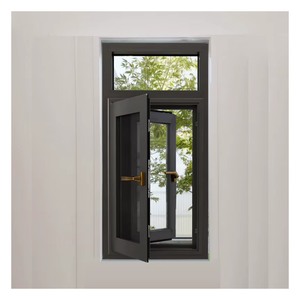
Executive Industry Whitepaper: The Engineering of High-Performance Aluminium Kitchen Doors & Architectural Fenestration
In contemporary residential architecture and high-end commercial developments, the modern kitchen is no longer a isolated utility zone. It has evolved into an open-concept focal point requiring spatial fluidity, acoustic isolation, moisture protection, and sleek structural aesthetics. As a world-class premier aluminium kitchen doors factory and global supplier headquartered in the Nanhai District of Foshan—China’s epicenter for structural extrusions—we deliver custom-engineered aluminium kitchen doors, partition systems, and high-performance fenestration solutions crafted to strict European and North American building codes.
Kitchen environments present unique physical and structural challenges: high humidity levels, airborne cooking oils, thermal differentials between conditioned dining spaces and cooking zones, and heavy daily cyclic hardware operation. Standard timber or low-grade vinyl doors routinely suffer from warping, moisture expansion, hardware fatigue, and surface degradation under these demanding operational conditions. Aluminum alloy systems engineered with structural 6063-T5 temper extrusions, thermal breaks, and specialized surface treatments serve as the definitive solution for architects, luxury residential builders, and global B2B procurement managers.
High-Precision Alloy Frame Extrusion
Utilizing high-purity 6063-T5 aluminum profiles with wall thicknesses compliant with international standard building specifications (1.4mm to 3.0mm structural depth), ensuring zero distortion across large-scale sliding or bi-fold glass panels.
Superior Barrier Protection
Specialized EPDM double-gaskets, magnetic sealing strips, and low-profile waterproof thresholds prevent oil fumes, steam, and acoustic reverberation from escaping into living and dining zones.
Minimalist Ultra-Slim Sightlines
Modern narrow-frame aluminium kitchen doors offer ultra-thin visible profiles down to 16mm, maximizing visual transmittance while retaining high mechanical strength to support heavy double-glazed tempered glass units.
Strategic Procurement Trends for Global B2B Aluminium Door Sourcing
As global supply chains shift toward carbon accountability, precision off-site modular fabrication, and strict building efficiency certifications (such as Passive House, LEED, and NFRC ratings), international importers and general contractors are re-evaluating their sourcing criteria for architectural aluminium doors and windows.
1. Shift Toward Total Cost of Ownership (TCO) over Unit Purchase Price
Forward-thinking developers and project importers no longer evaluate factory quotations based solely on initial FOB door unit costs. Sourcing strategies now prioritize long-term durability, hardware cycle testing (certified for 100,000+ open-close cycles), reduced on-site installation labor, and warranty risk mitigation. A failure rate in hardware or frame corner crimping on-site can increase overall project costs by 25% through replacement logistics and site delays. Factory pre-assembled frame systems with factory-installed EPDM seals eliminate up to 40% of labor installation hours on project job sites.
2. ESG Compliance & Carbon-Neutral Aluminum Manufacturing
Environmental, Social, and Governance (ESG) mandates across Europe and North America are pushing procurement directors to request raw aluminum material traceability. Primary aluminum smelting powered by hydroelectric energy, combined with high percentages of post-industrial recycled aluminum content, dramatically lowers the embodied carbon footprint of architectural fenestration. Furthermore, non-toxic powder coating lines (AAMA 2604/2605 compliant) and zero-solvent anodizing finishes are now baseline requirements for tier-1 international real estate projects.
3. BIM Integration & Digital Twin Procurement Workflows
Precision procurement demands seamless integration with modern Building Information Modeling (BIM) software (such as Autodesk Revit and ArchiCAD). Factory engineering teams must provide parametric 3D CAD models and shop drawings containing accurate thermal transfer calculations (U-factors), solar heat gain coefficients (SHGC), and glass dead-load metrics prior to extrusion cutting. This eliminates dimensional mismatches on the job site and streamlines local municipal building code approvals.
Technical Specification Comparison: Aluminium System Series
Review the standard engineering parameters utilized across our architectural aluminum kitchen door, sliding glass, casement, and hurricane impact series to select the optimal system for your project specification.
| System Category | Alloy Grade & Temper | Profile Wall Thickness | Thermal Break Profile | Sound Transmission (STC) | Thermal Transmittance (U-Value) | Recommended Application |
|---|---|---|---|---|---|---|
| Slim-Frame Kitchen Partition Door | 6063-T5 Aluminum | 1.6mm - 2.0mm | Optional PA66 Strip | STC 32 - 38 dB | 2.2 - 2.8 W/m²·K | Interior Kitchens, Pantries, Wine Cellars |
| Thermal Break Hinged French Door | 6063-T6 High-Precision | 2.0mm - 2.5mm | 24mm PA66-GF25 Strip | STC 38 - 44 dB | 1.4 - 1.8 W/m²·K | Exterior Patio, Kitchen Balconies, Villas |
| Heavy-Duty Lift & Slide Glass Door | 6063-T5 Structural | 2.2mm - 3.0mm | 30mm PA66 Insulation | STC 40 - 46 dB | 1.1 - 1.5 W/m²·K | Large Kitchen Glass Walls, Luxury Estates |
| Hurricane Impact Sliding Glass Door | 6063-T6 Reinforced | 2.5mm - 3.2mm | High-Density Polyamide | STC 42 - 48 dB | 1.2 - 1.6 W/m²·K | Coastal Zones, Storm-Prone Regions |
| Fire-Rated Interior Aluminum Door | Fireproof Composite Alloy | 2.0mm + Insulated Core | Ceramic Fire Insulated | STC 36 - 42 dB | N/A (60-120 Min Rating) | Commercial Kitchens, Hospitals, Hotels |
Technological Innovations Driving Next-Generation Aluminium Door Systems
The global fenestration industry is undergoing rapid technological development driven by building energy efficiency demands, smart home automation, and material science breakthroughs. As a technology-focused manufacturer, our R&D team continuously integrates cutting-edge engineering innovations into our production lines:
1. Electrochromic & Smart Privacy Glass Integration
Modern aluminium kitchen doors are increasingly specified with switchable Polymer Dispersed Liquid Crystal (PDLC) privacy glass. At the touch of a button or via smart home automation, clear kitchen partition glass transitions instantly to opaque, providing privacy when hosting guests while allowing natural light transmission when deactivated.
2. PA66-GF25 Thermal Insulation Matrix
To eliminate thermal bridging in severe hot or cold climates, modern extrusions utilize 25% glass-fiber reinforced polyamide (PA66-GF25) thermal break strips. This structural composite maintains mechanical tensile strength while drastically reducing overall U-values, preventing condensation formation on interior kitchen door frames.
3. Magnetic Levitation & Soft-Close Track Systems
Heavy double-glazed sliding glass panels require effortless glide operation. Integrating heavy-duty stainless steel track assemblies, precision roller bearings, and magnetic soft-close dampers ensures smooth, silent movement during high-frequency kitchen usage while eliminating dangerous door slamming.
Factory Excellence: Precision Manufacturing & Global Supply Chain Control
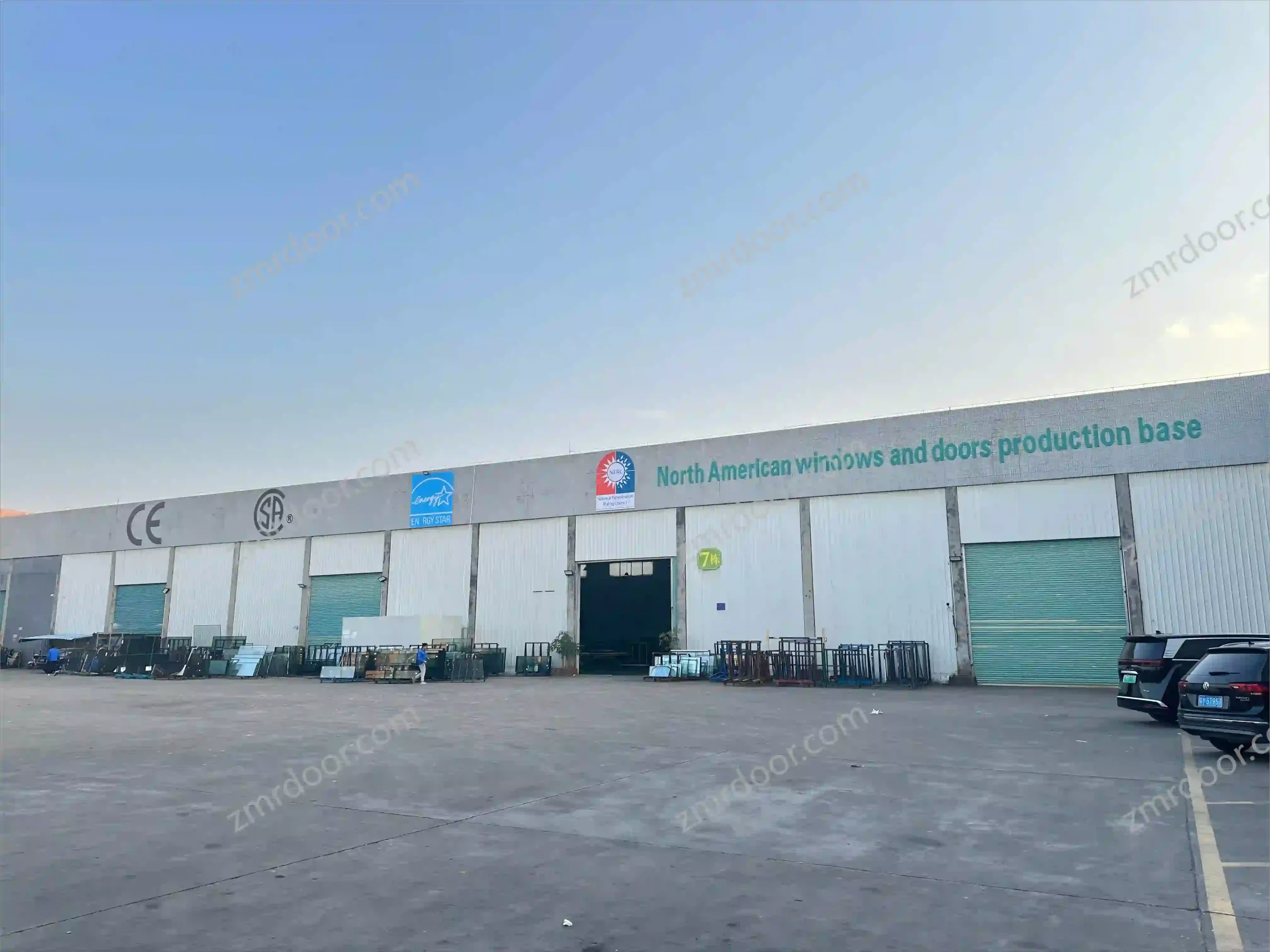
Operating out of our advanced Foshan manufacturing facility, our enterprise combines automated CNC machining centers, high-capacity aluminum profile cutting equipment, dual-corner crimping technology, and a strict quality management system aligned with ISO 9001 requirements. Sourcing direct from our production facility guarantees key competitive advantages for B2B procurement partners:
1. Automated CNC Machining & Milling: Every aluminum profile undergoes digital multi-axis CNC routing for lock boxes, hinge mortises, and water drainage channels. Machining tolerances are maintained within ±0.1mm, ensuring tight corner joins and seamless hardware integration.
2. Advanced Surface Finish Durability: Door frames can be customized with high-grade PVDF fluorocarbon coatings, electrostatic powder coating, anodic oxidation, or realistic wood-grain thermal transfer finishes. Finishes resist chemical cleaning agents, grease splatters, salt spray corrosion (certified for 1,000+ hours in ASTM B117 salt spray tests), and UV fading.
3. Rigorous 100% Pre-Shipment Dry-Assembly: Prior to export crating, every custom order undergoes complete pre-assembly in our quality inspection bay. Frames, glass sizing, hardware movement, alignment tolerances, and weatherstrip integrity are fully validated and documented with digital inspection photo packs provided to the buyer.
4. Heavy Export Packaging Protection: Products are packaged using anti-scratch protective film, high-density foam corner guards, moisture-resistant shrink wrap, and packed inside fully enclosed fumigated wooden crates reinforced with steel strapping to guarantee damage-free transit across long ocean voyages.
Frequently Asked Questions (FAQ) for B2B Buyers & Project Specifiers
Get immediate answers to common technical, logistics, and customization queries regarding direct procurement from our aluminium door factory.
Because every door and window system is custom fabricated according to project shop drawings and architectural specifications, we support flexible MOQ requirements. We cater to single custom luxury villa projects as well as full 20ft/40ft container shipments for regional distributors and real estate contractors. For optimal freight consolidation efficiency, combining kitchen sliding doors, entry doors, and windows into unified container shipments is recommended.
Our thermal break aluminium doors utilize structural PA66-GF25 polyamide insulating bars that separate the outer aluminum frame from the inner profile. Combined with double-sealed insulated glass units (IGU) featuring warm-edge spacers and argon gas fill, this thermal isolation keeps the interior frame surface temperature above the dew point, effectively eliminating frame condensation, mold risks, and moisture damage in humid kitchen spaces.
Yes. We regularly engineer and fabricate orders tailored to regional compliance standards including European CE (EN 14351-1), North American NFRC/AAMA ratings, Australian AS2047 fenestration standards, and Florida Hurricane Impact testing requirements. Please share your project's structural wind-load requirements, U-factor targets, and safety glass mandates (such as SGCC tempered glass certification) during the initial consultation.
For interior kitchen doors exposed to cooking vapors and frequent cleaning, we strongly recommend electrostatic powder coating or anodic oxidation finishes. These non-porous surfaces prevent oil absorption, are scratch-resistant, and can be effortlessly cleaned with neutral detergent. For modern luxury aesthetics, matte architectural black, dark bronze anodized, and ultra-slim wood grain finishes are highly popular choices.
Hardware reliability is essential to door performance. We offer top-tier European hardware systems including German Siegenia, Hoppe, Roto, and GU, alongside our premium in-house factory branded heavy-duty hardware. Multi-point locking gear systems, concealed hinges, heavy-duty floor rollers, and soft-closing mechanisms are rigorously cycle-tested to ensure smooth daily operation.
Standard production lead times typically range from 25 to 35 calendar days following the formal engineering sign-off of CAD shop drawings and receipt of deposit. Special custom powder coat colors, custom glass specifications (such as smart PDLC glass or triple low-E laminated glass), or specialized structural testings may require an additional 5-10 business days.
Export integrity is a cornerstone of our service. All aluminum door frames are wrapped in anti-scratch protective film, edge-protected with heavy foam guards, and packed in reinforced solid wooden crates. Glass panels are packed separately with rubber shock-absorber blocks. Every wooden crate is clearly tagged with opening identification numbers matching your job site elevation drawings to ensure swift unpacking and installation on arrival.