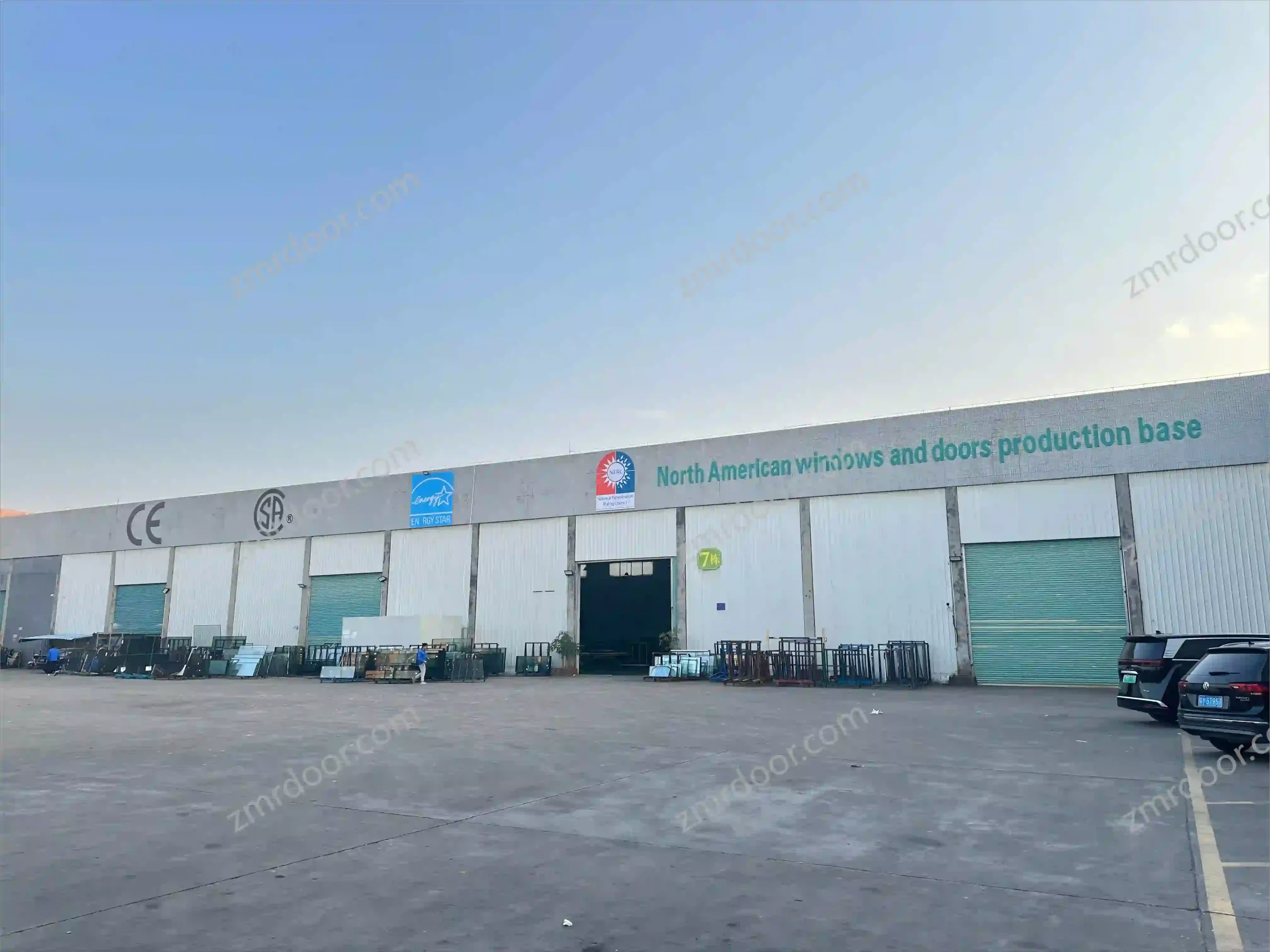
Featured Commercial & Residential Aluminium Glass Door Systems
Precision-engineered interior glass doors manufactured in Foshan, China. Tested against international structural, acoustic, and thermal performance benchmarks.
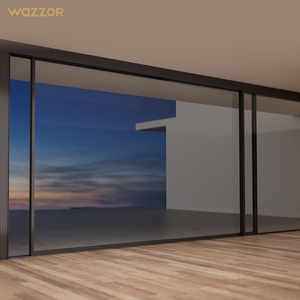
Wazzor Hurricane Rated In Stock Double Tempered Glass Sliding Doors System Exterior Interior Balcony Patio Glass Aluminum Door
Get a Quote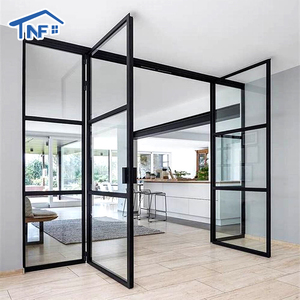
Modern Interior Aluminium Glass Arched French Doors NFRC Casement With Manual Opening Finished Surface
Get a Quote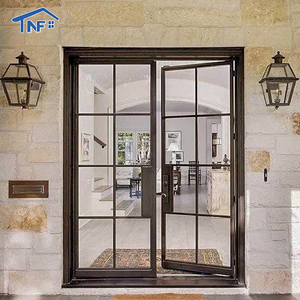
Customized Design Modern Thermal Insulation Villa Casement Glass Aluminum Door with French Door Style and SDL Grill Design
Get a Quote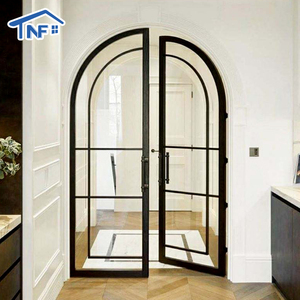
Custom Slim Aluminum Framed Swing Glass Crittall Style Arched Double Glazed Interior Casement Patio Entrance French Doors
Get a Quote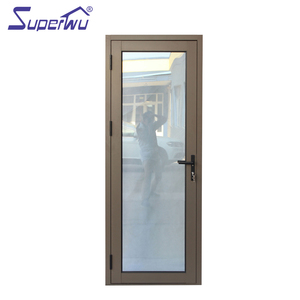
Aluminium Profile New Design NOA Code Security Door Unbreakable Glass Hinge Door With Grill
Get a Quote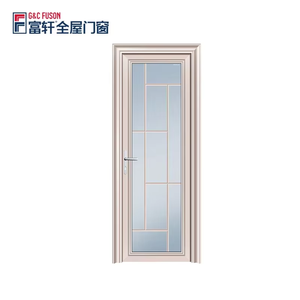
Fuson Customized New Products Aluminium Casement Doors Aluminum White Interior Double Metal Frame Glass French Door
Get a Quote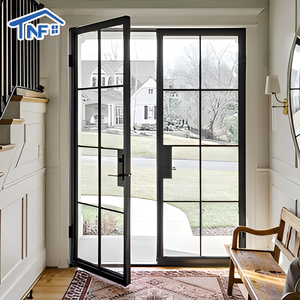
Waterproof Residential Crittall Interior Partition Aluminum Double Tempered Glass French Grilles Casement Doors For House Villa
Get a Quote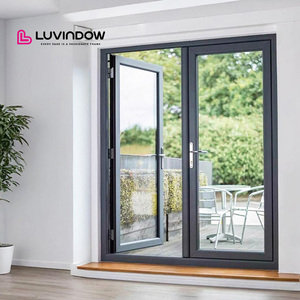
Luvindow High Quality French Double Panel Interior Aluminum Glass Front Door 10-Year Warranty
Get a QuoteArchitectural Glazing Whitepaper: Engineering Internal Aluminium Glass Door Systems
In contemporary commercial and luxury residential architecture, interior space planning has shifted dramatically from opaque drywall partitions toward daylight-maximizing, acoustic-rated transparent division. Architectural aluminium internal glass doors have emerged as the primary vector for achieving structural integrity, modern minimalist aesthetics, and spatial flexibility. As global procurement directors, real estate developers, and project contractors evaluate original equipment manufacturers (OEMs) and original design manufacturers (ODMs), understanding the underlying material science, engineering tolerances, and compliance standards is crucial for risk mitigation and long-term asset value.
1. Metallurgy & Profile Extrusion Engineering
The structural performance of interior glass door assemblies depends heavily on the chemical composition and heat treatment of the aluminium alloy extrusions. Leading Foshan manufacturers, such as Veltor Window & Door Co., Ltd., standardise on high-grade 6063-T5 and 6063-T6 architectural aluminium alloys. The T5 temper (cooled from an elevated temperature shaping process and artificially aged) provides an optimal balance of tensile strength (minimum 185 MPa) and yield strength (minimum 110 MPa), allowing for ultra-slim profile sightlines without sacrificing torsional rigidity.
For interior partitions featuring heavy double-glazed units or oversized panel spans exceeding 3000 mm in height, profile wall thickness must strictly comply with GB/T 5237 and international architectural standards. While off-the-shelf residential systems often drop to 1.2 mm wall thickness, commercial-grade internal systems engineered for high-traffic environments utilize profile wall thicknesses ranging from 1.6 mm to 3.0 mm. In structural interlock areas and corner joint assemblies, reinforced corner crimping cleats and dual-component polyurethane corner adhesives ensure corner joint alignment, water tightness, and anti-sag durability under continuous operational stress.
2. Surface Finishing & Environmental Resistance
Interior aluminium framing requires specialized surface treatment technology to prevent scratch damage, oxidation, and color degradation over decades of continuous use. Modern production facilities implement four core surface finishing methodologies:
Electrostatic Fluorocarbon (PVDF) Coating
Utilizes polyvinylidene fluoride resin formulations to provide extreme surface resistance, UV stability, and color retention. Ideal for coastal commercial environments and high-humidity interior zones.
Architectural Anodizing (Class 10/15)
Creates an integral microscopic aluminum oxide layer (10-15 microns thick), delivering exceptional metallic tactile feel, corrosion resistance, and anti-fingerprint properties in matte black, champagne, and bronze.
Micro-Texture Powder Coating
Environmentally friendly solvent-free electrostatic application delivering rich tactile matte textures (Qualicoat Class 1 & 2 standards) resistant to high-frequency impacts and residential cleaning agents.
3. Glazing Technology & Acoustic Attenuation (Rw performance)
In corporate headquarters, executive boardrooms, and luxury hotel suites, the primary technical metric for interior glass doors is acoustic isolation. Unprocessed single-pane glass provides minimal sound reduction (Rw 28–30 dB). To meet modern workplace standards (STC 40+), professional manufacturers implement multi-layered insulated glass unit (IGU) matrixes incorporating double-tempered glass, acoustic PVB/EVA laminated interlayers, and inert argon gas fill spaces.
| Glazing Configuration | Overall Thickness | Sound Reduction (Rw / STC) | Safety Compliance | Recommended Architectural Application |
|---|---|---|---|---|
| Single Monolithic Tempered | 8mm / 10mm / 12mm | 31 – 33 dB | ANSI Z97.1, EN 12150 | Standard interior office partitions, low-noise residential rooms |
| Acoustic Laminated (PVB) | 5mm + 0.76PVB + 5mm | 36 – 38 dB | SGCC, EN 14449 | Executive office doors, hotel conference rooms, residential master suites |
| Double Glazed Insulated (IGU) | 5mm + 9A + 5mm Tempered | 38 – 40 dB | NFRC Approved, CE Certified | Commercial boardrooms, sound recording environments, luxury villas |
| Triple Glazed Acoustic Low-E | 4mm + 6A + 4mm + 6A + 4mm | 42 – 45 dB | AS/NZS 2208, ISO 9001 | High-level acoustic zoning, luxury interior villa wine cellars & theaters |
Future Procurement & Architectural Trends (2025–2030)
Key design shifts and technical specifications transforming global B2B door sourcing over the next five years.
The international building envelope and interior fit-out industry is undergoing rapid technical evolution driven by stringent energy efficiency codes, urban noise mitigation mandates, and changing architectural preferences. B2B buyers must align their supply chains with vendors capable of manufacturing next-generation door hardware and profile geometry.
1. Ultra-Narrow Sightline Crittall Profiles
Architects are replacing heavy traditional frames with ultra-slim face widths (as narrow as 16mm to 25mm). Modern steel-look "Crittall" style aluminium doors offer lightweight strength, zero rust risk, and precise simulated divided lite (SDL) grid designs.
2. Integrated Smart Glass & IoT Hardware
Transitioning from mechanical keyways to smart electronic access control. Interior systems now embed PDLC (Polymer Dispersed Liquid Crystal) switchable privacy glass, allowing instantaneous control between transparent clarity and complete opaque privacy via smart automation.
3. Concealed Pivot & Magnetic Soft-Close Hardware
Eliminating visible hinges in favor of 360-degree top-and-bottom concealed pivot mechanisms capable of supporting door leaves up to 250 kg. Magnetic latch locks provide silent closing without mechanical friction noise.
4. Low-Carbon Billet Sourcing & EPD Certification
Global developers operating under LEED and BREEAM standards increasingly require Environmental Product Declarations (EPDs). Direct sourcing from certified Foshan factories using hydroelectricity-smelted low-carbon aluminium billets reduces embodied carbon significantly.
Enterprise Strength: Foshan Manufacturing Capabilities & Export Quality Protocols
Positioned within the Nanhai District of Foshan, Guangdong Province—the epicenter of global architectural aluminium extrusion and hardware innovation—Veltor Window & Door Co., Ltd. operates as a fully integrated manufacturer serving international project buyers, importers, and regional distributors.
1. Complete In-House Fabrication & Machining Control
Unlike trading intermediaries that outsource assembly to disparate sub-tier workshops, Veltor executes profile extrusion cutting, CNC milling, hardware mortising, corner crimping, glass unit sealing, and final pre-shipment quality control under a single unified production standard (ISO 9001:2015 certified). Dual-head precision cutting saws operate within a tight ±0.5 mm tolerance margin, ensuring every custom door panel fits its target structural opening cleanly on-site.
2. 100% Pre-Shipment Shop Drawing Approval & Mockup Assembly
To eliminate expensive on-site installation failures, our dedicated engineering team produces comprehensive CAD elevations, floor plan details, and 3D structural sections for buyer sign-off prior to profile cutting. For container-load orders and multi-unit commercial developments, complete door assemblies are trial-fitted on factory test stands to verify smooth hinge movement, magnetic lock alignment, perimeter weatherstrip compression, and glass clearance.
3. Heavy-Duty Export Packaging & Project Logistics
Overseas freight demands rigorous protective packaging. Veltor applies protective polyethylene film to all exposed aluminium extrusions, fits reinforced plastic corner protectors, and seals completed door units inside fully enclosed, ISPM 15-compliant fumigated wooden crates. Every crate is clearly labeled with structural elevation numbers, opening IDs, and handling symbols, simplifying site sorting for international installation teams.
Frequently Asked Questions (FAQ) for B2B Importers & Procurement Managers
Technical and logistical insights to help streamline your direct factory purchasing decisions.
Because every commercial project and residential renovation features unique structural opening dimensions, Veltor supports flexible ordering models. For bespoke luxury villa projects, we accept minimum orders starting at single-unit samples or small project packages. For distributors, dealers, and project contractors seeking optimal ocean freight costs, we recommend consolidating orders into 20ft or 40ft container loads.
Foshan's architectural aluminium cluster utilizes identical 6063-T5/T6 alloy billets, premium European hardware (such as Siegenia, Hoppe, and Savio), and German-engineered polyamide thermal break strips (PA66GF25). When manufactured under rigorous quality control standards, Foshan doors meet or exceed EN 14351-1, NFRC, and AS 2047 performance standards at a competitive direct-factory price point.
Our doors are engineered to comply with target destination building codes. Glazing units carry SGCC (Safety Glazing Certification Council) markings for North America, CE certification under EN 12150 / EN 14449 for the European Union, and AS/NZS 2208 compliance for Australia. Profile structural calculations and wind pressure performance are tested up to NOA (Notice of Acceptance) specifications for impact-rated lines.
Yes. By specifying double-glazed insulated glass units (e.g., 5mm + 9A + 5mm) or laminated acoustic glass with sound-dampening PVB interlayers, combined with drop-down automatic perimeter bottom seals and multi-point compression locks, sound reduction ratings can reach 38 dB to 42 dB (STC 40+), ensuring complete privacy in meeting rooms.
We offer a broad selection of hardware options, including concealed 3D-adjustable hinges, heavy-duty floor pivots, magnetic latch quiet locks, panic bars for emergency exits, concealed automatic drop seals, and smart electronic access control keypads (RFID, biometric fingerprint, Bluetooth/Tuya smart ecosystem integration).
Standard production lead times range between 25 and 35 calendar days following written CAD shop drawing approval and deposit receipt. For complex custom anodized finishes, specialized curved arched glass units, or large-volume commercial projects, lead times are scheduled transparently with milestone tracking photos provided throughout manufacturing.
Veltor provides a comprehensive 10-year manufacturer warranty covering frame structural integrity, anodized/powder coat finish adhesion, and hardware operational life. In the rare event of transit damage or site loss, express replacement components (extrusion lengths, gasket kits, hardware sets) are dispatched rapidly via international air freight.
Ready to Elevate Your Architectural Project Supply Chain?
Contact our senior engineering and export project management team today for technical consultations, shop drawing reviews, and factory-direct pricing quotes.
Get a Quote