Featured Architectural Systems & Export Lines
Explore our certified aluminum windows, steel-look heritage doors, and heavy-duty sliding structural openings for global project distribution.
Engineering Whitepaper: Technical Benchmarks for Aluminium Heritage French Doors
A comprehensive procurement guide for commercial developers, fenestration importers, and facade engineers demanding industrial reliability and steel-look aesthetics.
Executive Summary & Architectural Context
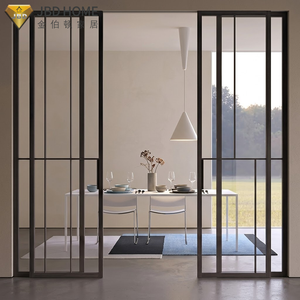
The global demand for Aluminium Heritage French Doors has expanded beyond historic conservation zones into luxury residential, modern hospitality, and high-density urban developments. Historically, architects specified authentic industrial steel doors to achieve ultra-slim sightlines and timeless grid aesthetics. However, traditional steel fenestration presents severe structural and financial challenges for international project procurement: poor thermal performance (high U-values), excessive structural deadload, high vulnerability to oxidation in coastal environments, and prohibitive fabrication lead times.
Modern extrusion technology engineered in premier manufacturing clusters like Foshan, China, has revolutionized the industry. By pairing high-precision 6063-T5/T6 architectural aluminum profiles with structural polyamide (PA66) thermal break strips and applied astragal bars, manufacturers deliver authentic "Crittall-style" steel-look aesthetics while surpassing stringent modern building codes for energy conservation, wind pressure resistance, and water tightness.
Enterprise Manufacturing Capabilities & Engineering Controls
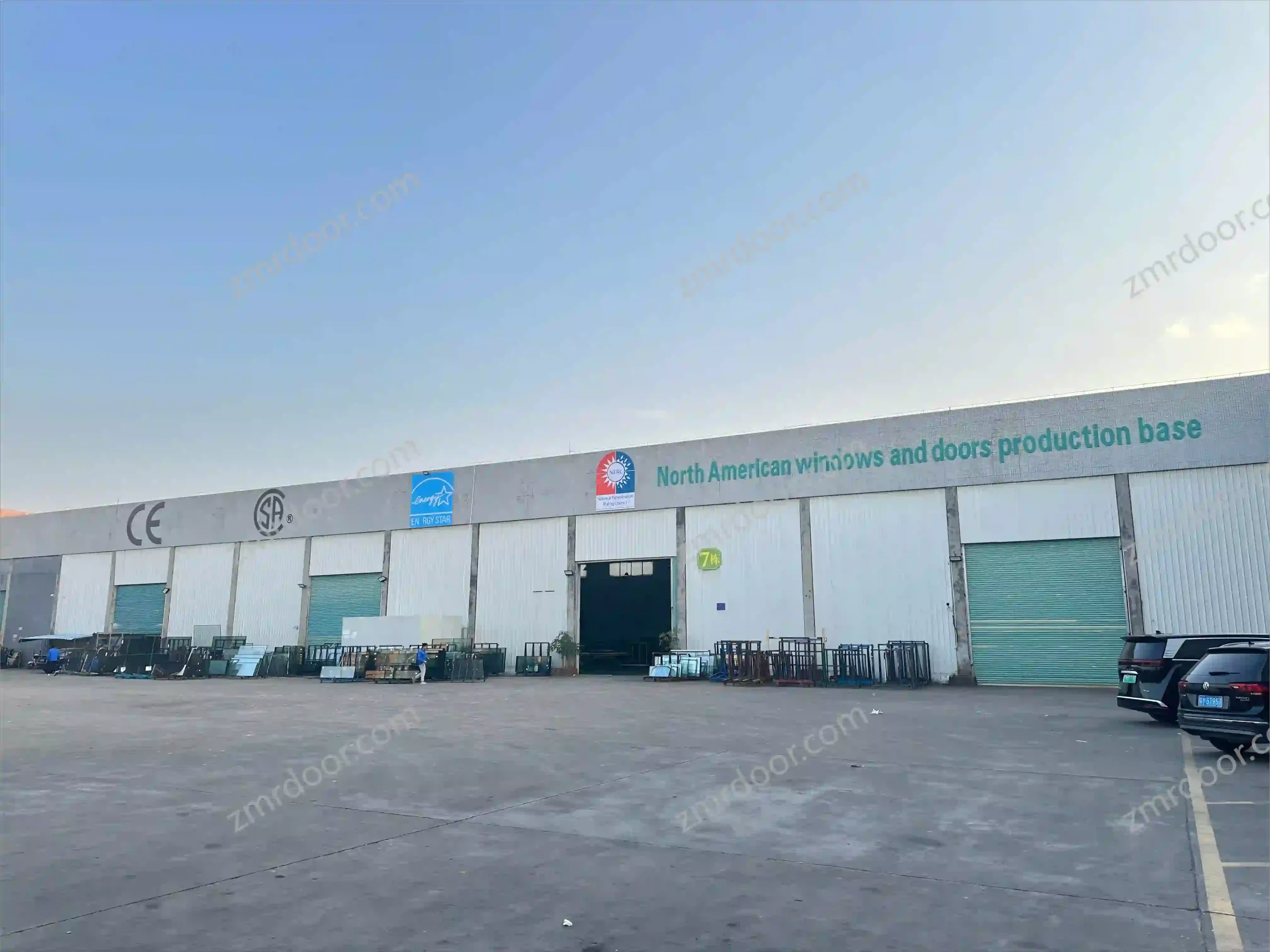
As a premier exporter operating from Nanhai District, Foshan—the world’s most concentrated hub for aluminum profile extrusion and hardware innovation—VELTOR Window & Door Co., Ltd. sets the technical standard for export-grade heritage door manufacturing. Overseas project dealers, commercial contractors, and Fenestration importers face distinct risks when sourcing cross-border: dimensional misalignments, finish degradation during ocean freight, and compliance failures with local building authorities.
To mitigate supply chain vulnerability, our manufacturing infrastructure embeds four essential quality gates into every project pipeline:
1. Shop Drawing Precision Engineering
Before extrusion cutting begins, our technical team converts architectural elevation plans into multi-angle CAD shop drawings, verifying wall thickness (minimum 2.0mm structural frame), hinge weight ratings, and structural deflection thresholds.
2. Automated CNC Machining & Crimping
Dual-head precision saws and 5-axis CNC machining centers route hardware recesses, drainage channels, and corner joints. Hydraulic corner crimping with dual-component structural sealant ensures absolute water tightness under severe storm conditions.
3. 100% Pre-Shipment Dry Fitting
Every Heritage French Door assembly undergoes 100% full dry assembly on factory testing rigs. We verify multi-point locking alignment, gasket compression, diagonal squareness, and smooth sash swing prior to final crating.
Engineering Matrix: Thermal Break Aluminium Heritage vs. Traditional Steel Fenestration
When selecting systems for high-performance building envelopes, architectural specs must weigh long-term thermal compliance against sightline profiles. The table below details performance parameters verified across standardized export testing protocols:
| Performance Indicator | Aluminium Heritage (PA66 Thermal Break) | Traditional Hot-Rolled Steel | Standard Non-Thermal Aluminum |
|---|---|---|---|
| Frame Thermal Transmittance (Uf) | 1.3 – 1.8 W/m²K (Superior energy efficiency) | 3.5 – 5.2 W/m²K (High thermal bridging risk) | 4.0 – 6.0 W/m²K (Fails modern energy codes) |
| Typical Sightline Width (Sash+Frame) | 48mm – 58mm (Slim Steel-Look) | 30mm – 42mm (Ultra-Slim) | 70mm – 95mm (Bulky Modern Profile) |
| Corrosion Resistance Class | Class 4/5 (Qualicoat Powder / Anodized 25μm) | Requires Frequent Painting / Rust Mitigation | Class 3/4 depending on coating finish |
| Acoustic Isolation (Rw Rating) | 38 dB – 45 dB (With Acoustic Laminated IGU) | 30 dB – 36 dB (Single / Thin Glazing limited) | 32 dB – 38 dB (Standard Double Glazed) |
| Hardware Configuration | European Groove Multi-Point Security Locking | Surface Mounted / Weld-on Latches | Standard Mortise Locks |
| Total Lifecycle Cost (25 Year) | Low (Zero maintenance, high durability) | High (Refinishing & energy loss costs) | Moderate (Higher operating HVAC cost) |
Future Procurement Trends in Aluminium Heritage Doors (2025–2030)
The commercial import landscape for architectural fenestration is undergoing rapid structural transformations. B2B importers, project developers, and building material distributors must align their sourcing strategies with key emerging trends driving global procurement:
1. Low-Carbon Recycled Aluminum Sourcing
Driven by Europe's CBAM (Carbon Border Adjustment Mechanism) and North American LEED v4.1 standards, global buyers demand profiles extruded using primary-grade low-carbon billet or high-content post-consumer recycled aluminum. Sourcing from factories utilizing hydro-electric powered extrusion lines reduces embodied carbon metrics significantly without compromising structural tensile yield strength (≥160 MPa).
2. Concealed Hardware & Smart Access Integration
Modern heritage designs require ultra-clean sightlines. Next-generation procurement specs emphasize 180-degree concealed heavy-duty hinges capable of supporting sash weights up to 180kg per leaf, alongside motorized multi-point locks seamlessly integrated into smart home automation protocols (Zigbee, Matter, Biometric Access) while maintaining PAS 24 security compliance.
3. High-Performance Warm-Edge Glazing Architectures
Double glazing is rapidly becoming baseline minimum. The market is transitioning towards triple-glazed units filled with 90% argon gas, featuring dual Low-E coatings (e.g., Sunguard or Solarcool) and composite warm-edge glass spacers. These configurations achieve NFRC-certified U-factors down to 0.20 BTU/h·ft²·°F (1.1 W/m²K), suitable for Passive House certifications in severe winter zones.
4. Specialized Finishes for Extreme Climates
Import buyers in coastal locations require severe weather protection. Fluoropolymer PVDF (polyvinylidene fluoride) architectural coatings and Qualicoat Class 2/3 marine-grade powder coats are replacing standard polyester finishes, guaranteeing zero chalking, fading, or film integrity breakdown for 25+ years in high-salinity island and oceanfront environments.
Industry Development & Technical Manufacturing Trends
The manufacturing process for heritage-style aluminum french doors has evolved from manual assembly to digitized, zero-tolerance industrial production. Key structural innovations include:
1. Astragal Bar Bonding vs. True Divided Lites (TDL): Historic steel doors used individual glass panes slotted into steel T-bars, creating hundreds of thermal bridge points and leak vectors. Modern production utilizes applied architectural astragal bars (surface-mounted grid bars with structural 3M VHB tape) paired with internal spacer grids inside double-glazed units. This creates the optical illusion of individual lites while preserving the structural integrity, airtightness, and thermal performance of a single insulated glass panel.
2. Polyamide PA66 Thermal Break Insertion: Uninsulated aluminum conducts heat rapidly. High-tier suppliers utilize mechanical crimping of PA66 GF25 (25% glass fiber reinforced polyamide) thermal strips between the inner and outer aluminum profile extrusions. PA66 matches the linear thermal expansion coefficient of aluminum, preventing frame warping under extreme ambient temperature differentials (-30°C winter to +50°C summer).
3. Advanced Weather-Sealing Gasket Engineering: Traditional door sills often suffer from water penetration during heavy wind-driven rains. Leading suppliers integrate multi-barrier continuous EPDM (Ethylene Propylene Diene Monomer) rubber gaskets with vulcanized molded corners. Combined with concealed sub-frame drainage channels and drop-down acoustic automatic bottom seals, doors achieve wind-driven rain resistance ratings up to 600 Pa (BS 6375 / AS 2047 Class N4/N5).
Frequently Asked Questions for B2B Procurement
Technical guidance for commercial buyers, developers, and project dealers managing container imports.
What is the minimum order quantity (MOQ) for custom-sized heritage French doors?
Because every fenestration unit is custom-engineered to precise shop drawings, VELTOR accommodates single-villa project orders as well as full multi-container commercial developer shipments. For optimal international ocean freight economics (FCL vs LCL), we assist buyers in consolidating windows, heritage doors, bi-folds, and entrance doors into unified container loadings.
How do thermal-break aluminium heritage doors perform in extreme cold climates?
Our thermal-break heritage systems utilize 24mm to 34mm PA66 polyamide insulating strips combined with double or triple insulated glass units (IGU), Low-E soft coatings, warm-edge spacers, and argon gas infill. This configuration prevents interior frame frost formation, eliminates thermal bridging, and easily complies with North American NFRC and European CE/EN 14351 energy codes.
Can your manufacturing lines comply with my country's local building standards?
Yes. We manufacture and test systems against target destination codes including North American NFRC / AAMA / CSA standards, Australian AS 2047 / AS 1288 codes, UK PAS 24 security benchmarks, and European CE standards. Full test reports for wind pressure load, air infiltration, water tightness, and safety glazing (SGCC certified tempered/laminated glass) are supplied prior to order confirmation.
How are glass units and powder-coated frames protected against damage during ocean export packaging?
Export packaging uses a 5-tier protective protocol: 1) Protective anti-scratch adhesive film on all profile surfaces; 2) Reinforced corner guards; 3) EPE foam wrapping; 4) Fully enclosed, ISPM 15 compliant fumigated wooden crates or steel-framed A-frame crates; 5) Each unit is clearly labeled with opening tag numbers matching site architectural plans to streamline installation logistics.
What is the standard production lead time from drawing sign-off to port loading?
Standard factory production lead time is 25 to 35 business days following final sign-off of CAD shop drawings and deposit confirmation. Custom powder coat color matching (RAL standard finishes) or specialized high-salinity PVDF finishes require approximately 5 to 7 additional manufacturing days.
Do you offer OEM, private-label, and custom profile extrusion services for distributors?
Yes. We provide comprehensive OEM/ODM engineering support for regional fenestration brands, project dealers, and architectural systems companies. Our Foshan factory handles profile extrusion die creation, private-label hardware branding, custom packaging layout design, and dedicated technical catalog development.
What glass specifications are available for acoustic isolation and hurricane impact protection?
We supply a comprehensive spectrum of structural glass units: soundproof double/triple glazed units with acoustic PVB interlayers achieving STC ratings up to 45 dB, hurricane impact laminated glass engineered with SentryGlas (SGP) interlayers to withstand windward debris impacts, and smart electrochromic privacy glass.
How is hardware reliability verified for heavy traffic commercial installations?
All heritage door systems utilize premium hardware configurations—including German SIEGENIA, HOPPE, or high-grade custom stainless steel European groove components. Locks, hinges, and handles undergo rigorous lifecycle testing, rated for a minimum of 50,000 to 100,000 continuous operation cycles before failure.
Ready to Engineer Your Project Fenestration Schedule?
Contact our Foshan engineering and export team today. Submit your architectural CAD drawings or opening schedules for a complimentary structural review, thermal optimization proposal, and factory-direct pricing quote within 24 hours.
Send an Inquiry