Certified High-Security Aluminium Windows & Doors
Engineered for high-end residential, hotel, commercial storefront, and security-critical architectural developments. Direct factory export with full customization.
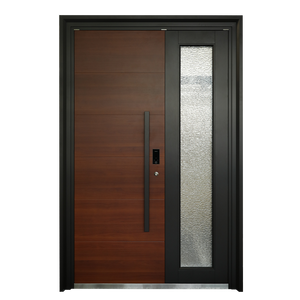
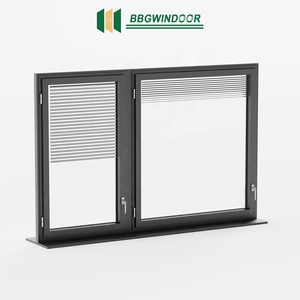
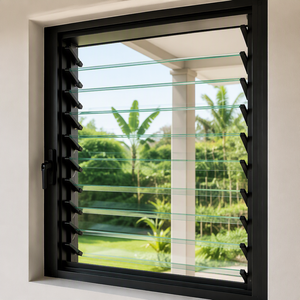
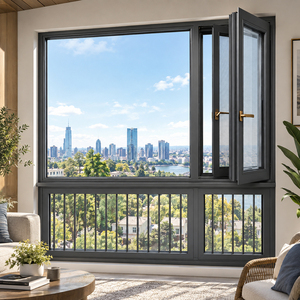
Engineering Standards for Burglar-Resistant Aluminium Windows
A B2B Technical Procurement Guide on Resistance Classes, Metal Alloys, Multi-Point Hardware, and Security Glazing
Modern architectural security relies heavily on the physical integrity of exterior fenestration systems. As physical intrusion techniques evolve, specifiers, contractors, and real estate developers require a granular understanding of how high-performance aluminium burglar windows resist forced entry while preserving architectural elegance, natural daylighting, and thermal efficiency. Sourcing directly from verified OEM factories provides project stakeholders with tailored systems engineered to pass international security standards, including European Standard DIN EN 1627-1630 (RC1N to RC4), British Standard PAS 24, and North American ASTM F588 testing.
1. Structural Profile Metallurgy & Wall Thickness Engineering
The foundation of any burglar-resistant fenestration system is the extrudate alloy and frame cross-section geometry. Standard commercial aluminium windows typically utilize 6063-T5 alloy with profile wall thicknesses ranging from 1.2mm to 1.4mm. However, heavy-duty anti-burglar systems engineered for forced-entry mitigation utilize primary-grade 6063-T6 or 6061-T6 architectural aluminium alloys with profile wall thicknesses starting at 1.8mm to 3.0mm for high-load structural profiles.
Furthermore, structural rigidity is enhanced through multi-chamber internal webbing. The inclusion of internal ribbing prevents localized profile distortion when an intruder applies heavy leverage tools (such as crowbars, steel chisels, or mechanical jacks). In thermal-break configurations, high-density PA66-GF25 (25% glass-fiber reinforced polyamide) structural insulating strips are mechanically crimped between inner and outer profile extrusions. This design maintains exceptional thermal insulation (lowering overall frame U-values to under 1.4 W/m²K) without compromising torsional rigidity under physical attack.
Technical Insight: Anti-Lever & Anti-Pry Cavity Design
Premium burglar-resistant casement and sliding profiles feature continuous concealed steel reinforcement channels within the hardware groove (Euro-groove standard). This prevents hardware mounting screws from stripping under shear stress when subjected to forced entry forces exceeding 6,000 Newtons.
2. Multi-Point Locking Systems & Anti-Pry Hardware Integration
Single-point latches represent a critical vulnerability in exterior building envelopes. Advanced burglar-resistant windows feature fully integrated multi-point shootbolt locking mechanisms operated via a single ergonomic handle or automated smart actuator. These systems engage mushroom-head locking cams into heavy-duty stainless steel security keep plates positioned around the perimeter of the frame.
- Mushroom-Head Locking Cams: Feature a flared lip that hooks securely into the strike plate, preventing the sash from being pried horizontally or vertically out of the outer frame.
- Concealed Heavy-Duty Hinges: External hinges can be cut or unbolted by intruders. Factory-engineered security windows utilize internal heavy-duty concealed hinges rated for sash weights up to 200kg, rendering hinge-side attack ineffective.
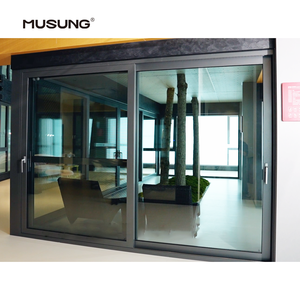
- Anti-Lift Blocks: In sliding window and patio door systems, interlockers are fitted with continuous aluminum or stainless steel anti-lift blocks that block vertical displacement of the sash from its stainless steel track.
- Anti-Drill Lock Cylinders & Gearboxes: Lock gearboxes incorporate hardened manganese steel plates that resist drilling attempts targeted at neutralizing the central locking mechanism.
3. High-Security Laminated & Insulated Glazing Technologies
Glass represents the largest surface area of any fenestration unit. Standard single pane or basic annealed double glazing can be easily shattered within seconds. To achieve genuine forced-entry resistance, factories engineer multi-layer laminated security glass units (IGUs) utilizing specialized interlayers.
PVB Laminated Glass
Utilizes multi-layer Polyvinyl Butyral (PVB) films (0.76mm to 1.52mm thickness) sandwiched between tempered glass sheets. Holds glass fragments intact upon heavy blunt impact, delaying entry.
SGP Structural Interlayers
SentryGlas® (SGP) ionoplast interlayers are 5 times tougher and up to 100 times stiffer than traditional PVB. Even if both glass panes break, the SGP sheet remains standing upright, resisting axe and sledgehammer blows.
Internal Security Glazing Beads
Traditional windows position glass beads on the exterior, allowing burglars to remove the glass panel quietly. Security windows strictly feature internal snap-in glass beads with structural silicone bonding.
Global Procurement & Future Market Trends (2025–2030)
Key Developments Shaping Commercial and Luxury Residential Security Fenestration
As global real estate markets place higher premiums on occupant safety, resilience, and energy conservation, the international procurement landscape for aluminium windows and doors is experiencing structural shifts. Importers, project developers, and architectural firms must align their supply chains with four major industrial trends over the coming decade:
1. Convergence of High Intrusion Resistance (RC3) and Passive House Thermal Performance
Historically, building specifiers were forced to compromise between structural security and extreme thermal performance. Heavy steel reinforcements often created thermal bridges, increasing thermal conductivity. Future-ready manufacturing solves this challenge by integrating engineered polyamide thermal barriers infused with aerogel insulation alongside high-tensile 6063-T6 alloy profiles. B2B buyers now demand single fenestration units capable of achieving U-factors below 0.80 W/m²K (Uw) while simultaneously maintaining DIN EN 1627 RC3 physical attack resistance.
2. Seamless IoT Smart Lock & Concealed Sensor Integration
The global rise of smart commercial and residential developments has driven demand for factory-installed electronic security components. Leading original equipment manufacturers (OEMs) now embed magnetic reed contact switches, glass-break vibration sensors, and motorized multi-point locking gearboxes directly inside the internal aluminum sash frame during assembly. These concealed components connect seamlessly with building management systems (BMS) and smart home automation platforms via Zigbee, Z-Wave, or hardwired RS485 protocols without disrupting clean architectural sightlines.
3. Minimalist Ultra-Slim Sightlines with Heavy Payload Capacity
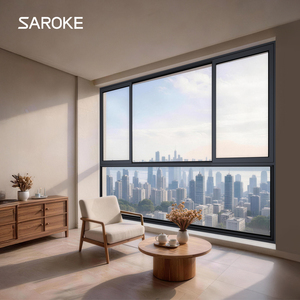
Architectural preferences lean heavily toward floor-to-ceiling glass expanses, narrow frame profiles, and flush threshold transitions. However, supporting massive triple-glazed laminated glass panels (often weighing upwards of 250kg per sash) requires elevated engineering precision. Future procurement favors factories equipped with modern CNC machining capabilities capable of manufacturing narrow-frame sliding and casement systems that hide structural mullions while maintaining anti-pry security profiles.
4. Sustainable Extrusion & Low-Carbon Aluminium Certification
Environmental standards such as LEED, BREEAM, and EU Green Deal directives require complete material traceability. Top-tier aluminium window factories are shifting toward primary recycled content (using up to 75% post-consumer scrap aluminium) and hydropower-smelted low-carbon primary ingots. Direct OEM suppliers providing Environmental Product Declarations (EPDs) and ISO 14064 Carbon Footprint Certifications gain significant competitive edges in international project bidding.
Technical Performance Comparison Matrix
Standard vs. Heavy-Duty vs. High-Security Hurricane Impact Windows
| Performance Specification | Standard Commercial Window | Heavy-Duty Thermal Window | Architectural Burglar Security Window |
|---|---|---|---|
| Profile Alloy & Temper | 6063-T5 Aluminium | 6063-T5 / T6 Alloy | High-Tensile 6063-T6 Architectural Alloy |
| Nominal Profile Wall Thickness | 1.2mm – 1.4mm | 1.4mm – 1.8mm | 1.8mm – 3.0mm Structural Reinforcement |
| EN 1627 Resistance Class | Unrated / Basic Latch | RC1N / RC2 Rating | RC2 / RC3 / RC4 Certified Forced Entry Protection |
| Locking Points & Hardware | Single Latch / 2-Point Lock | 3-Point Perimeter Lock | 5 to 9-Point Anti-Pry Mushroom Shootbolt Gearbox |
| Glazing Specification | 5mm + 12A + 5mm Tempered | 6mm + 12A + 6mm Low-E | 6mm Tempered + 1.52mm SGP/PVB + 6mm Security IGU |
| Glazing Bead Position | Exterior / Interior Snap-in | Interior Snap-in | Internal Double Security Bead with Structural Bonding |
| Wind Load Pressure Resistance | 1.5 – 2.5 kPa | 3.0 – 4.5 kPa | > 5.5 kPa (E1500 / ASTM E1300 Compliant) |
| Thermal Transmittance (Uw) | 2.8 – 3.5 W/m²K | 1.4 – 1.8 W/m²K | 0.8 – 1.2 W/m²K (Aerogel PA66 Strip Option) |
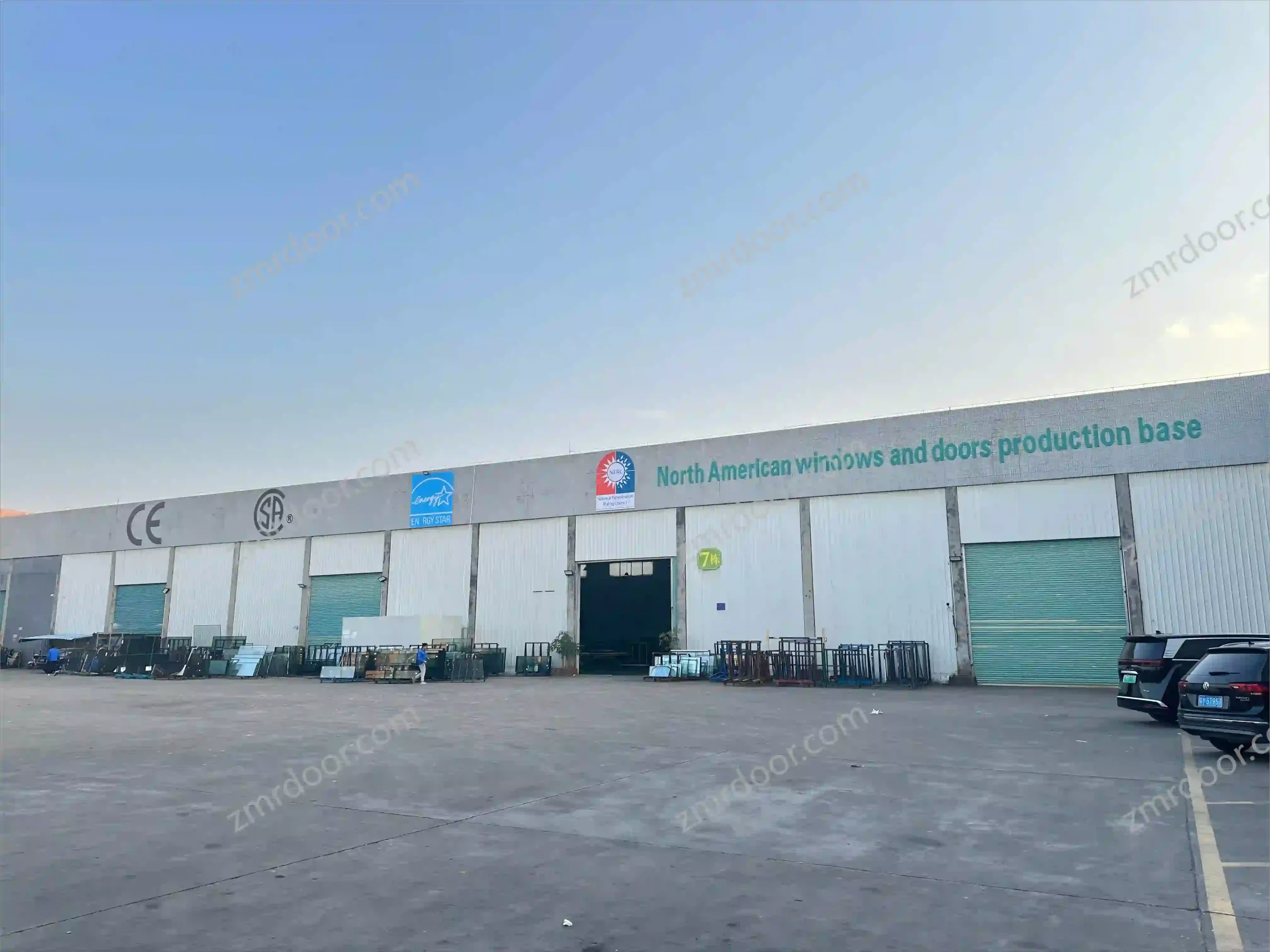
Why Partner with Our Foshan Manufacturing Facility?
Factory-Direct Precision Engineering, Full Quality Assurance & Global Logistics Support
Foshan Industrial Cluster Hub
Situated in Nanhai District, Foshan—the epicenter of global architectural aluminum extrusion—giving us direct access to top-tier raw materials, anodizing lines, and hardware manufacturers.
Custom CNC Machining & CAD Support
Our in-house technical team converts complex architectural blueprints into detailed 2D/3D shop drawings, ensuring zero dimensional discrepancies prior to raw profile extrusion and cutting.
100% Factory Pre-Assembly QC
Every customized order undergoes complete pre-shipment assembly, corner crimping validation, seal alignment checks, and hardware smooth-operation testing before protective packaging.
Heavy-Duty Export Crating
Finished windows and doors are wrapped in multi-layer protective film, fitted with impact-resistant corner guards, and loaded into reinforced non-fumigation plywood crates labeled by opening schedule.
Frequently Asked Questions (B2B Procurement)
Essential Details for Importers, Project Developers, and Wholesale Distributors
What is the minimum order quantity (MOQ) for custom security windows?
Because every fenestration unit is manufactured to precise architectural project dimensions, we accept single-villa project orders as well as full container loads (20GP/40HQ) for wholesale distributors. Shipping economics generally favor consolidating complete building packages into container loads to minimize freight overhead.
How do your aluminium security windows achieve certified RC2 / RC3 forced-entry protection?
Our RC2 and RC3 rated systems combine high-tensile 6063-T6 alloy profiles (minimum wall thickness 1.8mm–2.0mm), multi-point perimeter mushroom shootbolt locks, internal glass bead locking, and SGP/PVB laminated security glass. All hardware is anchored directly into internal steel reinforcement channels within the frame cavity.
Can you produce customized finishes matching localized architectural color palettes?
Yes. We offer direct factory surface finishing including Qualicoat-certified architectural powder coating (RAL spectrum), anodizing (silver, bronze, champagne, black), fluorocarbon PVDF coating for severe coastal marine environments, and realistic wood-grain heat-transfer technology.
What hardware brands are available for installation on OEM production lines?
We work with world-renowned European hardware manufacturers such as Siegenia, G-U, Hoppe, Roto, and Sobinco, as well as premium tier-1 domestic security hardware brands (e.g., KIN LONG, HOPO). B2B clients can specify their preferred hardware brand during shop drawing approval.
How does your engineering team ensure local building code compliance for international exports?
Prior to manufacturing, buyers provide local performance requirements (e.g., Florida Product Approval for hurricane impact, Australian AS2047, European CE EN 14351-1, or NFRC thermal ratings). Our structural engineers analyze wind load requirements, water penetration thresholds, and safety glazing standards to modify profile series and glass build-ups accordingly.
Ready to Secure Your Architectural Project?
Contact our structural engineering team today for technical consultations, shop drawing reviews, profile samples, and direct factory price quotes.