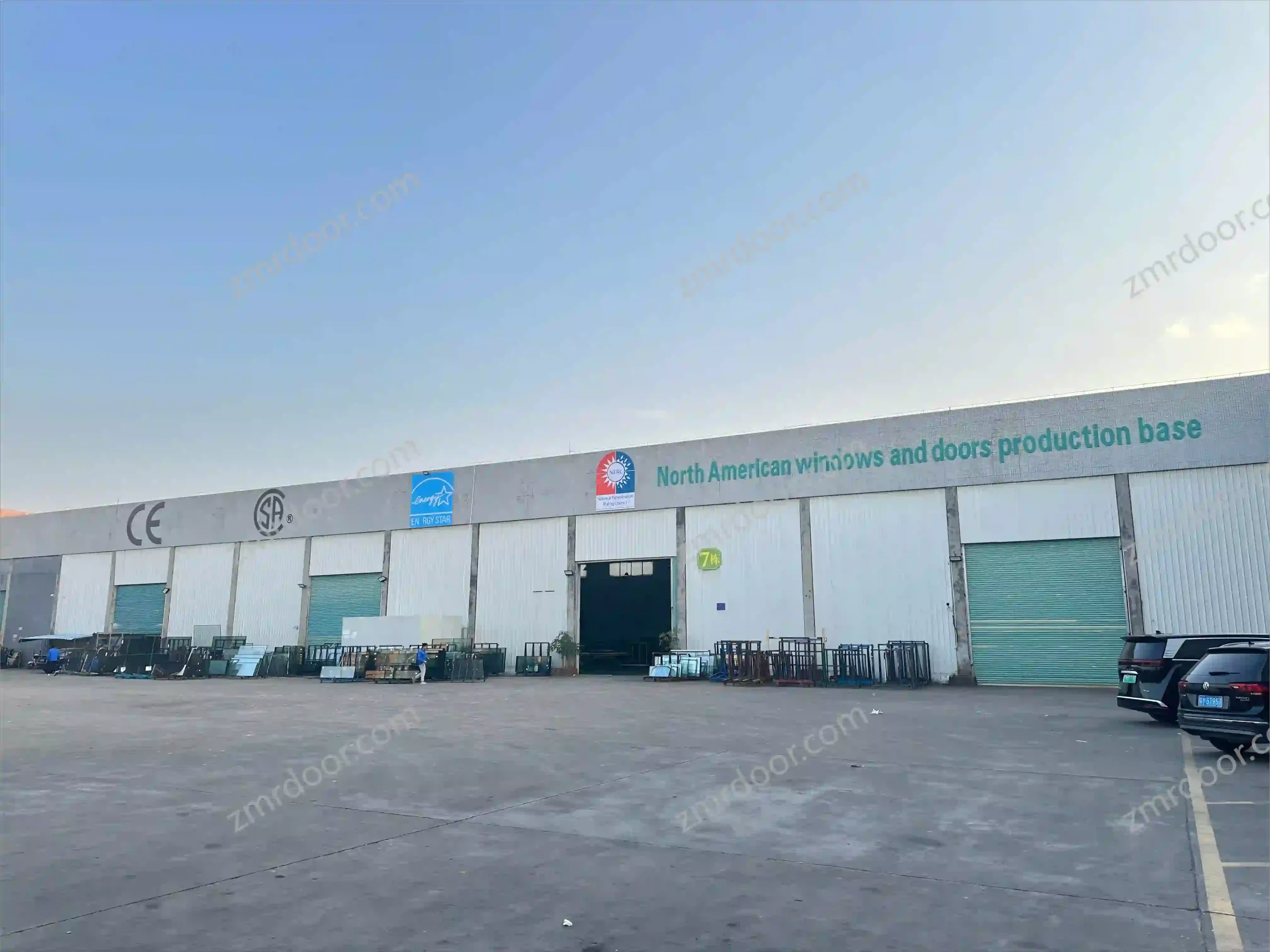
Featured China Commercial Aluminum Doors & Storefront Systems
Direct factory products audited for global structural compliance, wind-load resistance, thermal performance, and architectural longevity.
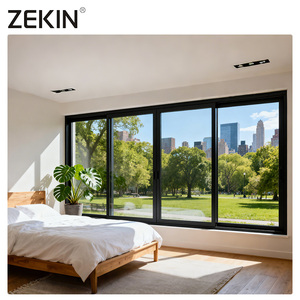
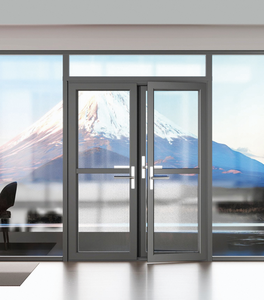
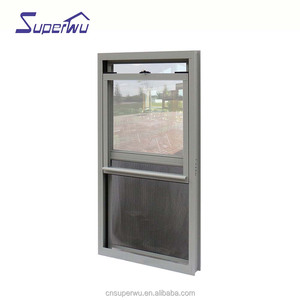
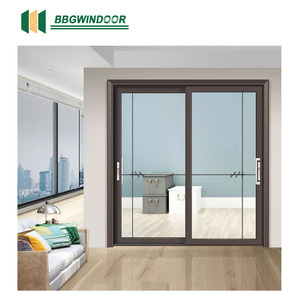
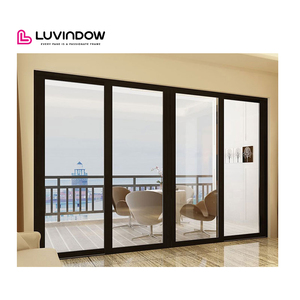
Navigating Top China Aluminum Shop Door Factories: Engineering Specifications & Vendor Audit Guide
Selecting premier aluminum shop door factories in China requires navigating a sophisticated landscape of metallurgical alloys, precision thermal barrier technologies, surface treatment chemistry, and strict structural engineering benchmarks. As global commercial architects, general contractors, and fenestration dealers look to optimize supply chains without compromising structural integrity, understanding the technical fundamentals of Chinese architectural aluminum manufacturing becomes paramount.
The global demand for high-durability, energy-efficient aluminum storefront doors and entrance systems has shifted procurement strategies toward fully integrated OEM/ODM manufacturing hubs—primarily centralized in Foshan, Guangdong Province. This comprehensive procurement manual outlines structural specifications, compliance testing frameworks, thermal performance metrics, and actionable factory evaluation protocols.
1. Metallurgy & Extrusion Alloys: 6063-T5 vs. 6063-T6 Architectural Standards
The foundation of any high-traffic shopfront entrance or commercial glass door lies in the architectural aluminum alloy grade. Top-tier Chinese manufacturers exclusively utilize prime billet aluminum, avoiding recycled scrap materials that induce microscopic impurities and micro-cracking during deep anodizing or high-wind deflection stress.
For standard architectural shopfront framing, 6063-T5 aluminum provides an optimal balance of structural strength, tensile capacity, and pristine surface finish for powder coating. However, heavy-duty commercial swing doors, automatic sliding storefronts, and hurricane-impact entrance systems demand 6063-T6 or 6061-T6 alloy profiles. The T6 artificial aging process increases yield strength up to 210 MPa (30,500 psi), ensuring that frame structural sightlines remain exceptionally slim while supporting large insulated glass panels without frame sag or structural creep under continuous operation cycles.
Wall Thickness Standards
Commercial entrance doors require a structural profile wall thickness between 2.0mm to 3.0mm, exceeding standard residential window profiles (1.4mm) to handle heavy commercial traffic and mechanical door-closer stress.
Thermal Barrier Polymer
Leading factories employ Polyamide PA66 GF25 (25% Glass Fiber Reinforced) thermal breaks rather than cheap PVC inserts. PA66 matches the thermal expansion coefficient of aluminum, preventing joint separation under extreme temperature deltas.
Surface Fluorocarbon (PVDF)
For coastal store entrances exposed to salt spray and high UV radiation, leading China suppliers apply 3-coat Kynar 500 / Hylar 5000 PVDF coatings delivering 20+ years of color retention matching AAMA 2605 requirements.
2. Thermal Transmittance & Glazing Performance Parameters
Modern commercial shopfronts are key contributors to building energy envelope efficiency. Leading Chinese manufacturers engineer thermal break profiles with structural polyamides that eliminate conductive heat loss across exterior and interior extrusions. Combined with advanced Insulated Glass Units (IGU), these store door assemblies lower global energy consumption in retail and commercial real estate projects.
| Performance Metric | Standard Non-Thermal Shop Door | High-Performance Thermal Break Shop Door | Testing Standard / Benchmark |
|---|---|---|---|
| U-Factor (Thermal Transmittance) | > 5.0 W/m²K (0.88 BTU/h·ft²·°F) | 1.4 – 2.2 W/m²K (0.24 – 0.38 BTU/h·ft²·°F) | ISO 10077-2 / NFRC 100 |
| Air Infiltration Rate | 1.5 m³/h·m | < 0.5 m³/h·m (A3 Level tight seal) | ASTM E283 / EN 12207 |
| Water Penetration Resistance | 250 Pa (5.2 psf) | 600 Pa – 1000 Pa (12.5 psf – 20.8 psf) | ASTM E331 / EN 12208 |
| Structural Wind Load Deflection | 1500 Pa (31.3 psf) | Up to 4500 Pa (94.0 psf) Hurricane Class | ASTM E330 / AS 2047 |
| Acoustic Isolation (STC / Rw) | STC 28 - 32 dB | STC 38 - 45 dB (Laminated IGU + Argon) | ASTM E90 / ISO 140-3 |
3. Enterprise Manufacturing Advantage: Why Foshan Leads the Global Market
China's architectural aluminum domain is anchored in Foshan, Guangdong Province. Sourcing directly from an established Foshan OEM factory like VELTOR Window & Door Co., Ltd. grants international procurement directors strategic supply chain advantages that standalone trading houses or regional workshops cannot replicate:
- Vertical Integration under One Roof: Premium Foshan factories handle architectural drawing review, precision CNC profile routing, corner crimping, double-glazed glass unit synthesis, hardware integration, and multi-tier dry assembly testing without outsourcing core steps.
- Hardware Engineering Versatility: Direct access to tier-one global and domestic commercial hardware platforms including German Dormakaba, Hoppe, Siegenia, Roto, and customized heavy-duty continuous hinges designed for high-traffic shop doors exceeding 300kg panel weights.
- Export-Ready Structural Packaging: Standardized export logistics utilize fully enclosed reinforced plywood crates, foam profile wrappings, anti-scratch protective film, and precise shop-drawing code labels on each panel to ensure rapid installation on site.
Future Sourcing Trends & Technology Roadmap: Commercial Shop Doors
Architectural fenestration design is rapidly evolving toward micro-sightlines, smart automation, and decarbonized materials.
1. Ultra-Narrow Interlock Sightlines
Retail design favors structural glass visibility. Modern shop door trends incorporate hidden frames with vertical interlock sightlines as narrow as 18mm to 25mm, providing maximal clear glass surface area for store display visibility.
2. Biometric & Smart Automation
Commercial doors are migrating toward integrated motorization. Factory-installed magnetic levitation drive systems, facial recognition access control, and smart glass tinting (PDLC Switchable Film) are standardizing across high-end commercial projects.
3. Decarbonization & Embodied Carbon
International environmental certifications (LEED, BREEAM) now mandate Environmental Product Declarations (EPDs). Leading China extruders utilize green hydro-powered aluminum billets to significantly lower embodied carbon metrics per unit.
Standardized OEM Manufacturing & Project Execution Workflow
How top China aluminum door factories convert architectural schedules into precision delivered units.
CAD & CAD/CAM Drawing Review
Architectural plans are verified for structural deflection and wind loads.
Precision CNC Milling
Extrusions are cut with digital precision on double-head saws.
Corner Crimping & Sealing
Corners are mechanically jointed and sealed with structural polyurethane adhesive.
IGU Glazing & Dry Fit
Insulated glass units are installed and factory tested for operational clearance.
Crating & Export Loading
Reinforced plywood crating with opening labels for seamless site installation.
Frequently Asked Sourcing & Technical Questions (FAQ)
Because custom architectural shop doors are built to project specifications, top factories support project-based orders rather than strict piece MOQs. While container consolidation (20GP/40HQ) yields the best shipping economics, reputable suppliers accept single-project commercial store orders by consolidating shipment logistics.
Request certified third-party laboratory test reports before placing orders. For North America, verify NFRC thermal ratings and AAMA structural testing. For Australia, check AS 2047 fenestration compliance. For European contracts, ensure CE marking with EN 14351-1 certification and SGCC safety glass verification.
Commercial store entrances subjected to frequent opening cycles, door-closer tension, and public foot traffic require a minimum profile wall thickness of 2.0mm to 3.0mm. Residential profiles (1.4mm) should never be used in commercial shopfront applications due to structural fatigue risks.
For coastal commercial sites, specify Fluorocarbon PVDF coating (such as 3-coat Kynar 500) or high-micron hard anodizing (> 25 microns). PVDF coatings provide superior resistance to salt atmospheric corrosion, color fading, and chalking matching AAMA 2605 specifications.
Export packaging involves multi-layer protection: aluminum extrusions are wrapped in protective anti-scratch film, corner plastic guards protect frame edges, and finished assemblies are loaded into fully enclosed, fumigation-free wooden or steel-frame crates equipped with shock-absorbing foam spacers.
Have an Architectural Elevation or Storefront Schedule?
Connect directly with our engineering team for technical shop drawing development, structural wind-load calculation, and competitive factory-direct pricing.