Precision-Engineered Aluminum Window & Door Series
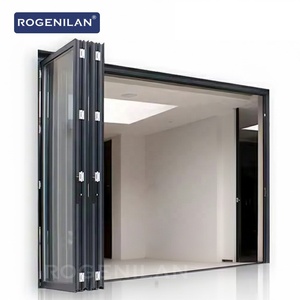
Manufactured in Foshan, China to meet international building standards (CE, NFRC, AS2047). Explore our heavy-duty casement, sliding, bi-fold, and French door systems.
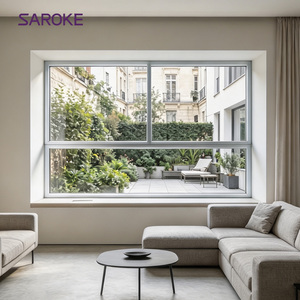
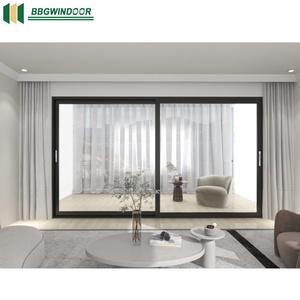
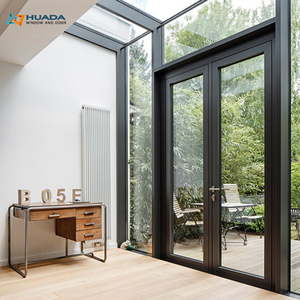
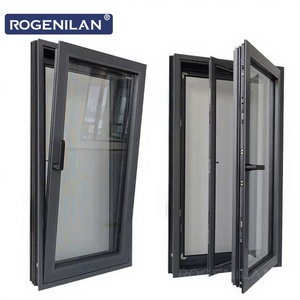
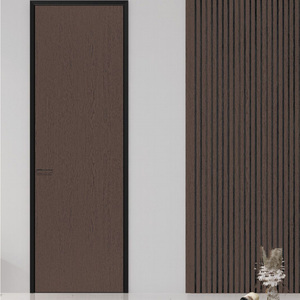
Engineering Excellence in Chinese Architectural Aluminum Fenestration
An in-depth structural analysis of premium thermal-break French windows, extrusion alloy selection, and structural performance parameters for global real estate importers.
1. Metallurgical Profiles & Structural Rigidity
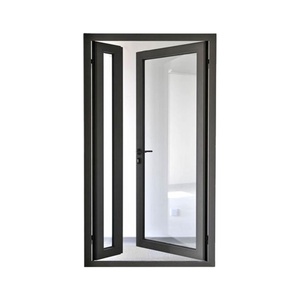
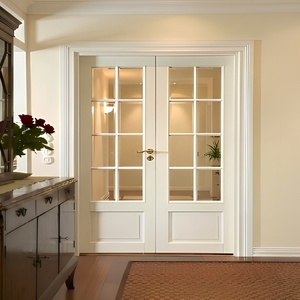
As a tier-one China Aluminum French Windows Manufacturer, production starts at the molecular level. High-grade architectural fenestration requires precise alloy formulation. Premium French windows utilize primary 6063-T5 or 6063-T6 aluminum extrusions, yielding a tensile strength exceeding 205 MPa and yield strength above 170 MPa. Unlike recycled scrap profiles that exhibit micro-fractures during high wind-load stress, primary aluminum extrusions ensure exceptional structural integrity for high-rise facades, hurricane-prone coastal regions, and expansive luxury residential openings.
Structural profile wall thickness is engineered strictly within 1.8mm to 3.0mm, adhering to and exceeding the international AS2047 and North American AAMA/WDMA standards. This structural rigidity allows for ultra-slim frame profiles without compromising glass load capacity, supporting multi-layered insulated units (IGUs) weighing upwards of 120kg per sash.
2. Thermal Barrier Dynamics: Polyamide vs. PVC Strips
The core energy efficiency of a modern aluminum French window relies on its thermal break design. Traditional non-thermal aluminum frames exhibit high heat conductivity (approx. 200 W/m·K). To counteract thermal bridging, our engineering team embeds Polyamide PA66-GF25 (25% Glass Fiber Reinforced) thermal insulation strips.
Polyamide strips maintain an identical coefficient of thermal expansion as aluminum alloys ($2.3 \times 10^{-5} / \text{K}$), preventing delamination, air leakage, or frame warping across dynamic temperature swings ranging from -40°C to +80°C. In contrast, low-cost manufacturers using uPVC thermal strips run the risk of thermal shear failure due to incompatible expansion rates under solar heat gain.
| Performance Spec | Commercial Grade Standard | Veltor Premium Architectural French System | Engineering Benefit |
|---|---|---|---|
| Alloy Composition | Recycled 6063-T5 (≤ 1.4mm) | Primary Virgin 6063-T6 (1.8mm - 2.5mm) | Zero structural fatigue, high wind-load resistance |
| Thermal Strip Material | Standard PVC / Polyvinyl | Technoform PA66-GF25 Polyamide | Superior thermal break, U-value reduction up to 45% |
| Glazing Seal Matrix | Standard Rubber / Silicone Sealant | Triple EPDM Continuous Weatherstripping | Hermetic sealing against water penetration & sound |
| Hardware System | Generic Zinc Alloy Hinges | German Siegenia / Hoppe / Sobinco Multi-Point | Burglar resistance (RC2/RC3 grade), 100,000+ cycle test |
| Surface Coating | Basic Powder Coating (< 40μm) | AkzoNobel PVDF Fluorocarbon (≥ 60μm) | 30-Year UV anti-fading, C5-M coastal anti-corrosion |
Future Procurement Trends for Aluminum French Windows & Doors
Key industry shifts driving global architectural specifications over the next decade.
1. Ultra-Slim Sightline Minimalist Architecture
Global architectural preference is shifting toward maximal glass ratios. Future procurement demands hidden frames, concealed hinges, and ultra-narrow sash face widths (≤ 45mm). Importers are sourcing custom aluminum French window systems capable of supporting heavy structural triple glazing while retaining invisible frame aesthetics.
2. Zero-Carbon & Passive House Compliance
With global energy codes tightening (such as EU NZEB standards and US Title 24), project dealers are seeking suppliers providing thermal-break profiles with multi-cavity insulation foam fillers (AEROGEL or PUR inserts). Overall window U-factors below 0.8 W/m²·K are becoming standard requirement in procurement tenders.
3. Integrated Smart Automation & Electronic Locking
Future French window assemblies are evolving beyond manual operation. Commercial and luxury residential developments specify hidden motorized actuators integrated with Smart Home Building Management Systems (BMS), including automated rain sensors, motorized tilt-and-turn mechanics, and biometric access controls.
Technological Innovations in Modern Fenestration
Next-generation manufacturing techniques transforming thermal, acoustic, and surface resistance capabilities.
Advanced Surface Nanotechnology
Modern coastal and severe urban projects require advanced surface treatments. High-durability PVDF (Polyvinylidene Fluoride) 3-coat fluorocarbon coatings and electro-phoretic anodizing technologies provide resistance to salt spray corrosion up to 3,000 hours under ASTM B117 testing standards.
Multi-Chamber Sound Isolation Technology
Acoustic dampening is achieved through asymmetrical glass unit builds (e.g., 6mm Low-E + 12Ar + 4mm + 1.14PVB + 4mm laminated glass) combined with triple-sealed continuous EPDM rubber gaskets. This mitigates low-frequency traffic noise, reaching STC ratings over 45 dB.
Integrated High-Transparency Fly Screen Systems
Modern French casement windows incorporate integrated 304 stainless steel security mesh or invisible high-transparency insect screens. The sash features dual-function gear handles that allow smooth tilt-turn micro-ventilation while maintaining burglar protection.
Why Partner with Veltor Window & Door Co., Ltd.
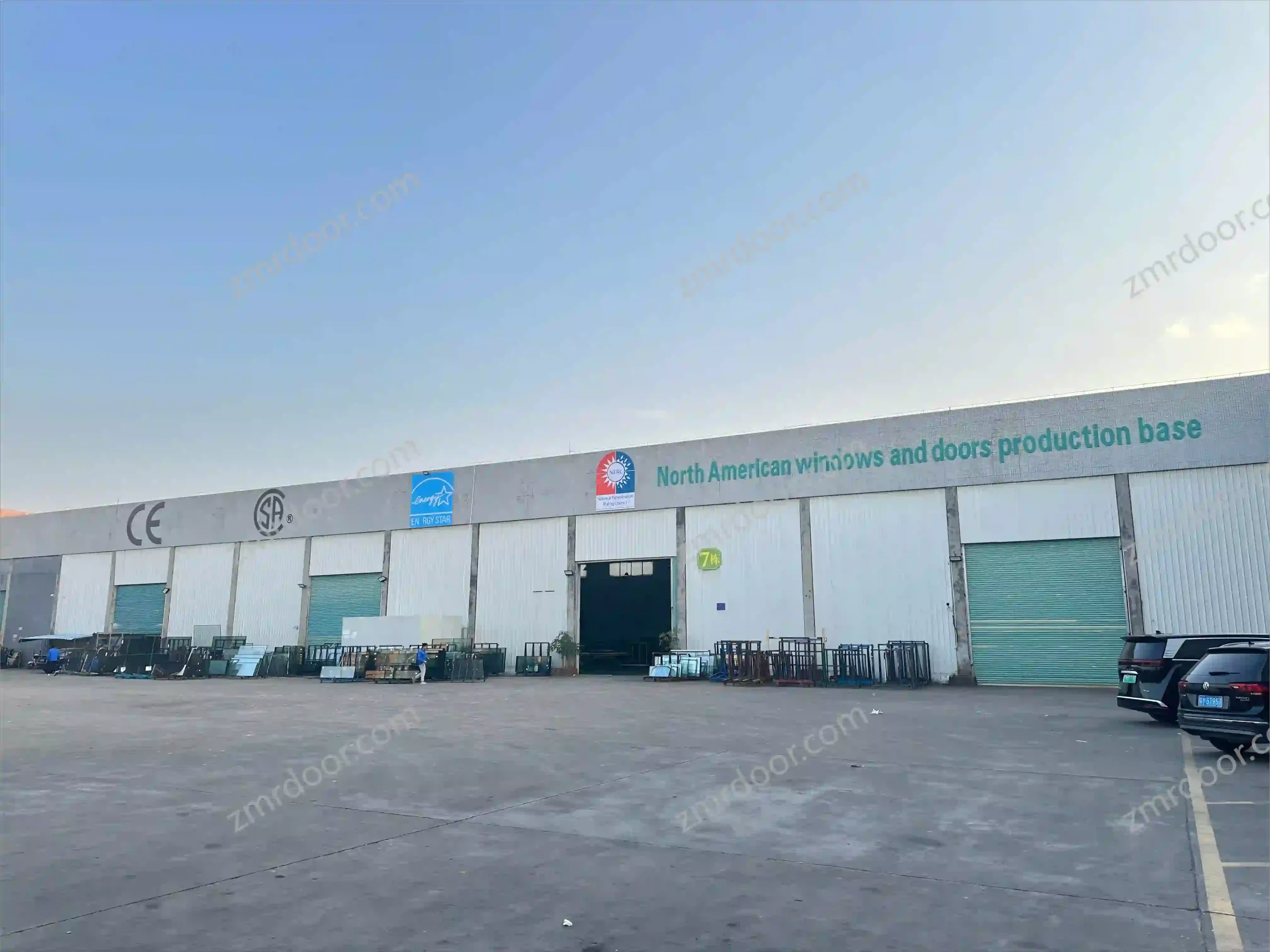
Based in Shishan Town, Nanhai District, Foshan City—the world's capital of architectural aluminum extrusion—VELTOR operates as a direct manufacturer providing comprehensive commercial support for global importers.
Foshan Industrial Cluster Synergies
Our strategic factory position grants direct access to China's highest quality profile extruders, glass float processors, and anodizing lines. This localized supply chain reduces raw material lead times and ensures competitive factory-direct pricing for high-volume orders.
100% Pre-Shipment Quality Control
Every fenestration unit undergoes rigorous multi-point inspection prior to crating: dimensional accuracy checks, corner crimping pull-tests, hardware torque testing, air/water tightness chamber testing, and glass seal integrity verification. Photo/video reports are generated for buyer sign-off.
Heavy-Duty Export Wooden Crating
To eliminate maritime damage, all window units are wrapped in protective anti-scratch film, corner-guarded, separated by shock-absorbing foam pads, and packed in fumigated plywood crates. Each crate is labeled with opening tags corresponding to your architectural elevation drawings for easy site sorting.
Frequently Asked Questions for B2B Window Importers
Expert technical and commercial answers to streamline your international sourcing experience.
Because every window and door unit is built to custom architectural shop drawings, VELTOR does not enforce rigid container-only MOQs. We support single luxury villa projects (as low as 30-50 sq.m) as well as full multi-container commercial shipments. For smaller orders, we consolidate shipping to optimize ocean freight costs for the buyer.
Our thermal-break systems feature multi-chamber PA66-GF25 polyamide insulation strips paired with double or triple Low-E insulated glass filled with 90%+ Argon gas. Combined with triple continuous EPDM seals, our systems reach overall U-factors down to 0.8 W/m²·K, preventing condensation, frost formation, and heat loss in cold northern climates, while blocking solar heat gain (low SHGC) in tropical regions.
Yes. We routinely manufacture systems engineered to pass specific regional standards, including North American NFRC/AAMA ratings, European CE / EN 14351 certifications, Australian AS2047 / AS1288 wind and water testing, and SGCC safety glazing specifications. Technical documentation, calculation sheets, and test reports are made available for project approval before production.
The process follows 5 structured steps: 1) Submission of architectural elevation drawings or window schedules; 2) Engineering proposal and profile series recommendation; 3) Issuance of detailed 2D/3D shop drawings for buyer approval; 4) CNC precision manufacturing and 100% pre-shipment QC inspection; 5) Export crating, container loading, and customs documentation support.
We partner with premier hardware manufacturers. Importers can select from top-tier European hardware systems such as German Siegenia, Hoppe, Sobinco, and Giesse, or high-performance Chinese tier-one hardware brands (KMC, COTO, Kin Long). All multi-point locking systems undergo 100,000-cycle operation testing to guarantee structural security and smooth operation.
Standard lead times range from 25 to 35 calendar days following the final sign-off of shop drawings and deposit receipt. Special custom powder coat colors, anodized finishes, or specialty high-performance laminated glass units may require an additional 5-7 days. A fixed production timeline is issued with every formal contract.
Ready to Engineer Your Window Project with China's Top Manufacturer?
Send us your window schedule, elevation drawings, or project specifications. Our dedicated structural engineers will provide detailed shop drawings, thermal calculations, and competitive factory-direct pricing within 24 hours.
Inquire Now