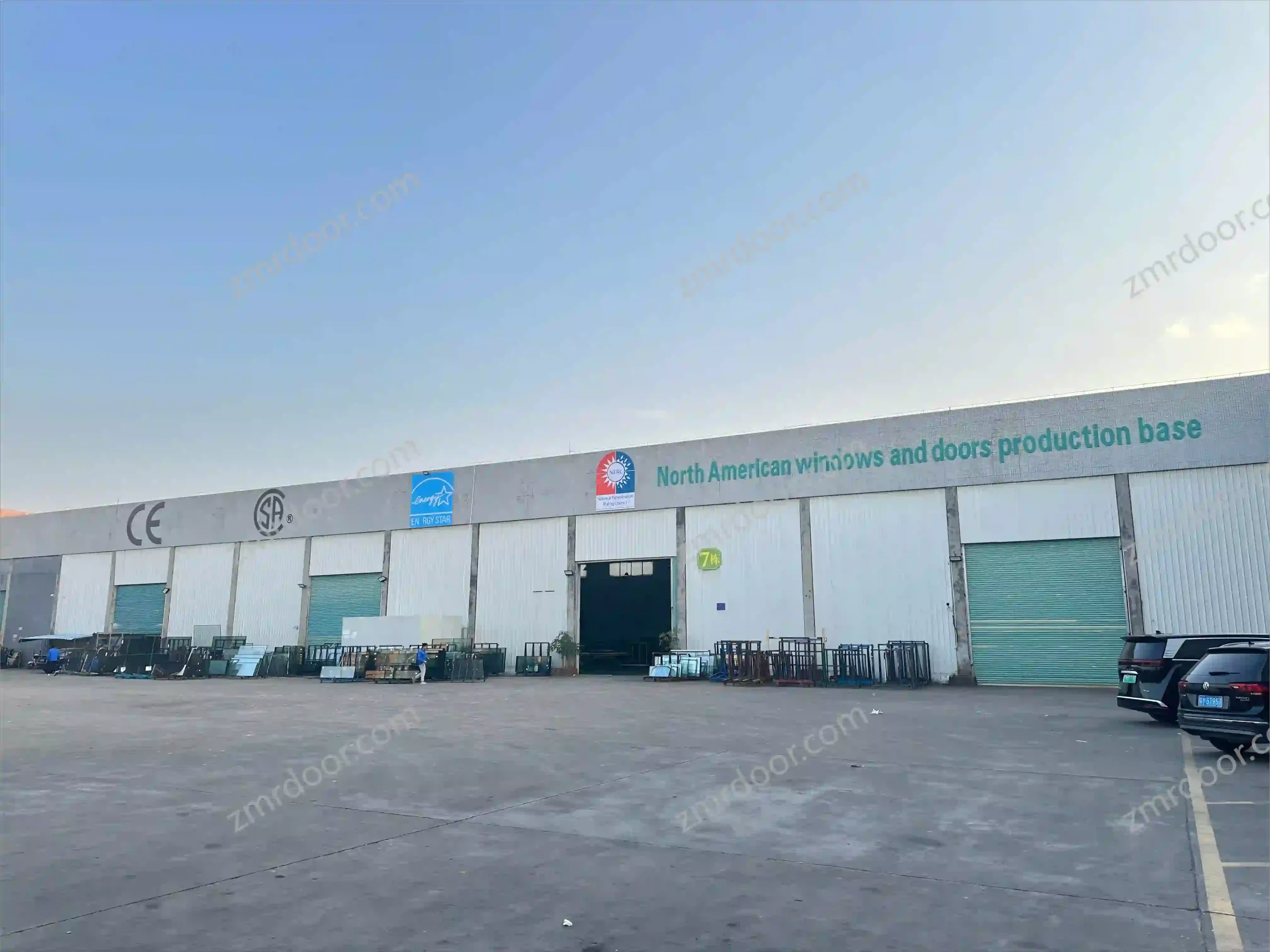
Featured Aluminum Windows & Fenestration Solutions
Manufactured to rigorous international standards (AS2047, NFRC, CE, SGCC) with precision thermal break engineering and architectural-grade anodized or powder-coated finishes.
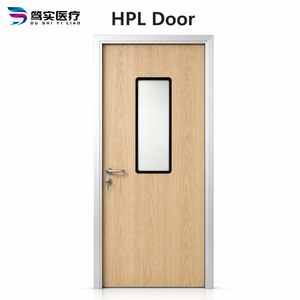
Commercial HPL Swing Door Waterproof Fire Resistant Antibacterial Door With Aluminum Honeycomb Core
Glass Cabinet Door Air Smart 4Mm Tempered Glass Aluminum Frame Picture Windows For Office And Display Furniture
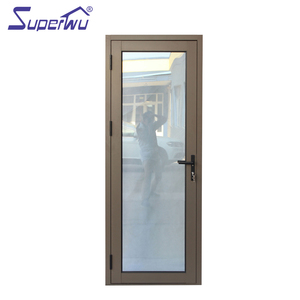
Aluminium Profile New Design NOA Code Security Door Unbreakable Glass Hinge Door With Grill
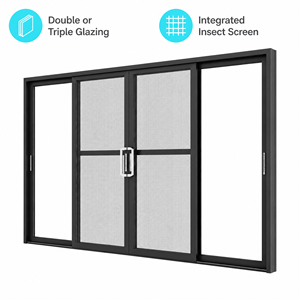
Custom Aluminum Sliding Partition Door With Built in Fly Screen Double Glazed for Balcony Bedroom Villa Residence
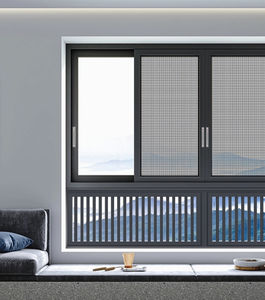
Modern Horizontal Thermal Break Aluminum Sliding Window Integrated Screen Smooth Silent Track Tempered Glass Quiet Home Balcony
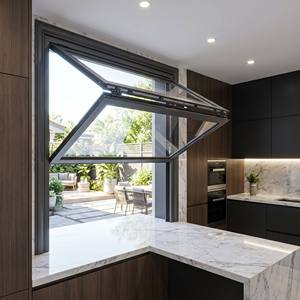
Push Pull Manual Vertical Foldable Aluminum Soundproof Modern Sliding Window for Commercial Shop Store Frontage
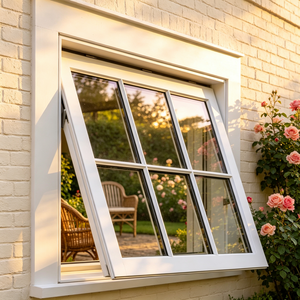
Window Aluminum Glass Slim Bevel Top Hung Modern Facade Anthracite Powder Coated Frame Windows
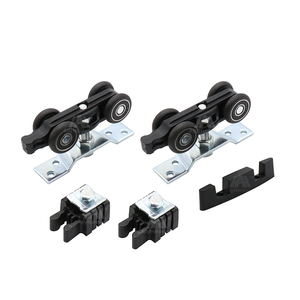
4-wheel Aluminum Alloy Wardrobe Sliding Door System with Nylon Wheels and Roller Modern Design for Garage Door & Bathroom
Executive Overview: Strategic Sourcing of China Aluminum Fixed Glass Windows
In modern architectural engineering and high-rise commercial envelope design, aluminum fixed glass windows—frequently designated as picture windows or structural glazing fixed vision panels—serve as the cornerstone for achieving maximum daylighting, panoramic aesthetic continuity, and superior thermal efficiency. Because fixed windows eliminate operable sashes, mechanical hinges, and moving tracks, they offer the tightest structural envelope against air infiltration, water penetration, and wind load deflection.
China, and specifically the Nanhai District in Foshan, Guangdong, has evolved into the global epicenter for precision aluminum extrusion, high-performance powder coating, and specialized insulated glass unit (IGU) fabrication. B2B buyers, general contractors, commercial facade developers, and fenestration importers sourcing from top Chinese manufacturers gain access to advanced engineering capabilities at unparalleled economies of scale. However, navigating the vendor selection landscape requires a deep technical understanding of thermal break dynamics, structural silicon structural glazing (SSG), glass compliance certifications, and export quality control protocols.
Anatomy of High-Performance Aluminum Fixed Picture Windows
A commercial-grade fixed window system is far more than a sheet of glass mounted inside a metal frame. To withstand severe weather events, extreme temperature differentials, and structural building movements, top-tier Chinese manufacturers engineer fixed fenestration using multi-chambered thermal profiles:
- Extrusion Metallurgy: High-grade primary aluminum billet (6063-T5 or heat-treated 6063-T6) providing structural yield strengths exceeding 170 MPa and tensile strengths up to 205 MPa. Frame wall thicknesses typically range from 1.4mm for residential applications up to 3.0mm+ for high-wind commercial storefronts.
- Polyamide Thermal Breaks (PA66-GF25): To interrupt aluminum's natural high thermal conductivity, precision Technoform or equivalent 25% glass-fiber reinforced polyamide strips bridge the inner and outer aluminum extrusions, preventing condensation and reducing heat transfer.
- Advanced Double/Triple Glazing IGUs: Low-Emissivity (Low-E) soft-coat glass combinations configured with warm-edge spacers (TPS or stainless steel) and 90%+ Argon gas fill, yielding overall window thermal U-factors down to 1.1 - 0.8 W/m²K (0.19 - 0.14 BTU/h·ft²·°F).
- Continuous Dual-Duct EPDM Gaskets: Synthetic ethylene propylene diene monomer rubber gaskets ensure long-term compression seal stability, resisting UV degradation, ozone cracking, and thermal cycling between -40°C and +120°C.
Technological & Development Trends in Fixed Glazing
The global fenestration market is undergoing a rapid paradigm shift toward ultra-low energy consumption, minimalist visual profiles, and intelligent building envelope integration.
Ultra-Slim Sightlines & Structural Glazing
Architects increasingly demand minimal frame visibility. Modern Chinese factories now offer structurally glazed fixed windows with visible face widths under 20mm, utilizing structural silicone structural bonding (SSG) that seamlessly integrates glass directly into concealed aluminum framing.
Vacuum Insulated Glass (VIG) Integration
Next-generation fixed picture windows are adopting Hybrid VIG units. By creating an ultra-thin high-vacuum gap (0.2mm) between glass panes, manufacturers achieve thermal resistance values comparable to solid masonry walls (U-values below 0.6 W/m²K) without increasing frame depth.
BIPV & Electrochromic Dynamic Tinting
Building-Integrated Photovoltaics (BIPV) are transforming fixed architectural spandrel panels and vision windows into energy generators. Paired with electrochromic dynamic glass, windows automatically adjust solar heat gain coefficient (SHGC) based on real-time sunlight intensity.
Future Procurement Trends for Global B2B Importers
As commercial building codes globally mandate stringent decarbonization goals (such as the EU Energy Performance of Buildings Directive and California Title 24), purchasing strategies among window importers, dealers, and project developers are shifting from initial material cost minimization to lifecycle performance, carbon auditability, and direct digital engineering integration.
1. Digital BIM Collaboration & Custom Shop Drawing Workflows
Top-tier Chinese exporters no longer rely on simple static dimension sheets. Sourcing partnerships now operate around direct Building Information Modeling (BIM) integration. Leading factories in Foshan employ specialized engineering design departments proficient in AutoCAD, Revit, and Rhino. They generate comprehensive 3D shop drawings, thermal simulation reports (LBNL THERM & WINDOW software), and structural wind-load calculation packages for local architectural sign-off prior to profile cutting.
2. Stringent Certification Alignment & International Code Compliance
Global procurement teams demand full verification of regional performance benchmarks before issuing letters of credit or placing deposits. When selecting a Chinese aluminum fixed window manufacturer, verify compliance with the following regional frameworks:
| Target Market | Required Certifications | Key Testing Parameters | Standard Thresholds |
|---|---|---|---|
| North America (USA / Canada) | NFRC, AAMA / WDMA / CSA 101/I.S.2/A440, SGCC | Air Leakage (ASTM E283), Water Resistance (ASTM E331), Structural Load (ASTM E330), Thermal Transmittance | U-Factor ≤ 0.22 BTU/h·ft²·°F, SHGC ≤ 0.23, Hurricane Impact (NOA Miami-Dade) |
| Australia / New Zealand | AS 2047, AS 1288, NATA Certified Test Reports | Deflection (AS 4420.2), Air Infiltration (AS 4420.4), Water Penetration (AS 4420.5), Ultimate Strength | Serviceability Limit State (SLS) wind pressure up to 3000 Pa+, Water tightness to 600 Pa+ |
| European Union | CE Mark, EN 14351-1, ISO 9001:2015 | Air Permeability (EN 12207), Watertightness (EN 12208), Resistance to Wind Load (EN 12210) | Class 4 Air Leakage, Class E1050 Water Tightness (1050 Pa), Class C5 Wind Load |
| Global / Commercial | IGCC / IGMA (Glass), Qualicoat / Qualanod (Finish) | Accelerated Weathering, Salt Spray Corrosion, Sealed Insulating Glass Durability (ASTM E2190) | Qualicoat Class 2 / Class 3 fluorocarbon (PVDF) 30-year coating durability |
3. Low-Carbon Recycled Aluminum & Environmental Product Declarations (EPD)
With embodiment carbon tracking gaining regulatory momentum, tier-1 Chinese aluminum extruders are adopting green energy melting processes and high-percentage scrap recycling. Importers are requesting standardized Environmental Product Declarations (EPDs) detailing the Life Cycle Assessment (LCA) of aluminum profiles. Sourcing primary extrusions refined via hydropower drastically lowers the carbon footprint of exported windows, providing project builders with crucial LEED and BREEAM rating credits.
Enterprise Advantage: Why Partnering with Foshan Manufacturers Delivers Competitive Edge
Foshan is internationally recognized as the capital of architectural aluminum production. Factory clusters in Shishan Town and Nanhai District offer end-to-end industrial chain integration within a 15-kilometer radius. Partnering directly with established manufacturers such as Veltor Window & Door Co., Ltd. unlocks severe strategic and operational advantages:
- In-House Full-Cycle Production: From aluminum extrusion die design, precision CNC 5-axis profile milling, and automatic corner crimping to automated double-glazed IGU assembly and structural silicone curing under cleanroom conditions.
- 100% Pre-Shipment Trial Assembly & Inspection: Windows are assembled on custom vertical test rigs to verify dimensional accuracy (±1mm tolerance), diagonal squareness, gasket compression, and surface finish before packing.
- Heavy-Duty Export Crating & Shipping Protocols: Fixed glass units feature high mass per surface area. Professional exporters wrap frames in scratch-resistant protective film, fit rubber corner protectors, and pack units inside fully enclosed, fumigated ISPM-15 plywood crates with interior shock-absorption foam and steel strapping.
- Clear Piece-Mark Labeling: Each finished window crate and individual unit carries clear building elevation tags matching approved shop drawing window schedules, eliminating sorting confusion for installation crews on site.
Frequently Asked Questions for Importers & Contractors
Get immediate clarity on minimum order quantities, custom structural engineering, glass configurations, and export logistics.
Q1: What is the Minimum Order Quantity (MOQ) for custom fixed aluminum windows?
Because fixed aluminum windows are custom manufactured according to exact project architectural schedules, we accommodate both single-villa custom orders and full-container commercial project shipments. Practical MOQs are typically dictated by ocean freight shipping economics, and we actively assist buyers with consolidating windows, doors, and hardware into streamlined container loads.
Q2: How do you engineer fixed windows for extreme wind load or hurricane zones?
For high-wind zones, coastal regions, or high-rise applications, our engineering department calculates frame moment of inertia (Ix/Iy) against local wind pressure requirements (ASTM E330 / AS4420). We specify heavy-wall 6063-T6 aluminum profiles, internal steel structural reinforcement mullions, and hurricane-impact laminated glass (SentryGlas / PVB interlayers).
Q3: What glass coatings and configurations deliver the best U-factor and SHGC?
For cold climates, we recommend double or triple glazed IGUs with double-silver or triple-silver Low-E coatings, warm-edge spacers, and Argon gas fill to achieve U-factors below 1.2 W/m²K. For tropical regions, we combine Low-E glass with body-tinted glass (grey, bronze, or blue-green) to lower the Solar Heat Gain Coefficient (SHGC) down to 0.20-0.25.
Q4: Can you manufacture to local building codes like Australian AS2047 or US AAMA standards?
Yes. Every order is engineered to comply with the client's destination building code. We provide certified NATA/AS2047 test reports, NFRC thermal ratings, or CE compliance documentation prior to production, ensuring your windows smoothly pass local building inspector audits.
Q5: What surface finishes are available for aluminum frames and how long do they last?
We supply fluorocarbon PVDF coating (AkzoNobel or PPG powders), architectural anodizing (15-25 microns), and super durable powder coating (Qualicoat Class 2). PVDF finishes offer up to 30 years of resistance against salt air, chalking, color fading, and harsh UV radiation.
Q6: What is the standard production lead time for export orders?
Standard manufacturing lead time is 25 to 35 calendar days after shop drawing confirmation and deposit receipt. For complex custom extrusion dies or specialized ceramic-printed glass, lead times are scheduled transparently in a written milestone schedule.
Ready to Request Engineering Shop Drawings & Project Quotes?
Send your architectural elevation drawings, window schedules, or project specifications directly to our engineering team. We deliver complete system recommendations, thermal analysis, and competitive factory-direct pricing within 24 hours.