China's Aluminum Clad Patio Door Manufacturing Hub: An Industry Overview
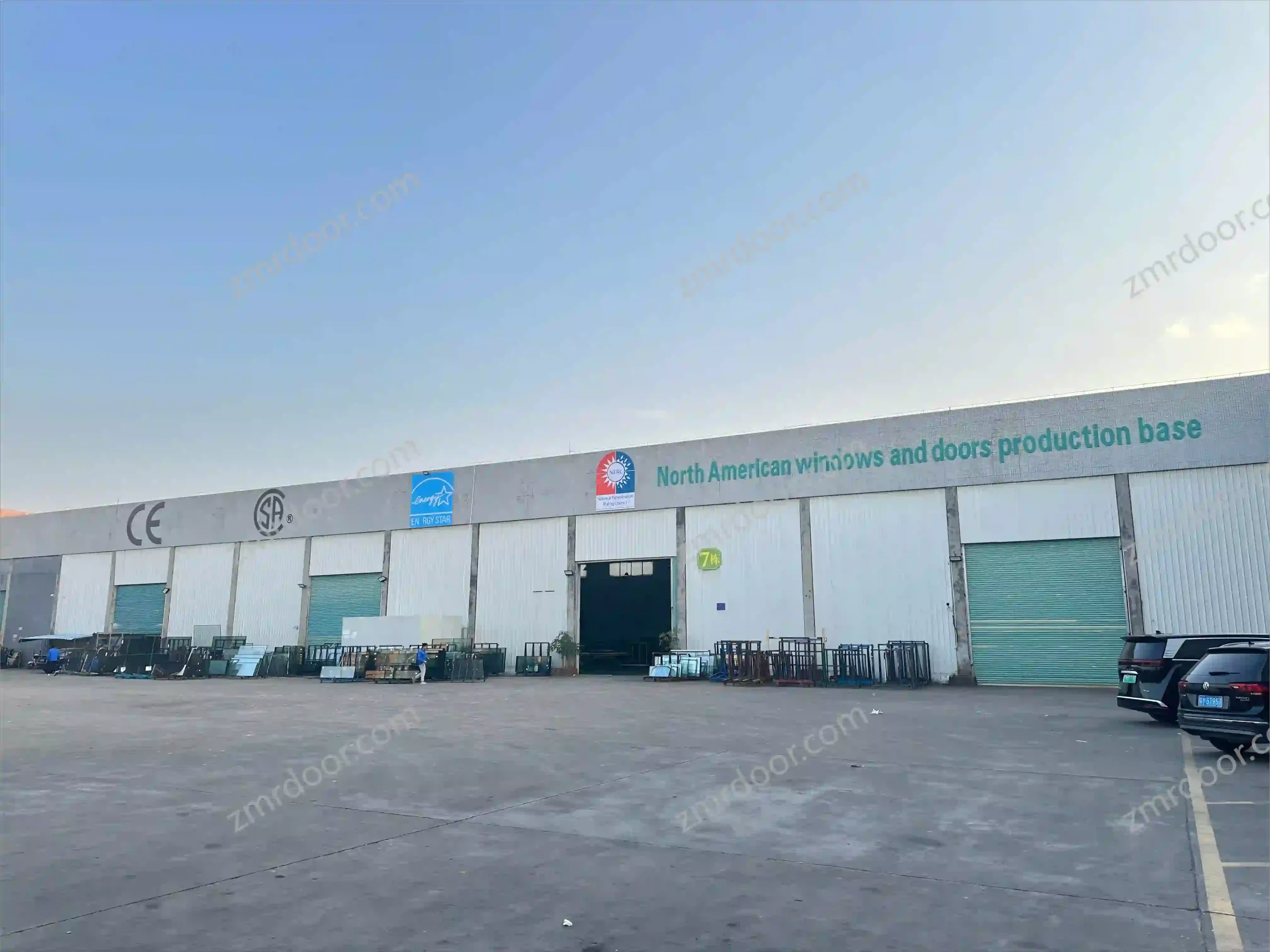
The global demand for high-performance exterior doors that combine organic timber aesthetics with hurricane-resistant, weatherproof metallic exteriors has positioned China aluminum clad patio doors manufacturers and factories at the forefront of fenestration innovation. Located primarily in industrial hubs like Foshan, Guangdong—the world’s premier architectural aluminum manufacturing capital—Chinese suppliers have evolved from basic OEM fabricators into sophisticated engineering partners for global architects, real estate developers, and fenestration importers.
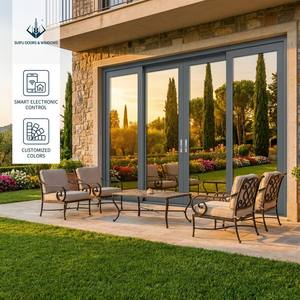
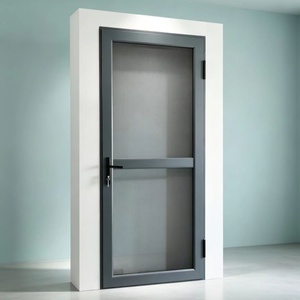
Aluminum clad patio doors represent a hybrid engineering breakthrough. By combining exterior extrusion cladding (typically high-tensile 6063-T5/T6 alloy) with interior solid wood profiles (such as Northern European White Pine, Red Oak, or Black Walnut), these systems deliver structural resilience against extreme weather while preserving rich interior architectural warmth. For B2B buyers evaluating sourcing operations in China, understanding profile extrusion standards, thermal barrier integration, structural hardware durability, and export logistics is crucial for ensuring project performance and compliance with local building codes.
Information Gain Key Insight: Unlike standard all-aluminum or vinyl doors, aluminum clad patio systems separate exterior weathering resistance from interior structural load-bearing and aesthetics. China’s top tier factories utilize snap-on aluminum extrusion clips with expanding nylon connectors, allowing differential thermal movement between wood and metal without distorting frame squareness.
Anatomy and Technical Engineering of Premium Aluminum Clad Doors
To qualify for international building standards—such as North America’s NFRC/NAFS, Europe’s CE EN 14351-1, and Australia’s AS2047—leading Chinese manufacturers employ advanced multi-chamber design principles. Understanding these technical components provides buyers with the technical depth required to write precise product specifications.
1. Extruded Outer Cladding
Heavy-duty 1.8mm to 3.0mm thick 6063-T6 aluminum profiles treated with Qualicoat-certified fluorocarbon (PVDF) or powder coating, providing superior resistance against UV degradation, salt spray corrosion, and impact.
2. Precision Timber Substructure
Sustainably sourced, finger-jointed laminated timber profiles engineered to eliminate warping and twisting. Kiln-dried to an optimal 8%–12% moisture content to withstand indoor HVAC fluctuations.
3. PA66 Thermal Break Strips
High-density 25% glass-fiber reinforced polyamide (PA66-GF25) strips creating an impermeable thermal barrier, drastically minimizing thermal bridging and condensation in harsh cold or tropical zones.
Technical Specification Comparison: Clad Patio Doors vs. Standard Systems
Selecting the optimal fenestration system requires analyzing material trade-offs across mechanical, thermal, and cost parameters. The following data visualization table highlights key architectural differences:
| Specification Metric | Aluminum Clad Wood Patio Doors | Thermal Break Aluminum Doors | Standard Vinyl (uPVC) Patio Doors |
|---|---|---|---|
| Thermal Transmittance (U-Value) | 0.14 – 0.22 Btu/h·ft²·°F (Very Low) | 0.24 – 0.35 Btu/h·ft²·°F (Moderate) | 0.22 – 0.30 Btu/h·ft²·°F (Low) |
| Structural Wind Load Capacity | Up to 5500 Pa (Hurricane Grade) | Up to 6000 Pa (Extreme High-Rise) | 1500 – 2500 Pa (Residential Only) |
| Interior Aesthetics | Natural Solid Wood Grain (Luxury finish) | Powder Coat / Anodized Metallic | Solid White/Faux Foil Laminate |
| Service Lifespan | 40+ Years (Replaceable exterior cladding) | 30–40 Years | 15–20 Years (Degrades under UV) |
| Acoustic Insulation (STC Rating) | STC 38 – 45 dB (Superior Dampening) | STC 32 – 38 dB | STC 28 – 32 dB |
Global Sourcing & Architectural Procurement Trends (2025–2030)
The global architectural landscape is shifting rapidly toward carbon-neutral construction materials and high-efficiency building envelopes. When procuring patio doors and fenestration solutions from Chinese manufacturers, forward-thinking B2B importers must align with three macro market trends:
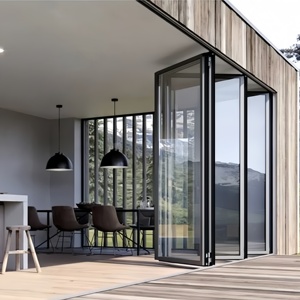
1. Ultra-Slim Sightlines with Massive Glazing Spans
Modern luxury architectural designs emphasize maximum glass areas and minimal frame visibility. Top Chinese aluminum clad door factories are utilizing narrow-frame lift-and-slide technology capable of supporting single glass sash weights exceeding 400 kg (880 lbs). Utilizing stainless steel multi-wheel roller carriages and concealed heavy-duty hinges, these systems allow effortless push-pull sliding operation even on multi-track configurations up to 12 meters wide.
2. Triple Glazed & Low-E Gas Filled Insulating Glass Units (IGU)
Driven by strict building codes such as Title 24 in California, IECC energy compliance in North America, and Passive House (Passivhaus) standard in Europe, door suppliers are integrating triple-pane tempered glass units featuring dual Low-E coatings, warm-edge silicone spacers, and 90%+ Argon gas fill. This combination lowers solar heat gain coefficients (SHGC) while retaining maximum daylight transmittance.
3. Smart Home Motorization & Concealed Multi-Point Security Locks
Commercial and upscale residential buyers increasingly require motorized opening mechanisms compatible with home automation ecosystems (Zigbee, Z-Wave, KNX). High-end aluminum clad patio doors now feature integrated electromagnetic concealed locks, motorized slide drives, and biometric fingerprint/keypad access handles seamlessly embedded into the timber interior profiles.
Core Advantages of Sourcing From Leading Foshan Factories
Partnering with an established manufacturer such as Veltor Window & Door Co., Ltd. offers global buyers distinct structural, operational, and financial advantages compared to purchasing through local trading middlemen:
- Complete In-House Manufacturing Chain: From high-precision profile cutting, automated 5-axis CNC machining, and corner crimping to automated glass silicone sealing, every process is conducted within strict ISO9001 certified facilities.
- Engineered Customization for Local Building Codes: Drawings are verified for wind pressure performance, water penetration resistance, and structural deflections before extrusion cutting, ensuring seamless building inspection sign-offs.
- Export-Grade Heavy Duty Packaging: Recognizing the rigors of ocean freight, finished doors are fully wrapped in protective anti-scratch film, corner-guarded, separated by thick foam gaskets, and loaded into fully enclosed, fumigated ISPM-15 plywood crates.
- Dedicated Technical Project Support: B2B customers receive dedicated bilingual structural engineering support, shop drawing approvals, installation manuals, and live video factory audits prior to container shipment.
Comprehensive B2B Sourcing FAQ for Foreign Buyers
Streamlined 5-Step B2B Procurement Process
We simplify international procurement for developers, architects, and importers through a transparent engineering-first workflow:
Step 1: Plan Submission
Provide your project window schedule, CAD elevations, or opening dimensions along with target performance requirements.
Step 2: Technical Proposal
Our engineers recommend optimal frame series, glass build-up, and hardware configurations accompanied by budget quotes.
Step 3: CAD Shop Drawings
We generate precise architectural shop drawings detailing cross-sections, thermal breaks, anchoring, and hardware for sign-off.
Step 4: Precision Fabrication
Automated cutting, CNC milling, corner joining, glazing, and strict quality control on our factory floor.
Step 5: Crating & Export
Custom fumigated plywood crating, container loading, export documentation, and door-to-site shipping support.