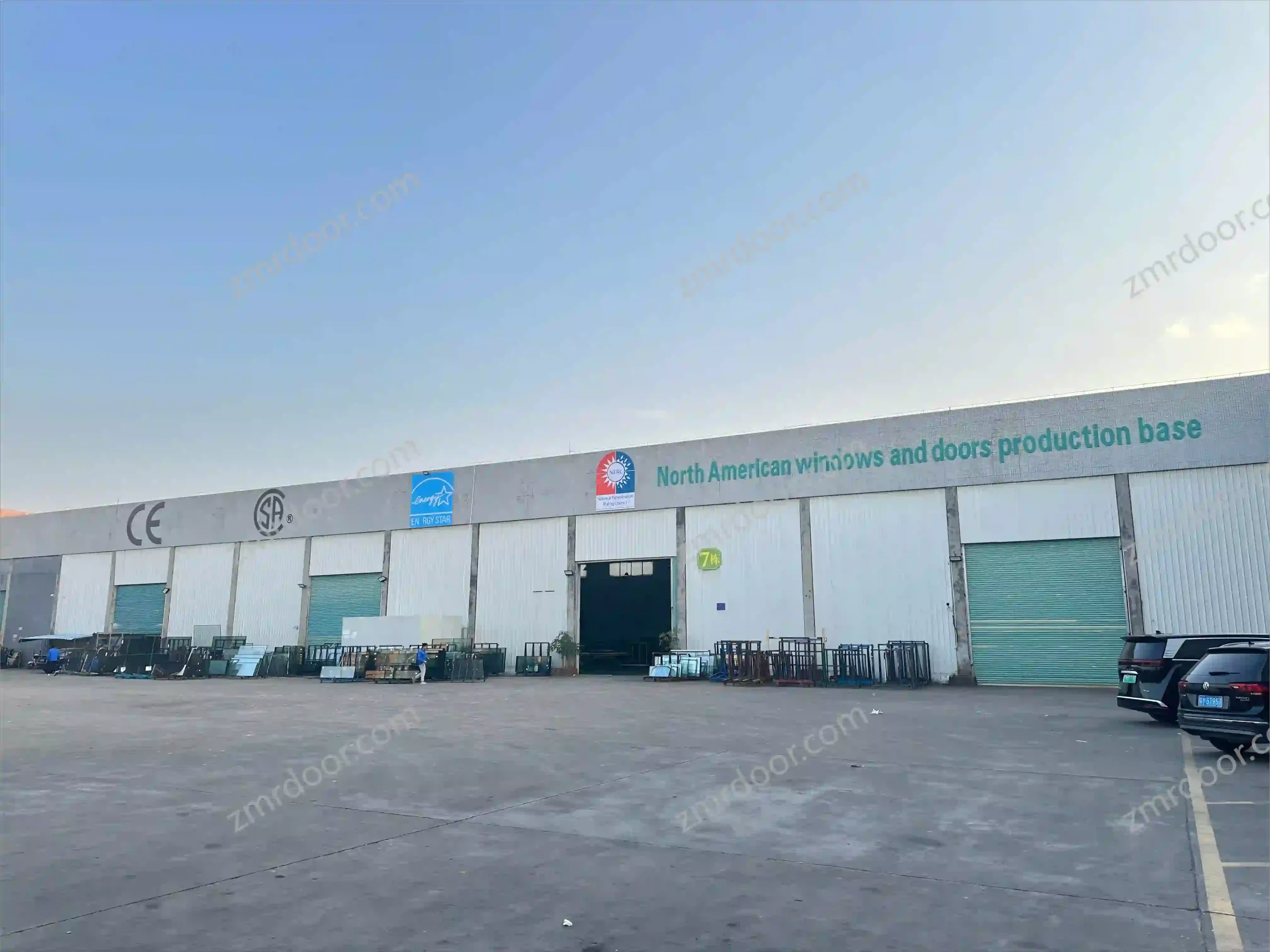
Engineered Window & Door Systems for Global Import
Explore our certified architectural window and door solutions. Pre-engineered for thermal performance, extreme wind load resistance, and seamless architectural integration.
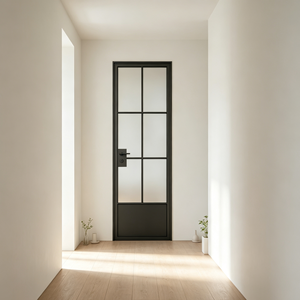
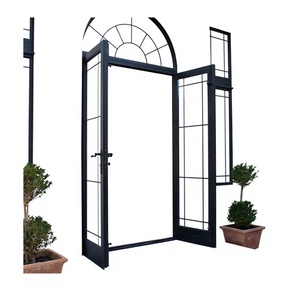
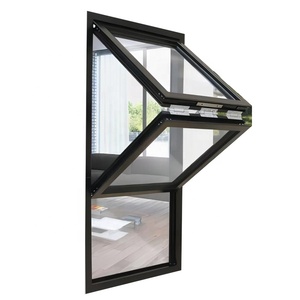
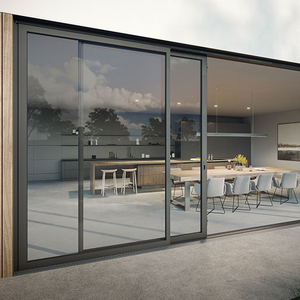
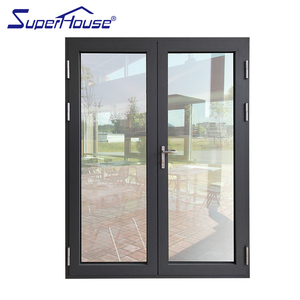
China's Aluminum-Clad & Architectural Fenestration Landscape
An authoritative analysis of manufacturing methodologies, metallurgical standards, thermal break technologies, and quality verification protocols across Foshan's leading export hubs.
Foshan Nanhai Fenestration Ecosystem
China accounts for over 55% of global architectural aluminum profile extrusions, with the Foshan Nanhai Industrial Cluster serving as the world's epicentre for high-end fenestration engineering. Sourcing aluminum-clad casement windows directly from top Foshan factories gives international buyers access to fully integrated supply chains—from primary 6063-T5/T6 billet homogenization to advanced fluorocarbon (PVDF) surface treatment lines and automated glass IGU assembly.
The Engineering of Aluminum-Clad Wood
Aluminum-clad casement windows represent the zenith of hybrid architectural fenestration. By combining an interior solid timber frame (such as European Larch, Red Oak, or Pine) with an exterior protective shield of high-tensile extruded aluminum alloy, these systems eliminate exterior wood maintenance while providing superior interior thermal insulation. The exterior aluminum shell is mounted using floating snap-action nylon clips to accommodate differential thermal expansion between wood and metal.
Metallurgy, Thermal Breaks, and Weatherproofing Mechanics
A granular evaluation of profile alloys, thermal separation strips, hardware kinematics, and structural sealing protocols necessary for premium casement performance.
1. Profile Metallurgy & Tensile Integrity
Premier Chinese manufacturers exclusively employ primary aluminum ingot alloy 6063-T5 or T6 temper. Wall thickness for load-bearing outer frames and casement sashes strictly meets or exceeds 1.8mm to 2.0mm in accordance with national structural standards (GB/T 5237). Tensile strength parameters exceeding 160 MPa ensure minimal deflection under hurricane-force wind loads.
2. PA66GF25 Thermal Break Strips
Cheap PVC insulating strips degrade rapidly under thermal stress. Leading manufacturers integrate 24mm to 34mm Polyamide 66 reinforced with 25% Fiberglass (PA66GF25). This material matches the thermal expansion coefficient of aluminum, preventing structural shear fatigue while dropping overall frame U-values dramatically to achieve passive house thresholds.
3. Multi-Cavity EPDM Gasket Systems
Air infiltration and water penetration are mitigated through continuous triple-seal systems utilizing automotive-grade EPDM (Ethylene Propylene Diene Monomer) synthetic rubber. Continuous vulcanized corner gaskets eliminate micro-gaps, achieving class-leading air permeability (EN 12207 Class 4) and acoustic dampening up to 45 dB.
| Fenestration System Type | Typical Frame U-Value | Air Permeability | Water Tightness | Acoustic Rating | Primary Market Application |
|---|---|---|---|---|---|
| Aluminum-Clad Solid Wood Casement | 0.85 - 1.2 W/m²K | Class 4 (ASTM E283) | 900 Pa (ASTM E331) | 38 - 45 dB | Luxury Residential, Cold Climates, Heritage Villas |
| Thermal Break Aluminum Casement | 1.3 - 1.8 W/m²K | Class 4 (EN 12207) | 600 Pa (EN 12208) | 35 - 42 dB | Modern High-Rise, High-Wind Coastal Apartments |
| Non-Thermal Break Aluminum Window | > 3.5 W/m²K | Class 2 (EN 12207) | 250 Pa (EN 12208) | 25 - 30 dB | Interior Partitions, Tropical Non-Conditioned Structures |
| Slim-Frame Narrow Sightline Casement | 1.5 - 2.0 W/m²K | Class 3 (ASTM E283) | 450 Pa (ASTM E331) | 32 - 38 dB | Contemporary Minimalist Commercial & Modern Homes |
Global B2B Procurement Trends for Chinese Windows & Doors
Key regulatory shifts, environmental mandates, and digital procurement transformation shaping export supply chains over the next decade.
1. Strict Energy Decarbonization Codes (EPBD & Energy Star 7.0)
International building regulations in North America, Europe, and Australia now penalize thermal bridging heavily. Importers are shifting orders toward factories capable of providing Triple Insulated Glass Units (IGU) equipped with warm-edge spacers, double argon gas filling, and dual Low-E coatings. China's top manufacturers are responding by converting assembly lines to automated robotic glass processing and PA66GF25 multi-cavity thermal strip insertion.
2. Digital BIM Integration and Shop Drawing Automation
Modern B2B buyers no longer accept simple PDF quotes. Procurement managers demand native Building Information Modeling (BIM) Revit files and CAD shop drawings prior to contract execution. Top Foshan factories like Veltor have embedded dedicated engineering departments that translate client architectural blueprints into precise shop drawings, complete with structural wind-load calculation modeling.
3. Low-Carbon Recycled Aluminum Billet Sourcing
With Western markets introducing Carbon Border Adjustment Mechanisms (CBAM), top Chinese extruders are transitioning to green hydro-powered aluminum smelting and recycled scrap alloys. Buying aluminum casement profiles with verifiable low-carbon footprints ensures compliance with environmental certification schemes like LEED and BREEAM.
4. Consolidated Modular Export Crating & Jobsite Labeling
Shipping logistics are changing. Professional importers now require factories to package windows unitized by floor level and window tag schedule ID inside steel-reinforced plywood crates. This reduces jobsite sorting time by over 40% and virtually eliminates freight transit damage.
Product & Engineering Development Trends
How Chinese fenestration engineers are pushing boundaries in aesthetic minimalism, hardware concealment, and multi-functional performance integration.
Ultra-Slim Sightlines & Flush Profiles
Architectural demand is moving toward invisible frames that maximize daylighting. Modern casement designs feature flush sash-to-frame outer faces, narrow frame depths (60mm - 75mm), and concealed sash sightlines under 50mm, offering an elegant aesthetic without compromising wind resistance.
Concealed Hardware & 180° Friction Stays
Traditional surface-mounted hinges are being replaced by heavy-duty stainless steel concealed friction stays (G-U, Siegenia, or Hoppe hardware). These concealed multi-point gear systems support heavy triple-glazed sash weights up to 130 kg while maintaining seamless interior visuals.
Integrated Insect & Security Screen Systems
High-end aluminum casement windows are now routinely manufactured with integrated secondary tracks housing stainless steel security mesh (304 grade, 0.8mm wire thickness) or retractable invisible fiberglass flyscreens, providing ventilation alongside intrusion prevention.
Frequently Asked Questions for B2B Window Sourcing
Expert guidance addressing compliance, manufacturing lead times, quality assurance checkpoints, and logistical protocols for international buyers.
Why Project Buyers Partner with Veltor Window & Door
Combining world-class Foshan manufacturing infrastructure with dedicated international project support.
In-House Production & CNC Machining
Situated in Shishan Town, Nanhai District, Foshan, Veltor operates integrated manufacturing facilities covering profile cutting, 5-axis CNC machining, hydraulic corner crimping, and automated structural silicone glazing under one roof.
100% Pre-Shipment Inspection Protocol
Every single manufactured unit undergoes strict dimensional, hardware alignment, and finish inspection. Pre-shipment photographic records and video audit reports are provided to overseas buyers before crate sealing.
Turnkey Export Engineering Support
Our dedicated English-speaking technical sales team converts architectural drawings into shop drawings, provides structural calculation sheets, and arranges seamless door-to-site containerized shipping worldwide.
Ready to Request Shop Drawings & Project Pricing?
Send us your window schedule, elevation plans, or opening dimensions. Our fenestration engineering team will respond with system recommendations and detailed quotes within 24 hours.
Inquire Now