Featured Commercial & Residential Aluminum Solutions
Precision-engineered architectural doors and windows certified for global compliance
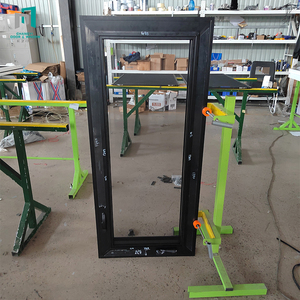
Triple Glazed Soundproof Crank Awning & Fixed Magnetic Aluminum Windows
Send an Inquiry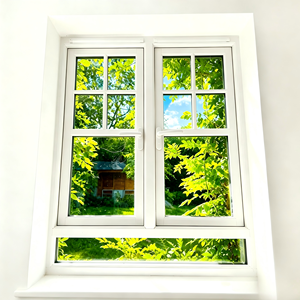
Tilt & Turn Thermal Break Triple Panel System Window in Anthracite Finish
Send an Inquiry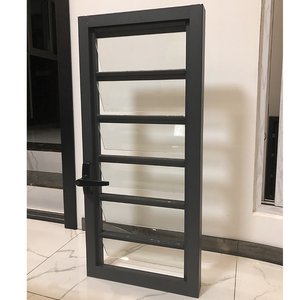
CE AS2047 Certified Adjustable Glass Louver Jalousie Windows with Fly Screen
Send an Inquiry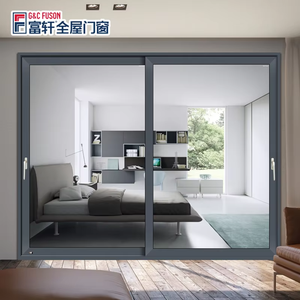
Ultra-Narrow Frame Interior Double Tempered Glass Sliding Partition Doors
Send an Inquiry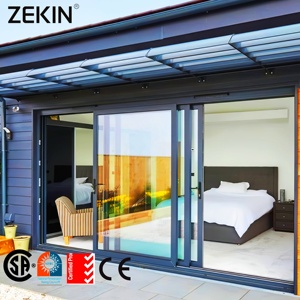
AS2047 Standard Double Glazed Cavity Glass Exterior Balcony Stacker Doors
Send an Inquiry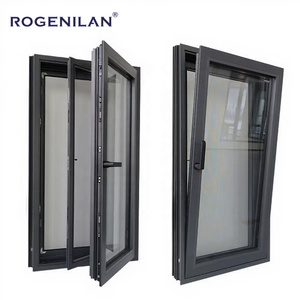
Hurricane-Proof Soundproof Slim Frame Tilt & Turn Aluminum Casement Windows
Send an Inquiry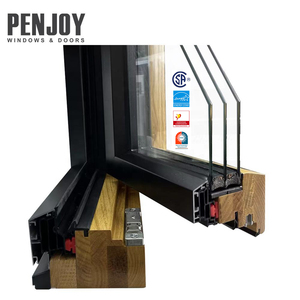
Passive House Standard Alu-Wood Composite Triple Glazed Energy Windows
Send an Inquiry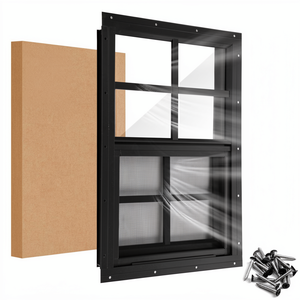
Flush Mount Grey Aluminum Sliding Windows with Stainless Steel Mesh Screen
Send an InquiryNavigating the Strategic Landscape of China Aluminum Door Sourcing
An enterprise-level procurement guide for general contractors, architectural developers, and window dealers
The global construction sector is undergoing a profound paradigm shift driven by stringent energy efficiency mandates, decarbonization goals, and modern architectural aesthetics demanding maximal daylighting with ultra-slim profile sightlines. At the core of this transformation are architectural aluminum alloy door and window systems. Modern fenestration is no longer merely a structural barrier against external weather elements; it has evolved into a highly complex, multi-component thermodynamic mechanism engineered to deliver structural rigidity, acoustic isolation, solar heat gain control, and decades of low-maintenance durability.
China—and specifically the primary industrial manufacturing cluster in Foshan, Guangdong Province—represents over 60% of the world's high-precision architectural aluminum extrusion and finished window fabrication capacity. However, for international project owners, real estate developers, and wholesale dealers, procuring custom aluminum doors directly from Chinese manufacturers presents both immense financial advantages and operational complexities. Discerning top-tier manufacturers from small-scale regional fabricators requires a thorough understanding of aluminum metallurgy, thermal-break thermodynamics, hardware integration, structural deflection calculations, and international code compliance.
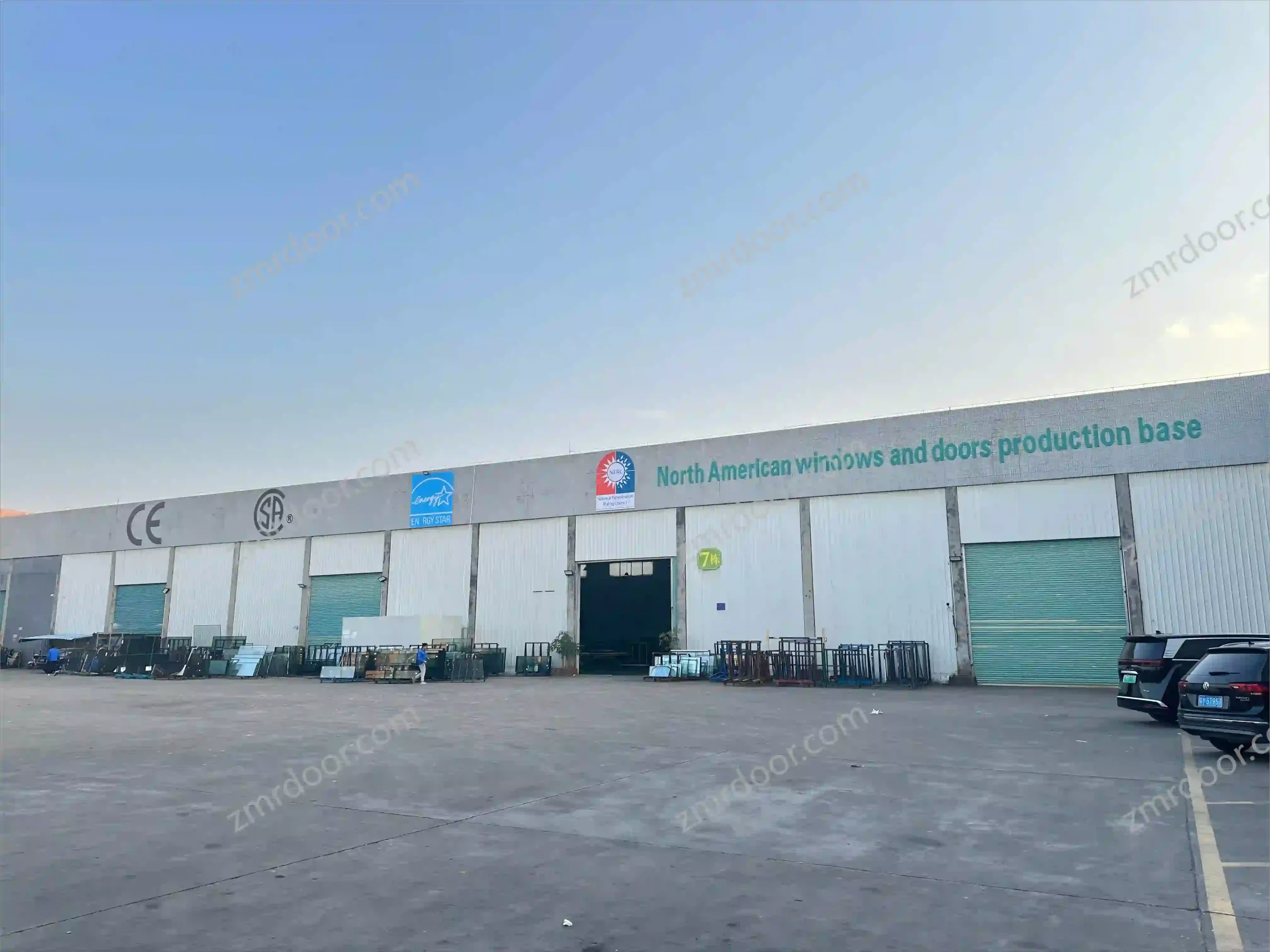
As an industry leader headquartered in Nanhai District, Foshan, Veltor Window & Door Co., Ltd. operates at the forefront of custom structural fenestration. By integrating specialized extrusion selection, precision CNC machining, automated glass unit assembly, and stringent internal quality management, top China aluminum door suppliers supply international mega-projects with turnkey OEM/ODM architectural solutions designed to meet or exceed North American, European, and Australian building standards.
Foshan Supply Chain Synergies
Direct access to world-class aluminum extruders, PVDF surface treatment facilities, local EPDM rubber seal manufacturers, and primary glass float lines lowers raw material lead times by up to 30% while retaining structural consistency.
Thermal Break Engineering
Incorporating imported Polyamide PA66-GF25 structural insulation strips isolates interior and exterior profile aluminum frames, eliminating cold bridging and dramatically improving baseline U-factors across variable climate zones.
Full CAD/BIM Shop Drawings
Every commercial order undergoes pre-production structural modeling. Technical engineers generate precise shop drawings, wall anchorage details, glass load metrics, and wind-pressure deflection reports prior to profile cutting.
Technical Benchmark Guide: Evaluating China Aluminum Door Manufacturers
Material science specifications required to ensure structural performance and zero site failure
When specifying commercial aluminum entry doors, heavy-duty stacker sliding doors, minimal frame interior partitions, or bi-folding wall systems, buyers must look beyond initial surface aesthetics. The long-term performance of aluminum doors is dictated by raw metallurgical quality, architectural anodizing or powder-coating thickness, precise corner joinery mechanical crimping, and insulated glass unit (IGU) thermal dynamics.
1. Aluminum Alloy Selection and Profile Wall Thickness
Top China aluminum manufacturers utilize primary grade 6063-T5 or 6063-T6 architectural aluminum alloy extrusions. Compared to recycled aluminum scrap, virgin alloy profiles deliver superior tensile strength, pristine surface finishing post-extrusion, and consistent structural load tolerances. For heavy-duty sliding glass doors and large-span curtain wall doors, main structural profile wall thickness should strictly adhere to international minimum standards (minimum 1.4mm to 2.0mm for residential windows, and 2.0mm to 3.0mm+ for commercial door systems).
2. Advanced Thermal Barrier Technologies (Polyamide PA66 vs. PVC)
A critical metric differentiating low-grade doors from premium thermal break aluminum doors is the material composition of the thermal barrier strip. Lower-tier manufacturers occasionally utilize low-cost PVC insulating strips, which suffer from high thermal expansion rates, embrittlement under extreme UV exposure, and structural degradation over time. Leading Chinese manufacturers exclusively implement Polyamide PA66 reinforced with 25% fiberglass (PA66-GF25). PA66-GF25 closely matches the linear thermal expansion coefficient of aluminum frames, guaranteeing structural integrity across extreme temperature swings ranging from -40°C to +80°C.
3. High-Performance Insulated Glazing Units (IGU) & Warm-Edge Spacers
The glass component accounts for up to 80% of total door surface area, making it the dominant factor in heat transfer, solar heat gain coefficient (SHGC), sound transmission class (STC), and overall structural wind load capacity. Certified suppliers offer fully customized glass configurations:
- Double/Triple Tempered Safety Glass: Fully compliant with ANSI Z97.1, EN 12150, and AS/NZS 2208 safety standards.
- Low-Emissivity (Low-E) Coatings: Double or triple silver vacuum magnetron sputter coatings engineered to reflect far-infrared heat while maintaining high visible light transmittance (VLT).
- Acoustic Laminated Interlayers: Utilizing PVB or SGP (SentryGlas®) interlayers for high-noise urban or coastal hurricane zone resilience.
- Argon Gas & Warm Edge Spacers: Replacing traditional aluminum spacers with composite warm-edge technology filled with 90%+ argon gas to eliminate edge condensation.
Architectural Aluminum Door System Comparison Matrix
Direct technical specifications across major aluminum door hardware configurations
| Door System Type | Profile Alloy Grade | Thermal Break Material | Max Glass Spec | Air Tightness Class | Target Applications |
|---|---|---|---|---|---|
| Heavy-Duty Stacker Sliding Door | 6063-T6 (2.0mm - 3.0mm) | PA66-GF25 Strip | Triple Glazed / SGP Laminated | Class A4 (ASTM E283) | Luxury Villa Balconies, Waterfront Patios |
| Ultra-Slim Narrow Frame Glass Door | 6063-T5 (1.6mm - 2.0mm) | Optional Non-Thermal / Thermal | Double Tempered 6mm+12A+6mm | Class 3 (EN 12207) | Interior Partitions, Executive Suites |
| Bi-Folding Exterior Wall System | 6063-T5/T6 (2.0mm) | PA66-GF25 (24mm - 34mm) | Double/Triple Low-E Argon | Class 4 (EN 12207) | Commercial Storefronts, Resort Terraces |
| Thermal Break Hinged French Door | 6063-T5 (1.8mm - 2.0mm) | PA66-GF25 Multi-Cavity | Double Glazed Warm Edge Low-E | Class A4 (ASTM E283) | Main Entrances, Residential Backyards |
| Hurricane-Impact Lift & Slide Door | High-Tensile 6063-T6 (3.0mm) | Reinforced Structural PA66 | 8mm + 1.52SGP + 8mm Insulated | HVHZ Certified (DP70+) | Coastal High-Rise, Cyclone Prone Zones |
Future Procurement Trends: China Aluminum Door Manufacturing (2025–2030)
Market developments shaping international project sourcing and material standards
The international building industry is evolving rapidly under green building rating systems such as LEED v4.1, BREEAM, and national zero-carbon mandates. Chinese door and window factories are transitioning from labor-intensive manual assembly workshops into highly digitalized, automated smart manufacturing hubs. Importers and project procurement officers should align with suppliers driving the following four global procurement trends:
1. Minimalist Architectural Sightlines with Maximum Structural Rigidity
Contemporary architectural design favors maximum glass area with near-invisible aluminum framing. Modern slim-frame sliding door systems manufactured in Foshan feature interlocking vertical stiles measuring as thin as 16mm to 25mm while supporting panel weights exceeding 400kg. To achieve this structural balance, factories utilize internal steel reinforcements, carbon fiber composite elements, and structural silicone structural glazing (SSG) technology.
2. Passive House Standard (PHI) Certification Integration
Cold-climate markets in North America, Northern Europe, and Canada demand ultra-low thermal transmittance values. Standard thermal break windows are increasingly being upgraded to multi-cavity insulation profiles filled with polyurethane foam or aerogel insulation strips. Combined with alu-wood composite frames and triple-pane or vacuum-insulated glass (VIG), premier Chinese suppliers achieve holistic door U-factors below 0.8 W/(m²·K) [0.14 BTU/h·ft²·°F], qualifying for international Passive House certifications.
3. Smart Hardware, Motorized Automation & Multi-Point Security
Enterprise procurement now heavily emphasizes intelligent home and building automation integration. Top China suppliers collaborate directly with global hardware giants (such as Siegenia, Hoppe, Roto, and GU) as well as advanced proprietary Chinese hardware engineers. Innovations include concealed electric motor drives for heavy stacker doors, biometric fingerprint handles, magnetic levitation sliding systems, and smart sensor network integration that automatically secures doors during adverse weather events.
4. Carbon-Neutral Manufacturing & Environmental Product Declarations (EPD)
With the implementation of mechanisms like Europe's Carbon Border Adjustment Mechanism (CBAM), European and North American buyers require transparent carbon footprint reporting. Leading Chinese aluminum door manufacturers are adopting renewably sourced hydropowered aluminum ingots, closed-loop powder-coating runoff filtration, and issuing verified Environmental Product Declarations (EPD) detailing lifecycle Embodied Carbon metrics.
Risk Mitigation & Quality Assurance for Global Importers
How top suppliers protect buyer investments through every stage of international logistics
Exporting custom glass and aluminum assemblies cross-continent involves substantial transport risks, including structural glass breakage, frame scratch damage, water vapor ingress in transit, and installation alignment failures on-site. Leading Foshan manufacturers manage these risks through standardized operational protocols:
100% Mock-Up Pre-Assembly QC
Prior to crating, finished frames and doors undergo full factory mock-up assembly. Technicians verify diagonal tolerances, roller glide smoothness, lock gear alignment, and weatherseal gasket compression to guarantee hassle-free installation on-site.
Export-Grade Fumigated Wood Crating
Every unit is wrapped in protective anti-scratch film, fitted with heavy-duty corner guards, and loaded into fully enclosed, reinforced steel-strapped plywood crates. Glass units are packed with foam separators to prevent transit shock.
Full International Code Documentation
Verified factories supply comprehensive engineering submittal packages including structural calculation reports, thermal simulation data, glass safety certificates, and warranty documentation required by local building inspectors.
Frequently Asked Questions (FAQ) for B2B Importers
Expert guidance on minimum orders, customization, compliance, and international shipping
Ready to Accelerate Your Project Fenestration Procurement?
Connect directly with our senior architectural engineering team in Foshan. Send us your project drawings, door schedules, or performance specifications for an immediate complimentary technical review and competitive estimate.
Send an Inquiry