Flagship Wood Finish Aluminium Door & Window Systems
Architectural-grade profile designs featuring advanced heat-transfer vacuum sublimation and thermal-break engineering.
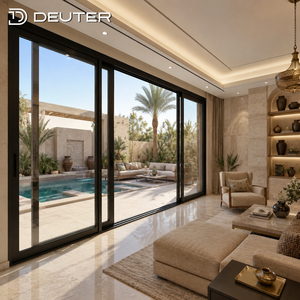
Two Three Four Track Heavy Duty Aluminum Lift Slide Doors Thermal Break Energy Efficient Terrace Balcony Glass Sliding Doors
Send an Inquiry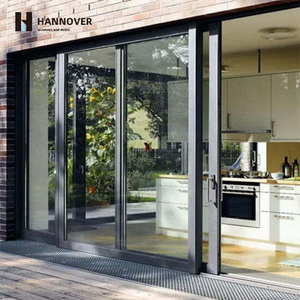
HANNOVER As2047 Australian Sliding Door Double Glazed Cavity Sliding Doors Exterior Stacking Balcony Aluminum Sliding Doors
Send an Inquiry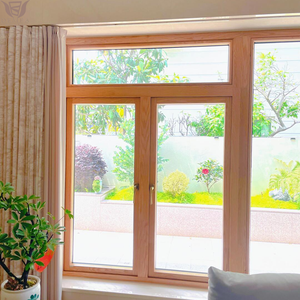
DEMEA Modern Storefront Window with Large Unobstructed Glass Panels for a Commercial Entrance Aluminum Clad Wood Casement
Send an Inquiry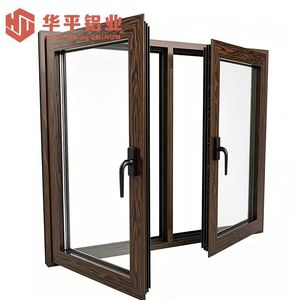
Strong Hurricane Resistant Aluminium Casement Window Reinforced Thick Profile for Storm Area Building Construction Works
Send an Inquiry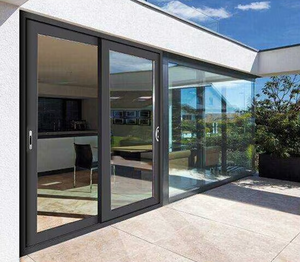
RG93.6 High Quality Durable Thermal Insulation Energy-saving Sliding Doors Exterior Aluminum Glass Sliding Doors Courtyard Doors
Send an Inquiry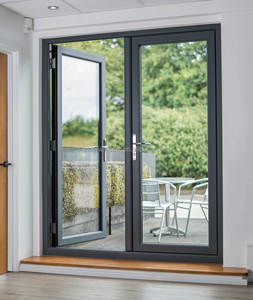
Profile Aluminum Interior Hurricane Proof Front Houses Modern Aluminum Casement Door
Send an Inquiry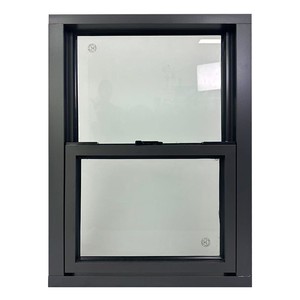
Modern High Quality Aluminum Single Hung Window with Double Glazed Glass for Residential Villa House
Send an Inquiry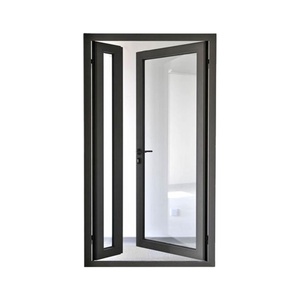
Exterior Interior Aluminium Glazing Metal Black White Double Glass French Casement Door
Send an InquiryExecutive Overview: Sourcing Wood Finish Aluminium Doors from China
An engineering breakdown of material advantages, sublimation mechanics, and structural thermal barriers.
In modern architectural fenestration, the demand for Aluminium Wood Finish Doors and Windows has surged exponentially across luxury residential, hospitality, and commercial developments. Global buyers, architects, and real estate developers increasingly seek the warm, organic aesthetic of natural timber combined with the structural rigidity, low maintenance, and weather resistance of 6063-T5 architectural aluminium extrusions. China—specifically the Foshan manufacturing cluster in Guangdong—has established itself as the world's foremost epicenter for high-precision thermal-break aluminium systems and advanced wood-grain surface technologies.
Historically, natural timber doors suffered from structural swelling, warping under humidity fluctuations, termite vulnerability, and high life-cycle maintenance costs. Standard powder-coated aluminium solved these durability issues but lacked tactile thermal warmth and visual organic depth. The introduction of Vacuum Sublimation Thermal Transfer Technology and 3D textured fluorocarbon powder coating has fundamentally reshaped the B2B fenestration landscape, enabling Chinese factories to manufacture aluminium wood finish doors that emulate timber species such as Black Walnut, Golden Oak, Teak, and Burmese Mahogany with uncanny tactile and visual accuracy.
1. Wood Grain Surface Metallurgy & Sublimation Chemistry
To evaluate top Chinese manufacturers, B2B procurement officers must understand the mechanical and chemical processes required to achieve long-term colorfastness and chalking resistance under intense UV exposure (Qualicoat Class 2 / AAMA 2604/2605 specifications):
- Base Powder Electrostatic Deposition: The aluminium profile undergoes multi-stage chemical pretreatment (chromate-free zirconium etching) followed by an electrostatic application of a polyurethane or polyester base powder coat matching the core wood undertone.
- Vacuum Heat-Transfer Sublimation: A specially formulated cellulose film printed with high-resolution organic wood pigments is wrapped tightly around the profile. Under high vacuum pressure (up to -0.09 MPa) and elevated temperatures (190°C – 210°C), the ink pigments transition directly from solid to gas phase (sublimation), penetrating deep into the base powder matrix rather than remaining a simple surface film.
- Fluorocarbon (PVDF) 3D Tactile Coatings: For severe outdoor marine environments, premium factories apply a secondary textured fluorocarbon layer that imparts natural timber grain ridges, dramatically increasing scratch resistance (Pencil Hardness ≥ 2H) and salt spray resistance (> 3,000 hours ASTM B117 testing).
2. Thermal Performance & Structural Breakdown
A aesthetic wood finish is meaningless without structural thermal performance. China's premier OEMs incorporate multi-chamber polyamide isolators (PA66GF25—25% glass-fiber reinforced nylon) that physically separate interior and exterior aluminium profiles. This mechanical thermal break disrupts conductive heat paths, drastically lowering overall system U-values to comply with stringent climate zone codes across North America (NFRC), Europe (CE/EN 14351-1), and Australia (AS2047/AS1288).
B2B Technical Comparison Matrix: Surface Finishes & Material Formats
A head-to-head engineering comparison for project specifiers and commercial importers.
| Evaluation Parameter | Vacuum Sublimation Aluminium | PVDF 3D Textured Wood Grain | Aluminium-Clad Solid Wood | Real Timber (Solid Hardwood) |
|---|---|---|---|---|
| Primary Application | Exterior / Interior Sliding & Casement Doors | High-UV Coastal / High-Rise Facades | Luxury Residential / Heritage Storefronts | Traditional High-End Interior Openings |
| UV & Weathering Resistance | High (Qualicoat Class 1 / Class 2) | Exceptional (AAMA 2605 Compliant) | Very High (Protected Ext. Aluminium) | Low to Moderate (Requires Annual Sealing) |
| Thermal Insulation (U-Factor) | 0.28 – 0.38 BTU/h·ft²·°F (Thermal Break) | 0.26 – 0.35 BTU/h·ft²·°F (Thermal Break) | 0.20 – 0.28 BTU/h·ft²·°F (Superior) | 0.22 – 0.30 BTU/h·ft²·°F (Natural) |
| Maintenance Lifecycle | Zero Refinishing; Wash with Water | Zero Refinishing; High Anti-Scratch | Minimal Exterior Maintenance | High; Bi-Annual Sanding & Varnish |
| Relative Sourcing Cost | Cost-Effective (Benchmark) | Moderate Premium (+15-20%) | High Premium (+40-60%) | Extremely High (+70-100%) |
| Warping / Termite Risk | Zero Risk | Zero Risk | Zero Outer Risk / Low Inner Risk | Moderate to High Vulnerability |
Enterprise Competencies: Why Partner with VELTOR Window & Door Co., Ltd.
Located in Foshan, Guangdong—delivering verified engineering accuracy, OEM versatility, and export-grade structural reliability.
In-House CNC Fabrication & Extrusion
Operating high-precision double-head cutting saws and 5-axis CNC machining centers under one roof. Profiles are routed, punched, and assembled to exact CAD shop drawing tolerances (±0.5mm), eliminating installation discrepancies on job sites.
Strict 100% Pre-Shipment Inspection
Every door leaf and window frame undergoes rigorous dimensional verification, corner crimping pull-tests, hardware cycling checks, and water tightness simulation before being vacuum sealed and packed into reinforced wooden crates.
Global Testing & Code Compliance
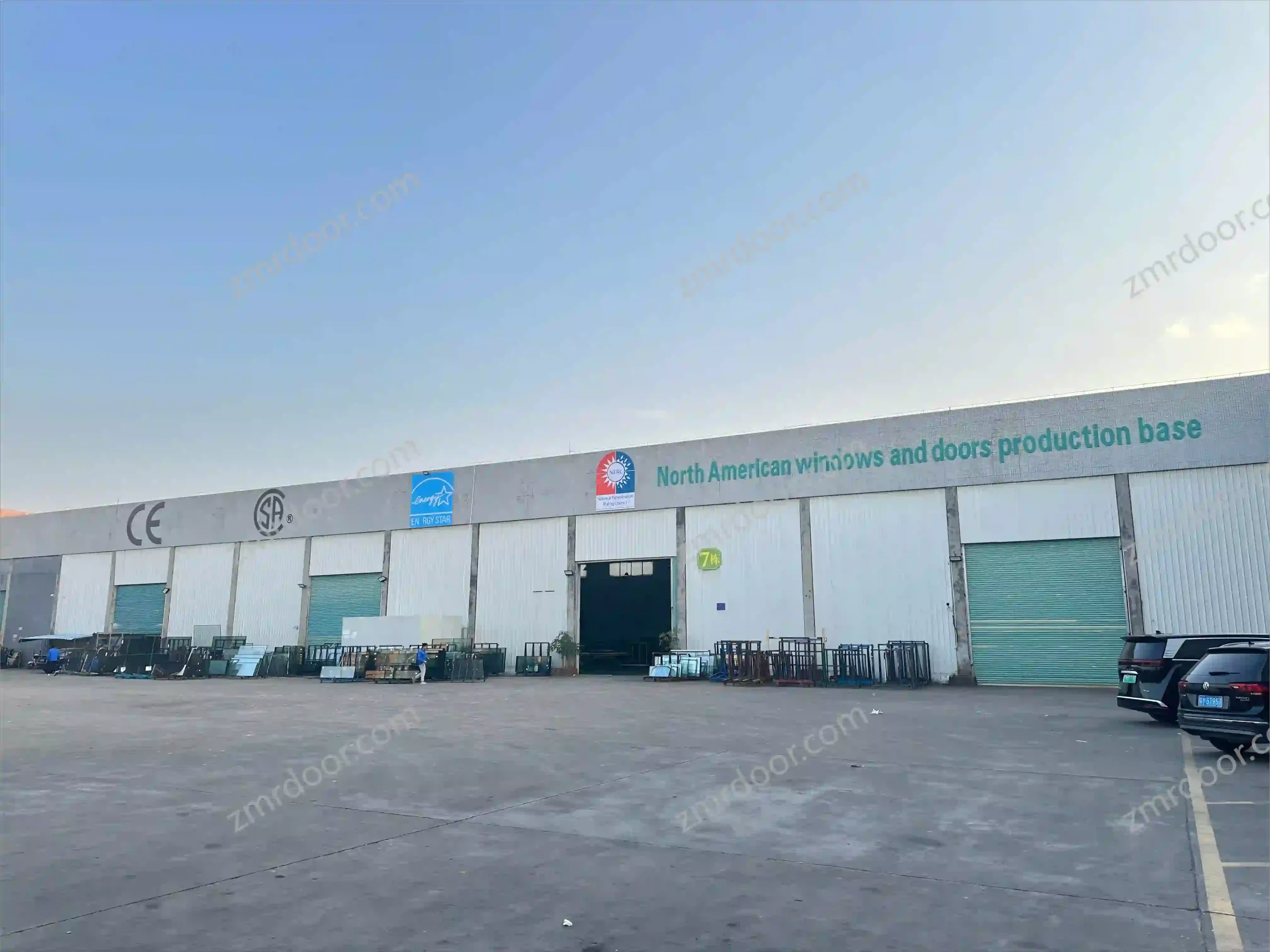
VELTOR engineers each window and door line against targeted regional requirements. Full documentation provided for Australian AS2047, North American NFRC/CSA, European CE, and Florida hurricane impact testing standards.
Future Sourcing & Procurement Trends (2025–2030)
Strategic foresight for architectural importers, project dealers, and real estate general contractors.
As carbon neutral regulations tighten and global building energy codes demand lower operational energy footprints, the technical specification for aluminium wood finish doors is evolving rapidly. Forward-thinking procurement teams must align with factories investing in the following technological paradigms:
Trend 1: Ultra-Slim Sightlines & Structural Glass Bonding
Modern architectural aesthetics favor minimal frame visibility and expanded daylighting areas. Top Chinese factories are shifting from traditional heavy sashes to Slim-Frame Minimalist Interlock Systems with sightlines as narrow as 20mm to 25mm. By using structural silicon glass bonding (Dow Corning / Sika), the glass unit becomes a load-bearing element of the sash, allowing massive opening heights up to 4.5 meters while retaining subtle interior wood grain aesthetics on concealed aluminum tracks.
Trend 2: Fluorocarbon Powder Sublimation & Zero-VOC Eco-Coatings
Traditional wood film lamination used solvent-based adhesives that posed delamination risks under tropical moisture and emitted volatile organic compounds (VOCs). The future of Chinese manufacturing lies in Solvent-Free Electrostatic Powder-on-Powder Sublimation and water-borne fluorocarbon polyurethane coatings. These advancements eliminate peeling, offer superior scratch resistance, and conform to LEED v4 green building environmental product declarations (EPDs).
Trend 3: Smart Integration & Motorized Lift-and-Slide Mechanisms
Automation is transforming heavy architectural doors. The procurement market is moving rapidly toward integrated smart home ecosystems where heavy-duty aluminium lift-and-slide glass walls (panel weights up to 400kg) are equipped with concealed brushless DC motors, magnetic levitation tracks, biometrics, and automated smart-building climate controls.
Trend 4: Advanced Thermal Barrier Materials (Aerogel Insulated Cavities)
To exceed passive house standards (U-values ≤ 0.8 W/m²K or 0.14 BTU/h·ft²·°F), premier Foshan manufacturers are supplementing standard PA66GF25 thermal breaks with Aerogel Infill Foams and warm-edge flexible composite spacers. This micro-cellular insulation completely neutralizes convective air currents inside the extrusions' hollow chambers.
Frequently Asked Questions (FAQ) for B2B Importers
Addressing core technical, financial, and logistical concerns when sourcing from China.