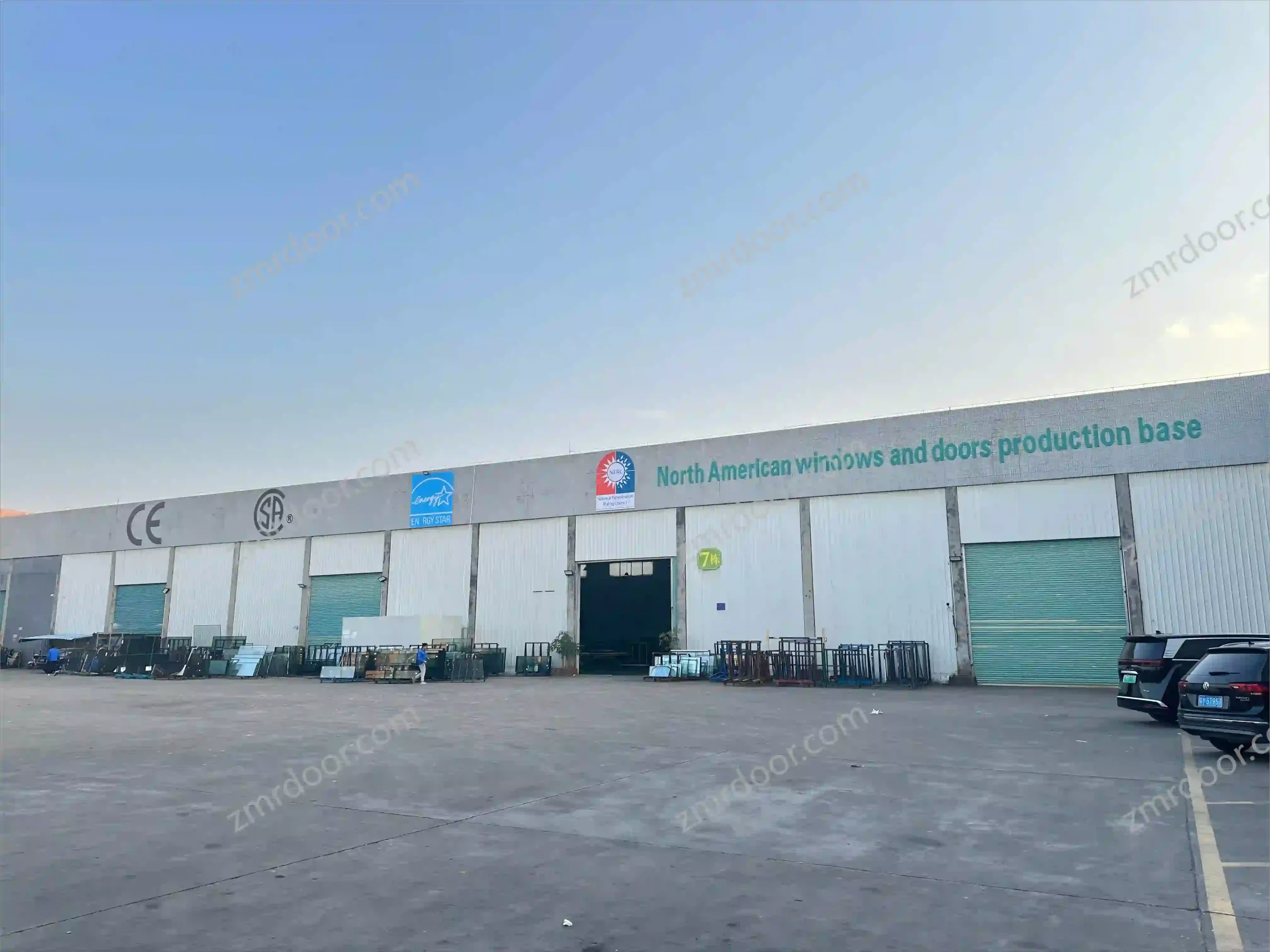
Featured Architectural Aluminum Windows & Doors
Precision-engineered, thermal-break fenestration systems tailored for commercial contractors, wholesale distributors, and international project developers.
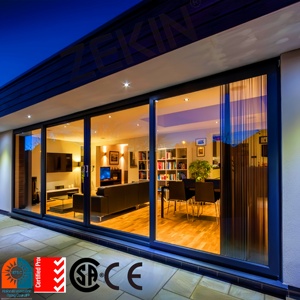
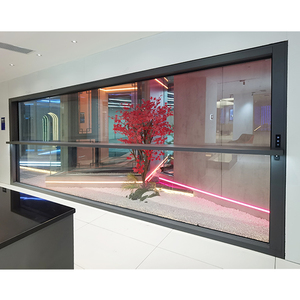
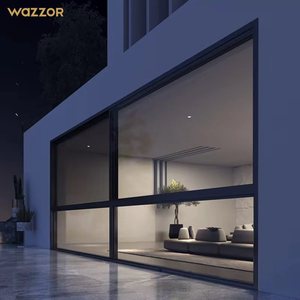
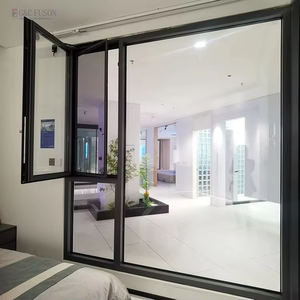
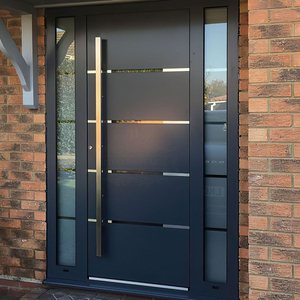
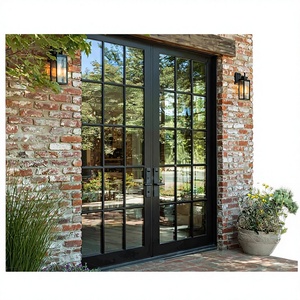
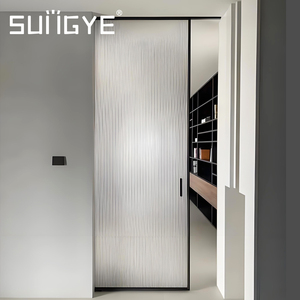
China Aluminium Windows Price Matrix & Cost Breakdown Analysis
Understanding the true cost structure of imported Chinese aluminum windows requires moving beyond generic per-square-meter estimates. In global B2B procurement, pricing is strictly driven by profile extrusion thickness, thermal barrier technology, glass assembly specifications, surface treatment standards, and hardware origin. Modern manufacturing hubs like Foshan, Guangdong utilize highly integrated supply chains to offer scalable pricing across commercial, residential, and ultra-low energy Passive House projects.
The standard FOB price for high-quality export-grade aluminum windows from tier-1 Chinese manufacturers ranges between $85 USD and $380 USD per square meter. To help architects, quantity surveyors, and project importers build precise Bill of Quantities (BOQ), the data matrix below outlines current market price benchmarks based on system configuration and engineering parameters.
| Window & Door System Type | Profile Spec & Alloy | Glass Assembly Configuration | Thermal Performance (U-Value) | FOB Cost Estimate ($/m²) | Primary Target Applications |
|---|---|---|---|---|---|
| Standard Non-Thermal Sliding Windows | 1.4mm - 1.6mm 6063-T5 Non-Break Profiles | 5mm + 12A + 5mm Clear Double Tempered Glass | 2.8 - 3.4 W/m²K | $85 - $130 / m² | Multi-family residential, tropical climates, budget commercial |
| Thermal Break Casement / Tilt & Turn | 1.8mm - 2.0mm 6063-T6 PA66-GF25 Insulated Profile | 6mm Low-E + 12Ar + 6mm Toughened Safety Glass | 1.4 - 1.8 W/m²K | $140 - $220 / m² | Luxury villas, high-rise apartments, temperate & cold zones |
| Minimalist Ultra-Narrow Sliding Doors | 2.0mm - 3.0mm Heavy Duty 20mm Sightline Frame | 8mm + 16A + 8mm Double Low-E / Laminated Glass | 1.5 - 2.0 W/m²K | $180 - $290 / m² | High-end exterior patio openings, panoramic storefronts |
| Heavy-Duty Thermal Break Bi-Fold Doors | 2.0mm 6063-T5 Structural Profile Systems | 6mm + 14Ar + 6mm Low-E Double Glazed Units | 1.6 - 2.1 W/m²K | $160 - $260 / m² | Resort outdoor transitions, commercial hospitality spaces |
| Passive House Certified Triple Glazed | 2.2mm Profile + Multi-Chamber PA66 Foam Insulated | 5mm Low-E + 12Ar + 5mm + 12Ar + 5mm Low-E Triple | ≤ 0.8 - 1.1 W/m²K | $240 - $380 / m² | Cold climate zones, net-zero carbon residential projects |
| Hurricane Impact Resistance Windows | 2.0mm - 3.0mm Reinforced Heavy Duty Frames | 6mm Temp + 1.52PVB + 6mm Temp SentryGlas Laminated | 1.8 - 2.4 W/m²K | $220 - $360 / m² | Coastal cyclone zones, Florida NOA & Caribbean projects |
SEO Value Insights (Information Gain): Why do prices vary so drastically between manufacturers? A price difference of $40/m² usually indicates a shift from non-certified PVC insulation strips to high-tensile PA66-GF25 polyamide strips, or a swap from low-grade domestic hardware to imported German hardware (e.g., SIEGENIA, ROTO) or top-tier certified systems (HOPO, KIN LONG). Always verify profile alloy certifications and glass test reports prior to issuing purchase orders.
Key Variables Determining B2B Manufacturing Costs
When requesting quotes from China aluminum window factories, five technical drivers fundamentally influence your finalized unit cost structure:
1. Raw Aluminum Alloy & Extrusion Quality: Premium factories utilize primary A00 ingot-based 6063-T5 or 6063-T6 aluminum alloys with minimum wall thicknesses meeting or exceeding international fenestration standards (1.4mm for windows, 2.0mm for heavy-duty doors). Low-cost suppliers often substitute secondary recycled scrap aluminum, which compromises structural tensile strength, anodizing consistency, and wind-load resistance.
2. Thermal Break Material Integrity: Authentic thermal-break systems utilize PA66-GF25 (Polyamide 66 reinforced with 25% fiberglass). Polyamide expands and contracts at the exact rate of aluminum, maintaining structural integrity across extreme thermal fluctuations (-30°C to +80°C). Cheaper alternatives using PVC strips degrade rapidly under UV exposure, leading to frame separation and air leakage.
3. Insulated Glass Unit (IGU) Technology: Glazing accounts for up to 60% of total thermal performance. Options such as warm-edge spacers (TPS/Chromatech), Argon gas filling (90%+ purity retention), double-pass butyl sealing, and soft-coat Low-E (Low-Emissivity) coatings directly dictate solar heat gain coefficients (SHGC) and U-factors.
4. Surface Finish & Weathering Resistance: Surface treatments vary by environment. Standard polyester powder coating (AAMA 2603) suffices for inland residential builds. However, coastal or high-corrosion zones require PVDF Fluorocarbon coatings (AAMA 2605) or 25-micron Anodized finishes capable of withstanding 3,000+ hours of continuous salt spray testing without pitting or chalking.
5. Hardware, Gaskets & Concealed Mechanics: Precision multi-point locking systems, heavy-duty stainless steel friction hinges (304/316 grade), and continuous EPDM (Ethylene Propylene Diene Monomer) rubber gaskets ensure operational longevity. Substandard PVC gaskets harden and crack within 24 months, compromising airtightness and sound insulation (STC rating).
Technological & Manufacturing Shifts in Chinese Fenestration
China's architectural aluminum industry has transitioned from labor-intensive assembly to advanced automated manufacturing. Centered in Foshan, Guangdong—the world’s largest manufacturing hub for aluminum extrusions—factories like Veltor Window & Door Co., Ltd. leverage Industry 4.0 automation to deliver Swiss-level tolerance levels at scalable Chinese price points.
5-Axis CNC Milling & Automated Machining
Computer-controlled double-head cutting saws and 5-axis CNC machining centers execute profile cuts with precise tolerances (±0.1mm). Lock cavities, hinge slots, and drainage ports are routed automatically to eliminate installation binding and human error.
Corner Crimping & Pin-Glue Injection
Structural frame corners are joined using heavy-duty cast aluminum corner cleats, mechanical corner crimping, and two-component polyurethane corner-injection adhesives. This structural bond prevents corner joint separation, water leakage, and frame sagging over decades of use.
Multi-Chamber Iso-Baric Drainage Systems
Advanced frame geometries incorporate pressure-equalized hidden drainage channels. Water is guided out via one-way valve flap caps, preventing rain driven by high hurricane winds (up to 3000 Pa) from entering the interior building envelope.
Future Procurement Trends in Global Fenestration Sourcing (2025–2030)
As international building codes mandate stricter energy efficiency compliance and architectural trends favor maximalist glass walls with minimal frames, global buyers must align their procurement strategies with four key industry shifts:
1. Decarbonization & Eco-Certified Recycled Aluminum
European and North American developers are increasingly prioritizing low-carbon building envelopes to meet LEED, BREEAM, and EU Green Deal requirements. Leading Chinese manufacturers are adopting primary aluminum smelted via hydropower rather than coal, reducing embodied carbon emissions from 18 kg CO₂/kg Al down to under 4 kg CO₂/kg Al. Procuring eco-certified aluminum profiles is fast becoming a mandatory tender condition for institutional commercial projects.
2. Rise of Motorized Vertical & Hidden Automation Systems
Conventional swing and sliding windows are giving way to automated architectural systems. High-end residential patio design is heavily adopting motorized vertical sliding guillotine windows and smart sensor-driven sliding systems integrated into building automation platforms (KNX, Control4). Modern factories now pre-wire motorized drive tracks, safety infrared sensors, and remote-controlled gearboxes directly into the frame assembly prior to export packaging.
3. Ultra-Slim Sightlines & Flush Threshold Architecture
Modern architectural language demands borderless visual continuity between indoor and outdoor living zones. The market share of slim-frame aluminum doors with visible profile widths under 20mm has surged by over 40% year-over-year. Achieving this aesthetic without sacrificing structural integrity requires high-tensile 6063-T6 alloys, structural silicone structural glazing (SSG), and continuous sub-floor drainage channels that allow completely flush threshold transitions.
4. Rigorous Regional Standards Compliance (AS2047, NFRC, CE)
Cross-border customs inspections and local council building approvals have become increasingly strict regarding fenestration compliance. Importers can no longer rely on unverified factory assertions. Procurement trends favor Chinese manufacturers who maintain accredited third-party test reports for specific markets:
- Australia & New Zealand: AS2047 (Structural & Weather Performance) & AS1288 (Safety Glazing).
- North America: NFRC (U-Factor, SHGC, VT ratings) & AAMA/WDMA/CSA 101/I.S.2/A440 (NAFS).
- Europe: EN 14351-1 CE Marking and Passive House Institute (PHI) component certifications.
Why Partner With Veltor Window & Door Co., Ltd.?
Based in Building 6, Yiqiying Industrial Park, Shishan Town, Nanhai District, Foshan, Guangdong, Veltor Window & Door Co., Ltd. stands as a premier direct manufacturer specializing in thermal-break aluminum windows, sliding patio systems, bi-fold doors, and curtain wall engineering for international markets.
Custom CAD Shop Drawings & Engineering Review
Every order is vetted by our in-house structural engineers. We convert architectural plans into detailed CAD shop drawings, verifying wind load calculations, thermal performance metrics, and opening clearances before issuing factory production orders.
Export-Grade Heavy Duty Plywood Crating
To eliminate transpacific transport damage, finished units are wrapped in protective PE anti-scratch film, fitted with heavy-duty corner guards, separated by rubber foam pads, and packed inside fully enclosed fumigated plywood crates clearly labeled by floor and opening number.
100% Pre-Assembly Quality Inspection
Prior to crating, 100% of manufactured frames are test-assembled on factory calibration rigs. Technicians verify diagonal squareness, hardware smooth operation, EPDM seal compression, and glass glazing seal integrity, providing complete photo and video QC reports to buyers.
Frequently Asked Questions (FAQ) for Window & Door Sourcing
Below are authoritative answers to the most critical technical and logistical questions asked by international buyers, contractors, and importers purchasing aluminum fenestration systems from China.
Request Your Custom Window & Door Factory Quote Today
Upload your architectural plans, elevation schedules, or Bill of Quantities (BOQ). Our senior fenestration engineers will provide shop drawing support and competitive factory-direct pricing within 24 hours.