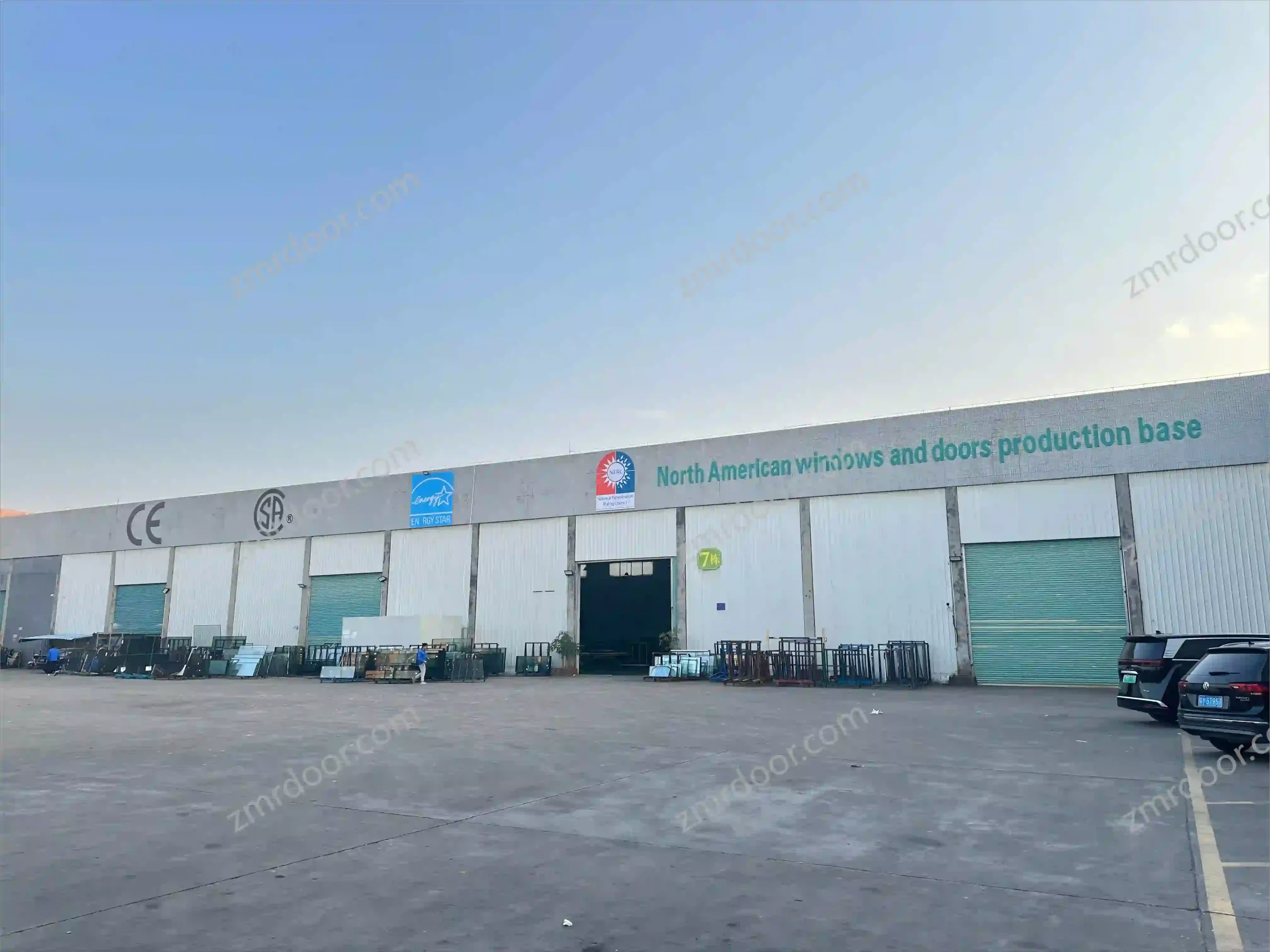
Spotlight: Premium China Aluminum Single & Modular Window Systems
Direct factory fenestration solutions engineered for severe weather compliance, thermal isolation, and architectural minimalism.
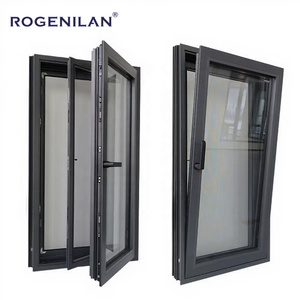
CE Certified Slim Narrow Frame Casement Window Hurricane Proof Sound Insulated Tilt Turn Aluminum Windows
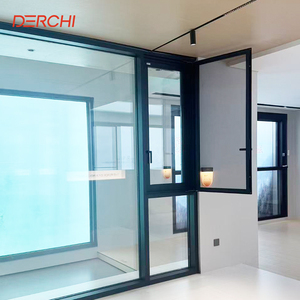
Minimalism Series Window Ultra Double Glass Aluminum Alloy Line Fixed Slimline Window Slim Profile Aluminium Casement Windows
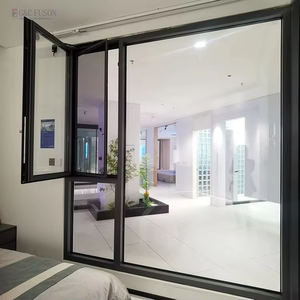
Fuson New Design America Style Vertical Casement Swing Aluminum Thermal Break Single and Double Hung Windows
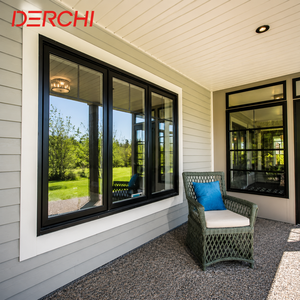
Powder Coating Aluminum Frame Glass Picture Window Waterproof French Aluminium Windows and Doors Panoramic Window
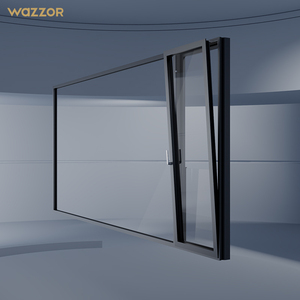
Wazzor Aluminum Window Manufacturers High-Quality Typhoon-Resistant And Energy-Saving Casement Windows Soundproof Windows
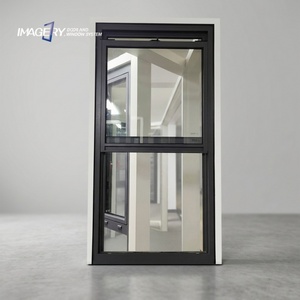
Custom Modern Vertical Sliding Aluminium Single-hung Tempered Glass Windows for Bathroom Houses
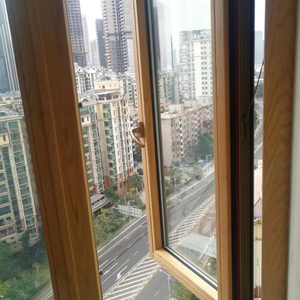
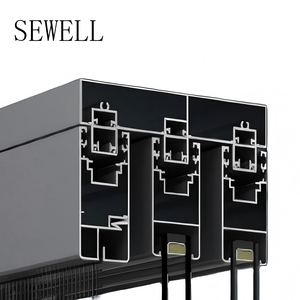
Hot Sale Aluminum windows Sliding Window Best Window Companies Double Glass Tempered Single-Hung Double Hung House Engineering
China Architectural Aluminum Manufacturing at a Glance
Quantifiable benchmarks defining top-tier fenestration exporters in Foshan, Guangdong.
1. Strategic Overview: The Evolution of China Aluminium Single Window Manufacturing
The global fenestration industry is undergoing a paradigm shift driven by stringent energy decarbonization standards (such as NFRC in North America and CE/EN 14351 in Europe), urban densification, and extreme weather frequencies. Within this global landscape, China—specifically the specialized industrial cluster of Foshan, Guangdong—has evolved from a volume-centric extrusion supplier into an advanced fenestration engineering hub. Modern China aluminum single window manufacturers combine fully integrated supply chains with automated CNC machining centers to yield precision custom windows at unprecedented economies of scale.
When procurement managers, facade consultants, and commercial real estate developers search for top China aluminum single window manufacturers, the evaluation parameters go far beyond surface aesthetics. Critical evaluation metrics center on structural alloy purity, multi-cavity thermal break extrusions, double/triple-pane insulated glass unit (IGU) seal integrity, and hardware durability under high wind-load cycles.
Anatomy of a High-Performance Single Window System
Single windows—encompassing single-hung, single-sash casement, single tilt-turn, and fixed single-frame modules—serve as foundational building elements across modern multi-family, hospitality, and custom residential master projects. Unlike basic residential windows, commercial-grade architectural aluminum single windows rely on meticulous material assembly:
- Structural Profile Materiality: Top manufacturers utilize primary 6063-T5 or 6063-T6 aluminum billets rather than scrap-blended alloys. T6 temper profiling ensures ultimate tensile strengths reaching upwards of 205 MPa, enabling ultra-slim frame sightlines capable of supporting heavy structural glass loads.
- Polyamide Thermal Breaks vs. PVC Infill: High-tier Chinese factories utilize reinforced Polyamide 66 with 25% glass fiber (PA66-GF25) thermal strips. This configuration prevents structural shear failure during extreme linear thermal expansion, isolating interior environments from harsh external heat transmission.
- Glazing Technologies: Integrated IGUs feature double-tempered or laminated glass units filled with 90%+ Argon gas, bounded by warm-edge butyl spacers and finished with dual-seal structural silicone to eliminate seal failure and internal fogging over 25+ year operational lifespans.
2. Future Sourcing Trends: Technological Innovations Shaping Single Window Manufacturing
As international energy performance mandates tighten, top Chinese window manufacturers are advancing several proprietary technology vectors. Importers and procurement agencies must align their specifications with these emerging macro trends:
Ultra-Slim Sightlines & Structural Glazing
Facade designs favor maximum visible light transmission (VLT). Manufacturers are reducing face-width profiles down to 25mm–45mm, embedding frame members within surrounding masonry while utilizing structural silicone bonding.
Typhoon & Impact Resistance Integration
Driven by climate volatility, export lines feature reinforced steel/aluminum insert sleeves and PVB/SGP laminated hurricane glass compliant with Florida Building Code (FBC) and ASTM E1886/E1996 standards.
Automated Electrochromic & Smart Hardware
Integration of concealed motor drives, multi-point lock actuators, and electrochromic dynamic glass that auto-adjusts Solar Heat Gain Coefficient (SHGC) via building management systems (BMS).
3. Structural & Thermal Performance Matrix by Window Type
Technical comparison chart to assist architectural engineers and project buyers in selecting appropriate single-window configurations.
| Window Configuration | Structural DP Rating | Thermal U-Factor (W/m²K) | Acoustic Insulation (STC) | Air Permeability & Water Sealing | Primary Target Application |
|---|---|---|---|---|---|
| Thermal Break Casement Single | DP65 - DP90 | 1.0 - 1.4 | 38 - 45 dB | Class 4 Air / 750 Pa Water | High-rise commercial, coastal villas |
| Vertical Single-Hung System | DP45 - DP60 | 1.4 - 1.8 | 32 - 38 dB | Class 3 Air / 450 Pa Water | North American multi-family housing |
| Tilt & Turn Single Sash | DP70 - DP100 | 0.8 - 1.2 | 40 - 48 dB | Class 4 Air / 900 Pa Water | Passive House developments, cold climates |
| Fixed Architectural Picture Window | DP80 - DP120+ | 0.9 - 1.3 | 35 - 42 dB | Class 4 Air / 1000 Pa Water | Panoramic luxury facades & retail shopfronts |
4. Why Partnering with Leading Foshan Manufacturers Ensures Project Success
Risk mitigation through factory-direct engineering rigors, comprehensive shop drawings, and pre-shipment assembly audits.
100% In-House Production
From raw profile aluminum extrusion and thermal strip insertion to automatic powder coating lines (Qualicoat certified) and IGU glass processing—every stage occurs under rigid ISO 9001 supervision.
BIM & Shop Drawing Expertise
Dedicated structural engineers convert architectural plans into detailed AutoCAD and Revit shop drawings, verifying thermal break alignments, drainage paths, and expansion joint clearances prior to cutting.
Pre-Assembly Inspection
Every finished order undergoes mock-up pre-assembly in the factory to test diagonal tolerance, sash operating torque, weatherstrip compression, and hardware lock engagement.
Export-Grade Heavy Packaging
Windows are protected with anti-scratch surface film, corner shock cushions, sea-worthy vacuum wrapping, and loaded into fully enclosed, steel-reinforced wooden crates labeled by floor/opening number.
Global Standards Compliance
Systems are tested and pre-certified to meet international compliance frameworks including AAMA/WDMA/CSA 101/I.S.2/A440 (NAFS), AS2047 (Australia), and CE EN 14351-1.
Dedicated Project Logistics Support
Complete container load planning, shipping documentation, and remote site installation support with spare hardware kits included in every containerized shipment.
5. Frequently Asked Questions (FAQ) for Global Procurement Managers
Direct answers addressing technical compliance, minimum orders, freight protection, and custom manufacturing capability.
What is the practical Minimum Order Quantity (MOQ) for custom aluminum single windows?
Because every commercial project requires tailored window schedule dimensions and glass build-ups, leading Chinese manufacturers maintain flexible MOQ policies. While container-load orders (20GP/40HQ) offer the highest ocean freight efficiency, single-project custom orders (starting around 30 to 50 square meters) are routinely accommodated. Consolidation shipping options are available for specialized luxury villa orders.
How do thermal break aluminum single windows compare with uPVC frames?
While uPVC offers low raw thermal conductivity, aluminum with PA66-GF25 polyamide thermal breaks delivers vastly superior structural strength, resistance to UV degradation, and flame retardancy. Aluminum allows for significantly thinner profile frames holding much larger, heavier double/triple glazed panels without frame sagging or warping over time.
Can Chinese window manufacturers engineering systems to pass local building codes (e.g., AAMA, NFRC, AS2047)?
Yes. Top-tier exporters engineer profiles specifically around target regional standards. This includes calculating required structural moment of inertia ($Ix$) for wind load pressures, selecting Low-E coatings to meet local Solar Heat Gain Coefficient (SHGC) limits, and providing official third-party test reports (Intertek, SGS, TUV) prior to mass fabrication.
What measures ensure zero glass breakage and frame scratching during international ocean freight?
Export packaging protocols mandate protective surface films on all extruded aluminum faces, rubber corner protectors, and foam interleaving between units. Assembled windows are packed inside fumigated ply-wood crates with internal steel banding, ensuring units withstand ocean vibration, crane handling, and tropical humidity variations.
What hardware brands are supplied with Chinese aluminum single windows?
Manufacturers offer multi-tier hardware integration. Premium lines utilize elite European hardware (such as Roto, Siegenia, Sobinco, or G-U) or top-tier Chinese architectural hardware brands (HOPO, Kin Long). Friction stays, multi-point locks, and handles are cycle-tested for over 50,000 continuous opening operations.
Ready to Engineer Your Window Schedule with Factory Direct Precision?
Submit your architectural drawings, window schedule, or project specifications today for a comprehensive engineering review, CAD drafting support, and factory-direct pricing quote.