Architectural Glass & Mesh Sliding Door Systems
Engineered in Foshan, China — Fabricated to International Standards (AS2047, CE, NFRC, Florida Building Code NOA)
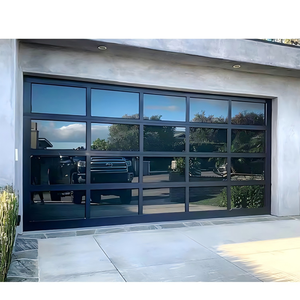
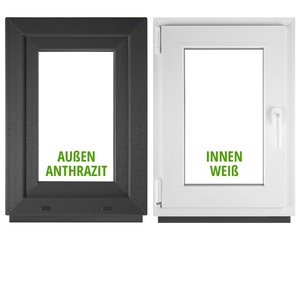
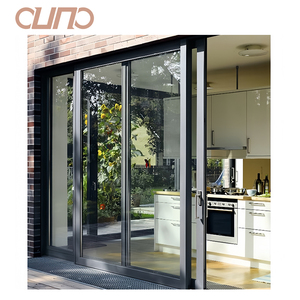
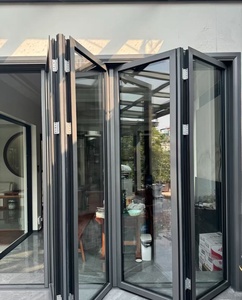
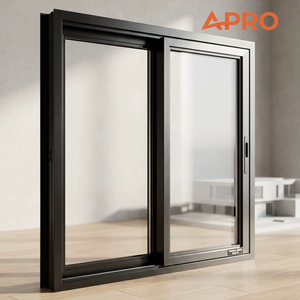
1. Technical Architecture of Modern China Aluminium Mesh Sliding Doors
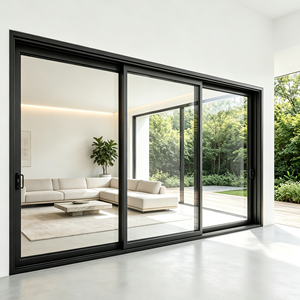
The global demand for high-performance fenestration has elevated aluminium mesh sliding doors from simple insect-screening solutions to essential components of architectural safety, energy efficiency, and modern residential aesthetics. Leading original equipment manufacturers (OEMs) and original design manufacturers (ODMs) in Foshan, China, have spearheaded significant advances in multi-track structural extrusions, integrating marine-grade stainless steel security mesh with thermal-break glass assemblies.
At their core, top-tier Chinese aluminium mesh sliding doors combine extruded 6063-T5 or 6063-T6 architectural-grade aluminium profiles with precision woven high-tensile 304 or 316 marine-grade stainless steel wire mesh. Unlike legacy fiberglass flyscreens that tear easily under physical force or degrade due to UV exposure, high-security mesh systems utilize structural tensioning clamping technology embedded within the sash profile. This structural synergy provides dual functionality: uncompromised ventilation with clear outdoor visibility alongside forced-entry protection capable of withstanding severe impacts and shear stress.
Core Anatomic Components of High-Security Mesh Sliding Door Systems
For commercial project dealers, real estate developers, and architectural specifiers, evaluating a manufacturer requires analyzing the four mechanical pillars of the door assembly:
- Heavy-Duty Extruded Alloy Frames: Profile wall thicknesses ranging from 1.6mm for standard patio openings to 3.0mm+ for structural high-rise and hurricane-impact applications.
- Thermal Barrier Integration: Incorporation of PA66-GF25 (25% glass-fiber reinforced polyamide) thermal break strips, effectively interrupting heat transfer between exterior metal faces and interior living zones.
- Woven 316 Stainless Steel Mesh (Crimsafe-Grade): High-tensile wire with wire diameter gauges typically scaled to 0.80mm or 0.90mm, woven into a precise 11x11 or 12x12 mesh grid per square inch, treated with anti-corrosion electrostatic powder coatings.
- Multi-Point German/Italian Locking Hardware: Heavy-duty gearboxes paired with stainless steel shoot bolts and anti-lift sashes that lock structural sashes simultaneously at top, center, and bottom points into the outer frame.
| Performance Parameter | Standard Flyscreen Sliding Door | Thermal-Break 304 Security Mesh Door | Heavy-Duty 316 Marine Security Mesh (VELTOR Spec) |
|---|---|---|---|
| Alloy Profile Spec | 1.2mm - 1.4mm (6063-T5) | 1.8mm - 2.0mm (6063-T5) | 2.0mm - 3.0mm (6063-T6 Structural Alloy) |
| Mesh Wire Material | Fiberglass / Standard Aluminum Mesh | 304 Grade Stainless Steel (0.7mm) | 316 Marine Grade Stainless Steel (0.8mm-1.0mm) |
| Shear & Impact Resistance | Low (< 50 Joules Impact) | Medium (> 350 Joules Impact) | Extreme (> 750 Joules / Knife Shear Passed) |
| Thermal Insulation (U-Value) | U ≥ 4.8 W/m²K (Non-thermal) | U ≈ 2.4 - 2.8 W/m²K | U ≤ 1.6 - 1.9 W/m²K (Low-E Double IGU) |
| Salt Spray Corrosion Test | 96 Hours (Standard Powder Coat) | 600 Hours (Fluorocarbon PVDF) | 3000+ Hours (AkzoNobel Interpon / PVDF) |
2. Global Sourcing & Procurement Trends for Aluminium Mesh Sliding Doors (2025–2030)
The globalfenestration market is undergoing a major shift toward high-performance envelope designs. As energy codes become stricter across North America (IECC standard updates), Australia (NCC 2022 thermal compliance), and Europe (EPBD requirements), foreign buyers sourcing from China must align their technical requisitions with four dominant procurement trends.
1. Ultra-Slim Sightline Minimalist Integration
Architects are shifting toward invisible outer frames with interlock profile widths down to 20mm–25mm. Manufacturers now integrate micro-woven security mesh into pocket sliding sashes without compromising wind-load structural resistance.
2. Dual-Track Hybrid Glazing + Mesh Systems
Rather than ordering separate flyscreen inserts, modern project specifications mandate integrated triple-track outer frames. This allows seamless operation of double Low-E insulated glass sashes alongside heavy-duty 316 security screens within one unified frame.
3. Carbon-Neutral Alloys & PVDF Surface Finishes
Large-scale commercial project tenders increasingly require environmental product declarations (EPDs). Leading Foshan factories are adopting recycled green aluminium billets processed using hydro-electric extrusion lines paired with VOC-free powder coatings.
Furthermore, procurement automation and BIM (Building Information Modeling) readiness have become crucial decision factors. Foreign importers no longer evaluate factories solely on unit price per square meter; they demand verified REVIT family models, precise CAD section details, and verified thermal performance modeling (LBNL THERM & WINDOW software logs) before issuing letters of credit or deposit payments.
Request Technical Shop Drawings & Factory Direct Wholesale Pricing
Whether you are specifying for a multi-unit luxury villa project or expanding your local dealership inventory, consult with our senior fenestration engineers in Foshan.
3. Enterprise Manufacturing Superiority: Why Foshan Leads Global Production
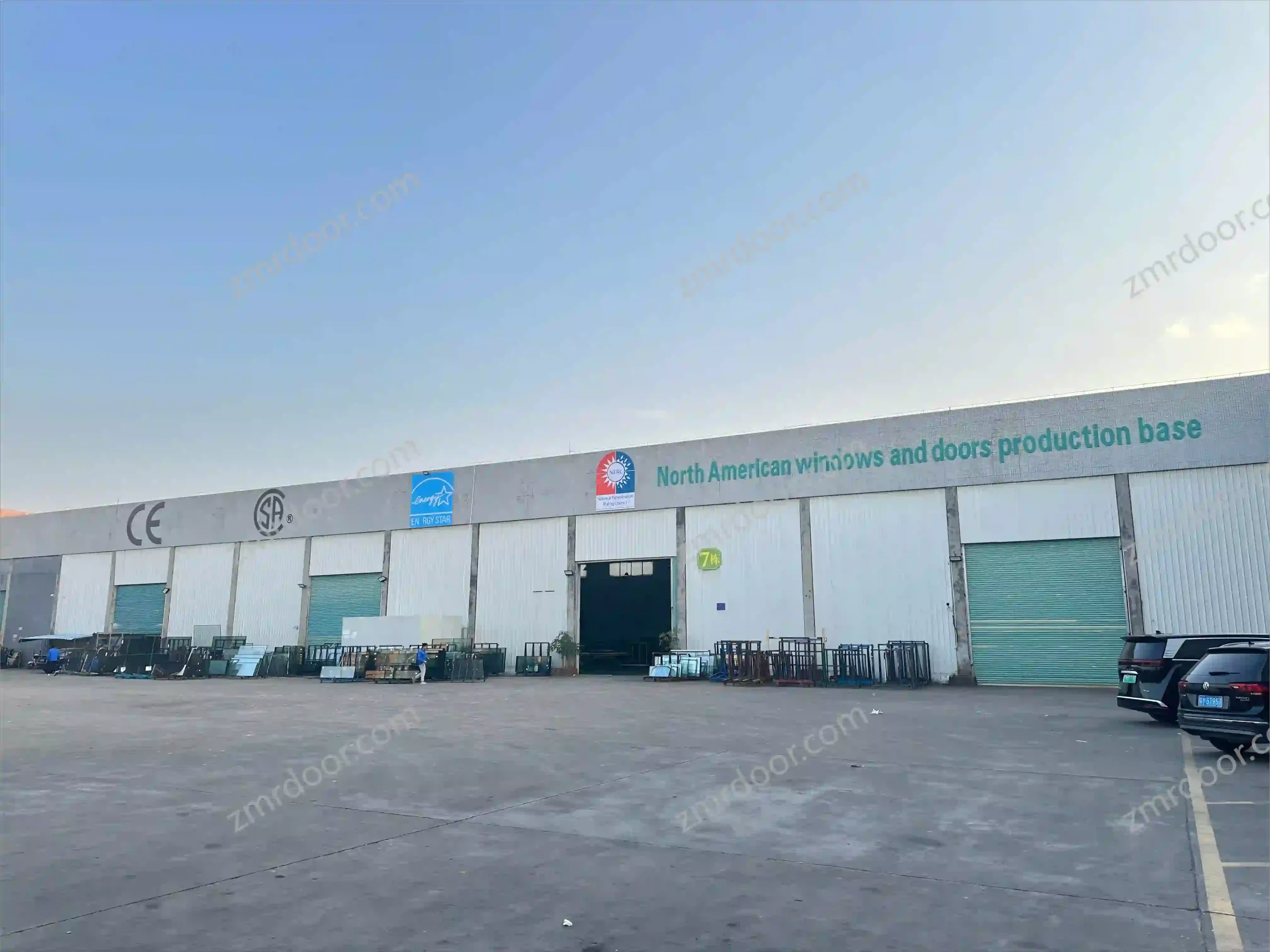
Foshan, Guangdong Province, remains the world's primary hub for architectural aluminium extrusion and customized window and door manufacturing. The localized supply chain ecosystem grants elite manufacturers unprecedented technical advantages, from mill-finish extrusion billet casting to automated glass tempering and CNC hardware machining within tight geographic radiuses.
As exemplified by industry pioneers like VELTOR Window & Door Co., Ltd. (operating out of Yiqiying Industrial Park, Shishan Town, Nanhai District, Foshan), the modern production workflow eliminates structural variability through computerized automation:
Automated CNC Milling & Cutting
Double-head mitre saws equipped with digital display linear encoders maintain cutting tolerances within ±0.2mm, ensuring air-tight corner crimping and perfect frame squareness.
In-House Glazing & Gas Injection
Automated insulated glass unit (IGU) assembly lines fill double and triple glass cavities with 95%+ pure Argon gas, sealed via dual-barrier butyl and structural silicone.
Heavy Export Packaging Standard
Finished frames undergo 100% pre-shipment trial assembly. Products are packaged with protective film, foam corner cushions, and loaded inside fully enclosed OSB wooden crates tagged by elevation mark.
Partnering directly with a Foshan factory that controls the complete production chain—from aluminum extrusion matrix design to final glass sealing—guarantees consistent lead times, full customization, and competitive factory-direct margins without middleman markups.
4. B2B Procurement FAQ: Critical Guidance for Importers & Contractors
Below are technical answers to common questions faced by international procurement managers, architects, and window importers when sourcing aluminium mesh sliding doors from China.
Partner With China's Premier Aluminium Mesh Sliding Door Manufacturer
Elevate your project's performance with factory-direct precision, certified quality control, and dedicated engineering support for global deliveries.