Featured Architectural Window & Door Product Catalogue
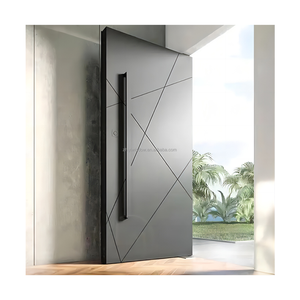
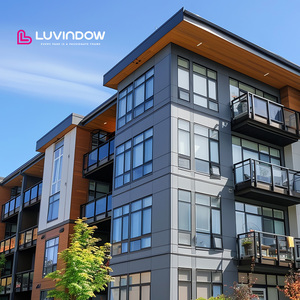
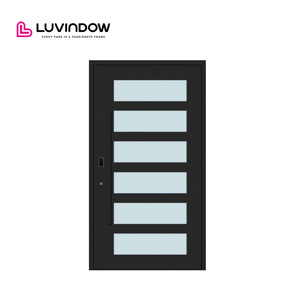
Explore our engineered range of high-performance aluminium hinged windows, heavy-duty bi-fold systems, and certified architectural entry doors directly fabricated at our Foshan manufacturing facility.
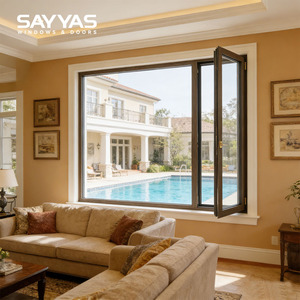
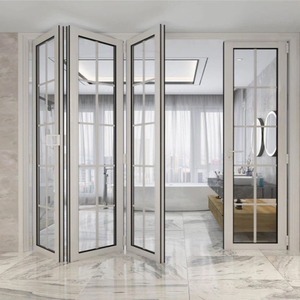
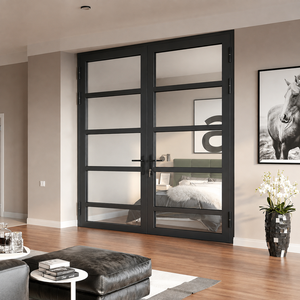
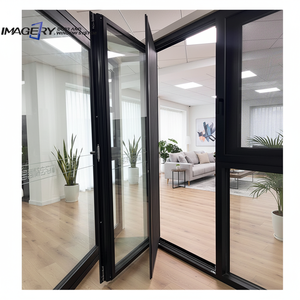
Industry Whitepaper: Engineering Standards of Aluminium Hinged Windows
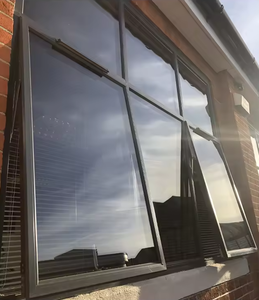
In modern architectural design, the window is no longer merely a transparent physical boundary; it functions as a high-performance envelope system responsible for thermal regulation, structural integrity, acoustic isolation, and long-term environmental resistance. As global energy efficiency mandates become increasingly stringent—evidenced by update iterations in North American NFRC/IECC standards and European EPBD directives—the demand for precision-engineered aluminium hinged windows (commonly classified as casement, tilt-and-turn, or side-hung window systems) has surged exponentially.
China has established itself as the world's primary manufacturing hub for architectural fenestration, with the Foshan industrial cluster in Guangdong leading the industry in extrusion technology, surface treatment processing, and dynamic hardware integration. Sourcing directly from top China aluminium hinged window factories allows international developers, general contractors, and trade distributors to capture substantial cost efficiencies while accessing custom-engineered fenestration solutions that meet or exceed local compliance standards, such as AAMA/WDMA/CSA 101/I.S.2/A440, AS2047, and EN 14351-1.
"Information Gain Insight: Selecting an OEM/ODM aluminium window manufacturer requires looking beyond surface aesthetics. Technical procurement criteria must prioritize profile metallurgy, glass fiber content in polyamide thermal breaks, EPDM gasket vulcanization methods, and wind load deflection limits (L/175 or L/240 structural ratios)."
1. Structural Metallurgy & Extrusion Profile Engineering
The foundation of any structural window assembly resides in its extruded aluminium profile. Industrial-grade architectural hinged windows rely almost exclusively on aluminium-magnesium-silicon alloys designated under ASTM standards as 6063-T5 or 6063-T6.
- 6063-T5 Temper: Artificially aged post-extrusion. Provides excellent tensile strength (minimum 150 MPa) and smooth surface quality ideal for high-precision powder coating and anodizing.
- 6063-T6 Temper: Solution heat-treated and artificially aged. Yields significantly higher yield strength (minimum 210 MPa), making it mandatory for high-rise commercial curtain walls, heavy swing doors, and extreme wind-load zones.
Standard residential profiles frequently utilize wall thicknesses between 1.4mm and 1.6mm. However, commercial-grade architectural hinged windows manufactured in top Chinese facilities utilize structural profile wall thicknesses ranging from 1.8mm to 3.0mm. This structural depth mitigates torsional displacement during operational cycles and prevents frame distortion under intense positive and negative wind pressures.
2. Advanced Thermal Isolation: Polyamide Strip Systems
Because uninsulated aluminium exhibits high thermal conductivity (≈ 201 W/m·K), high-efficiency fenestration requires a structural "thermal break" or thermal barrier. Premier Chinese factories utilize non-conductive mechanical thermal breaks comprising Polyamide 66 reinforced with 25% glass fiber (PA66GF25).
The inclusion of 25% short glass fibers aligns the thermal expansion coefficient of the polyamide strip (≈ 2.5 × 10⁻⁵/K) precisely with that of the surrounding aluminium extrusions (≈ 2.3 × 10⁻⁵/K). This mechanical parity prevents shear failure, delamination, or air-gapping when the window frame undergoes severe seasonal temperature differentials (−30°C to +70°C).
Multi-Chamber Extrusion Design
Internal profile geometry features split thermal chambers filled with expanded polyurethane (PUR) or aerogel insulation foam, driving frame U-factors down below 1.2 W/m²K.
Continuous EPDM Weatherstripping
Utilizes three-stage cellular EPDM (Ethylene Propylene Diene Monomer) gasket seals with vulcanized continuous corner joints to eliminate air infiltration and water ingress.
Insulated Glazing Unit (IGU) Integration
Supports double or triple glass configurations with Low-E hard/soft coatings, Argon gas fill (90%+ concentration), and warm-edge composite spacers (Swisspacer / Technoform).
3. Acoustic Attenuation & Glazing Configuration
Urban noise mitigation is a dominant procurement specification for hospitality and luxury residential projects. The sound transmission class (STC) of an aluminium hinged window is governed by mass, glass symmetry, and frame sealing. Standard single-pane windows achieve an STC rating of roughly 26–28 dB. By implementing dual-sealed thermal break frames fitted with asymmetric laminated double-glazed units (e.g., 6mm Tempered + 12A + 4mm Glass + 0.76mm PVB + 4mm Glass), top Chinese factories achieve acoustic attenuation ratings exceeding STC 42–45 dB.
4. Multi-Point Locking Architecture & Hardware Dynamics
The operational longevity and forced-entry resistance of a hinged swing window depend entirely on its hardware ecosystem. Chinese manufacturing leaders partner with premiere global hardware producers (such as Siegenia, Hoppe, Roto, and GU) as well as top-tier domestic hardware engineering firms (Kinguong, HOPO).
Key structural hardware components include:
- Heavy-Duty Friction Stays / Hinges: Fabricated from Austenitic Stainless Steel (SUS304 or SUS316) to withstand salt spray corrosion up to 1,000 hours (ASTM B117 testing). Supports sash weights up to 180 kg.
- Concealed Multi-Point Locks: Interlocking mushroom-head cams located around the sash perimeter that engage simultaneously into frame keep plates upon handle rotation, ensuring uniform gasket compression.
- Tilt-and-Turn Gearboxes: Dual-function mechanisms allowing inward opening for safe interior cleaning and top-tilting for draft-free background ventilation.
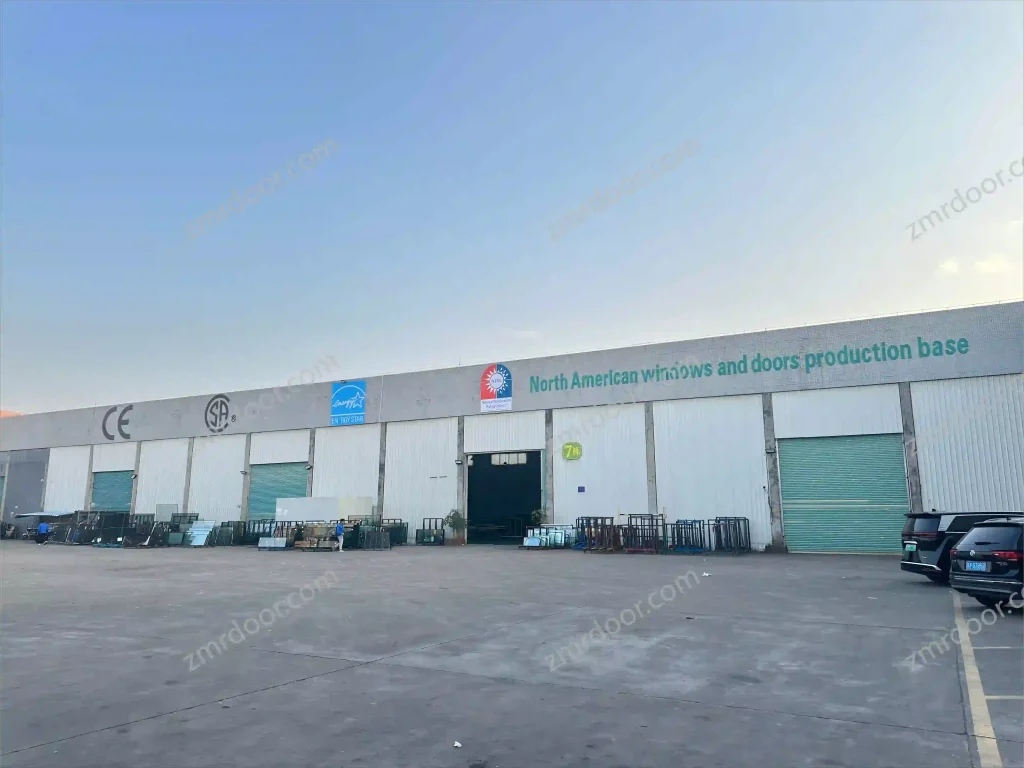
Manufacturing Infrastructure & Quality Control Protocols
Leading Foshan factories operate fully integrated production cycles under strict ISO 9001:2015 Quality Management Systems. Fabrication steps incorporate high-precision double-head miter saws, automated CNC machining centers for milling hardware lock pockets and drainage channels, and computerized corner-crimping machinery.
Corner joints are mechanically crimped around solid aluminium corner keys and injected with two-component polyurethane corner adhesive (e.g., Weiss Cosmogran). This procedure ensures structural rigidity, preventing corner seam splitting during thermal expansion cycles and guaranteeing absolute watertight tightness.
Technical Performance Specification Matrix
When preparing tender documentation or reviewing shop drawings, buyers should reference standardized performance metrics. The following matrix illustrates the performance spectrum available from custom aluminium hinged window suppliers in China:
| Performance Metric | Testing Standard | Standard Thermal System | Passive House Grade System |
|---|---|---|---|
| Thermal Transmittance (U-Value) | ISO 10077-2 / NFRC 100 | 1.6 – 2.2 W/m²·K (U 0.28 – 0.38) | ≤ 0.8 – 1.1 W/m²·K (U 0.14 – 0.19) |
| Air Permeability (Airtightness) | ASTM E283 / EN 12207 | Class 4 / ≤ 0.5 cfm/ft² | Class 4 / ≤ 0.05 cfm/ft² |
| Water Penetration Resistance | ASTM E331 / EN 12208 | 450 Pa – 600 Pa (Class E750) | 750 Pa – 1050 Pa (Class E1050) |
| Structural Wind Load Deflection | ASTM E330 / EN 12210 | 2500 Pa (Service Load) | ≥ 5000 Pa (Design Pressure ≥ 70 PST) |
| Acoustic Rating (Soundproof) | ASTM E90 / ISO 140-3 | STC 32 – 36 dB | STC 40 – 45+ dB |
| Forced Entry Resistance | ASTM F588 / EN 1627 | Grade 10 / RC2 | Grade 40 / RC3 – RC4 |
Future Sourcing & Procurement Trends (2025–2030)
The global architectural fenestration sector is undergoing a rapid transition driven by climate policy, smart building integration, and supply chain digitalization. International buyers sourcing aluminium hinged windows from China must align their procurement strategies with four key emerging industry trends:
1. Low-Carbon "Green" Aluminium Extrusions
Leading Chinese smelters and extruders are shifting to hydro-powered aluminium production and incorporating up to 80% post-consumer recycled aluminium. Sourcing low-embodied-carbon profiles allows developers to satisfy LEED v4.1 and BREEAM sustainability credits.
2. Ultra-Slim Sightlines & Concealed Sashes
Architectural aesthetic demand favors structural minimalist design. Modern hinged windows feature micro-frame profile sightlines (≤ 45mm frame width) and fully concealed hinges, maximizing daylight intake without compromising wind-load strength.
3. Building Automation & Smart Actuators
Integration of concealed 24V DC chain actuators connected to Building Management Systems (BMS). Windows automatically adjust sash openings based on indoor air quality (CO2 sensors), rain sensors, or smart home automation protocols (Zigbee/Matter).
Additionally, global supply chains are adopting Pre-Engineered Sub-assembly Consolidation. Rather than sourcing frames, glass units, and hardware accessories from disparate vendors, general contractors now request fully assembled, unitized window units packed in project-coded wooden crates. Each window frame is pre-drilled with installation flanges or sub-frame receivers, reducing on-site labor overhead by up to 40%.
Factory Capabilities & OEM Sourcing Advantages
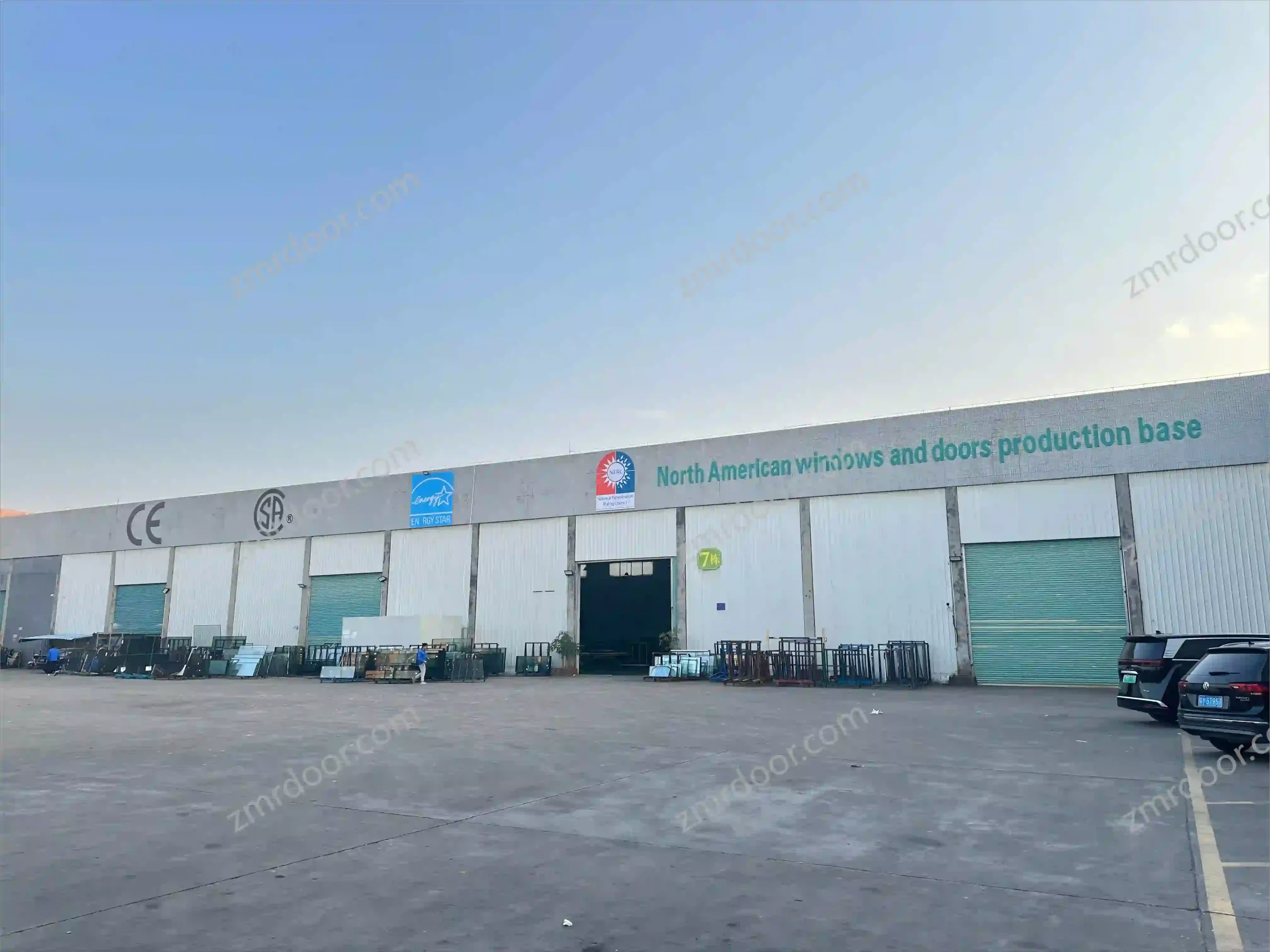
Partnering with a specialized Foshan manufacturer such as Veltor Window & Door Co., Ltd. provides direct operational advantages over trading intermediaries. Operating directly out of Shishan Town, Nanhai District—the heart of China's aluminium extrusion sector—our facilities provide end-to-end control over the fabrication value chain:
- Bespoke Structural Engineering: In-house CAD and BIM engineering teams convert architectural schedules into comprehensive shop drawings, verifying wind load deflections, structural anchors, and thermal simulations prior to metal cutting.
- Advanced Surface Finishing: Choice of Fluorocarbon (PVDF) coating for extreme coastal UV resistance, Qualicoat-certified powder coating in complete RAL color ranges, or deep-grain anodizing.
- Rigorous Pre-Shipment Quality Control: Every custom window order undergoes 100% dry-assembly testing, squareness verification, gasket seating check, and operational testing. Photo and video QC dossiers are compiled for buyer sign-off prior to container loading.
- Export-Ready Ocean Packaging: Finished windows are wrapped in protective anti-scratch film, fitted with impact-resistant corner guards, and fully enclosed in reinforced plywood crates stamped for ISPM 15 heat-treatment compliance.
Frequently Asked Questions (FAQ) for Sourcing Windows from China
Initiate Your Project Engineering Review Today
Send us your architectural window schedules, elevation plans, or target specification requirements. Our senior engineering team will evaluate your thermal, acoustic, and structural needs to provide custom shop drawings and factory-direct pricing.
Contact Us