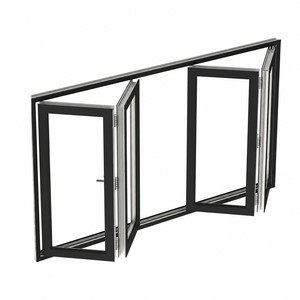
 Waterproof
Factory Direct Catalog
Featured Aluminium Folding Window & Door Systems
Precision-engineered fenestration units built in Foshan, China. Fully customizable for structural wind loads, sound insulation, and thermal performance standards globally.
Waterproof
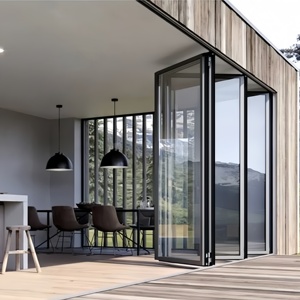 Double Glazed
Customized Wholesale Aluminum Doors And windows With Double Tempered Glazed Balcony Door Energy Efficient Aluminum Folding Door
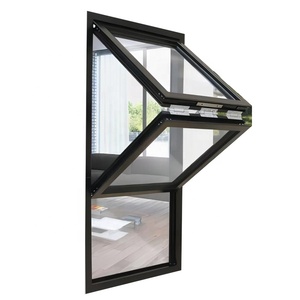 Vertical Bi-Fold
Manufacturer High Quality Home Aluminium Window Alloy Vertical Bi-folding Up Triple Glazed Others Balcony windows
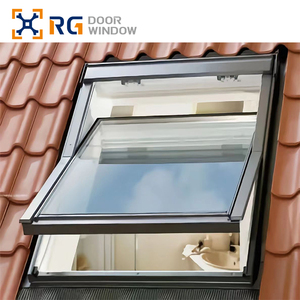 Middle Hanging
RG50 Manufacturer Wholesale Custom Waterproof Insulation High Quality Middle Hanging Aluminum Folding Glass Windows
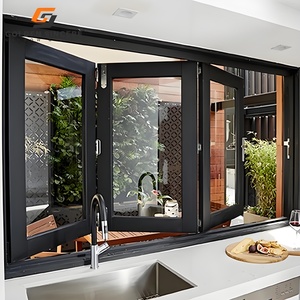 Soundproof
Wholesale Soundproof House Aluminum Folding Windows Security Aluminum Windows
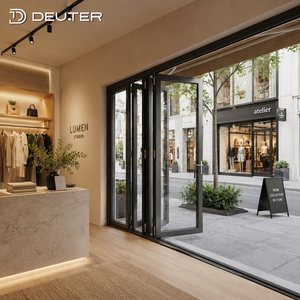 Panoramic
Panoramic Waterproof Aluminum Folding Glass Doors Thermal Break Large Opening Modern Exterior Accordion Bifold Patio Door System
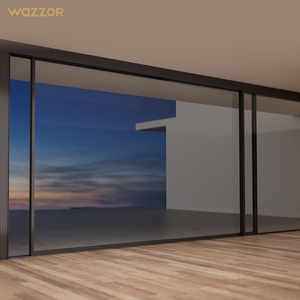 Hurricane Rated
Wazzor Hurricane Rated in Stock Double Tempered Glass Sliding Doors System Exterior Interior Balcony Patio Glass Aluminum Door
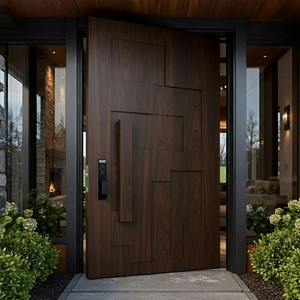 Luxury Pivot
Modern Aluminum Pivot Entry Door Luxury Exterior Front Door Thermal Break Custom Size Double Glass OEM ODM Manufacturer
6063-T5
Primary Alloy Grade
PA66-GF25
Thermal Barrier Strip
≤ 1.4 W/m²K
Thermal Transmittance (U-Value)
4500 Pa
Wind Load Resistance
Executive Summary: Sourcing Architectural Aluminium Folding Windows from China
In the global architectural and commercial building materials market, Aluminium Folding Windows (also known as bi-fold or accordion windows) have rapidly transitioned from luxury niche installations to essential high-performance building envelope solutions. Combining expansive panoramic sightlines, maximum structural clear openings, and superior indoor-outdoor transitions, these systems are heavily specified in modern residential villas, coastal resorts, high-end commercial dining, and multi-family residential developments.
China—specifically the specialized industrial cluster in Foshan, Guangdong Province—has established itself as the global manufacturing hub for advanced fenestration solutions. Factories in this region control over 70% of the world's high-precision aluminum extrusion, powder coating, anodizing, and insulated glass assembly operations. However, for commercial buyers, real estate developers, import distributors, and facade contractors, navigating the OEM/ODM landscape in China requires technical rigor. Selecting the right manufacturer requires looking beyond aesthetic profile design to evaluate alloy tempering, thermal break strip chemistry, continuous seal geometry, and structural hardware engineering.
1. Metallurgy & Alloy Quality: The Architectural Baseline
The foundation of any structural folding window lies in its aluminum profile chemistry. Premium China exporters utilize prime-grade 6063-T5 or 6063-T6 aluminum alloys. 6063 alloy offers an optimal balance of high tensile strength, excellent corrosion resistance, and superb surface finish quality suitable for architectural-grade fluorocarbon (PVDF) spraying and powder coatings.
Substandard suppliers often introduce recycled scrap aluminum, which increases profile brittleness, reduces wind-pressure deflection capability, and leads to premature surface oxidation under high-UV or coastal salt-spray environments. Verified export manufacturers adhere to strict wall thickness standards (typically 1.8mm to 2.2mm nominal wall thickness for primary load-bearing folding frames), ensuring compliance with international deflection limits (L/175 or L/240).
High-Tensile 6063-T6 Alloy
Engineered for heavy-duty structural sashes supporting glass weights up to 120kg per panel without sagging.
PA66-GF25 Polyamide Bars
25% glass-fiber reinforced thermal break strips preventing thermal bridging in extreme hot or cold zones.
Quadruple Gasket Sealing
Continuous automotive-grade EPDM weather-stripping delivering IP65 water barrier ratings and air tightness.
Next-Generation Technology & Development Trends in Folding Windows
As energy efficiency mandates tighten across North America (NFRC/IECC standards), Europe (CE / EN 14351-1), and Australia (AS2047 / AS1288), Chinese fenestration engineering has evolved rapidly. Below are the key technological advancements redefining modern folding window manufacturing:
A. Vertical Bi-Folding Up Mechanisms (Gas-Strut & Counterweight Systems)
Moving beyond conventional horizontal accordion folding, Vertical Bi-Folding Up Windows represent a major innovation for modern commercial kitchens, serving bars, and luxury residential pass-through spaces. Utilizing high-pressure pneumatic gas struts or concealed electrical actuator drives, the sashes fold vertically upwards and lock flush against the ceiling overhang. This provides an unobstructed horizontal counter opening while creating a natural overhead rain canopy.
B. Ultra-Slim Sightline Profiles with Concealed Hinge Systems
Architectural aesthetics demand maximum glass visual area. Next-generation folding window series reduce visible frame face widths down to 30mm – 45mm per sash interlocking stile. Heavy-duty stainless steel carrying rollers are fully concealed inside upper and lower track channels, eliminating clunky external barrel hinges. This minimal footprint maximizes natural daylight ingress while maintaining a sleek, modern architectural aesthetic.
C. Smart Sensor Integration & Motorized Accordion Walls
Large-scale commercial folding glass walls can now be fully integrated into smart building management systems (BMS). High-torque DC brushless motors driven by hidden belt drives allow button-controlled opening, remote smartphone app actuation, and automatic closing triggered by wind/rain sensors. Integrated magnetic reed switches communicate directly with home security infrastructure.
| Performance Parameter | Standard Non-Thermal Folding | Advanced Thermal Break Folding | Hurricane-Impact Rated Folding |
|---|---|---|---|
| U-Factor (W/m²K) | 2.8 – 3.5 W/m²K | 1.2 – 1.6 W/m²K | 1.4 – 1.8 W/m²K |
| Acoustic Rating (STC) | STC 25 – 28 dB | STC 38 – 42 dB | STC 40 – 45 dB |
| Wind Pressure Resistance | 1500 – 2200 Pa | 3000 – 4000 Pa | 4500 – 6000+ Pa (ASTM E1300) |
| Water Tightness Rating | 250 Pa | 450 Pa (High Threshold) | 700+ Pa (Sub-Sill Drain System) |
| Hardware Load Rating | 50 kg / Panel | 100 kg / Panel | 150 kg / Panel |
Future Procurement & Global Sourcing Trends (2025–2030)
Global supply chain dynamics for architectural building materials are shifting from simple unit cost evaluation to total lifecycle cost analysis, decarbonization, and supply-chain transparency. Importers and developers sourcing aluminium folding windows from China should gear their procurement strategy around three pivotal macro trends:
1. Mandatory EPD (Environmental Product Declaration) & Carbon Footprint Tracking
With the European Union's Carbon Border Adjustment Mechanism (CBAM) and strict LEED v4.1 green building credits in North America, leading China factories are obtaining third-party verified EPD certificates. Advanced smelters utilize low-carbon hydroelectric power for aluminum ingot smelting, dramatically reducing embodied carbon per metric ton of extruded profile.
2. Prefabricated Unitized Assemblies & Modular Knock-Down (KD) Shipping
Ocean freight logistics costs dictate that shipping "air" inside fully assembled window frames is economically inefficient. The market is shifting toward Knock-Down (KD) precision kits. Premium factories pre-crimp corners, pre-drill hardware locations on CNC machining centers, insert weather gaskets, and ship frames disassembled alongside glass packs. On-site assembly times are reduced by up to 60%, while container volumetric efficiency increases by 300%.
3. Hybrid System Standardizations (Multi-Region Compliance)
Export factories are moving away from single-market profile designs. Modern profile series are engineered with standardized European-groove (C-groove) hardware channels, allowing buyers to specify native hardware options—such as German Siegenia / Roto, American Truth Hardware, or premium Chinese HOPO / CMECH systems—without modifying the aluminum extrusions.
Enterprise Capability: Factory-Direct Advantage (Foshan Manufacturing Hub)
As represented by industry leaders such as Veltor Window & Door Co., Ltd. (based in Shishan Town, Nanhai District, Foshan), real manufacturing strength relies on end-to-end quality control and complete vertical integration under one roof:
In-House Precision CNC Fabrication
Double-head saw cutting with 0.1mm tolerance. Automated CNC routing for lock boxes, hinge seats, and weep holes.
Strict Quality Management
ISO 9001 certified manufacturing workflow with 100% pre-shipment mock-up assembly and air/water pressure chamber testing.
Export Packaging Integrity
Fully enclosed, fumigated wooden crates with foam edge protectors and waterproof shrink wrap preventing ocean freight transport damage.
Frequently Asked Procurement Questions (B2B FAQ)
Find technical answers to common questions asked by project buyers, import dealers, architectural specifiers, and contractors before placing bulk orders.
What is the structural minimum order quantity (MOQ) for custom project orders?
Because every opening schedule is custom-engineered to architectural drawings, flexible factory direct programs accept project-based orders starting at 1 standard 20ft container (approx. 150 – 200 sq.m) or consolidated LCL orders for sample projects. For established dealers and distributors, sample kits and corner section displays are supplied upon request.
How do thermal break folding windows perform in sub-zero climates?
Thermal break systems incorporate high-density Polyamide PA66-GF25 insulating strips that separate the exterior and interior aluminum profiles. Combined with double or triple-pane insulated glass units (IGUs) filled with Argon gas, warm-edge spacers, and Low-E coatings, system U-factors drop below 1.4 W/m²K (0.25 BTU/hr·ft²·°F). This prevents interior frost formation and eliminates condensation down to -30°C.
Can Chinese folding window factories meet local building codes like AS2047, NFRC, or CE?
Yes. Leading export manufacturers engineer their profile sections specifically to comply with target destination codes:
- Australia / New Zealand: AS2047 (Deflection & Water Penetration) and AS1288 (Safety Glazing).
- North America: AAMA/WDMA/CSA 101/I.S.2/A440 (NAFS) and NFRC thermal ratings.
- Europe: EN 14351-1 CE marking with certified factory production control (FPC).
What is the difference between top-hung and bottom-rolling folding window tracks?
Top-Hung Systems: The main weight of the folding panels hangs from the upper structural header beam. This allows smooth, effortless gliding and leaves a completely flush floor threshold. However, it requires a reinforced overhead beam capable of carrying heavy structural loads.
Bottom-Rolling Systems: The panel weight rests on heavy-duty rollers running along the floor track. This is ideal for renovation retrofits or structures where the overhead lintel cannot carry heavy load-bearing forces.
Bottom-Rolling Systems: The panel weight rests on heavy-duty rollers running along the floor track. This is ideal for renovation retrofits or structures where the overhead lintel cannot carry heavy load-bearing forces.
How are glass units safely packaged to prevent breakage during ocean transit?
Glass units are manufactured using fully tempered or laminated safety glass certified under SGCC (ANSI Z97.1) or EN 12150. For export shipping, units are wrapped in protective polyethylene film, fitted with plastic corner guards, separated by rubber cork pads, and packed inside fully sealed, fumigated plywood crates reinforced with steel strapping.
What is the typical production lead time after drawing approval?
Standard production lead time is 25 to 35 business days following final CAD shop drawing confirmation and deposit receipt. Specialized powder coating colors (Ral custom matches), wood-grain sublimation transfers, or custom glass lamination (e.g. Vanceva color interlayers) may add 7 to 10 days to the schedule.
Ready to Request Shop Drawings & Wholesale Quotations?
Connect directly with our engineering team in Foshan. Send your window schedules, architectural elevations, or structural specifications for a comprehensive factory quote within 24 hours.