Featured Commercial & Residential Fenestration Systems
Direct-from-factory architectural window and door solutions verified for wind-load performance, thermal breaks, and structural durability.
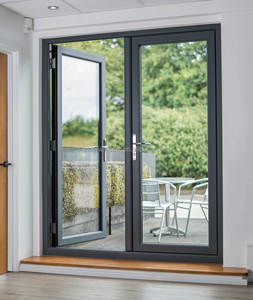
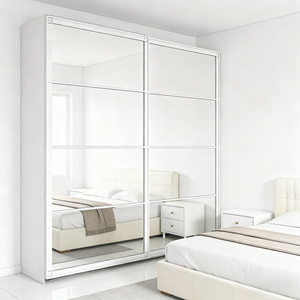
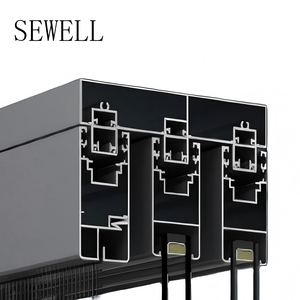
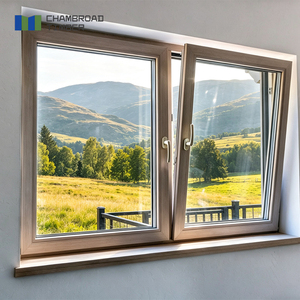
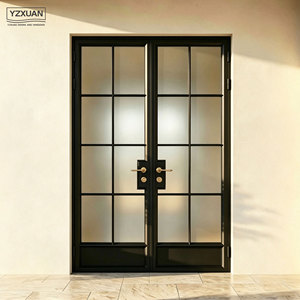
1. Executive Summary & Sourcing Baseline for Architectural Fenestration
In global architectural design and B2B building material procurement, aluminum patio windows and exterior door systems represent a critical nexus of structural integrity, operational longevity, and thermal envelope efficiency. As international energy efficiency mandates—such as ASHRAE 90.1 in North America and EN ISO 10077 in the European Union—tighten performance thresholds, commercial developers, fenestration importers, and general contractors are pivoting toward high-precision engineered aluminum profiles.
Selecting an export manufacturer is no longer merely a transaction focused on unit pricing. It demands an exhaustive evaluation of material science, structural engineering standards (such as Design Pressure ratings and Florida NOA impact certifications), extruded profile metallurgy, and supply chain accountability. This whitepaper analyzes the market dynamics, technological innovations, and leading manufacturing hubs driving the global export market for aluminum patio windows and large-format sliding door assemblies.
Information Gain Insight: Beyond Standard Extrusions
Modern architectural specifications require PA66GF25 (Polyamide 66 with 25% Glass Fiber reinforcement) thermal break strips rather than poured-and-debridge polyurethane systems for long-span patio applications. PA66 strips match the thermal expansion coefficient of aluminum, preventing structural delamination under extreme temperature differentials.
2. B2B Sourcing & Procurement Trends in Global Aluminum Fenestration (2025–2030)
The global market for aluminum windows and patio doors is transitioning through significant structural shifts driven by regulatory evolution, automated manufacturing, and climate adaptation requirements. B2B buyers must structure their global procurement strategies around four macro-trends:
Decarbonized & Recycled Extrusions
Institutional developers increasingly request low-carbon primary aluminum billets produced using hydroelectric power, alongside post-consumer scrap content exceeding 75%. Environmental Product Declarations (EPDs) are becoming mandatory for LEED v4.1 points.
Hyper-Slim Sightlines & Embedded Frames
Architectural preference has shifted toward ultra-narrow interlocking stiles (down to 18mm visible width) with sub-floor drain tracks. These systems maximize natural daylighting while maintaining structural load capacity for high-wind coastal environments.
Pre-Engineered Code Compliance
Cross-border procurement now demands turnkey certification packages. Top-tier exporters provide direct testing documentation for NFRC thermal metrics, CSA fenestration compliance, and Australian AS2047 structural deflection standards prior to shipping.
3. Product Engineering & Material Science Development Trends
The functional performance of an aluminum patio window or door system hinges on continuous engineering advances in profile geometry, glazing technology, and surface treatment resilience.
A. Thermal-Break Profiling & Multi-Cavity Insulation
Uninsulated single-extrusion aluminum profiles exhibit high thermal conductivity ($K \approx 200 \text{ W/m}\cdot\text{K}$), leading to internal condensation and severe energy loss. Advanced export systems utilize multi-cavity thermal break designs where polyamide strips create an isolated barrier within the profile core. Infilling these internal chambers with expanded polyolefin (EPO) foam or aerogel insulation enables frame U-values ($U_f$) as low as $1.0 \text{ W/m}^2\cdot\text{K}$.
B. Insulated Glass Unit (IGU) & Warm-Edge Interlayers
Glass accounts for over 80% of a patio opening's surface area. Modern specifications require double or triple-pane IGUs integrated with soft-coat Low-Emissivity (Low-E) coatings, argon or krypton gas fills, and warm-edge composite spacers (e.g., Technoform or Swisspacer) in place of conventional aluminum spacer bars. This configuration reduces edge-of-glass thermal bridging and raises the condensation resistance factor (CRF).
C. High-Durability Architectural Surface Finishes
Exported aluminum patio windows operating in marine or tropical environments demand robust surface protection against salt spray corrosion and ultraviolet degradation. Key finishing technologies include:
| Finish Category | Technical Specification | AAMA Standard | Target Environment |
|---|---|---|---|
| PVDF Fluorocarbon Spray | 70% Kynar 500 / Hylar 5000 Resin, 3-Coat System (≥30μm) | AAMA 2605 | Extreme UV exposure, coastal areas within 1 mile of ocean |
| Architectural Powder Coating | Super Durable Polyester Resin (≥60-80μm) | AAMA 2604 | Standard commercial, mid-rise residential, continental climate |
| Electrophoretic Anodizing | Class I Anodized Film (≥18μm) + Sealed Electro-coat | AAMA 611 | High-traffic urban storefronts, modern industrial aesthetic |
4. Comprehensive Evaluation: Top 10 Aluminum Patio Windows Suppliers & Exporters
To assist procurement directors and project managers, the following evaluation matrix details 10 leading global manufacturers and exporters of aluminum patio windows and sliding door systems. Suppliers are evaluated based on engineering capabilities, certification compliance, manufacturing footprint, and export performance.
Headquarters: Foshan, Guangdong, China
Core Specialization: Custom thermal-break aluminum patio windows, ultra-slim sliding doors, bi-fold systems, and engineered commercial curtain walls.
Technical Capabilities: Operating from Foshan—the epicenter of global aluminum extrusion—VELTOR integrates in-house CNC profile machining, thermal barrier strip insertion, and automated IGU assembly. Fully certified to NFRC, CSA, CE, and AS2047 standards with 100% pre-shipment mock-up assembly testing.
Headquarters: Bielefeld, Germany
Core Specialization: Premium aluminum window systems, sliding patio walls, and smart home fenestration controls.
Technical Capabilities: Renowned for high precision, system engineering, and rigid European energy code compliance. Operates extensive licensing partner networks globally.
Headquarters: Duffel, Belgium
Core Specialization: Architectural sliding doors, high-insulation casements, and bespoke structural glazing.
Technical Capabilities: Industry leader in sustainable circular aluminum systems with high structural wind-load parameters and advanced acoustic attenuation profiles.
Headquarters: Tokyo, Japan
Core Specialization: Residential patio windows, high-rise commercial window walls, and hurricane-impact fenestration.
Technical Capabilities: Vertical integration ranging from raw aluminum alloy formulation to final hardware fabrication, with strong distribution across Asia and North America.
Headquarters: Padrón, Spain
Core Specialization: Minimalist patio sliding doors, concealed-sash windows, and acoustic exterior barriers.
Technical Capabilities: Deep expertise in ultra-slim frame profiles with large glass surface ratios and integrated thermal break technologies.
Headquarters: Bayport, Minnesota, USA
Core Specialization: Aluminum-clad patio doors, residential sliding glass walls, and custom wood-aluminum hybrid units.
Technical Capabilities: Focuses on North American single-family and mid-rise multi-family residential codes, providing high thermal efficiency ratings.
Headquarters: Toulouse, France
Core Specialization: Architectural aluminum windows, commercial sliding doors, and low-carbon extruded structures.
Technical Capabilities: Utilizes CIRCAL post-consumer recycled aluminum alloys, providing high sustainability metrics for BREEAM and LEED projects.
Headquarters: Phoenix, Arizona, USA
Core Specialization: Large-format multi-slide patio doors, bi-folding glass walls, and pocketing door systems.
Technical Capabilities: Engineered for wide-span opening transitions, utilizing thermal-break aluminum frames designed for arid and sun-intensive climates.
Headquarters: Dallas, Texas, USA
Core Specialization: Storefronts, entrance doors, architectural patio glazing, and curtain wall extrusions.
Technical Capabilities: Large-scale industrial manufacturing capabilities catering primarily to North American commercial construction and high-occupancy developments.
Headquarters: Corona, California, USA
Core Specialization: Luxury modern patio windows, minimal-frame sliding systems, and heavy-duty stainless hardware assemblies.
Technical Capabilities: Focuses on high-end custom residential estate projects, featuring precision roller bearings and thermal barrier extrusions.
5. Enterprise Advantages & Operational Capabilities: Veltor Window & Door Co., Ltd.
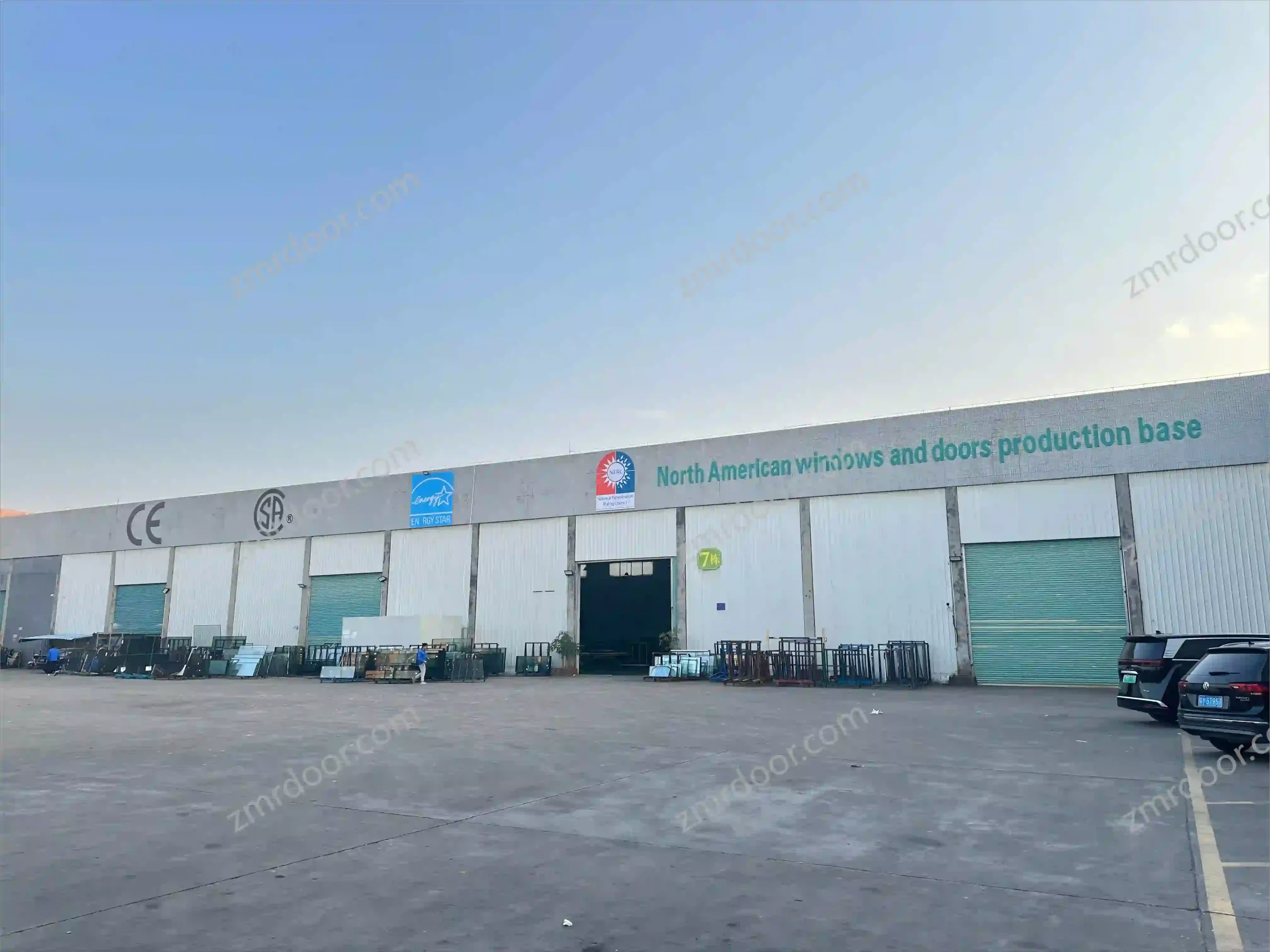
Positioned directly in Nanhai District, Foshan, Guangdong—China's premier manufacturing ecosystem for architectural aluminum extrusions—Veltor Window & Door Co., Ltd. (VELTOR) operates as a primary factory-direct manufacturer and exporter for international builders, project dealers, and commercial developers.
Direct Supply Chain Control from Foshan Hub
By leveraging Foshan's concentrated industrial chain, VELTOR sources premium 6063-T5/T6 alloy profiles, Technoform polyamide strips, and top-tier glass units with minimized transit overheads, translating directly into competitive FOB/CIF project pricing without sacrificing technical tolerance.
Core Operational Strengths:
- Custom Shop Drawings & BIM Modeling: Prior to production, VELTOR's engineering department converts architectural elevations into detailed shop drawings and 3D CAD/BIM models, verifying structural anchoring, drainage weeping, and wind-load deflections.
- Rigorous Testing Protocols: Every production batch undergoes strict internal verification for air infiltration (ASTM E283), water penetration resistance (ASTM E331), and structural load capacity (ASTM E330).
- Export-Ready Protective Crating: Glass units and finished aluminum frames are protected with anti-scratch film, rubber corner guards, and encapsulated within fumigated solid wooden crates labeled by building grid location and opening number for seamless jobsite organization.
- International Certification Compliance: Products are engineered to pass third-party testing for NFRC thermal metrics, European CE standards, Canadian CSA fenestration compliance, and Florida NOA hurricane impact codes.
6. B2B Sourcing & Technical Procurement FAQ
Below are critical technical inquiries handled by fenestration specialists during international project procurement:
Because every window and door assembly is custom-fabricated according to project-specific shop drawings and opening schedules, VELTOR accommodates single-estate luxury villa orders as well as full container-load (20GP/40HQ) commercial developments. Sourcing efficiency is typically optimized at container level to lower freight costs per unit.
Polyamide 66 reinforced with 25% glass fiber (PA66GF25) exhibits an extremely low thermal conductivity rate. Interlocking these strips between outer and inner aluminum profile chambers prevents heat energy from transferring through the metal frame. Combined with Low-E double or triple-pane insulated glass, frame U-values can drop below $1.2 \text{ W/m}^2\cdot\text{K}$, eliminating winter cold drafts and condensation risk.
Yes. For hurricane zones such as Florida, the Caribbean, and coastal Australia, systems are engineered with heavy-wall 6063-T6 extrusions (wall thickness ≥ 2.0mm to 3.0mm), laminated impact glass interlayers (PVB or SGP Ionoplast), and multi-point concealed locking mechanisms tested to withstand cyclic wind pressures exceeding 70 PSF (Pounds per Square Foot).
For installations within 1 mile (1.6 km) of saltwater coastlines, a 70% PVDF (Polyvinylidene Fluoride) 3-coat spray finish conforming to AAMA 2605 or a Class I Anodized coating (AAMA 611) is recommended. These coatings resist salt fog corrosion, blistering, and color fading under high solar irradiance.
VELTOR conducts a 100% pre-shipment dry-fit assembly check on all engineered units. Frames are clamped, hardware tracks are verified, locking rollers aligned, and corner seals inspected on factory test benches before final crating. High-resolution photo and video inspection reports are provided to the buyer prior to dispatch.
Standard lead times range between 25 to 35 calendar days following shop drawing sign-off and deposit confirmation. Specialized powder coat colors, custom glass laminates, or rare hardware configurations may extend lead times by 7 to 10 days. Express project scheduling is available for time-sensitive commercial projects.
Request a Comprehensive Architectural Specification & Direct Factory Quote
Connect directly with VELTOR’s senior fenestration engineering team in Foshan. Send your window schedules, CAD elevations, or performance requirements for immediate review.
Get Catalog