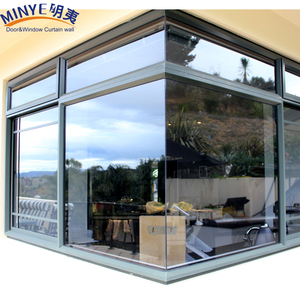
1. Architectural Engineering & Structural Physics of Double Hung Aluminum Windows
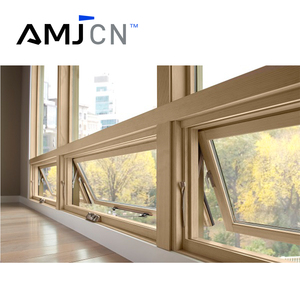
Double hung aluminum windows represent a cornerstone of modern architectural fenestration, offering timeless aesthetic versatility paired with dual-sash vertical ventilation. Unlike single hung systems where only the lower sash operates, double hung configurations permit both top and bottom sashes to move vertically. This mechanical design harnesses natural convection principles: cool, dense ambient air enters through the lower sash opening while warm, stale indoor air rises and escapes through the upper opening.
From a structural engineering perspective, manufacturing commercial-grade aluminum double hung windows requires rigorous alloy selection and precise counter-balance calibration. Standard residential vinyl windows suffer from thermal expansion deformation, sash deflection under wind loads, and frame degradation. Conversely, architectural 6063-T6 extruded aluminum profiles provide superior structural integrity, permitting expansive glass areas with micro-slim sightlines that pass stringent ASTM E330 wind load testing.
Information Gain: Thermal Break Structural Dynamics
Traditional non-thermal aluminum frames exhibit high heat conductivity (approx. 160 W/m·K). Premium exporters featured in this guide utilize advanced PA66-GF25 (25% Glass Fiber Reinforced Polyamide) thermal insulating strips. This structural bridge isolates the interior aluminum profile from the exterior profile, reducing frame thermal conductivity to under 2.0 W/m²K and preventing condensation in extreme cold or tropical climates.
Sash Counter-Balance Physics
High-end double hung units replace obsolete weight-and-pulley hardware with heavy-duty constant force coil spring balances or block-and-tackle balances rated for 100,000+ opening cycles.
Weatherstripping Architecture
Triple-sealed continuous EPDM perimeter gaskets combined with high-density finned weather-piles drastically reduce air infiltration rates below 0.1 cfm/ft² (ASTM E283).
Tilt-In Cleaning Ergonomics
Integrated tilt-latches allow both sashes to swing inward at 90-degree angles, facilitating effortless exterior glass maintenance from inside high-rise structures.
2. Global Evaluation: Top 10 Aluminum Double Hung Windows Factories & Exporters
Selecting an OEM/ODM manufacturing partner requires assessing technical capabilities, extrusion precision, surface treatment quality, and export compliance. Below is the definitive 2025 industry benchmark analysis of the leading factories and export clusters across the globe.
| Rank / Enterprise Hub | Core Manufacturing Advantage | Extrusion & Coating Standard | Target Export Markets | Quality Certification |
|---|---|---|---|---|
| 1. Foshan VELTOR Window & Door | Custom structural thermal-break double hung systems, CNC automated fabrication & full BIM engineering support. | Qualicoat Class 2 PVDF / AkzoNobel Powder Coating | North America, Australia, EU, UAE | ISO9001, AS2047, NFRC, CE |
| 2. Schüco International (Germany) | Ultra-premium European structural engineering, integrated smart automation & passive house profiles. | DIN EN 12020 Anodized & Powder Coated | Global Tier-1 Commercial Projects | Passivhaus Institut, CE, EN 14351 |
| 3. Reynaers Aluminium (Belgium) | Architectural minimalist slim frames, high structural wind-load resistance and bespoke hardware integrations. | Qualanod / Qualicoat Seaside Standard | Europe, North America, Middle East | ISO 14001, CE, BREEAM Certified |
| 4. YKK AP Inc. (Japan/USA) | High-volume commercial curtain wall integration, robust double hung unitized structural balances. | Anodized AAMA 611 / AAMA 2605 | North America, Asia-Pacific | AAMA, NFRC, IGCC |
| 5. APRO Building Materials (Guangzhou) | Heavy-duty impact-resistant hurricane frames, custom sun louvers and architectural bifold integration. | Standard Fluorocarbon PVDF Spray | Southeast Asia, Australia, Caribbean | AS2047, ISO9001 |
| 6. Andersen Architectural (USA) | Fibrex & aluminum clad wood composite double hung windows engineered for historic restoration. | AAMA 2604 / Composite Shield | USA, Canada | ENERGY STAR, NFRC |
| 7. Kawneer / Arconic (USA) | Institutional & commercial heavy commercial double hung windows (AAMA AW Class rated). | High-Performance Anodized / PVDF | Global Commercial Projects | AAMA AW Class, LEED Compliant |
| 8. JELD-WEN Windows & Doors | Global retail & multi-family builder supply, standardized double hung sizing and clad systems. | Factory Baked-On Enamel Coating | North America, Europe | NFRC, WDMA, CE |
| 9. Technal (Hydro Group, France) | Recycled low-carbon aluminum profiles (CIRCAL 75R) with modern architectural double hung sash optics. | Qualicoat Premium Coastal Grade | Europe, South America, Africa | Cradle to Cradle, CE |
| 10. Wicona (Germany) | Complex facade integrations, specialized acoustical glass double hung window modules. | EN ISO 2409 High Corrosion Resistance | Europe, Asia, Middle East | DIN EN 9001, ISO 50001 |
*Data synthesized via international fenestration testing reports, export volumes, and factory extrusion capacities (Updated Q1 2025).
3. Future Product & Technology Development Trends (2025–2030)
The global window and door market is experiencing a massive paradigm shift driven by stringent carbon-neutrality mandates, urban acoustic mitigation requirements, and smart home automation. Forward-thinking aluminum double hung window factories are investing heavily in four core technological vectors:
1. Aerogel & Vacuum Insulated Glass (VIG) Integration
Traditional double glazing (Igus) is rapidly evolving. Next-generation double hung sashes are engineered to accept 8mm–12mm Vacuum Insulated Glass units, delivering U-factors as low as 0.60 W/m²K (R-10 equivalent) in a profile slim enough for classic restoration projects without excessive sash weight.
2. Concealed Motorized Actuators & Smart Micro-Ventilation
Hidden 24V DC linear chain actuators embedded within the aluminum side jams enable automated vertical opening controlled by indoor air quality (IAQ) CO2 sensors or smartphone apps, complete with motorized auto-locking rain shutoff technology.
3. Circular Low-Carbon Aluminum Alloy Billets
Global architectural specifications increasingly require Environmental Product Declarations (EPDs). Leading exporters utilize primary billets smelted using renewable hydro-power or minimum 75% post-consumer recycled aluminum, cutting carbon intensity from 18 kg CO2/kg Al to below 4.0 kg CO2/kg Al.
4. Future Procurement Trends for B2B Importers & Project Contractors
The traditional model of importing standardized window inventory is giving way to direct-from-factory custom engineering. Commercial developers, facade contractors, and regional window distributors must navigate new procurement realities:
- BIM-to-FAB Direct Workflows: Importers require factories to ingest Revit (.RVT) and IFC files directly into 5-axis CNC extrusion cutting machines, eliminating manual shop-drawing conversion errors.
- Consolidated Mixed-Container Shipping: Sourcing projects require single-source supplier capabilities—combining double hung windows with thermal break casements, bi-fold doors, and curtain wall louvers in custom-numbered plywood crates mapped to specific building elevation grids.
- Pre-Coded Compliance Packaging: Overseas buyers mandate full factory pre-assembly, water-penetration chamber testing verification videos, and clear NFRC/CE thermal performance labeling before container loading.
For immediate technical consultations or shop-drawing reviews on upcoming projects, reach out to our engineering team directly:
5. Enterprise Manufacturing Advantage: Foshan Production Base
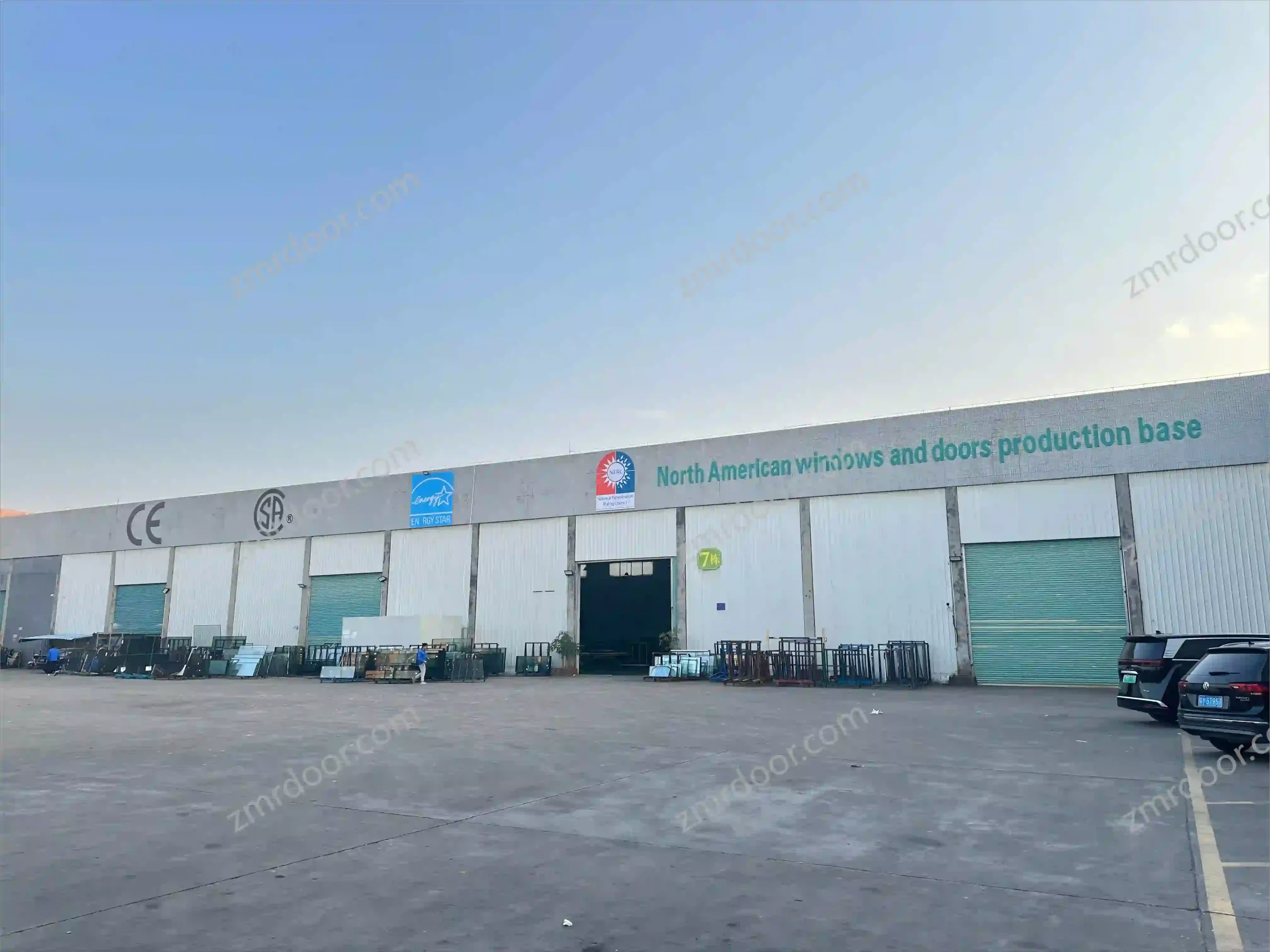
Headquartered in Nanhai District, Foshan—the world's premier architectural aluminum manufacturing cluster—VELTOR Window & Door Co., Ltd. delivers factory-direct engineering superiority for international project importers, dealers, and real estate developers.
Our facility houses dual-head automated miter saws, German-engineered corner crimping machines, and a dedicated insulated glass unit (IGU) cleanroom line. By controlling profile extrusion, thermal break insertion, hardware installation, and export crating under one roof, we guarantee unmatched dimensional accuracy, competitive factory pricing, and rigorous quality control.
6. Frequently Asked Technical & Procurement Questions (FAQ)
Here are expert answers to the most common technical questions raised by importers, architects, and project buyers during the procurement process:
We utilize 6063-T6 architectural aluminum alloy extrusions with minimum nominal wall thicknesses of 1.4mm to 2.0mm for residential frames and up to 3.0mm for commercial heavy-duty applications. T6 heat treatment yields superior tensile strength (≥ 205 MPa) and yield strength (≥ 170 MPa), ensuring compliance with structural wind pressure loads up to DP-70 or higher.
While uPVC offers low raw thermal conductivity, it suffers from structural weakness, thermal expansion/contraction warping, UV discoloration, and fragile sash joints under heavy glass loads. Polyamide PA66 thermal-break aluminum windows combine the structural strength, fire resistance, and micro-slim aesthetic of metal with U-values comparable to vinyl systems.
Yes. We engineer hurricane-rated double hung systems incorporating heavy-duty laminated glass (e.g., 6mm Tempered + 1.52mm PVB/SGP + 6mm Tempered) paired with reinforced structural interlocks and continuous stainless-steel sash lock anchors designed to pass Florida Miami-Dade TAS 201/202/203 missile impact standards.
Every window unit undergoes a 5-layer protective packing protocol: (1) Anti-scratch protective film on aluminum profiles, (2) Corner guard protectors, (3) Bubble wrap shock absorption, (4) Waterproof PE wrapping, and (5) Loading into IPPC-certified fumigated fully enclosed plywood crates labeled with elevation codes and opening numbers for fast site assembly.
Because all units are custom engineered to approved shop drawings, our standard manufacturing lead time is 25 to 35 calendar days following CAD confirmation and deposit receipt. We accommodate single-project custom orders (minimum ~15–20 units) as well as full 20GP/40HQ container loads for dealers.
Ready to Request Shop Drawings or Factory Estimates?
Connect with our senior engineering team today to review your window schedules, climate specifications, and project budgets.
Contact Us