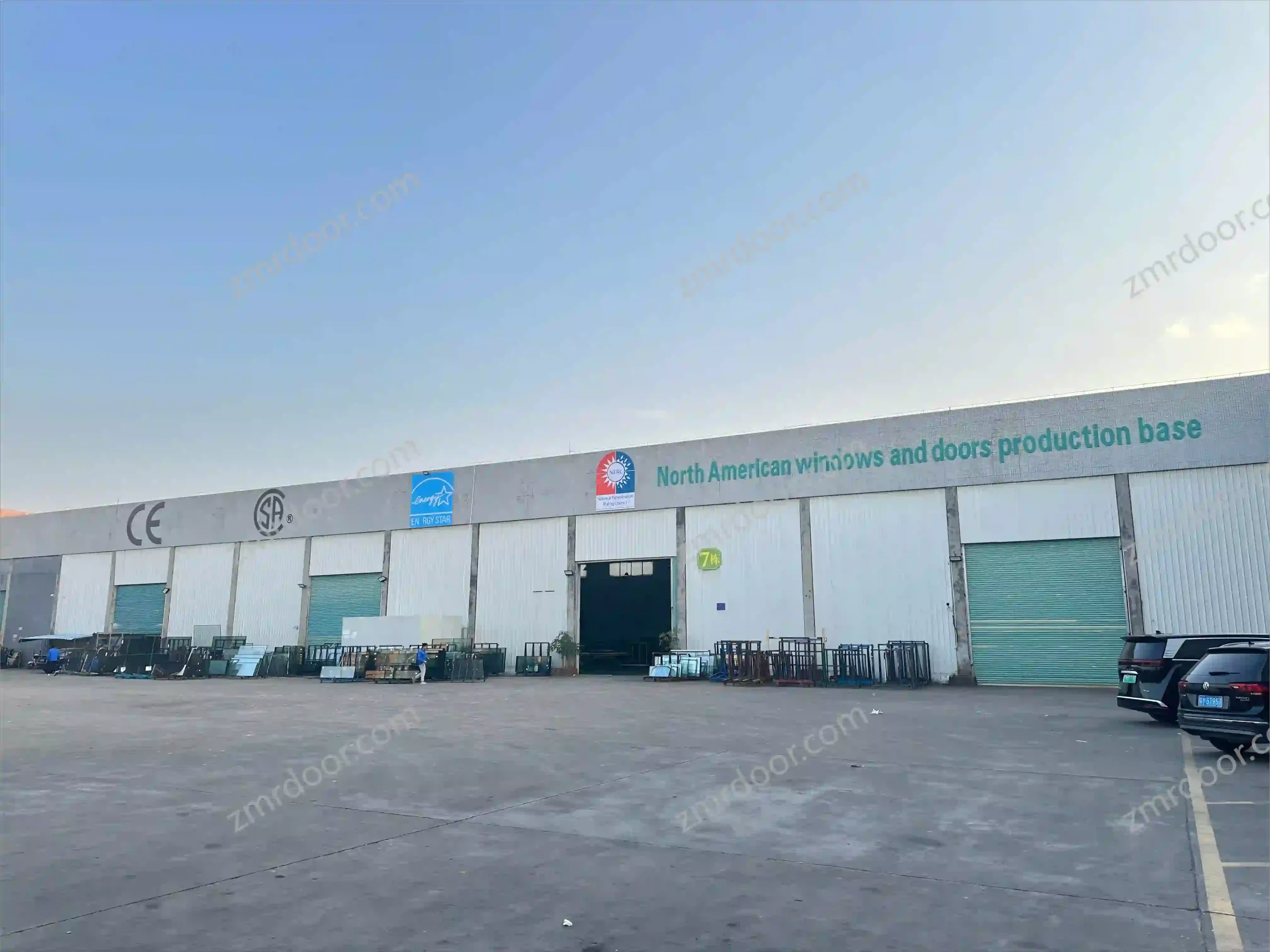
High-Performance Aluminum Window & Door Systems
Engineered for global architectural standards including AS2047, NFRC, CE, and ASTM structural wind-load requirements.
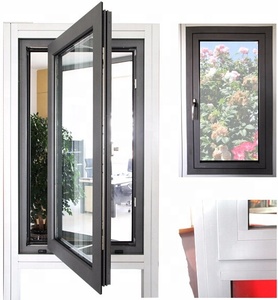
Australia Standard Commercial Aluminium House Windows Double Tempered Glazed Casement Windows with Fly Screen
Get Catalog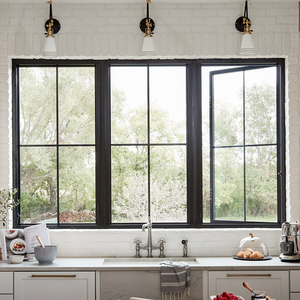
NFRC Standards High Energy Efficiency Double Glazing Aluminum Casement windows Double Casement Window With Grill
Get Catalog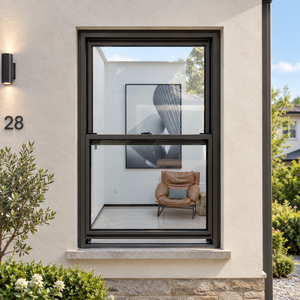
Aluminium Frame Glass Single-Hung Windows For Apartments Office Buildings Sash Windows
Get Catalog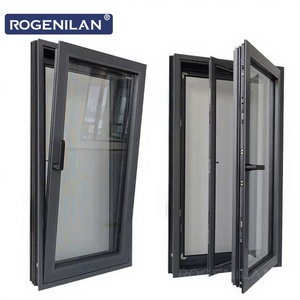
Rogenilan NO.1 Aluminum Double Glass Casement Window Triple Glaze Tilt Turn or Awning Swing Windows for House with Screen
Get Catalog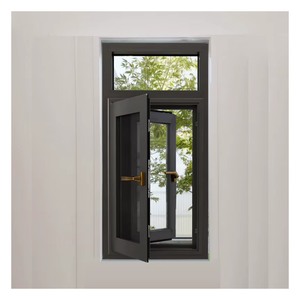
Hihaus Modern Aluminum Casement Window Thermally Insulated High Quality Windows 2 in 1 for House
Get Catalog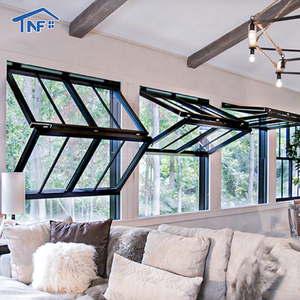
Aluminum Fold Up windows Cost Kitchen Bar Window And Door Slide Vertical Bifold windows For Sale
Get Catalog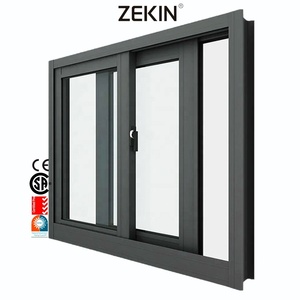
Customized Aluminum Sliding Windows Energy Efficient NFRC AS2047 Tempered Glass Hurricane Certification Aluminum Sliding Window
Get Catalog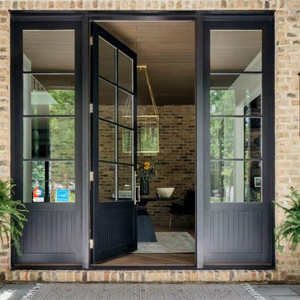
AMJ Exterior Entry Crittal Doors USA Design Tempered Glass Aluminum French Double Glass Doors Patio NFRC Swing Casement Door
Get CatalogEvaluating the Global Top 10 Aluminum Casement Window Manufacturers
A comparative evaluation of leading architectural extrusion integrators, profile system developers, and custom project fabricators for enterprise procurement managers.
B2B Sourcing Insight: Profile Extrusion vs. System Engineering
When specifying aluminum casement windows for commercial developments, luxury residential projects, or institutional master plans, procurement directors must evaluate manufacturers across two key criteria: Extrusion Engineering Integrity (6063-T5 vs 6063-T6 alloys) and Thermal Barrier Integration (Polyamide PA66-GF25 structural breaks). The leading manufacturers below represent the apex of globalfenestration technology.
VELTOR Window & Door
Core Specialization: Custom Thermal-Break Aluminum Systems, OEM/ODM Commercial Project Export, NFRC & AS2047 Certified Assemblies.
VELTOR operates as a primary factory-direct manufacturer situated in China’s architectural aluminum extrusion capital, Foshan. Operating under rigid ISO 9001 protocols, VELTOR delivers project-specific engineered casement systems featuring multi-chamber thermal breaks, EPDM continuous weather strip gaskets, and integrated fly-screen options. Engineered specifically for overseas project dealers, contractors, and commercial importers seeking tier-1 engineering at optimized factory-direct price points.
Schüco International
Core Specialization: Ultra-High-End Architectural Systems, Smart Building Integration, Passive House Standard Systems.
Schüco is a global standard-bearer in aluminum fenestration technology. Renowned for its AWS (Aluminum Window System) platform, Schüco casement windows achieve passive-house level U-values (Uw ≤ 0.8 W/m²K) via complex insulation zones and modular profile depth options ranging from 65mm to 90mm.
Reynaers Aluminium
Core Specialization: European Architectural Minimalism, Slim Sightline MasterLine Series, High Structural Wind Load Units.
Reynaers specializes in architectural window systems that maximize daylight entry while maintaining structural rigidity. Their MasterLine 8 casement window system combines over 40 opening variants with superior air, water, and wind performance (up to 600 Pa water tightness).
YKK AP Inc.
Core Specialization: Commercial Storefronts, High-Rise Fenestration, Hurricane-Impact Rated Assemblies.
YKK AP dominates global commercial and institutional construction projects with robust aluminum framing systems. Their structural casement configurations feature heavy-wall 6063-T6 aluminum alloys and anodized finishes engineered for extreme severe weather environments.
Cortizo
Core Specialization: Concealed Sash Design, Acoustic Insulation Engineering, European Residential Systems.
Cortizo leads southern European aluminum envelope manufacturing, celebrated for its "Hidden Sash" (Hoja Oculta) casement series. By concealing the window sash profile behind the outer frame, Cortizo maximizes visible glass area while delivering thermal transmittance ratings as low as 1.0 W/m²K.
Andersen Windows & Doors
Core Specialization: Heavy-Duty Architectural Extrusions, North American Code Compliance, Architectural Clad Systems.
Andersen’s architectural aluminum casement product line combines heavy-gauge extruded aluminum exteriors with multi-layer thermal barriers. Designed for North American residential and luxury mid-rise applications meeting AAMA 2605 coating specs.
Technal
Core Specialization: Recycled Hydro CIRCAL 75R Aluminum, Sustainable Urban Architecture, Modular Casements.
A brand under Hydro, Technal leads in low-carbon architectural fenestration. Technal casement windows utilize prime low-carbon extrusions, emphasizing eco-certified lifecycle performance alongside sophisticated multi-point locking hardware.
Fleetwood Windows & Doors
Core Specialization: Modern Luxury Residential, Massive Operable Glass Panels, Stainless Steel Hardware.
Fleetwood caters strictly to modern luxury estate architecture across the Americas. Their aluminum casements feature crisp, square profile edges, robust heavy-duty hinges capable of supporting oversized heavy triple-pane glass units.
Marvin Windows & Doors
Core Specialization: Signature Modern Series, Commercial Grade Extrusions, Custom Geometric Openings.
Marvin’s Signature Modern collection centers on extruded aluminum framing engineered for structural strength and thermal insulation. Their casements feature multi-point rotary operators or push-out mechanisms tailored for high-end residential designs.
Western Window Systems
Core Specialization: Energy-Efficient Desert & Coastal Fenestration, Thermally Broken Series, Custom Commercial Openings.
Western Window Systems produces thermally broken aluminum casement systems optimized for climate extremes. Featuring Low-E argon-filled insulating glass, their profile systems excel in solar heat gain reduction (SHGC ≤ 0.20).
Engineering Specifications Matrix
A granular side-by-side engineering evaluation for architects, facade consultants, and project engineers.
| Manufacturer | Alloy & Temper | Thermal Break Tech | U-Factor (W/m²K) | Max Wind Load (Pa) | Acoustic Rating |
|---|---|---|---|---|---|
| VELTOR Window | 6063-T5 / T6 Extrusion | PA66-GF25 Polyamide Strip | 1.1 – 1.4 | 3500 – 5000 Pa (DP65-100) | STC 38 – 45 dB |
| Schüco | AlMgSi0.5 F22 (Euro standard) | Modular Insulation Foam Insert | 0.8 – 1.2 | Up to 4500 Pa | STC 42 – 48 dB |
| Reynaers | EN AW-6060 T66 | Omni-Directional Thermal Ribs | 0.9 – 1.3 | Up to 4000 Pa | STC 40 – 46 dB |
| YKK AP | 6063-T6 Structural | ThermaCore Pour & Debridge / Strip | 1.2 – 1.6 | 5000+ Pa (Impact) | STC 36 – 44 dB |
| Cortizo | 6063-T5 Precision | Tubular Polyamide 35mm | 1.0 – 1.4 | Up to 3600 Pa | STC 40 – 46 dB |
Aluminum Casement Window Technology & R&D Trends
How modern fenestration engineering is adapting to strict carbon neutrality directives, extreme climate events, and minimalist aesthetic demands.
1. PA66-GF25 Structural Thermal Breaks
Traditional non-thermal aluminum frames acted as thermal bridges, leading to high energy loss and condensation. The integration of 24mm to 39mm fiberglass-reinforced polyamide (PA66-GF25) strips separates outer and inner profile chambers, reducing frame heat transfer by over 65%.
2. Ultra-Slim Sightlines & Hidden Sashes
Modern architectural intent demands maximum glass surface area. Advanced casement engineering conceals the movable sash within the outer frame rebate, maintaining a uniform 50mm visible face width while retaining full tilt-turn or side-hung operational mechanics.
3. Smart Building Integration & Actuators
Leading commercial suppliers now incorporate concealed chain actuators and motorized multi-point locks directly within the Euro-Groove track. Connected to automated Building Management Systems (BMS), windows self-regulate for natural ventilation, smoke evacuation, and thermal control.
Future Procurement Trends for B2B Importers (2025–2030)
Critical shifts in global procurement strategy, supply chain risk mitigation, and technical compliance.
1. Direct Factory Consolidation & OEM Standardization
Enterprise project developers and importers are bypassing intermediary trading entities in favor of direct factory partnerships with unified manufacturing centers like Foshan. Direct factory collaboration ensures custom shop-drawing approval, transparent alloy sourcing, and up to 30-40% procurement cost reductions without sacrificing certification validity.
2. Strict Code-Matching Certification (AS2047 / NFRC / CE)
Global building authorities now demand pre-production testing documentation. Future procurement requires manufacturers to supply third-party test reports for structural deflections, water penetration resistance, and thermal transmittance values matching project-specific climate zones.
Why Project Buyers Choose VELTOR Window & Door
Foshan manufacturing precision engineered for global commercial and luxury residential export.
Foshan Supply Chain Ecosystem
Located at the heart of China’s premium extrusion hub, VELTOR leverages direct access to top-grade 6063-T6 aluminum billets, PPG/AkzoNobel powder coating plants, and automated insulating glass processing lines.
100% Pre-Shipment Assembly & Testing
Every customized order undergoes complete mock-up assembly, diagonal tolerance validation, weather-seal compression checking, and hardware cycle testing prior to export crating.
Export Logistics Protection
Individual units are wrapped with protective anti-scratch film, fitted with corner protection guards, and packed into reinforced wooden crates labeled by opening schedule numbers for rapid job-site installation.
Frequently Asked Questions (FAQ)
Answers to common structural, logistics, and technical specifications questions raised by window importers and contractors.
Q: What structural factors determine wind load resistance in aluminum casement windows?
Wind load capacity (Design Pressure rating, DP) is primarily governed by profile moment of inertia (Ix/Iy values), frame wall thickness (typically 1.4mm to 2.0mm for high-rise casements), alloy temper (6063-T6 versus T5), and the insertion of steel or structural aluminum mullion reinforcements in larger openings.
Q: How do thermal break casement windows prevent condensation?
By inserting non-conductive polyamide (PA66-GF25) strips between the exterior and interior aluminum profiles, the interior frame surface temperature remains close to ambient room temperature. This effectively eliminates the cold bridge that causes condensation when humid interior air contacts freezing frame surfaces.
Q: What is the standard minimum order quantity (MOQ) for custom project orders?
Because every window unit is engineered to match precise architectural drawings and window schedules, manufacturers like VELTOR accommodate project-based orders. While full container loads (20GP/40HQ) offer optimal shipping economics, single-villa or custom project batches are regularly processed based on consolidated freight planning.
Q: What glazing specifications are recommended for maximum energy efficiency?
For cold or temperate zones, double or triple insulated glass units (IGUs) incorporating Low-Emissivity (Low-E) coatings, argon gas fill (90%+ concentration), and warm-edge composite spacers yield optimal thermal performance, achieving overall window U-factors below 1.2 W/m²K.
Q: How do manufacturers ensure compliance with regional codes like AS2047 or NFRC?
Reputable suppliers conduct standardized testing through accredited laboratories (NATA-accredited in Australia, NFRC/AAMA in North America, CE in Europe). The structural, water-tightness, air infiltration, and thermal performance values are documented on certified shop drawings prior to final production release.
Request Technical Specifications & Architectural Product Catalogs
Partner with a trusted Foshan aluminum window manufacturer. Contact our engineering team for instant CAD details, sample requests, and competitive project estimates.
Get Catalog