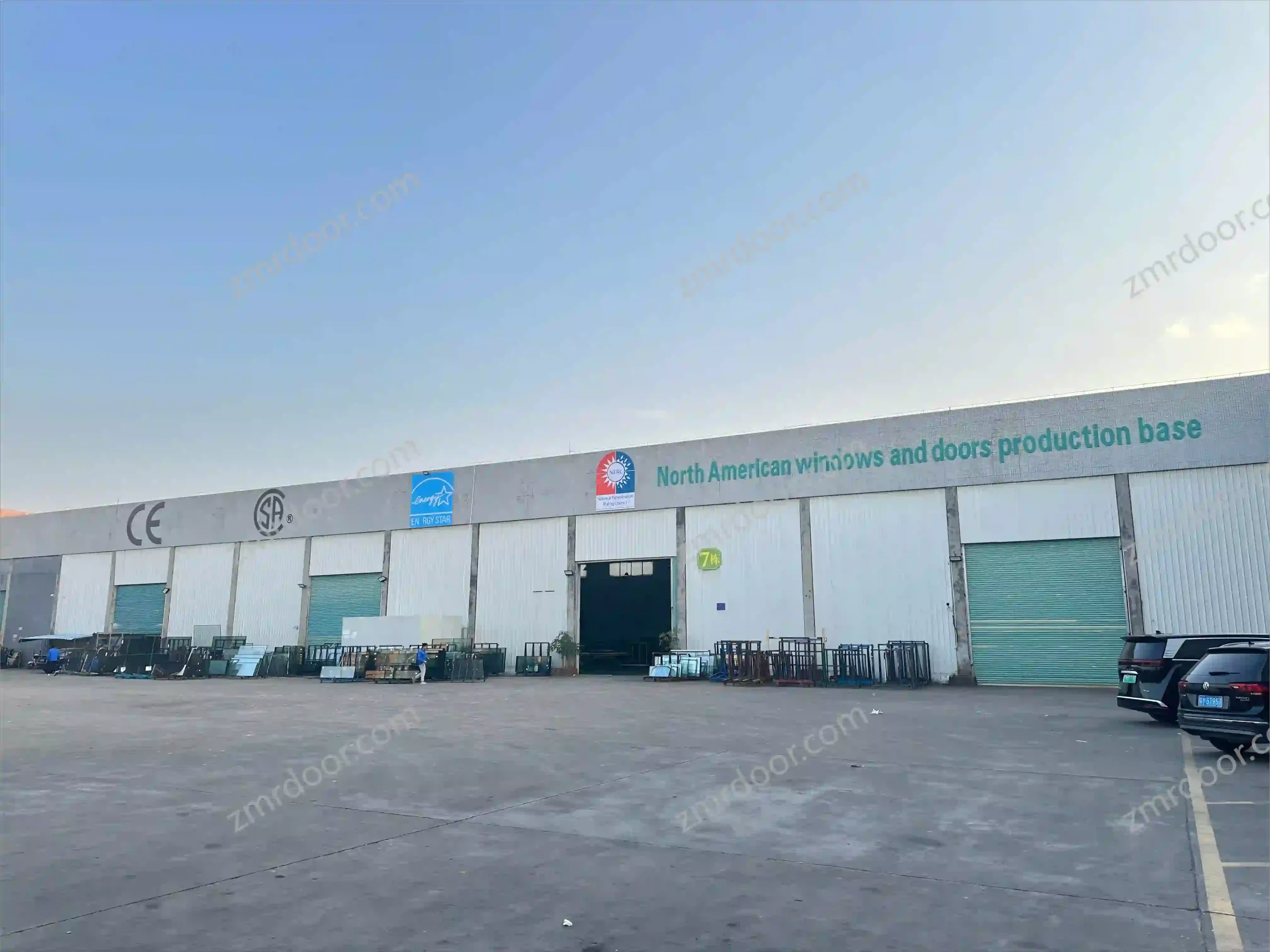
Featured Architectural Product Catalog
Direct factory supply featuring thermal-break engineering, weatherproofing precision, hurricane impact resistance, and certified export packaging.
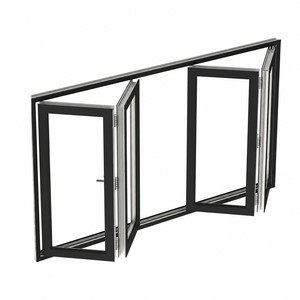
Modern Design Style Aluminum Alloy Folding Window Waterproof for House
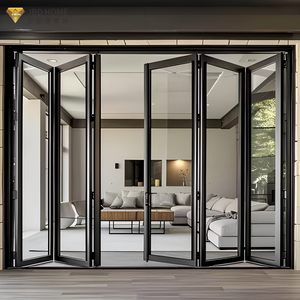
NFRC Windproof Heavy-Duty Aluminium Folding Door Double Glazed Commercial Partition Door Hurricane Impact For Courtyard Entry
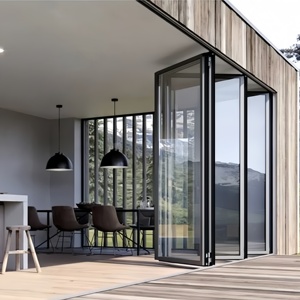
Customized Wholesale Aluminum Doors And windows With Double Tempered Glazed Balcony Door Energy Efficient Aluminum Folding Door
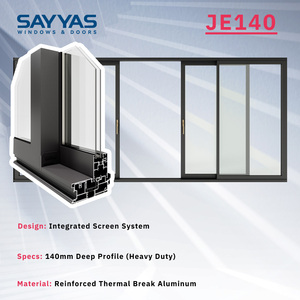
Customized Modern Heavy Duty Aluminum Lift and Slide Door Integrated Screen Double Glazing Tempered Glass Sayyas Windows JE140
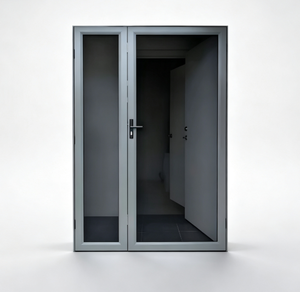
Aluminum Safety Screen Door, Stainless Steel Woven Mesh, Anti-theft, Apartment Residential, Impact Resistant
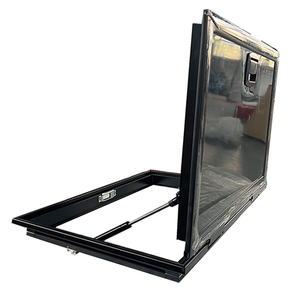
600x800mm Right Angle Aluminum RV Caravan Custom Cargo Hatch Door with Mechanical Lock Gas Struts for Camper Van Truck Trailer
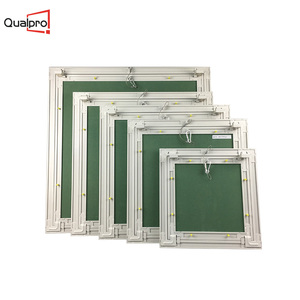
600x600 Aluminum Access Panels And Access Doors AP7710
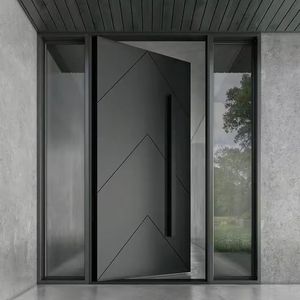
Modern Pivot Door Anti-Theft Minimalist Aluminum Finished Entry For Apartment And Villa Outdoor Use
Executive White Paper: Global Supply Chain Dynamics in Architectural Aluminum
The international fenestration ecosystem is undergoing a fundamental structural transition. Driven by stringent zero-energy building mandates (such as the EU Energy Performance of Buildings Directive and NFRC energy codes in North America), project buyers, structural architects, and commercial real estate developers no longer evaluate aluminum alloy doors and windows manufacturers & suppliers solely on initial unit cost. Value creation has shifted to comprehensive thermal performance, structural wind-load capacity, system integration durability, and supply chain transparency.
Architectural aluminum extrusion profiles (predominantly 6063-T5, 6063-T6, and 6061-T6 alloys) possess an exceptional strength-to-weight ratio, structural rigidity, and corrosion resistance compared to unplasticized polyvinyl chloride (uPVC) or timber framing. However, the raw alloy profile constitutes only a fraction of total fenestration integrity. High-performance aluminum systems require precision-engineered mechanical joinery, multi-chambered polyamide (PA66-GF25) thermal breaks, triple-sealed EPDM gasket matrices, and structural insulated glass units (IGUs) incorporating low-emissivity coatings and warm-edge technology.
This industrial research document establishes an analytical framework for sourcing premium aluminum window and door systems. It evaluates global manufacturing hubs—highlighting Foshan, Guangdong (China's paramount cluster for architectural aluminum)—and details critical verification metrics imperative for B2B procurement managers, project distributors, and architectural contractors.
Benchmark Criteria for Top 10 Aluminum Windows & Doors Suppliers
Identifying reliable manufacturing partners requires auditing core engineering capabilities. Leading tier-1 suppliers distinguish themselves across five technical pillars:
Utilization of primary A00 ingot aluminum. Profile wall thickness compliant with structural standards (>= 1.4mm for casement windows, >= 2.0mm for heavy-duty sliding/folding doors, >= 3.0mm for curtain wall subframes) to ensure mechanical shear strength and deflection resistance.
Application of 24mm to 39mm Technoform or equivalent PA66-GF25 (25% glass fiber reinforced polyamide) thermal barrier strips, interrupting conductive thermal energy transfer and preventing interior dew condensation under severe delta-T environments.
Electrostatic powder coating, PVDF (polyvinylidene fluoride) fluorocarbon spraying, or anodic oxidation meeting Qualicoat Class 2/3 and AAMA 2605 specifications, ensuring 20+ years of color retention and salt-spray resistance in coastal environments.
Seamless integration of premium multi-point locking hardware (e.g., German Siegenia, Hoppe, Roto, or CMECH), rated for over 200,000 continuous operation cycles without mechanical sagging or latch displacement.
Full validation across rigorous international testing regimes, including NFRC (thermal/solar heat gain), AS2047 (Australian window performance), CE EN 14351-1, and Florida Miami-Dade NOA hurricane impact testing.
Reinforced steel-banded wooden crate encapsulation, anti-vibration rubber dividers, corner protectors, and numbered opening tags for streamlined jobsite sorting and zero breakage transit.
Architectural System Selection Matrix
Compare mechanical properties, insulation values, and ideal architectural applications across core aluminum product categories:
| System Category | Structural Profile Thickness | Thermal Barrier Material | Glazing Specification | U-Value (W/m²K) | Primary Application |
|---|---|---|---|---|---|
| Thermal-Break Casement Windows | 1.4mm - 2.0mm (6063-T5) | PA66-GF25 (24mm - 34mm) | 5mm+12Ar+5mm Double Low-E / Triple IGU | 1.0 - 1.6 | High-rise residential, cold climates, soundproofing projects |
| Heavy-Duty Lift & Slide Doors | 2.0mm - 3.0mm (6063-T6) | PA66 Strip + Polyurethane Foam | 6mm+16Ar+6mm Tempered Safety Glass | 1.3 - 1.8 | Luxury villa patios, high-wind coastal balcony entries |
| Ultra-Slim Bi-Fold Doors | 2.0mm (6063-T5) | Multi-Chambered Polyamide | 5mm+14Ar+5mm Laminated / Tempered | 1.4 - 1.9 | Resort partitions, panoramic living spaces, commercial fronts |
| Hurricane Impact Safety Doors | 2.5mm - 3.0mm Reinforced | Structural Thermal Composite | 6mm + 1.52SGP + 6mm Laminated Glass | 1.5 - 2.0 | Coastal storm zones, severe wind pressure regions (Florida/Caribbean) |
| Minimalist Pivot Entry Doors | 3.0mm High-Strength Alloy | Perimeter Thermal Break | Insulated Aluminum Panel / Smart Glass | 1.2 - 1.7 | Architectural main entrances, modern villa facades |
5 Major Procurement Trends Shaping the Market
As global carbon targets tighten and architectural aesthetics favor expansive, uninterrupted glass views, procurement directors must align their purchasing strategies with emerging technological vectors:
Traditional double-glazed IGUs are rapidly giving way to vacuum-insulated glass (VIG) and aerogel-infused thermal break cavities. By combining low-emissivity coatings with warm-edge composite spacers (e.g., Technoform or Swisspacer) and argon gas fills, overall window system U-values are dropping below 0.8 W/m²K, meeting passive house standards globally.
Modern luxury architecture demands maximum daylight autonomy. Manufacturers are adopting minimalist frame profiles with visible sightlines as slim as 18mm to 25mm. Concealed sashes, hidden hinges, and integrated sub-frame drainage channels deliver a seamless flush appearance without sacrificing structural deflection limits.
The carbon footprint of aluminum smelting is a key consideration in green building certifications (LEED, BREEAM). Procurement policies now prioritize extruded profiles utilizing high ratios of post-consumer recycled aluminum or primary aluminum smelted using hydroelectric energy, supported by verified Environmental Product Declarations (EPD).
Integration of motorized chain actuators, smart lock access control (biometric, RFID, mobile integration), and electrochromic dynamic tinting glass is becoming standard in luxury residential and high-end commercial projects. Centralized building management systems (BMS) can now control automated window operation for natural ventilation and thermal control.
To reduce expensive jobsite labor and minimize installation errors, developers are pivoting toward factory-assembled, pre-glazed unitized systems. Entire window and wall modules are built under controlled factory conditions, complete with perimeter flashing and moisture barriers, ready for crane installation on site.
Evaluating suppliers requires balancing innovation with field-proven reliability. Partnering with a manufacturer capable of customized extrusion drawing, in-house thermal crimping, and rigorous quality control guarantees long-term project viability.
Enterprise Advantage: Veltor Window & Door Co., Ltd.
Located in Nanhai District, Foshan City, Guangdong Province—the global epicenter of architectural aluminum manufacturing—Veltor Window & Door Co., Ltd. (VELTOR) operates a state-of-the-art production facility dedicated exclusively to high-performance aluminum window and door systems.
Unlike regional assembly workshops, VELTOR controls the complete value chain: from CAD shop drawing engineering and precision CNC extrusion profile machining to thermal break strip insertion, glass unit assembly, and multi-point hardware integration. Serving international project buyers, real estate developers, and commercial dealers across North America, Europe, Australia, and the Middle East, VELTOR bridges high-end architectural engineering with competitive factory-direct pricing.
Standard Operating Procedure for Project Sourcing
A streamlined five-step manufacturing workflow ensures seamless execution from architectural drawings to site installation:
Submission of window schedules, CAD elevations, wind load specifications, and thermal performance requirements.
Selection of optimal profile series, glass build-ups, hardware options, and formal commercial quotation.
Issuance of 1:1 scale profile cross-section shop drawings and structural connection details for client sign-off.
Profile cutting, corner crimping, thermal insertion, glazing sealing, and 100% pre-shipment trial assembly.
Reinforced wooden crate packing, container loading, export documentation, and on-site technical support.
Frequently Asked Questions (FAQ)
Ready to Elevate Your Architectural Project?
Connect directly with our senior engineering team for customized system proposals, CAD shop drawings, factory-direct pricing, and technical guidance.