Featured Architectural Aluminium Glass Entrance Systems
Factory-direct high-performance front doors, thermal break sliding entrances, and custom architectural glass assemblies certified for international commercial and luxury residential procurement.
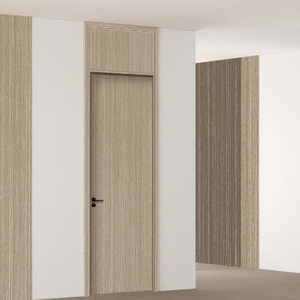
Custom Aluminum Honeycomb Swing Door Aluminum Frame With SPC Interior Door For House
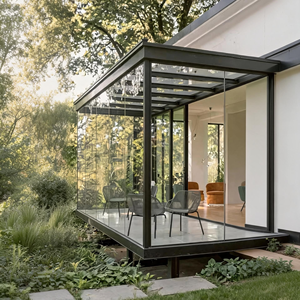
Modern Janas Aluminum Alloy Glass House Sunroom Insulated Tempered Glass Panels Noise Reduction
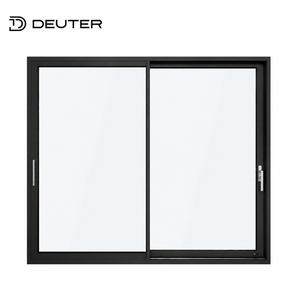
Heat Reduction Panoramic Aluminum Sliding Patio Door Thermal Break Low-E Double Glazed
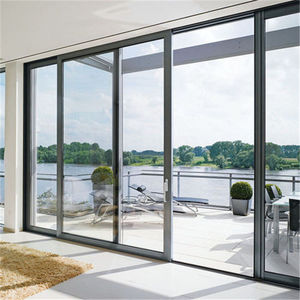
Aluminium Profile Sliding Glass Doors and windows with Thermal Break Double Glass
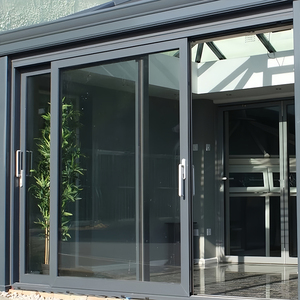
OUNA Modern Exterior Aluminum Door Patio Commercial Outdoor Heavy Duty Sliding Doors
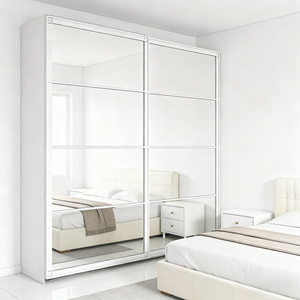
Modern Aluminum Alloy Sliding Wardrobe Doors for Bedroom-Water Resistant Interior
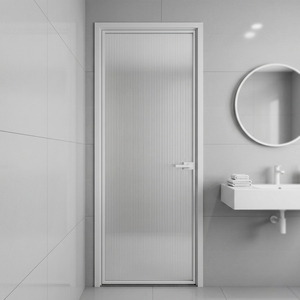
Factory Wholesale Minimalist Matte White Slim Aluminum Full Vertical Ribbed Frosted Glass Door
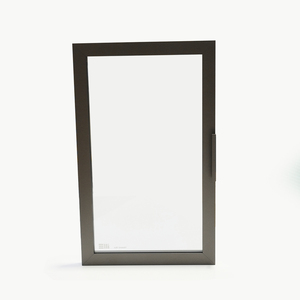
Glass Cabinet Door Air Smart 4Mm Tempered Glass Aluminum Frame Picture Windows For Office
Navigating the Global Sourcing Landscape for Aluminum Glass Front Doors
The international architectural entrance market has witnessed a paradigm shift toward high-performance aluminium glass front doors. Driven by modern architectural demands for expansive glazed openings, structural durability, and strict building energy codes (such as ASHRAE 90.1, NFRC, and European CE standards), selecting a top-tier manufacturer requires rigorous evaluation beyond mere aesthetics.
Lead exporters in China—specifically concentrated in the industrial fenestration hub of Nanhai District, Foshan—have advanced their production lines with 5-axis CNC machining, automated corner crimping, and integrated powder-coating lines to meet global structural and thermal demands. This guide analyzes the key technological criteria for evaluating front door factories and provides architectural procurement specifications for commercial and luxury residential buyers.
Request Technical Specification Sheet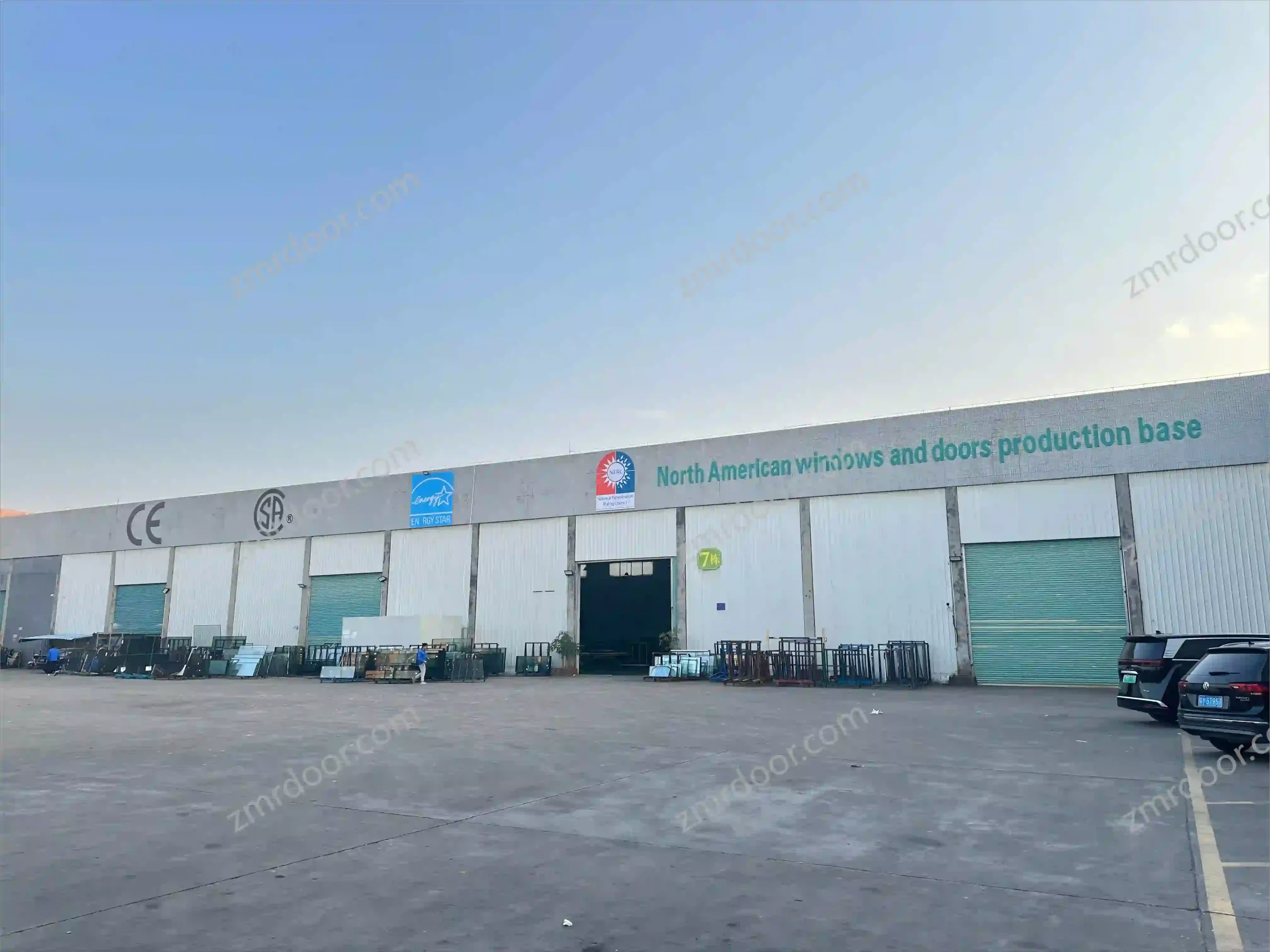
Future Procurement Trends in Aluminium Glass Front Doors
As global carbon targets tighten and architectural preferences lean toward minimal sightlines, four primary technology pillars are shaping export manufacturing standards for main entrance doors.
Ultra-Slim Sightline Pivot Systems
Moving away from heavy traditional frames, architectural trends prioritize concealed structural hinges and ultra-narrow aluminum profile profiles (down to 20mm visible width) capable of carrying glass panels exceeding 400kg.
Polyamide (PA66 GF25) Thermal Breaks
To meet stringent net-zero building regulations, exported front doors utilize multi-chambered polyamide thermal barrier strips reinforced with 25% glass fiber, dramatically eliminating thermal bridging between interior and exterior aluminum faces.
Smart Electrochromic & Security Glass
Integration of switchable smart privacy glass (PDLC technology), triple-pane argon-filled Low-E coatings, and SGP laminated safety glass for combined security (PAS 24 / RC3 rating) and variable solar heat gain control.
Recycled & Carbon-Neutral Aluminum
Global procurement policies increasingly mandate Environmental Product Declarations (EPDs). Premier exporters are utilizing primary-grade 6063-T5 aluminum extruded with high scrap-recycling content to lower embedded carbon footprints.
Aluminium Glass Front Door Technical Specifications
Detailed technical benchmark matrix for evaluating factory extrusion quality, thermal insulation performance, surface durability, and structural hardware compatibility.
| Performance Vector | Standard Commercial Specification | High-End Export / Villa Specification | Verification Test Standard |
|---|---|---|---|
| Profile Aluminum Alloy | 6063-T5 (Wall Thickness 1.4mm - 2.0mm) | High-Duty 6063-T6 / 6061-T6 (Wall Thickness 2.0mm - 3.0mm) | GB 5237.1 / ASTM B221 |
| Thermal Break System | Single-Chamber Polyamide PA66 (14.8mm - 20mm) | Multi-Chamber Insulated PA66 GF25 (24mm - 34mm) | EN 14024 / ISO 10077-2 |
| Glazing Assembly | 5mm + 12A + 5mm Double Tempered Clear | 6mm Low-E + 16Ar + 6mm Laminated SGP Glass | SGCC / EN 12150 / AS/NZS 2208 |
| Overall U-Factor (W/m²K) | 2.2 – 2.8 W/m²K | Passive House 0.8 – 1.4 W/m²K | NFRC 100 / ISO 12567-1 |
| Surface Coating | Architectural Powder Coating (60-80μm) | Fluorocarbon PVDF (3-Coat, >40μm) / Anodized 25μm | AAMA 2605 / Qualicoat Class 2 |
| Multi-Point Lock Security | Standard 3-Point Mechanical Latch | German GU / Hoppe 5-Point Automatic Biometric Lock | PAS 24 / EN 1627 RC2/RC3 |
| Wind Load Resistance | Class 3 (2.0 kPa) | Class 5+ (4.5 kPa - Hurricane Impact Rated) | ASTM E1300 / AS 2047 |
Key Criteria for Evaluating Top 10 Aluminium Front Door Exporters
When vetting global exporters and OEM/ODM factories for large-scale developments, procurement directors must analyze six core operational capabilities to mitigate supply chain risks:
1. In-House CNC & Precision Fabrication
Metric 01Ensure the factory operates double-head cutting saws, 5-axis CNC machining centers for hardware routing, and automatic corner crimping to guarantee tight tolerances (±0.5mm) on custom frame angles.
2. Certified Glazing Integration
Metric 02Direct control over glass cutting, tempering, structural silicone sealant application (using Dow Corning / IGK products), and automated double-seal IG unit manufacturing.
3. Comprehensive Technical Shop Drawing Support
Metric 03Provision of full CAD elevation drawings, structural wind load calculation reports, cross-sectional connection details, and BIM models prior to production sign-off.
Pre-Shipment Verification & Export Logistics
Shipping fragile glass and powder-coated aluminum doors across ocean freight containers requires export packaging protocols that eliminate freight damage risks.
4. Multi-Layer Protective Packaging
Metric 04Protective blue film over aluminum profiles, rubber corner guards, bubble wrap layering, and heavy-duty IPPC-certified fumigated wooden crates or steel A-frame racks for sea freight.
5. Opening-Number Site Labeling
Metric 05Clear exterior box marking matching architectural window schedules (e.g., Door ID D-01, Floor 2) allowing direct distribution across building sites upon arrival.
6. Third-Party Certification Compliance
Metric 06Active verification of testing reports for NFRC (North America), CE EN 14351-1 (Europe), AS 2047 (Australia), and ISO 9001 factory quality system auditing.
Why Direct Sourcing from Foshan Enterprise Facilities Matters
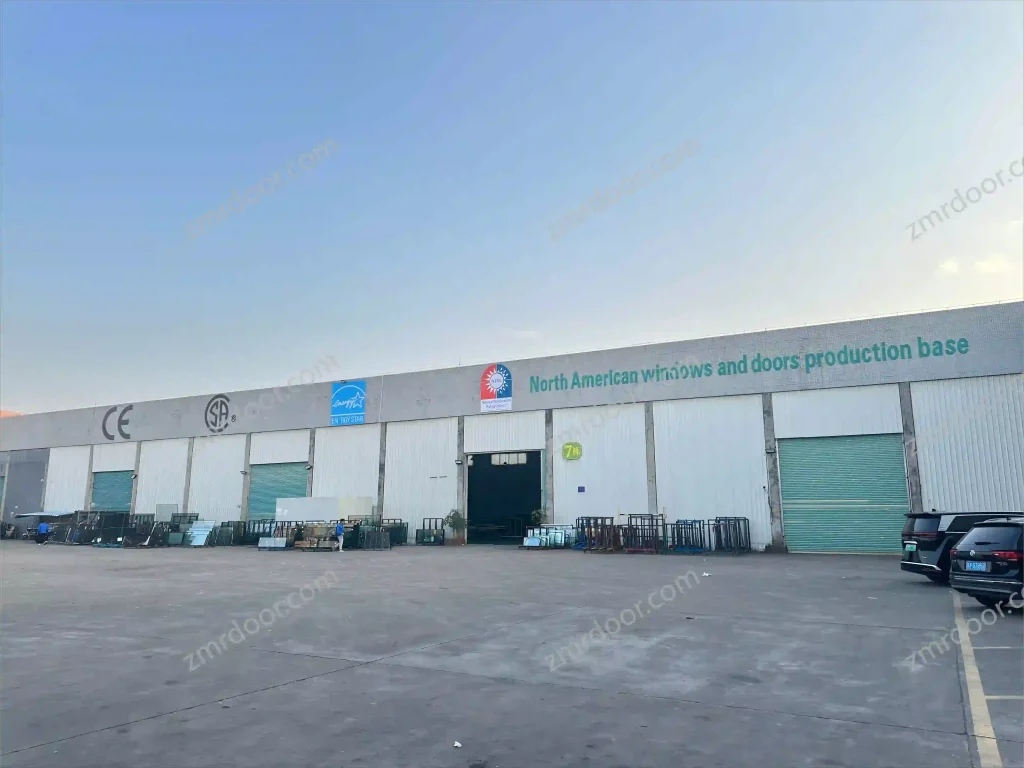
Located in Shishan Town, Nanhai District, Foshan City—the epicenter of China's architectural aluminum extrusion cluster—leading OEM/ODM factories like VELTOR combine raw material cost efficiency with international engineering execution.
- ✓ Direct Aluminum Supply Chain: Immediate sourcing of primary 6063-T5 billets, specialized anodizing, and PVDF coating lines within a 15km industrial radius.
- ✓ Full Engineering Customization: Capability to custom die-extrude custom aluminum profiles for landmark commercial entry doors and bespoke luxury residential projects.
- ✓ Dedicated Export Service Team: English-speaking fenestration engineers who understand international building codes, shop drawing reviews, and container consolidation logistics.
Frequently Asked Sourcing & Technical Questions
Key answers to common questions raised by project developers, fenestration importers, general contractors, and facade engineers during supplier evaluation.
Get Factory-Direct Quotes for Your Aluminium Glass Front Doors
Send your window schedules, architectural elevations, or door specifications to our engineering team. Receive technical feedback, profile recommendations, and factory-direct pricing within 24 hours.