Architectural Glass & Aluminum Fenestration Systems
An authoritative analysis of high-performance aluminum glass bathroom doors, evaluated across structural alloy integrity (6063-T5/T6), thermal breaks, EPDM sealing technology, acoustic isolation, and export manufacturing capabilities.
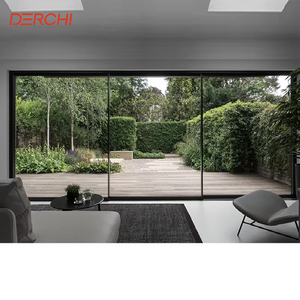
AS2047 Standard Double Glazed Aluminum Exterior Patio & Bathroom Stacker Doors
Get Catalog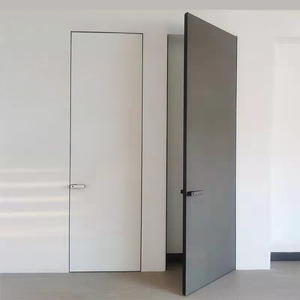
Modern Minimalist Invisible Aluminum Frame Interior Concealed Glass Door
Get Catalog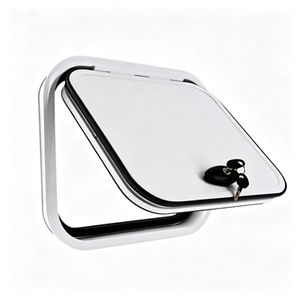
Factory Precision Commercial Aluminum Hatch & Service Enclosure Panel Door
Get Catalog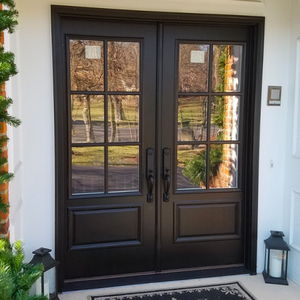
Custom Villa Thermal Break Double Tempered Glass Aluminum Casement Door
Get Catalog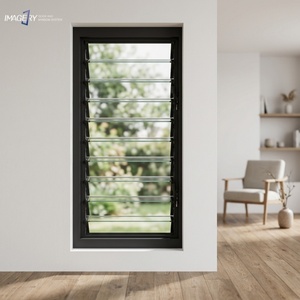
Custom Commercial Tempered Glass & Aluminum Adjustable Privacy Louver System
Get Catalog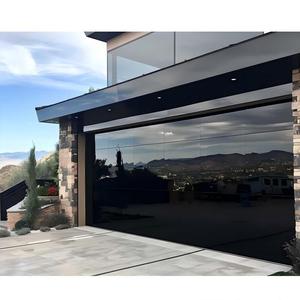
Modern Design Tempered Mirror Glass Frameless Aluminum Sectional Sliding System
Get Catalog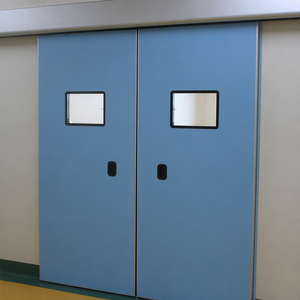
Hermetic Sealed Fireproof Aluminum Alloy Sliding Door for Specialized Facilities
Get Catalog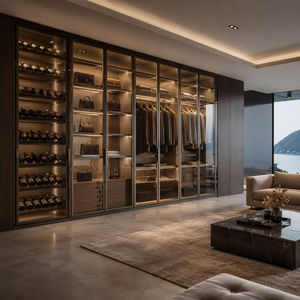
Italian Minimalist Luxury Narrow Frame Aluminum Glass Interior Wardrobe & Bath Door
Get CatalogEngineering Excellence in Modern Aluminum Glass Bathroom Door Manufacturing
When selecting the top aluminium glass bathroom door suppliers for large-scale real estate developments, commercial hospitality projects, or luxury residential contracts, procurement managers and architects must evaluate manufacturers beyond aesthetic surface appeal. Modern wet-room environments demand rigid structural tolerances, continuous water-proofing barriers, and high-frequency hardware resilience.
Aluminum alloy profiles—specifically extruded 6063-T5 or T6 grade aluminum—have established a clear operational dominance over traditional timber, PVC, or standard cold-rolled steel doors in sanitary applications. High ambient humidity, constant vapor expansion, and exposure to soap chemicals accelerate the degradation of organic materials. Aluminum glass systems, engineered with anodic oxidation or fluorocarbon powder coatings (PVDF), deliver absolute immunity to rot, zero moisture absorption, and minimal thermal linear expansion.
Key Metallurgical & Finishing Standards for B2B Sourcing:
- Extrusion Profile Wall Thickness: Commercial grade doors require a minimum structural wall thickness of 1.4mm to 2.0mm in accordance with GB 5237 / EN 755 standards to resist frame racking under daily wear.
- Anodized Coating Thickness: Minimum Grade AA15 (≥ 15 microns) to withstand high-salinity marine environments and high-steam enclosure zones.
- Safety Glazing Compliance: All integrated glass elements must comply with international safety standards including SGCC (ANSI Z97.1), CE EN 12150-1, and AS/NZS 2208 for thermally toughened safety glass.
Evaluation Benchmarks for Sourcing Top Suppliers
How industry leaders engineer precision doors for high-moisture commercial environments.
EPDM Sealing & Water Tightness
Utilizing continuous dual-compound Ethylene Propylene Diene Monomer (EPDM) gaskets ensures complete water isolation between glass, aluminum frames, and sub-wall substrates, eliminating leakages.
Acoustic & Thermal Insulation
Integration of polyamide (PA66GF25) thermal break strips and double-sealed hollow glass units (IGU) reduces sound transmission up to 38 dB, maintaining privacy in suite environments.
Hardware Durability Testing
Stainless steel (SUS304/316) continuous hinges, hidden magnetic locks, and heavy-duty roller assemblies certified for >100,000 operational cycles without mechanical drop or misalignment.
Supplier Qualification & System Specification Comparison
Below is a comparative breakdown of key specification tiers commonly specified in commercial procurement bids for aluminum glass doors:
| Specification Parameter | Standard Commercial Grade | High-End Hospitality Grade | Ultra-Luxury / Villa Grade |
|---|---|---|---|
| Frame Alloy & Temper | 6063-T5 (1.4mm wall) | 6063-T6 (1.6mm - 2.0mm) | 6060-T6 / High-Precision Extrusion |
| Sightline Frame Width | 45mm - 60mm Standard | 25mm - 35mm Slim Frame | 16mm - 21mm Minimalist / Hidden Frame |
| Glass Specification | 5mm / 6mm Single Tempered | 6mm + 9A/12A + 6mm Double Glazed | Switchable Smart PDLC / Low-E Laminated |
| Water Resistance Rating | Class 3A (150 Pa) | Class 7A (300 Pa) | Class 9A (600 Pa) with Sub-floor Drain |
| Hardware & Fasteners | Zinc Alloy / 201 Stainless Steel | 304 Stainless Steel / Concealed Hinges | 316 Marine Stainless / Soft-Close Hydraulic |
Global Trends Shaping the Future of Glass & Aluminum Interior Doors
1. Ultra-Narrow Sightlines & Concealed Frame Architecture
Modern architectural preferences strongly lean toward invisible structural elements. Leading suppliers in Foshan and Europe are engineering micro-frame profiles with visible face widths under 20mm. By embedding the aluminum outer frame directly into the finished drywall or marble reveal, architects achieve uninterrupted glass visual fields while maintaining structural rigidness.
2. Integration of Smart Privacy Glass (PDLC Technology)
Polymorphic Dispersed Liquid Crystal (PDLC) switchable glass is moving from high-end corporate boardrooms into residential master suite bathrooms. Integrated directly into double-glazed aluminum door frames, smart glass transitions from fully opaque to crystal clear in under 100 milliseconds via electrical voltage application, replacing traditional blinds or frosted films.
3. Concealed Drainage & Zero-Threshold Magnetic Seals
Traditional raised threshold tracks present trip hazards and accessibility barriers in modern barrier-free (ADA compliant) bathroom design. Future procurement trends focus on drop-down bottom seal gaskets paired with hidden sub-floor magnetic drainage channels that pop up only when the door closes, sealing against water escape while maintaining a perfectly flush floor transition.
4. Decarbonization & Low-Carbon Recycled Aluminum Sourcing
With ESG compliance and international carbon regulations (such as EU CBAM) impacting material sourcing, top tier B2B suppliers are transitioning to recycled aluminum billets processed with renewable energy sources. Specifying green aluminum reduces embedded carbon dioxide emissions by up to 70% per extrusion ton.
Why Partner with Foshan Commercial Manufacturing Hubs?
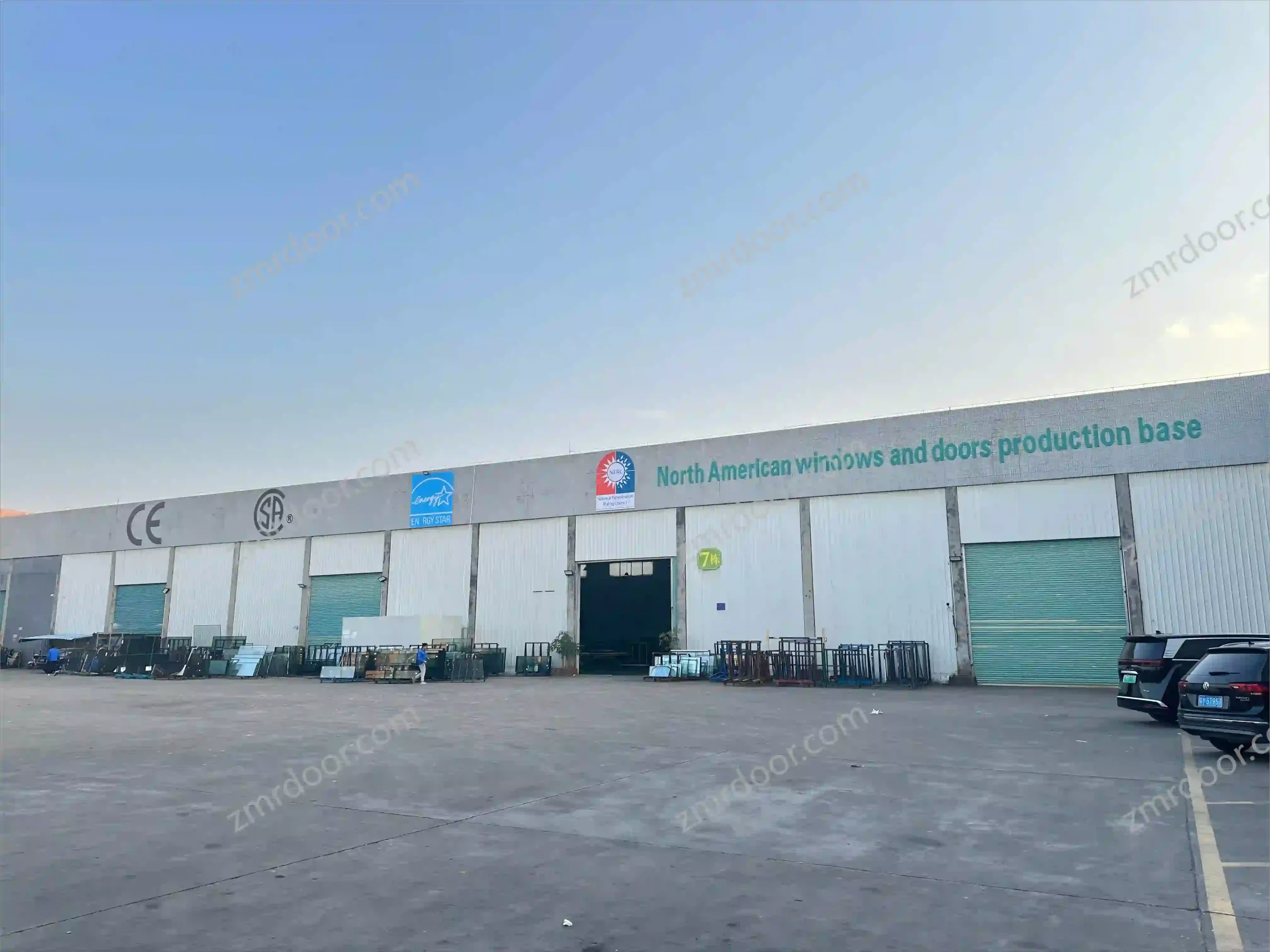
Foshan, China stands as the global epicenter for architectural aluminum extrusion and building material innovation. Partners operating within this ecosystem leverage direct supply chain integration—ranging from primary billet smelting and custom anodization lines to high-precision CNC machining centers and certified glass tempering plants.
Our featured manufacturing operations provide complete project-lifecycle support for international project developers:
- Shop Drawing & BIM Engineering Support: Translating conceptual architectural elevations into production-ready CAD and Revit BIM models.
- Pre-Shipment Dry-Fit Assembly: 100% of custom door frames undergo factory mock-up assembly to verify corner crimping tolerances, gasket compression, and hardware lock alignment prior to export crating.
- Export-Ready Protective Packaging: Reinforced, fully enclosed fumigated wooden crates with corner foam buffer shields ensuring transit safety during sea freight logistics.
Frequently Asked Questions (FAQ) for B2B Buyers
Technical clarity on custom specifications, lead times, and global shipping standards.
What glass thickness is recommended for commercial aluminum bathroom doors?
For single glass frameless or minimal frame doors, 8mm to 10mm toughened safety glass (SGCC / CE certified) is standard. For double-glazed acoustic bathroom doors, a 5mm + 9A + 5mm or 6mm + 12A + 6mm tempered glass build-up provides optimal sound dampening (STC 35+) and thermal insulation.
How do aluminum glass doors handle moisture exposure compared to wood-plastic composite (WPC) or steel doors?
Extruded 6063-T5 aluminum profiles with anodized or PVDF finishes are completely impervious to water vapor, moisture absorption, and mold growth. Unlike WPC doors, high-grade aluminum will not warp, swell, or delaminate over time, even under direct water spray conditions.
What surface finish option offers the highest corrosion resistance for hotel applications?
Anodized finishes (minimum 15-20 microns coating thickness) and Fluorocarbon (PVDF) spray coatings offer superior chemical and humidity resistance. They pass 3,000-hour neutral salt spray (NSS) testing without blistering, making them ideal for high-humidity coastal resort bathrooms.
Can suppliers customize frame colors and glass texture options for OEM/ODM project orders?
Yes, factory manufacturers support custom RAL color matching, brushed anodized tones (such as matte black, satin brass, rose gold), and specialized decorative glass options including fluted/reeded glass (Moru), frosted acid-etched glass, tinted glass, and smart switchable glass.
What is the standard production lead time and container packing method for ocean freight?
Typical production lead times range from 20 to 30 days after shop drawing approval. Doors are packed individually with protective polyethylene film, corner edge protectors, and loaded into fully enclosed plywood A-frame crates labeled by opening schedule numbers for efficient job-site sorting.
How is water leakage prevented along the bottom edge of swing and sliding glass bathroom doors?
Water sealing is maintained through bottom sweep EPDM blade seals, clear acrylic magnetic water-stop fins along meeting stiles, and hidden sub-frame drainage channels that direct splash runoff back toward the internal bathroom drain.
Request Technical Specifications & Project Quotes
Connect with our structural fenestration engineering team to review shop drawings, request custom sample kits, or receive wholesale container pricing for your upcoming project.
Get Catalog