High-Performance Architectural Fenestration Systems
Engineered for extreme structural loads, thermal efficiency, and luxury aesthetics. Fully customizable for commercial and high-end residential master developments.
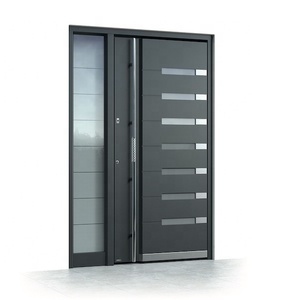
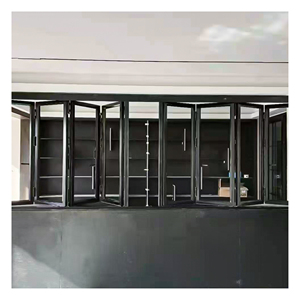
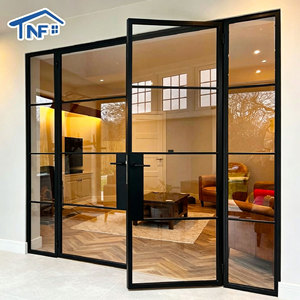
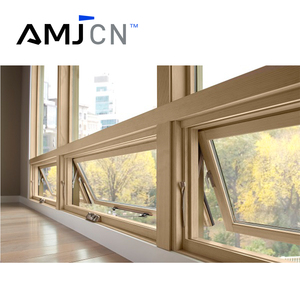
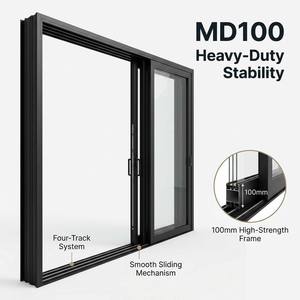
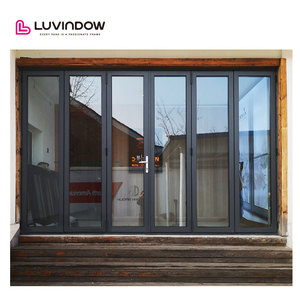
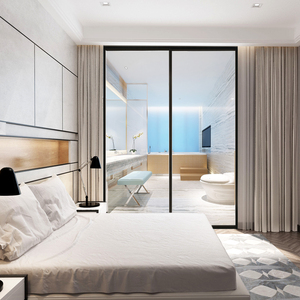
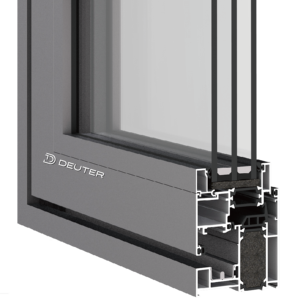
The Evolution of Aluminium-Fiber Hybrid Door Technology
In modern structural fenestration, the convergence of extruded T6-grade aluminum alloys and Fiber-Reinforced Polymer (FRP/Fiberglass) composites has redefined the performance parameters of exterior door and window manufacturing. Historically, pure aluminum systems faced challenges regarding thermal transmittance (U-factor), while traditional composite doors lacked the structural frame rigidity required for floor-to-ceiling architectural openings.
Leading global manufacturers have overcome this trade-off by co-extruding or mechanically interlocking high-density carbon fiber and polyamide (PA66 GF25) insulating barriers inside structural aluminum profile cavities. The resulting Aluminium Fiber Hybrid Door provides structural inertia capable of withstanding extreme wind loads (up to 5000 Pa) while keeping overall frame thermal conductivity below 1.1 W/m²K.
Top 10 Aluminium Fiber Door Manufacturers & Global Benchmark
An objective analysis of global leaders in aluminum and composite door manufacturing, evaluating profile engineering, thermal innovation, OEM scalability, and export compliance.
Veltor Window & Door Co., Ltd. (China Sourcing Hub)
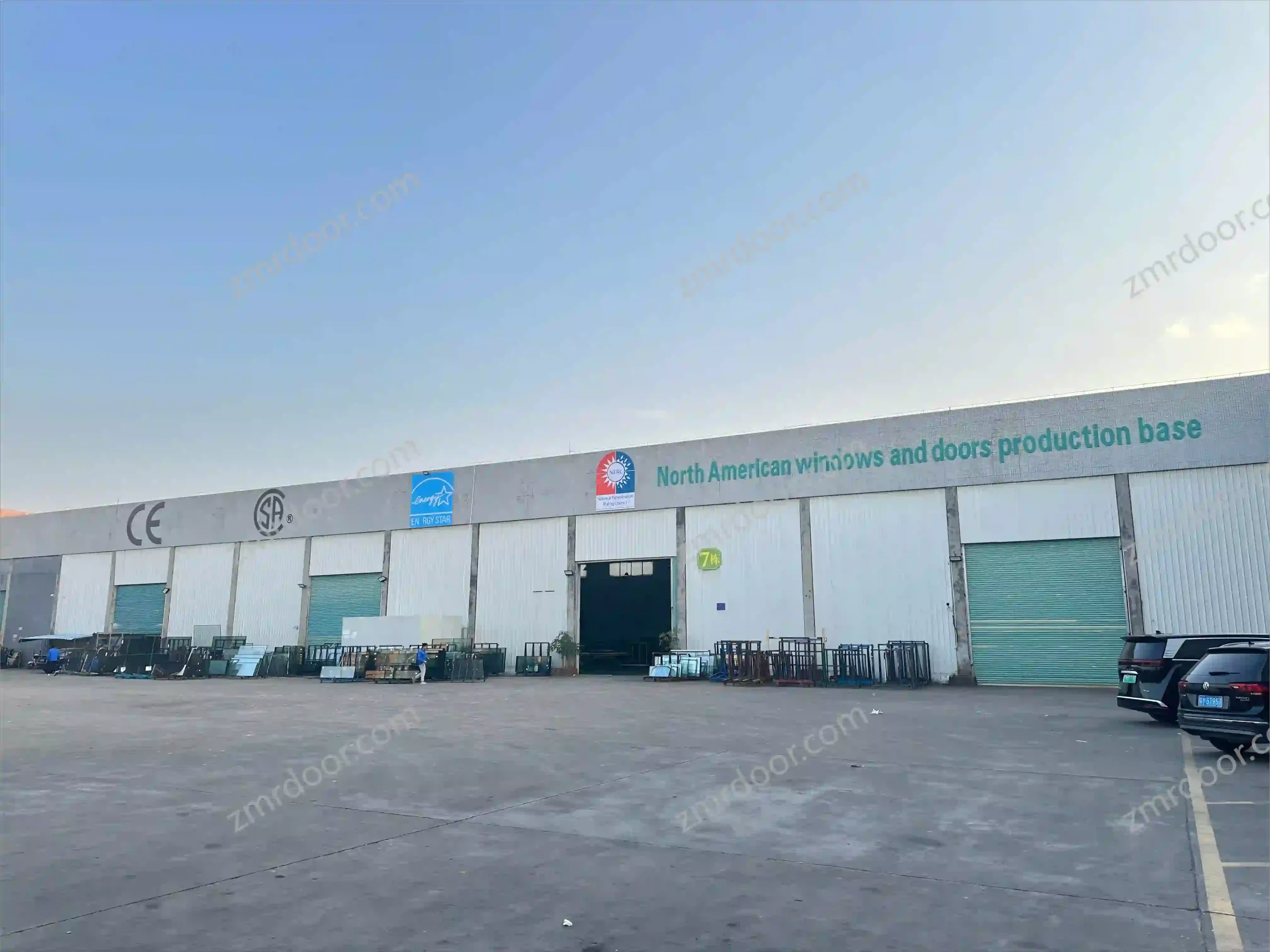
Overview & Capabilities: Headquartered in Nanhai District, Foshan—the world's densest architectural aluminum extrusion cluster—VELTOR represents the benchmark in export-grade aluminum-fiber fenestration systems. Utilizing automated CNC double-head saws, automated corner-crimping centers, and integrated insulated glass unit (IGU) lines, VELTOR specializes in project-specific engineering for importers, project contractors, and commercial developers worldwide.
Technical Highlights: Multi-cavity thermal break extrusions integrated with PA66 glass-fiber polyamide strips; certified compliance across NFRC (North America), AS2047 (Australia), CE EN 14351 (Europe), and SGCC safety glazing. Every unit undergoes 100% pre-shipment trial assembly and dimensional verification.
Schüco International KG (Germany)
Overview & Capabilities: Recognized worldwide for premium architectural envelope design. Schüco sets standard benchmarks in structural aluminum profiling and high-efficiency composite material integration for high-rise commercial facades and passive house residential projects.
Reynaers Aluminium (Belgium)
Overview & Capabilities: Reynaers specializes in ultra-slim profile sliding doors and high-insulation aluminum folding doors. Their systems heavily incorporate fiberglass insulation cores to achieve extreme energy ratings required by EU building standards.
YKK AP Inc. (Japan / USA)
Overview & Capabilities: A global giant in commercial entrance doors, curtain walls, and storefront fenestration. YKK AP utilizes proprietary anodizing finishes and composite structural reinforcements engineered for high-traffic impact and seismic durability.
Summary Matrix: Rankings #5 to #10 Manufacturers
Comparative breakdown of leading regional and global specialists in high-grade aluminum and fiber door fabrication.
| Rank | Manufacturer Name | Headquarters | Core Product Focus | Key Competitive Advantage |
|---|---|---|---|---|
| #5 | Technal (Hydro Group) | France | Commercial & Urban Systems | Recycled Low-Carbon Aluminum Profiles |
| #6 | Origin Frames Ltd. | United Kingdom | Bi-Fold & Bespoke Doors | Ultra-Fast Lead Times & Custom Colorways |
| #7 | Cortizo Aluminum | Spain | Minimalist Sliding Doors | Concealed Frame & Slim Sightline Engineering |
| #8 | Kawneer (Arconic) | United States | Impact Entrance & Storefronts | Severe Weather & Hurricane Rating Compliance |
| #9 | Andersen Windows & Doors | United States | Fibrex® & Aluminum Clad Doors | Proprietary Wood-Fiber Polymer Composites |
| #10 | Fleetwood Windows & Doors | United States | Luxury Modern Residential | Massive Panel Glazing & Precision Rollers |
Precision Engineering & Foshan Production Capabilities
Why international project buyers, architects, and fenestration dealers partner directly with our specialized Foshan manufacturing center.
CNC Automated Fabrication
Utilizing dual-head digital saws and 5-axis CNC machining centers, profile cutting and hardware routing are executed within a tolerance of ±0.5mm. This guarantees flawless corner crimping and absolute weather-seal alignment across large project volumes.
Thermal Break Integration
Our structural extrusion lines combine primary 6063-T5/T6 aluminum profiles with imported polyamide PA66-GF25 glass fiber insulating strips. This dual-chamber design stops thermal bridging across hot and freezing climate zones.
100% Pre-Shipment Inspection
To avoid installation delays on the job site, every door assembly undergoes full trial mounting in our factory. Frame squareness, hardware operation, multi-point lock engagements, and EPDM gasket sealing are verified before export crating.
In-House Glazing Processing
From tempered safety glass to triple-glazed Low-E units filled with 95% Argon gas and warm-edge Technoform spacers, glass processing adheres strictly to SGCC and EN 12150 standards for ultimate safety and energy performance.
Export-Ready Wooden Packaging
Doors and windows are individually wrapped in protective anti-scratch film, fitted with heavy-duty plastic corner guards, and loaded into fully enclosed, fumigated plywood crates clearly labeled by elevation and opening numbers.
Global Standard Compliance
We engineering-test profiles against specific regional demands: NFRC and AAMA for North America, AS2047 and AS1288 for Australia/New Zealand, and CE marking for the European Union.
Future Procurement & Technical Trends in Fiber-Aluminium Fenestration
Key market shifts shaping global architectural specs and strategic factory-direct procurement over the next decade.
1. Decarbonization & Low Embodied Carbon Aluminum
Global environmental building regulations (such as LEED v4.1 and BREEAM) are driving demand for architectural aluminum extrusions processed using hydro-electric power or high recycled content. Sourcing low-carbon primary aluminum alloy reduces embodied carbon footprint by up to 65% per profile metric ton, making it a crucial spec criterion for modern commercial tenders.
2. Aerogel-Enhanced Fiber Thermal Breaks
To meet Ultra-Low Energy and Passive House standards (U-frame < 0.9 W/m²K), manufacturers are integrating nanoporous Aerogel insulation directly inside the fiberglass-reinforced polyamide chambers of aluminum profiles. This micro-material technology blocks convection currents within profile voids without increasing frame sightlines.
3. Minimalist Sightlines with Structural Glass Bonding
Architectural preferences lean heavily toward ultra-narrow stiles (as thin as 18mm to 25mm visible width). Achieving structural stability with such minimalist aluminum frames relies on structural silicone glazing (SSG) combined with continuous fiberglass perimeter rods that transfer wind loads directly into the glass pane.
4. Smart Building & Motorized Concealed Actuators
Procurement data indicates rapid growth in smart-home integrated entry doors and high-altitude skylights/windows. Multi-point linkage hardware now incorporates concealed 24V brushless motor drives, fingerprint/biometric sensors, and automated signals linked directly to Central Building Management Systems (BMS).
Architectural Sourcing Checklist & Specification Matrix
Use this technical matrix when evaluating quotes and shop drawings from aluminum fiber door manufacturers.
| Evaluation Parameter | Standard Requirement | Premium Architectural Spec | Why It Matters for Buyers |
|---|---|---|---|
| Profile Aluminum Alloy | 6063-T5 Commercial Grade | 6063-T6 / 6060-T66 Precision Alloy | Higher tensile strength prevents frame deflection under heavy glass load. |
| Thermal Strip Material | Standard PVC or Nylon 6 | Polyamide PA66-GF25 (25% Glass Fiber) | Matches expansion coefficient of aluminum; will not shrink or degrade. |
| Surface Finish Spec | Standard Powder Coating (50μm) | Qualicoat Class 2 / PVDF Fluorocarbon (3-Coat) | Resists salt-spray corrosion, UV fading, and chalking in coastal zones. |
| Glass Unit Configuration | 5mm + 12Argon + 5mm Double Glazed | 6mm Low-E + 16Ar + 6mm Toughened + Laminate | Provides high Sound Transmission Class (STC 40+) and low solar heat gain (SHGC). |
| Hardware & Lock Gear | Single-Point Zinc Alloy Lockset | 304 Stainless Multi-Point Concealed Hardware | Prevents forced entry, ensures uniform gasket compression on all 4 sides. |
Frequently Asked Questions for Sourcing & Sizing
Addressing key operational, technical, and commercial queries raised by B2B buyers and project contractors.
Have an Elevation Drawing or Window Schedule?
Submit your project schedule or architect plans for a comprehensive technical review, profile recommendations, and factory-direct cost estimates within 24 hours.