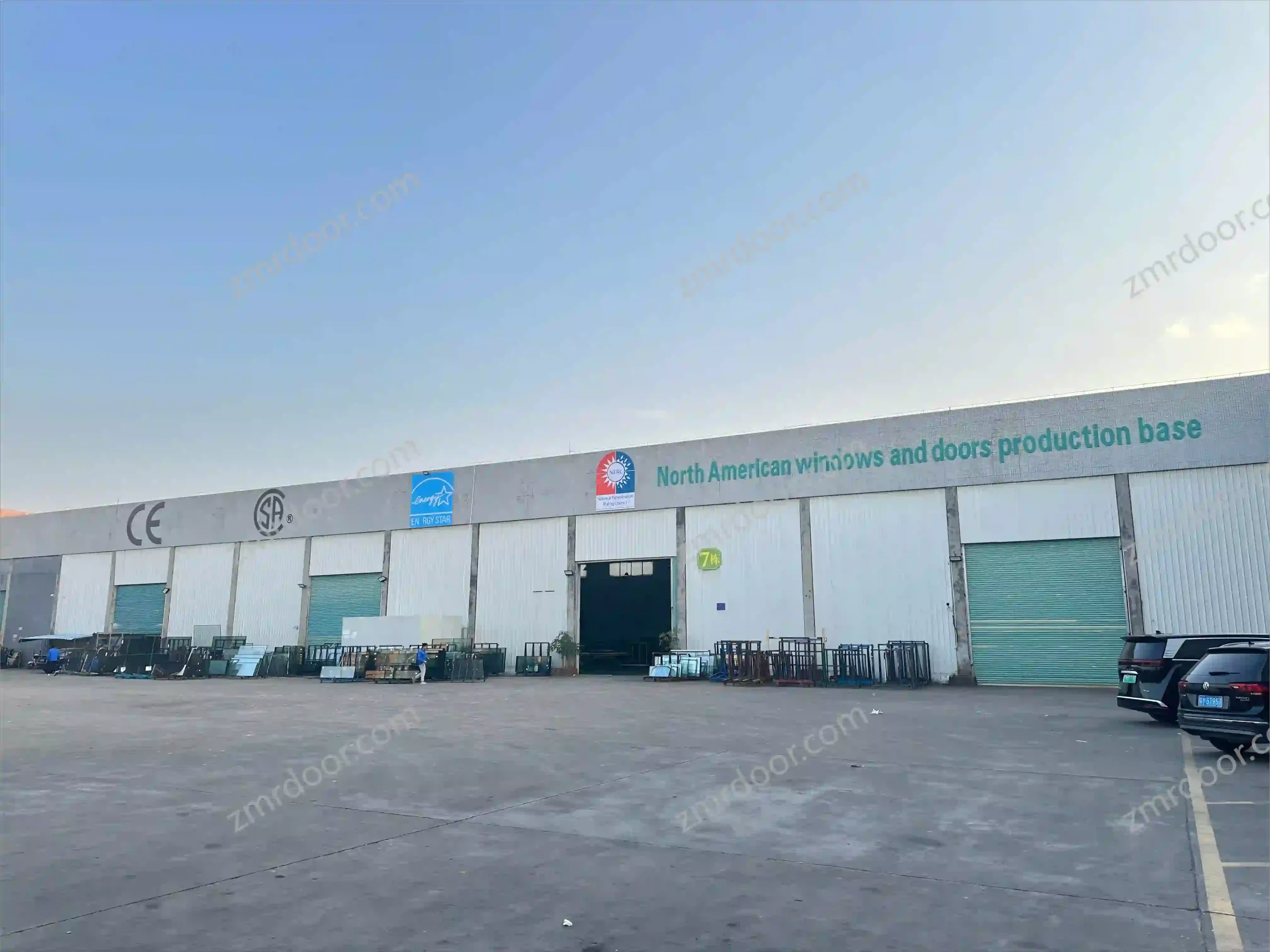
Flagship OEM/ODM Aluminum White Window Systems
Custom Engineered Thermal-Break, Impact-Resistant, and Soundproof Window Series Direct from Factory
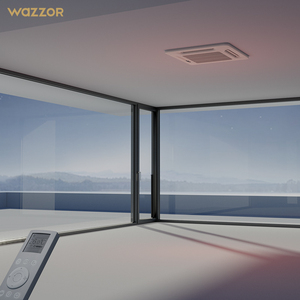
Hurricane Proof High Impact Aluminum Low-E Glass Casement Window
Contact Us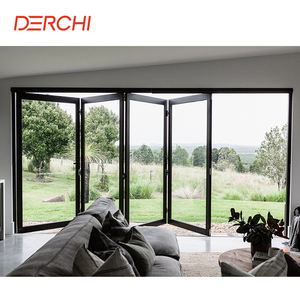
Exterior Balcony Soundproof Double Glass Bi-Fold Doors (White/Black)
Contact Us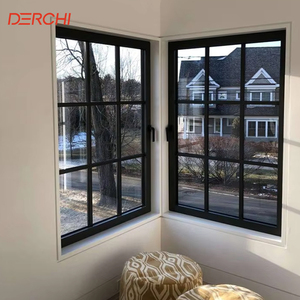
Narrow Frame Commercial Triple Glazed European Style Casement Windows
Contact Us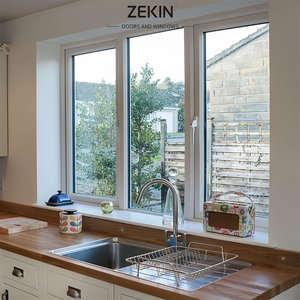
Modern White Aluminium Casement Windows NFRC Insulated for Hotels
Contact Us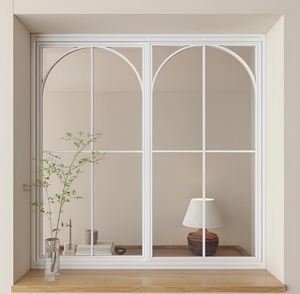
White French Grid Modern Style Aluminum Fixed Window Custom Exterior
Contact Us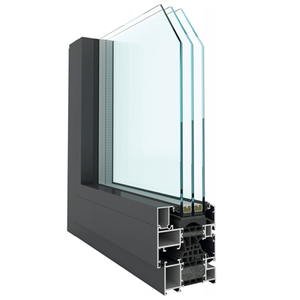
Energy Efficient Noise Reduction White Aluminium Casement Windows
Contact Us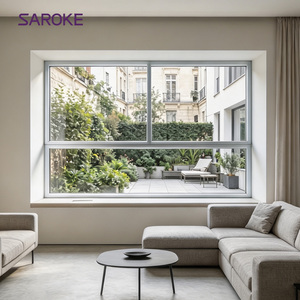
Thermal Insulated Simple Design White Aluminum Sliding Windows
Contact Us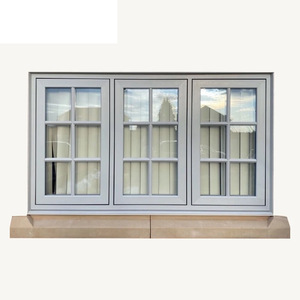
Wholesale Aluminum Alloy Energy Efficient Double Glazed Swing Windows
Contact UsOEM/ODM Aluminum White Windows: Technical Engineering, Material Science, and Global Supply Chain Analysis
Architectural fenestration design has experienced a profound shift toward high-performance, aesthetically refined white aluminum window systems. As global building codes enforce stricter energy metrics (such as target U-factors below 1.2 W/m²K) and modern interior trends favor clean, minimalist profiles, international project developers, architects, and importers increasingly rely on specialized OEM/ODM Aluminum White Windows Suppliers & Exporters. This whitepaper analyzes the core engineering parameters, material metallurgy, surface-coating longevity, thermal break performance, and strategic procurement frameworks governing modern white aluminum window manufacturing.
Information Gain Insight: Unlike standard off-the-shelf fenestration units, architectural OEM/ODM white aluminum windows require structural alloy calibration (6063-T5 vs. 6063-T6), advanced electrochemically applied PVDF/powder surface coatings to prevent UV yellowing, and high-density Polyamide (PA66-GF25) thermal barriers to eliminate structural thermal bridging.
1. Material Engineering: Extrusion Alloys and Surface Finish Durability
The foundation of any high-durability aluminum window lies in the structural alloy selection and surface protection technology. Primary aluminum extrusions utilized by tier-one manufacturers in Foshan, China—the global hub for architectural aluminum—must strictly adhere to GB/T 5237 and ASTM B221 benchmarks.
Alloy Selection: 6063-T5 vs. 6063-T6 Metallurgical Performance
For standard architectural profiles, 6063-T5 aluminum provides an optimal balance between tensile strength, surface smoothness, and extrusion complexity. However, for structural curtain walls, high-load sliding doors, and hurricane-impact casement frames engineered for high-rise or coastal regions, 6063-T6 heat-treated alloy is specified due to its higher yield strength (exceeding 210 MPa), offering superior resistance to extreme wind pressures (ASTM E330).
Architectural White Surface Technologies: Powder Coating vs. PVDF (Fluorocarbon)
One of the primary historical risks with white exterior fenestration has been UV degradation, chalking, and color fading. Advanced OEM/ODM production lines mitigate this risk through two principal coating processes:
- AAMA 2604 Thermosetting Powder Coating: Formulated with super-durable polyester resins, offering exceptional resistance to moisture, impact, and fading. Ideal for standard commercial and residential applications with a color retention guarantee exceeding 10–15 years.
- AAMA 2605 Polyvinylidene Fluoride (PVDF) Fluorocarbon Finish: Utilizing a minimum 70% fluorocarbon resin base, PVDF white coatings provide the ultimate defense against aggressive coastal salt-spray environments, chemical pollutants, and harsh high-UV solar exposure, maintaining color integrity (RAL 9016, RAL 9010) for over 25–30 years.
2. Technical Comparison Matrix: Fenestration Systems & Thermal Values
Selecting the appropriate window system depends directly on the project's local climate zone, structural load requirements, and desired acoustic dampening. Below is an engineering overview comparing primary window configurations offered by leading China manufacturers:
| Window Configuration | Profile Depth | Thermal Break (PA66) | Glazing Specification | U-Factor Range (W/m²K) | Acoustic Rating (STC) |
|---|---|---|---|---|---|
| Thermal Break Casement | 65mm – 80mm | 24mm – 34mm PA66-GF25 | Double / Triple Low-E + Argon | 1.1 – 1.6 | 38 – 45 dB |
| Slim-Frame Sliding Window | 110mm – 135mm | 14.8mm – 20mm PA66 | Double Tempered Insulated | 1.8 – 2.4 | 30 – 35 dB |
| Hurricane Impact Casement | 75mm – 90mm | Heavy-Duty Reinforced PA66 | SGP Laminated Insulated Glass | 1.3 – 1.8 | 40 – 48 dB |
| Fixed Architectural French Grid | 50mm – 65mm | Optional Thermal Barrier | Double Low-E Tempered | 1.4 – 2.0 | 32 – 38 dB |
| Heavy-Duty Bi-Fold Wall System | 75mm – 85mm | 24mm Polyamide Strip | Double Laminated Safety Glass | 1.5 – 2.1 | 35 – 42 dB |
3. Thermal Efficiency and Acoustic Isolation Engineering
Modern architectural codes demand stringent energy efficiency compliance. Non-thermal aluminum frames exhibit high thermal conductivity, transferring exterior ambient heat inward during summer and cooling interior spaces in winter. To solve this, OEM/ODM white aluminum windows incorporate advanced Thermal Break Technology.
By mechanically joining inner and outer extruded aluminum profiles with structural Polyamide PA66 reinforced with 25% fiberglass (PA66-GF25), the conductive path is broken. This technical integration dramatically lowers the overall system U-factor. When paired with double or triple-pane Insulated Glass Units (IGU) featuring Low-Emissivity (Low-E) coatings, warm-edge spacers, and inert Argon gas infill, thermal performance satisfies North American NFRC, European CE, and Australian AS2047 standards.
PA66-GF25 Thermal Insulation
High-strength polyamide thermal barriers engineered to prevent thermal conductivity, reducing interior energy consumption by up to 40%.
Multi-Chamber Structure
Sophisticated multi-cavity profile geometries housing sound-dampening air pockets and internal drainage channels.
Impact & Wind Resistance
Reinforced structural corners crimped with German polyurethane adhesive for hurricane-level structural performance.
4. Future Procurement Trends in the Global Fenestration Market (2025–2030)
As international developers and fenestration distributors optimize their supply chains, several key technological and regulatory trends are reshaping procurement strategies:
A. Ultra-Slim Sightlines and Concealed Hardware Engineering
Modern architectural minimalism favors ultra-narrow interlocking stiles (often under 20mm visible width) and concealed hinges. ODM exporters are re-engineering hardware channels to accommodate heavy multi-point locking systems while keeping frame profiles virtually invisible from interior viewports.
B. Low-Carbon and Recycled Primary Aluminum Billets
Driven by EU Carbon Border Adjustment Mechanism (CBAM) regulations and global LEED certifications, major developers now mandate low-carbon aluminum extruded using renewable hydropower energy. Exporters capable of supplying verified carbon-footprint credentials hold a distinct competitive edge.
C. Smart Tinting and Building Integrated Photovoltaic (BIPV) Ready Frames
The convergence of fenestration with smart home automation requires window profiles designed with integrated wiring conduits to power Electrochromic Smart Glass (PDLC) and micro-BIPV solar collecting glazing modules without sacrificing weather seal integrity.
5. Why Foshan Manufacturing Excellence Powers Global Projects: Veltor Factory Advantage
Situated in Shishan Town, Nanhai District, Foshan—China's legendary manufacturing core for architectural aluminum—Veltor Window & Door Co., Ltd. exemplifies enterprise-grade OEM/ODM execution. By controlling every fabrication node within an integrated industrial ecosystem, Veltor delivers custom-engineered window solutions for builders, commercial contractors, and project dealers worldwide.
Veltor’s engineering protocol eliminates field installation errors by enforcing 100% pre-shipment dry assembly, shop drawing validation, and custom structural testing. From CNC mitre-cutting and automated corner crimping to EPDM gasket insertion and export-grade plywood crating labeled by opening numbers, Veltor ensures that imported fenestration units arrive site-ready and code-compliant.
Frequently Asked Procurement Questions (FAQ)
Essential Technical and Logistics Guidance for International Window Buyers and Distributors
Ready to Engineer Your Next Fenestration Project?
Connect with our senior technical engineering team in Foshan. Send us your architectural drawings, window schedules, or custom OEM/ODM requirements for immediate factory-direct evaluation and pricing.
Contact Us