Featured Commercial & Residential Systems
Engineered to comply with international structural, wind-load, and energy performance codes. Custom extrusions and hardware integrations available upon request.
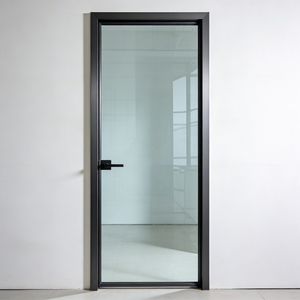
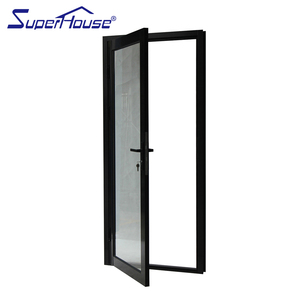
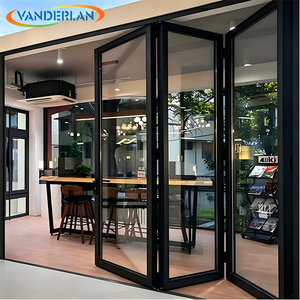
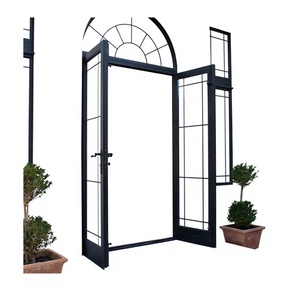
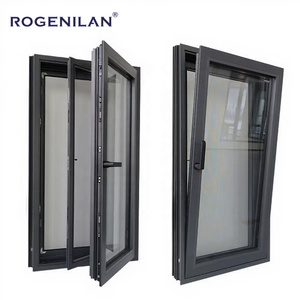
Commercial Architectural Storefront Systems: An Engineering Overview
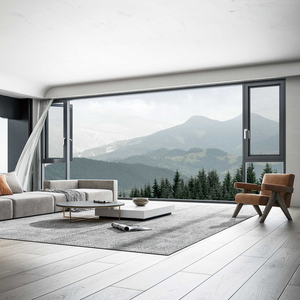
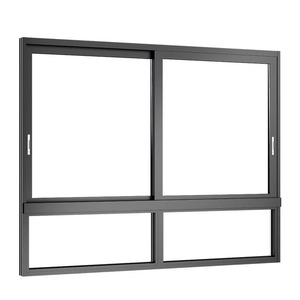
In modern commercial architecture, storefront windows and glass entry facades serve as both the primary thermal barrier and the defining structural identity of commercial properties. OEM/ODM aluminum storefront window systems engineered for high-traffic retail complexes, mixed-use commercial towers, hospitality venues, and luxury automotive showrooms must balance rigorous structural integrity with visual clarity and optimal thermal efficiency.
As a leading Foshan-based manufacturer (operating under Veltor Window & Door Co., Ltd.), our engineering infrastructure in Nanhai District leverages China's industrial aluminum supply chain to fabricate custom thermal-break architectural fenestration. This technical whitepaper addresses key engineering criteria, material science metrics, structural wind-load requirements, and procurement strategies necessary for commercial project dealers, main contractors, and real estate developers seeking factory-direct OEM/ODM manufacturing partnerships.
Material Science & Alloy Profile Specifications
The core structural backbone of commercial storefront framing rests on architectural aluminum extrusions. Standard residential profiles (such as 6063-T5) often lack the shear strength required for expansive glass spans subject to high wind pressures and structural deflection limits. Our factory utilizes high-grade 6063-T5/T6 and 6005A-T6 aluminum alloys featuring wall thicknesses ranging from 2.0mm to 3.5mm, strictly exceeding ASTM B221 and EN 755 structural fenestration parameters.
To eliminate thermal bridging in non-residential dynamic envelopes, extrusions incorporate Polyamide 66 reinforced with 25% glass fiber (PA66-GF25) thermal barrier strips. This structural configuration isolates outdoor climatic temperature shifts from indoor HVAC environments, dramatically lowering operational U-factors while maintaining structural shear resistance across structural spans exceeding 4.5 meters in height.
Information Gain Insight: Thermal Deflection vs. Structural Integrity
Unlike standard uninsulated aluminum extrusions which suffer from thermal expansion strain differential (leading to bowed framing under severe heat loading), dual-bar PA66-GF25 mechanical crimping ensures co-linear expansion coefficients. This engineering measure prevents glass seal failure, perimeter sealant shearing, and hardware misalignment over extended operational lifecycles.
OEM/ODM Customization & Contract Manufacturing Infrastructure
Commercial project procurement demands tailored engineering adjustments. Standard off-the-shelf window dimensions fail to fulfill complex architectural visions, specific local building codes, or wind-load pressure zones (such as hurricane-prone coastal regions or high-altitude seismic zones). Our dedicated OEM/ODM manufacturing facility delivers complete contract manufacturing solutions from preliminary shop drawings to final pre-assembly testing.
Bespoke Structural Extrusions
Custom die matrix development for specialized mullions, sub-framing profiles, flush-glazing adaptors, and custom architectural shadow lines.
Acoustic & Low-E Glazing
Triple-glazed IGUs, acoustic PVB/SGP laminated safety glass, ceramic frit solar shading, and warm-edge spacer technology.
Surface Finishes (AAMA Standards)
Fluorocarbon PVDF coating (AAMA 2605 compliant for 20+ year weatherability), architectural anodizing (Class I & II), and durable powder coating.
B2B Project Workflow: From CAD Drawings to Site Delivery
To eliminate costly on-site modifications and installation delays, our enterprise workflow utilizes rigorous shop-drawing conversion protocols:
- Architectural Elevation & Spec Review: Converting structural tender drawings into precise CAD/BIM shop drawings including profile cross-sections, anchorage details, and perimeter sealant joints.
- Structural Wind Load & Deflection Calculation: Engineering mullions according to project wind pressure specifications (ASTM E330 / EN 12210), ensuring structural deflection stays within L/175 or L/240 limits.
- Precision CNC Machining: Profile cutting, corner crimping, drainage slot routing, and hardware mortising executed on automated double-head multi-axis CNC machining centers.
- Glass Unit Integration & Structural Silicone Application: IGUs are sealed using dual-component structural silicone adhesive (Dow Corning / Tremco), ensuring long-term adhesion under extreme dynamic wind forces.
- Pre-Shipment Trial Assembly & Modular Crating: Full-unit framing checks prior to protective wrapping, plastic corner guarding, and loading into custom reinforced steel-framed export wooden crates.
Technical Benchmark & System Engineering Specifications
Commercial window selection requires rigorous verification against international performance criteria. The matrix below outlines standard technical baselines engineered into our OEM/ODM storefront fenestration product lines:
| Performance Parameter | Standard Testing Protocol | Engineering Value Range | Impact on Building Performance |
|---|---|---|---|
| Thermal Transmittance (U-Factor) | NFRC 100 / EN ISO 10077-2 | 0.18 – 0.32 Btu/h·ft²·°F (1.0 – 1.8 W/m²K) | Reduces HVAC cooling/heating load, meets LEED thermal envelope standards. |
| Structural Wind Load Resistance | ASTM E330 / EN 12210 | 3500 Pa – 6000 Pa (Design Pressure up to DP80+) | Prevents structural failure during severe windstorms and high-rise turbulence. |
| Air Infiltration Rate | ASTM E283 / EN 12207 | ≤ 0.06 cfm/ft² at 1.57 psf (Class 4 rating) | Eliminates unwanted drafts, minimizes internal dust and humidity ingress. |
| Water Penetration Resistance | ASTM E331 / EN 12208 | 750 Pa – 1000 Pa static water pressure | Prevents internal structural damage and water leaks during heavy rainstorm events. |
| Acoustic Sound Insulation (STC/OITC) | ASTM E90 / ISO 10140-2 | STC 38 – STC 48 (depending on laminated glass buildup) | Attenuates urban street noise, commercial traffic, and aviation sound pollution. |
| Impact Resistance (Hurricane Zone) | ASTM E1886 / E1996 (TAS 201/202/203) | Large Missile Impact Level D (SGP interlayer laminated glass) | Required for coastal commercial envelopes subject to windborne debris. |
Why Global Procurement Leaders Partner with Veltor
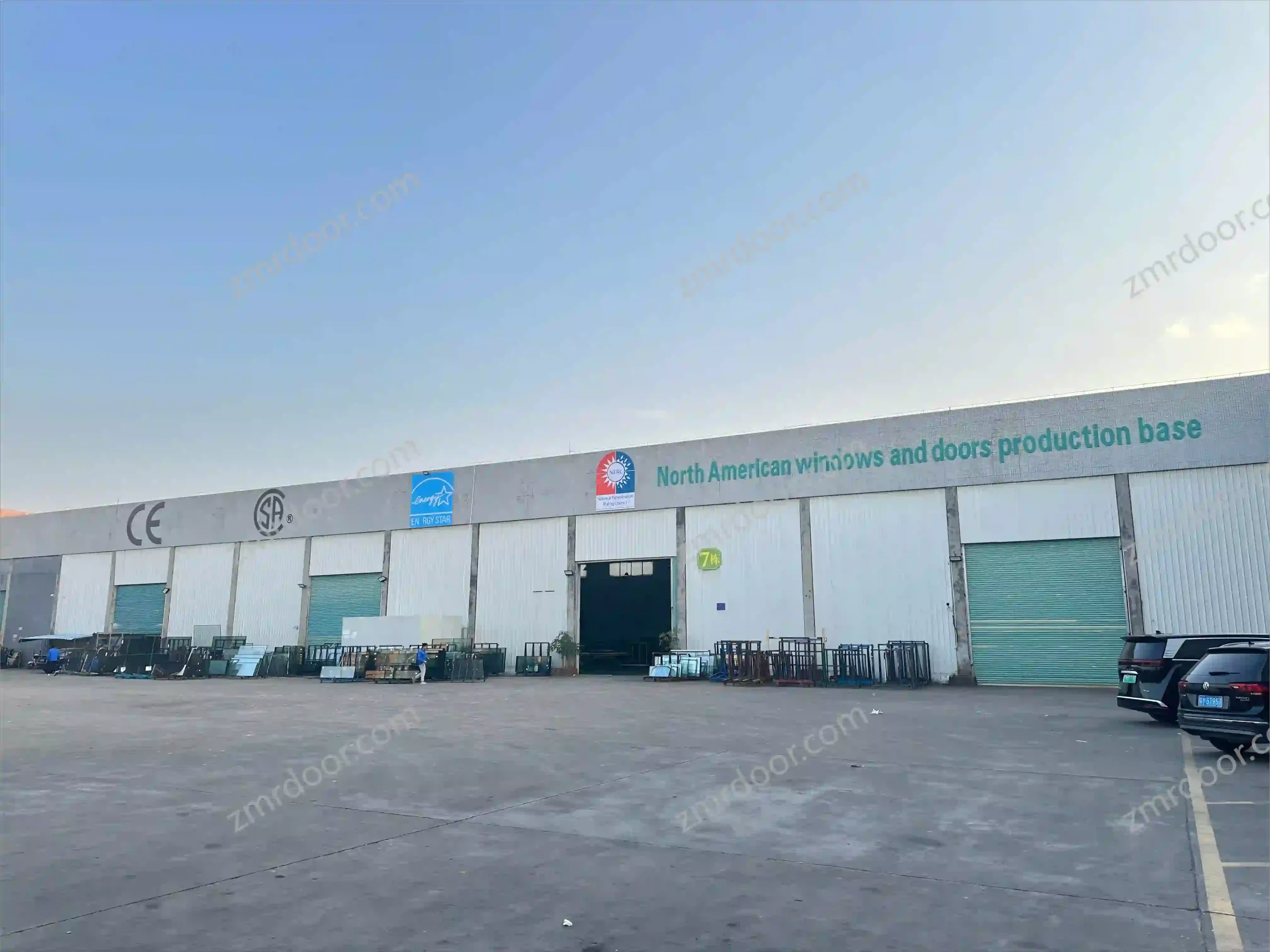
Operating out of Building 6, Yiqiying Industrial Park, Shishan Town, Nanhai District, Foshan, Veltor Window & Door Co., Ltd. stands as a benchmark manufacturer of architectural aluminum fenestration. By managing profile cutting, CNC machining, thermal break assembly, insulated glass integration, and strict Quality Assurance under one centralized factory roof, we eliminate intermediate supply chain markups while retaining total quality control.
100% Pre-Shipment QC
Every finished frame undergoes dimensional accuracy verification, corner joint squareness checks, hardware cycle testing, and finish inspection prior to export packing.
Opening-Number Crate Labeling
To simplify site installation for main contractors, each window frame and glass unit is individually tagged matching the project’s elevation window schedule.
International Compliance
Production lines comply with ISO 9001 quality management, providing documentation supporting CE (EN 14351), NFRC, AS2047, and SGCC glass safety certifications.
Full OEM/ODM Private Label Support for Wholesalers & Dealers
Beyond contract project manufacturing, Veltor provides private-label OEM manufacturing for international window dealers and system distributors. Our engineering team assists partners with custom extrusion catalog design, specialized sample boxes, branded protective masking film, hardware logo engraving, and scalable pricing brackets designed to support long-term dealership growth in local target markets.
Future Sourcing & Architectural Trends in Commercial Storefront Fenestration
The global commercial fenestration market is experiencing structural shifts driven by updated municipal carbon-neutral mandates, rising energy costs, modern minimalistic architectural design languages, and supply chain consolidation. Procurement officers and commercial developers must account for the following emerging trends through 2030:
1. Transition Toward Ultra-Slim Sightline Storefront Systems
Architectural design continues to favor visual transparency, maximizing natural daylighting while minimizing visible metal framing. Ultra-slim storefront window profiles—reducing sightlines from standard 50mm (2-inch) faces down to 15mm-25mm narrow profiles—are rapidly gaining market share in luxury automotive dealerships, high-end retail, and boutique commercial entrances. Achieving structural load parameters with ultra-thin profiles requires high-tensile 6005A-T6 aluminum alloys and concealed structural structural silicone bonding techniques.
2. Embedded BIPV & Dynamic Solar Control Glazing Integration
With Net-Zero Energy Building (NZEB) codes expanding across North America, Europe, and Australia, commercial storefronts are evolving from passive thermal barriers into active energy-harvesting interfaces. Integration of Building-Integrated Photovoltaics (BIPV) inside vision glass spandrels, combined with electrochromic (smart glass) tinting controlled via Building Management Systems (BMS), represents the next frontier in commercial architectural envelopes.
3. Low-Carbon Recycled Aluminum Extrusions & Circular Economy
Environmental, Social, and Governance (ESG) criteria now heavily influence international commercial tender bidding. Leading real estate investment trusts (REITs) require fenestration manufacturers to supply Environmental Product Declarations (EPDs). The industry is moving toward high-content post-consumer recycled aluminum billets (smelted using renewable hydroelectric power), reducing the embodied carbon footprint of architectural aluminum extrusions by over 70% compared to virgin primary aluminum.
4. Supply Chain Risk Mitigation via Factory-Direct OEM Partnerships
Traditional multi-tiered distribution channels (involving regional brokers, local fabricators, and hardware assembly shops) incur significant price markups and lead-time volatility. Sourcing finished, custom-engineered fenestration units direct from integrated Foshan manufacturers allows global buyers to shorten procurement cycles, secure direct technical engineering support, and maintain rigid quality consistency across multi-building project phases.
Frequently Asked Questions by Commercial Buyers
Expert answers regarding minimum orders, technical compliance, packaging, lead times, and thermal performance customization.
Ready to Request a Technical Proposal or Engineering Quotation?
Submit your project window schedule, architectural drawings, or OEM distribution requirements. Our engineering team will deliver a comprehensive proposal within 24 business hours.