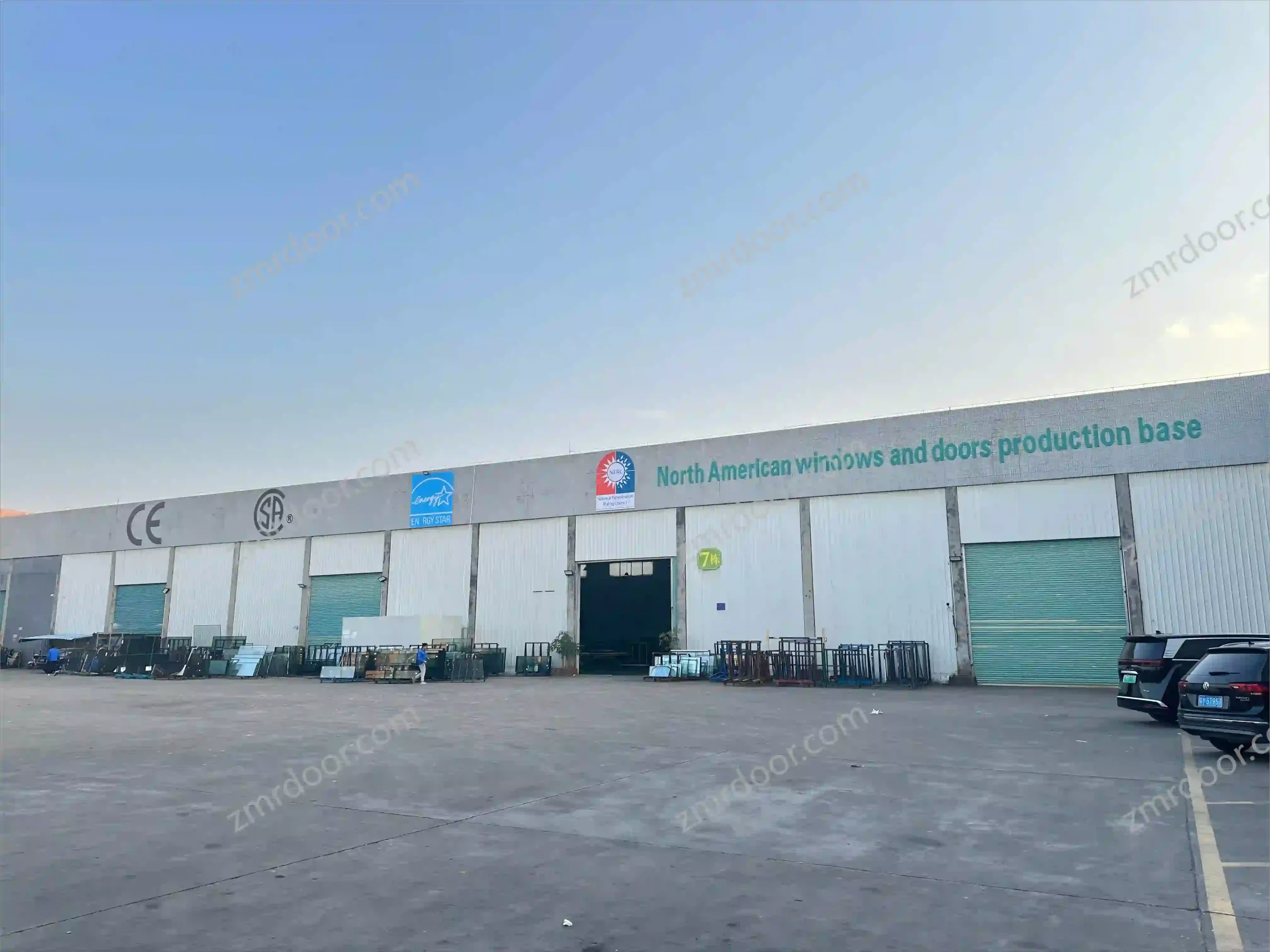
Featured Custom Aluminum Window & Door Systems
Engineered for high-end residential, hotel, and commercial architectural projects worldwide.
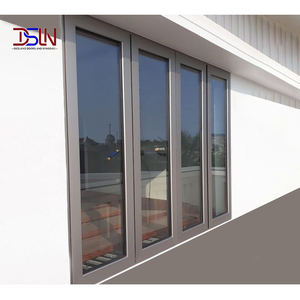
Aluminum-plastic Co Casement Window Anthracite Grey Double Glazing Swing Energy Glass System for Residential Housing Supplier
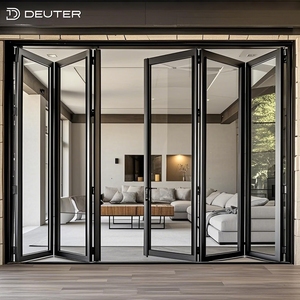
Panoramic Heavy-duty Exterior Aluminum Patio Glass Bifold Folding Door Thermal Break Wide Opening Villa Indoor Partition System
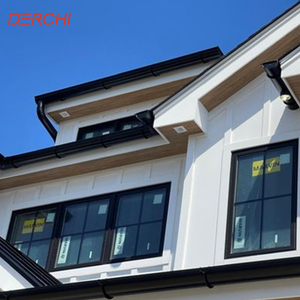
DERCHI Aluminum Windows Florida Certificate NFRC Hurricane Proof Impact Casement Window
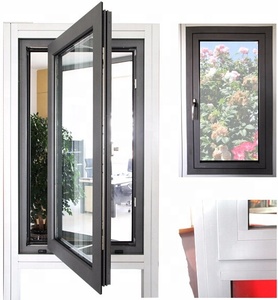
Australia Standard Commercial Aluminium House Windows Aluminium Windows Double Tempered Glazed Casement Windows with Fly Screen
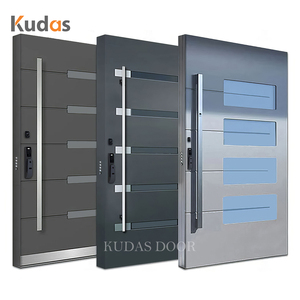
Modern Soundproof Windproof Seal Cast Aluminum Front Entry Pivot Door Villa Exterior Security Entrance Door with Glass
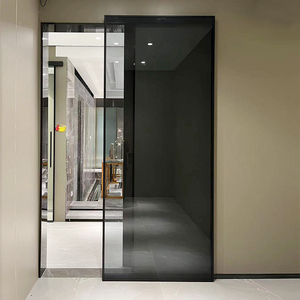
Aluminum Wall Mounted No Track Ghost Door Interior Frosted Fluted Glass Door Living Room Kitchen Soft Closing Sliding Door
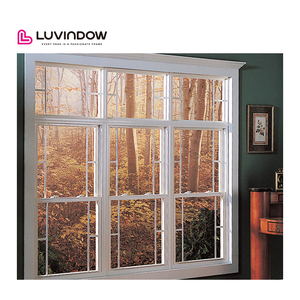
Modern Single Hung Sliding Windows Cheap Hot Sale Door Win Russia Customized Different Colors for Apartment Villa Warehouse
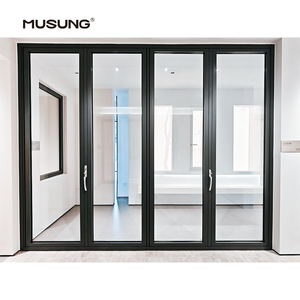
Seaside Hotel Hurricane Proof Aluminum Exterior Balcony Patio Soundproof Glass Garden Aluminum Folding Doors
Engineering Architecture of OEM/ODM Aluminium Wood Finish Windows
An authoritative guide for architects, general contractors, developers, and fenestration importers evaluating woodgrain sublimation vs. authentic timber clad systems.
1. The Evolution of Wood Finish Aluminum: Sublimation vs. Powder Coating vs. Cladding
In modern architectural fenestration, the demand for natural timber aesthetics combined with the high structural performance and low maintenance of extruded aluminum profiles has created a significant surge in demand for OEM/ODM Aluminium Wood Finish Windows. Sourcing specialists must distinguish between three distinct manufacturing techniques when specifying systems for high-value residential or commercial applications:
A. Heat Transfer Sublimation (Vacuum Grain Sublimation): This process involves applying a durable base powder coat (typically polyurethane or polyester) to the extruded 6063-T5 aluminum profile. A specialized cellulose film bearing woodgrain inks (such as Italian Decoral grain technology) is wrapped around the profile under vacuum seal. Subjected to curing temperatures between 190°C and 210°C, the inks sublimate directly into the base powder coat layer. This creates a tactile, 3D textured wood finish that resists UV radiation, moisture, and scratching without peeling or delaminating.
B. Fluorocarbon (PVDF) Wood Pattern Coatings: Engineered for extreme climate zones—such as tropical coastal regions or severe frost zones—fluorocarbon wood coatings utilize multi-layer liquid PVDF paints cured at elevated temperatures. Fluorocarbon systems provide superior resistance against salt spray corrosion, chalking, and acid rain, making them the preferred choice for hurricane-impact hotel projects and high-rise developments.
C. Real Wood Interior Cladding (Alu-Timber Composite): True aluminum-clad wood windows feature a solid timber interior profile (e.g., European Oak, Teak, Pine, or Black Walnut) mechanically clipped to an external aluminum protective frame. While offering unmatched luxury, sublimated wood finish aluminum provides a significantly more cost-effective, termite-proof, fire-rated, and zero-maintenance alternative for large-scale developments.
Thermal Break Structural Integrity
Engineered with polyamide PA66 GF25 insulation strips, preventing thermal bridges and reducing total window thermal transmittance (U-factor) down to 1.2–1.6 W/m²K.
Acoustic & Weather Resilience
Triple-sealed EPDM gasket systems paired with acoustic laminated double or triple glazing reduce ambient outdoor noise pollution by up to 42 dB (STC rated).
AAMA 2604 / Qualicoat Class 2
Conforms to rigorous global standards for surface finish longevity, offering 10 to 25-year warranties against color fading, peeling, or chalking under intense sunlight.
2. Technical Comparison Matrix: Wood Finish Aluminum vs. Traditional Materials
To assist procurement engineers and architectural specification writers, the table below provides a rigorous technical comparison between sublimated aluminum wood finish systems, natural solid timber, and standard vinyl/uPVC alternatives.
| Performance Metric | Sublimated Wood Finish Aluminum | Solid Natural Timber | uPVC / Vinyl Wood Laminated |
|---|---|---|---|
| Structural Yield Strength | High (6063-T5 / T6 Extrusion, ≥180 MPa) | Medium to Low (Depends on species/grain) | Low (Requires heavy steel reinforcement) |
| Weatherability & Moisture Resistance | 100% Water Resistant (Zero rot, zero swelling) | Prone to warping, rot, and moisture expansion | Prone to thermal expansion and warping in heat |
| Termite & Pest Resistance | 100% Impervious | Requires continuous chemical treatment | Impervious |
| Maintenance Cycle | Zero sanding or varnishing (Wipe clean) | Re-varnish/paint every 2–3 years | Low maintenance (Laminates may peel) |
| Fire Rating Performance | Class A Non-Combustible (A1 Grade Profile) | Combustible (Requires intumescent treatment) | Self-extinguishing but emits toxic fumes |
| Design Life Expectancy | 30+ Years (With Qualicoat Class 2 finish) | 10–15 Years (Unless continuously treated) | 15–20 Years (Degrades under UV exposure) |
Key Information Gain for Project Procurement Directors:
When sourcing OEM/ODM Aluminium Wood Finish Windows from Foshan manufacturing hubs, always request proof of profile wall thickness compliance (minimum 1.4mm for casement windows, 2.0mm for heavy-duty sliding doors under ISO/GB standards) and precise PA66 nylon thermal break strip verification. Inferior PVC thermal strips will degrade under thermal stress, compromising both the frame integrity and the woodgrain finish bonding.
Future Sourcing & Technology Trends in Wood Finish Fenestration
Key technological advancements and market shifts shaping global window procurement over the next decade.
1. Ultra-Low Carbon Recycled Aluminum Billets
Global building codes (such as EU Taxonomy and LEED v4.1) are driving demand for windows manufactured using primary scrap recycled aluminum or hydro-powered low-carbon billets. Future OEM/ODM orders will routinely require Environmental Product Declarations (EPD) verifying embodied carbon reduction.
2. Smart Hardware & Concealed Motorization
Integration of ultra-slim, hidden automatic actuators into wood finish frames allows motorized opening via smart home automation systems (Zigbee/Matter protocols). Concealed 180° heavy-duty hinges keep sightlines completely unobstructed.
3. Hyper-Realistic 3D Tactile Wood Textures
Next-generation powder coat printing incorporates micro-embossed ceramic spheres that simulate natural oak, walnut, or mahogany grain tactile feel. This eliminates the cool metallic touch of aluminum while preserving structural resilience.
4. Vacuum Insulated Glass (VIG) Integration
Replacing traditional double or triple argon-filled units with ultra-thin Vacuum Insulated Glass (VIG) achieves center-of-glass U-factors as low as 0.60 W/m²K in frames as slim as 65mm depth, dramatically reducing total window weight and sightline bulk.
Why Sourcing Partners Choose Our Manufacturing Facility
Rooted in Foshan, Guangdong—the global industrial capital of architectural aluminum production—we provide comprehensive OEM/ODM engineering solutions.
End-to-End In-House Manufacturing
From aluminum extrusion design, CNC precision machining, thermal break assembly, and woodgrain sublimation to automated insulated glass production, every step is executed under one roof to guarantee strict dimensional tolerance and quality consistency.
Full Customization (OEM & ODM Services)
We convert architectural blueprints into detailed CAD/BIM shop drawings. We support custom profile dies, specialized color matching, private label branding, custom packaging, and flexible hardware integration (HOPO, Siegenia, CISA, Roto).
Global Code Compliance & Certification Support
Our window and door systems are engineered and tested to satisfy major international standards, including NFRC (North America), CE / EN14351 (Europe), AS2047 (Australia), and ISO9001 quality management benchmarks.
Export-Grade Heavy Duty Packaging
To eliminate transit damage during ocean freight, all windows feature corner protection sleeves, scratch-resistant film, desiccant packs, and heavy-duty fumigated wooden crates labeled by opening number for fast site installation.
B2B Sourcing & Technical Procurement FAQ
Essential information for importers, project contractors, and architectural distributors.