Featured OEM/ODM Architectural Aluminium Doors & Windows
Precision-engineered fenestration systems manufactured with 6063-T5/T6 structural alloys, multi-cavity thermal break barriers, and international building code certifications.
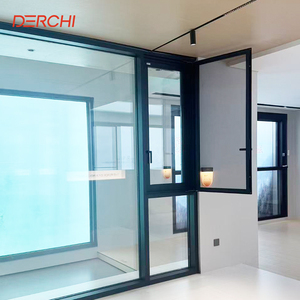
Minimalism Series Window Ultra Double Glass Aluminum Alloy Line Fixed Slimline Window Slim Profile Aluminium Casement Windows
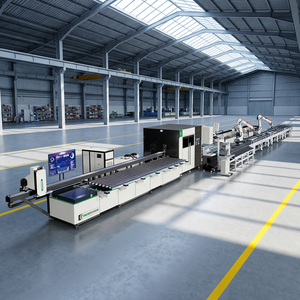
MLX550 Series Fully Automatic Zero Error Intelligent Aluminum Door and Window Production Line
80S Ultra Slim Aluminium Tilt Turn Window Sample Corner Triple Glazed Tempered Glass Windows Casement Windowss for Bedroom
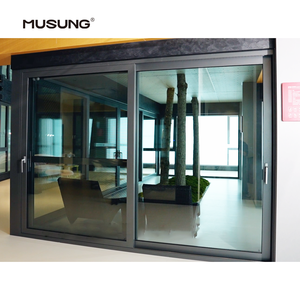
Large Sliding Glass Doors for Patio Aluminum Frame Thermal Insulation Double Glass Sliding Doors
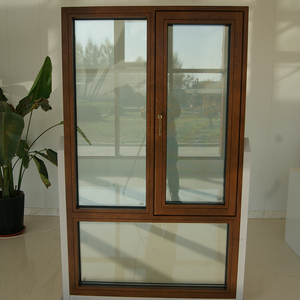
Customized Large Aluminum Fixed Glass Windows Aluminum-Clad Wooden Windows
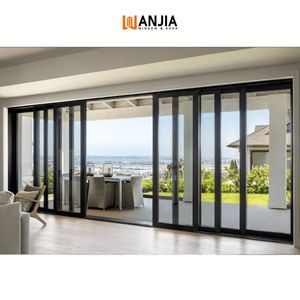
Hot Selling Popular Products American Design Double Glazed Doors Soundproof Aluminum Doors Partitions Indoor Sliding Doors
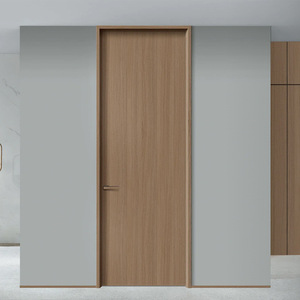
Customized Customized Designer Aluminum Wood Grain Italia Style Waterproof Single Interior Internal Doors For Houses And Bedroom
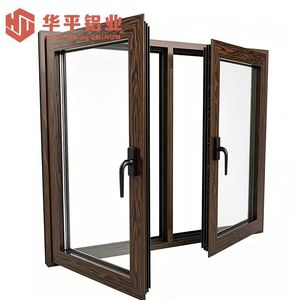
Strong Hurricane Resistant Aluminium Casement Window Reinforced Thick Profile for Storm Area Building Construction Works
Architectural Engineering Whitepaper: Custom OEM/ODM Aluminium Exterior Door Systems
An authoritative guide for structural engineers, facade consultants, real estate developers, and global building product importers on evaluating, specifying, and sourcing high-performance exterior aluminium door assemblies.
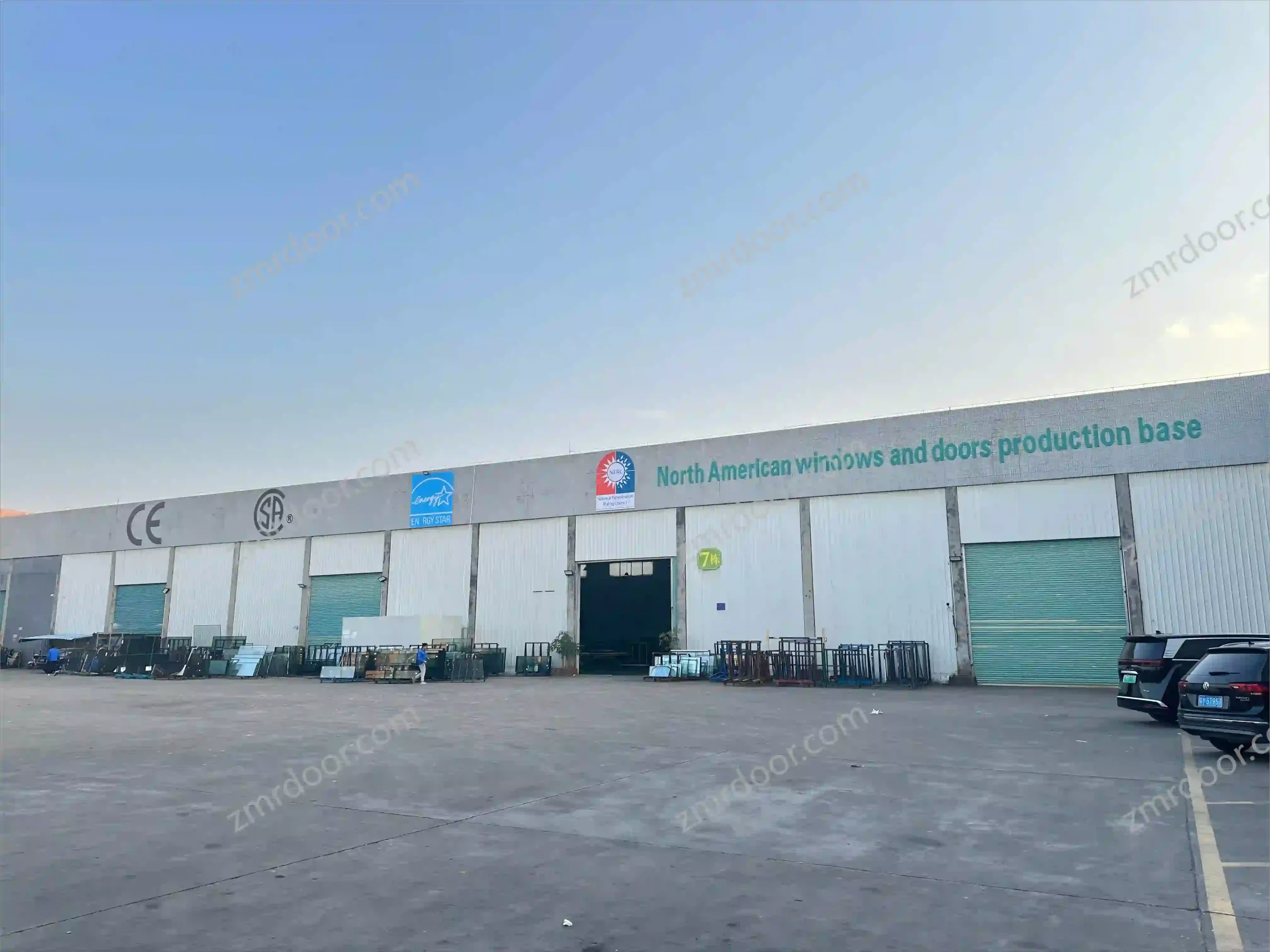
Modern commercial and high-end residential architecture demands exterior building envelope solutions that balance bold aesthetic transparency with rigorous thermodynamic efficiency and structural resilience. Exterior door systems serve as critical access points, subject to persistent weather exposure, mechanical stress, thermal bridging, and structural loads. As a premier Foshan-based manufacturer operating at the epicenter of China's architectural extrusion cluster, our factory specializes in engineering custom OEM/ODM aluminium exterior doors designed to meet stringent global standards such as North American NFRC/ASTM, European CE/EN 14351-1, and Australian AS2047 fenestration guidelines.
In structural fenestration design, aluminum alloy composition dictates mechanical durability and wind-load resistance. We utilize primary virgin billet 6063-T5 and 6063-T6 structural grade aluminum alloys, delivering yield strengths exceeding 170 MPa and ultimate tensile strengths above 205 MPa. Unlike recycled scrap extrusions that contain impurities leading to micro-cracking during deep anodizing or powder coating, high-purity 6063 alloy ensures superior structural deflection parameters (L/175 or L/240 under severe wind pressures up to 5,000 Pa) while maintaining pristine surface finish longevity.
PA66 Thermal Break Physics
Integration of 24mm to 34mm multi-cavity Polyamide PA66 reinforced with 25% fiberglass (PA66-GF25) eliminates thermal bridging, lowering total assembly $U$-factors to Passive House standards.
MLX550 Automated Precision
Our fully automated MLX550 CNC fabrication line delivers zero-error corner crimping, automated silicone injection, and micro-metric hardware routing for perfect frame alignment.
Hurricane Impact Rating
Engineered for coastal cyclone zones, reinforced profile sash walls (up to 3.0mm thickness) withstand missile impact tests and positive/negative cyclic wind load pressures.
Thermal performance in exterior doors is no longer limited to basic double glazing. The physics of thermal insulation in metal-framed doors hinges on effectively separating interior and interior metal skins using high-density polymer barriers. Standard raw aluminum possesses high thermal conductivity ($\approx 200 \text{ W/m}\cdot\text{K}$). By inserting precision-engineered Polyamide PA66-GF25 insulating strips ($\approx 0.3 \text{ W/m}\cdot\text{K}$), our thermal-break exterior door series reduces heat transfer across the frame profile by more than 85%. Combined with warm-edge composite glass spacers, Low-Emissivity (Low-E) soft coatings, and argon inert gas fill within double or triple insulated glass units (IGU), overall door system values achieve $U$-factors down to $0.85 \text{ W/m}^2\text{K}$ ($R$-value 6.7), ensuring zero condensation and substantial energy HVAC savings for commercial developments.
Future Procurement & Industry Development Trends (2025–2030)
Key market shifts shaping global OEM/ODM procurement strategies for developers, wholesale distributors, and commercial contractors.
1. Shift Toward Ultra-Slim Sightlines with Structural Heavy-Duty Hardware
Architectural preferences have shifted dramatically toward ultra-narrow profile sightlines (under 20mm visible frame widths) that maximize glass surface area while maintaining massive opening dimensions. Sourcing large-format patio sliding and bi-folding doors requires specialized hardware engineering. Future procurement favors factories capable of integrating concealed multi-point gearboxes, heavy-duty stainless steel bottom rollers rated for 500kg per panel, and dynamic hydraulic soft-closing dampeners that ensure smooth operation despite huge glass weights.
2. Stringent Carbon Border Regulations & Low-Carbon Aluminium Sourcing
With the implementation of the EU Carbon Border Adjustment Mechanism (CBAM) and global LEED v4 / BREEAM green building certifications, global buyers are prioritizing low-carbon aluminum manufacturing. Leading OEM exporters are transitioning toward hydro-powered primary aluminum smelting and incorporating up to 75% post-consumer recycled aluminum content. This eco-friendly production cycle reduces embodied carbon per square meter of finished door profile without compromising structural alloy yield strength.
3. Automation & Digital BIM/CAD Integration in Custom OEM Sourcing
Traditional manual fabrication is being replaced by fully automated CNC manufacturing systems like our MLX550 Intelligent Production Line. Importers now demand full digital integration: from Revit/BIM object modeling during pre-construction design to automated 5-axis CNC profile milling. This digital workflow eliminates human measurement error, guarantees zero-tolerance corner joint alignment, and accelerates lead times for massive multi-unit high-rise project orders.
4. Integrated Smart Entry & Advanced Surface Treatment Coatings
Exterior doors are morphing into smart access hubs featuring embedded biometric fingerprint sensors, facial recognition keypads, and motorized auto-locking solenoids connected to smart home automation platforms. Simultaneously, surface finish technology has evolved to 3-coat fluorocarbon PVDF coatings (AAMA 2605 compliant) and super-durable powder coatings capable of resisting 3,000+ hours of continuous salt spray testing—essential for coastal hotel resorts and beachfront residential projects.
Technical Performance Specification Matrix
Comparative analysis of custom OEM/ODM exterior door systems for technical evaluation by architects and procurement heads.
| System Category | Profile Wall Thickness | Thermal Break Strips | Glass Configuration | Air / Water / Wind Rating | Acoustic Insulation (STC/Rw) | Primary Application |
|---|---|---|---|---|---|---|
| Heavy-Duty Thermal Entry Door | 2.0mm – 3.0mm | 24mm PA66-GF25 | 6mm + 12Ar + 6mm Low-E Tempered | Class 4 / E1050 / 4500 Pa | 38 dB – 42 dB | Main Entrances, Commercial Storefronts |
| Lift & Slide Patio Door | 2.0mm – 2.5mm | 28mm Multi-Cavity PA66 | 6mm + 16Ar + 6mm Toughened | Class 4 / E900 / 4000 Pa | 36 dB – 40 dB | Luxury Villas, Balconies, Penthouse Patios |
| Slimline Bi-Fold Exterior Wall | 1.8mm – 2.2mm | 20mm – 24mm PA66 | 5mm + 12Ar + 5mm Low-E Double | Class 3 / 750 Pa / 3500 Pa | 35 dB – 38 dB | Resort Restaurants, Pool Houses, Living Rooms |
| Hurricane Impact Casement Door | 2.5mm – 3.2mm | 34mm Ultra-Thermal Barrier | 6mm + 1.52PVB + 6mm Laminated IGU | ASTM E1996 / 5000+ Pa | 42 dB – 45 dB | Coastal Hurricane Belts & High-Wind Regions |
| Aluminum-Clad Timber Exterior Door | 2.2mm Alum + Solid Wood | Composite Wood-Polymer | Triple Glazed 4/12/4/12/4 Low-E | Passive House Certified (U ≤ 0.8) | 40 dB – 44 dB | Cold Climate Luxury Homes & Eco-Resorts |
Why Partner with Our Foshan OEM/ODM Manufacturing Plant?
Combining Foshan's world-class industrial aluminum ecosystem with rigorous international project execution capability.
In-House Milling & Anodizing
Direct ownership of extrusion lines, vertical powder coating towers, and wood-grain thermal transfer processing delivers total control over surface finish consistency and scratch resistance.
Full CAD/BIM Shop Drawings
Our senior fenestration engineering team translates architectural floor plans into detailed 2D/3D shop drawings, specifying profile cross-sections, structural wind load anchors, and drainage calculations.
Export-Ready Plywood Crating
Every finished door assembly undergoes 100% trial pre-assembly in factory before being wrapped with anti-scratch PE film, corner guards, and vacuum-sealed wooden export crates labeled by opening schedule.
Quality Verification & Testing Protocol
Our quality assurance regime complies strictly with ISO 9001 quality management procedures. Before shipment, every batch of exterior doors undergoes rigorous test cell verifications:
- Air Permeability Testing: Pressurized air infiltration chamber evaluation (EN 12207 Class 4).
- Water Tightness Under Static Pressure: High-pressure water spray jet testing (EN 12208 Class E1050).
- Corner Joint Tensile Resistance: Mechanical destruction tests ensuring corner crimps hold structural integrity.
- Hardware Cycle Life Testing: 100,000 continuous opening/closing cycle mechanical endurance tests on hinges and locksets.
Need Engineering Support for an Upcoming Tender?
Send us your door schedule and elevation CAD files for immediate technical appraisal and pricing.
Get a QuoteFrequently Asked Questions (FAQ) for OEM/ODM Buyers
Clear, definitive technical answers to standard purchasing and customization queries encountered by commercial importers.
What is the minimum order quantity (MOQ) for custom OEM/ODM exterior doors?
Because every unit is manufactured to precise architectural dimensions, we cater to both single-project residential orders and multi-container wholesale shipments. For custom profile dies or proprietary hardware integration, practical MOQs depend on total aluminum tonnage (typically 500 kg per profile extrusion section). For existing factory profile series, single-unit project orders are fully supported, consolidated safely into LCL or FCL shipping containers.
How do your thermal break exterior doors perform in extreme sub-zero or tropical climates?
Our thermal break systems utilize high-grade polyamide PA66-GF25 insulation strips combined with multi-cavity rubber EPDM seals. In northern cold climates, this setup prevents thermal transfer, frost formation, and interior condensation when combined with triple Low-E argon glass ($U \le 0.85 \text{ W/m}^2\text{K}$). In hot tropical zones, thermal barriers block radiant heat gain, keeping interior HVAC cooling costs low while resisting high ambient humidity and UV degradation.
Can you engineer and certify exterior doors to meet local building codes (e.g., AS2047, NFRC, CE)?
Yes. We regularly supply engineered fenestration packages tailored to regional compliance standards. We provide certified structural calculations, glass safety certificates (SGCC, IGCC, EN 12150), and thermal simulation reports (LBNL THERM/WINDOW models). We work alongside third-party testing agencies (Intertek, SGS, TUV) to conduct formal project-specific mock-up testing whenever requested by building inspectors.
What protective packaging and shipping precautions are taken to eliminate transit damage?
Exterior door frames and glass panels are individually protected with heavy-duty anti-scratch PE film and plastic corner caps. Glass units are separated using shock-absorbing rubber pads. Assemblies are loaded into fully enclosed, heat-treated fumigated plywood crates with integrated steel lifting straps. Every crate is clearly labeled with opening schedule numbers corresponding to job-site architectural blueprints for rapid installation sorting.
What is the standard production lead time from drawing confirmation to port delivery?
Typical manufacturing lead time is 25 to 35 calendar days following written approval of CAD shop drawings and receipt of initial deposit. Custom powder coat colors (RAL color matching) or special glass processing (such as dynamic switchable smart glass or curved laminated panels) may add 7 to 10 days to the production schedule. We issue real-time visual milestone tracking reports so buyers can schedule freight booking seamlessly.
What surface coating options and warranty guarantees do you provide for coastal salt environments?
For coastal applications located within 1,000 meters of salt water, we recommend 3-coat PVDF (Fluorocarbon) liquid coatings or Qualicoat Class 2 / Class 3 high-durability powder coatings. These treatments provide up to 25 years of warranty against fading, chalking, bubbling, or salt-spray corrosion. Stainless steel 316 grade hardware is specified for all exposed hinges, handles, and lock boxes to prevent galvanic corrosion.