1. The Paradigm Shift in Modern Architectural Door Engineering
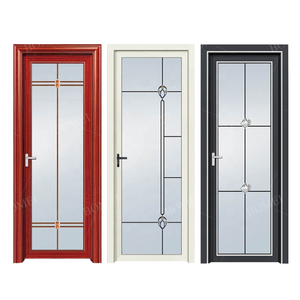
In modern architectural design, doors and window systems have evolved from simple physical barriers into integral components of structural design, environmental control, and aesthetic identity. As global building codes tighten around energy efficiency, wind-load resistance, and life-cycle sustainability, the demand for sophisticated OEM/ODM Aluminium Designer Doors has experienced exponential growth.
Aluminium alloy—specifically primary 6063-T5 and 6063-T6 extrusion profiles—serves as the foundational material for contemporary facade engineering. Its structural strength-to-weight ratio allows architects to specify expansive glass panels with ultra-narrow frame sightlines, meeting the minimalist aesthetic requirements of luxury residential villas, boutique hotels, and high-density commercial developments without sacrificing structural rigidity.
2. OEM vs. ODM Manufacturing Capabilities: Tailoring to Project Specifications
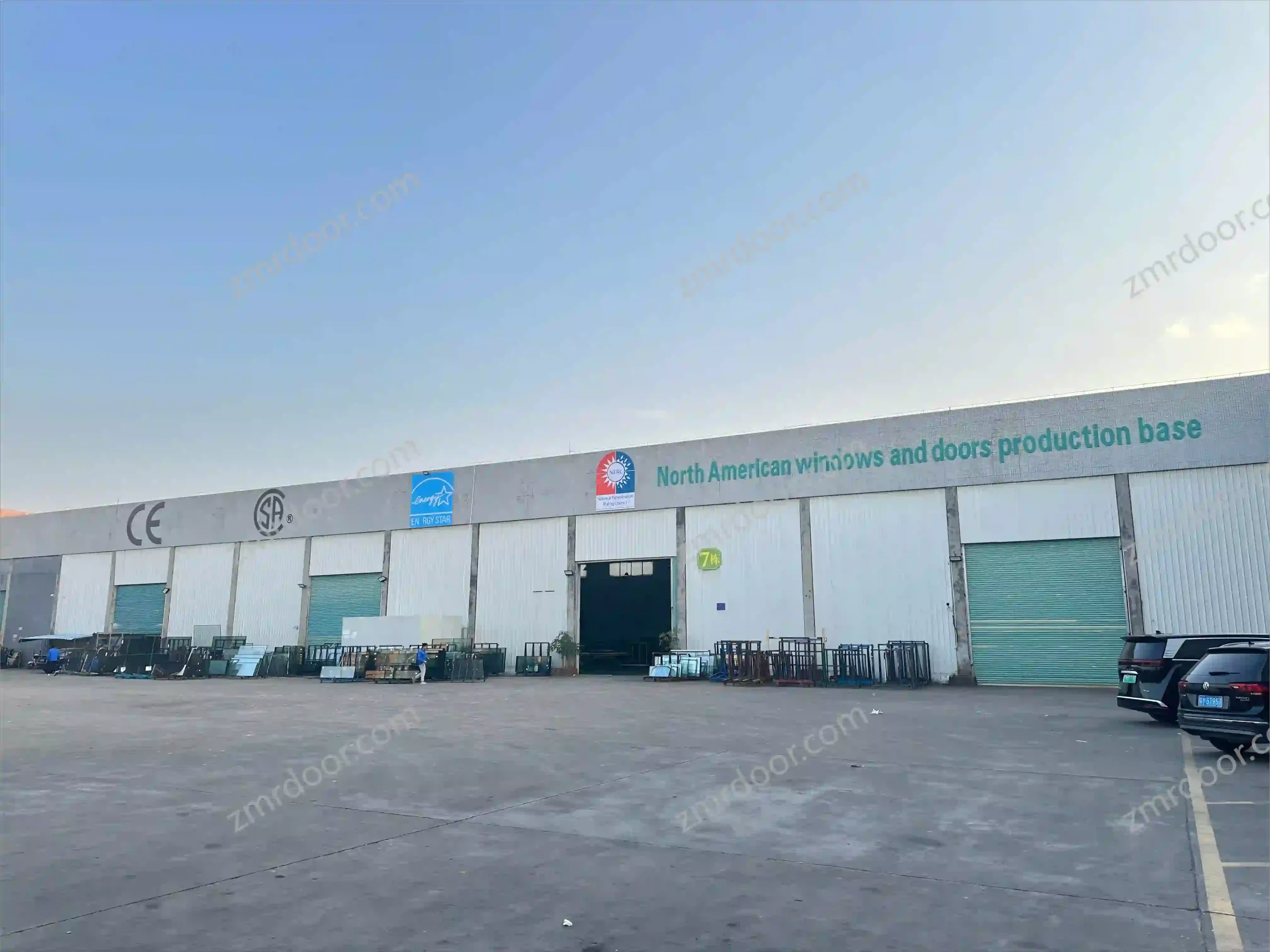
Navigating the complexities of international building developments requires flexible manufacturing paradigms. As a direct-from-factory manufacturer based in Foshan, China—the epicenter of global architectural aluminum production—we provide comprehensive contract manufacturing tailored to precise client technical packages:
- OEM (Original Equipment Manufacturing): Built strictly to client-provided CAD/BIM schematics, custom extrusion dies, and standardized hardware specifications. Ideal for large-scale real estate developers and established fenestration brands seeking cost-effective manufacturing scale under strict NDAs.
- ODM (Original Design Manufacturing): End-to-end product development engineered from performance targets. Our structural engineers design custom profile geometries, select optimal polyamide (PA66GF25) thermal breaks, engineer multi-point locking integration, and deliver accredited third-party test reports (AS2047, NFRC, CE).
| System Series | Frame Depth | Thermal Barrier Type | Acoustic Rating (STC) | Max Wind Load (Pa) | Primary Application |
|---|---|---|---|---|---|
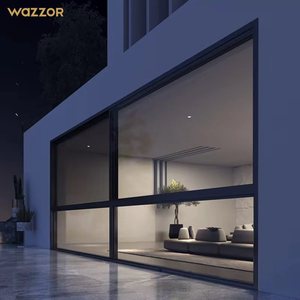
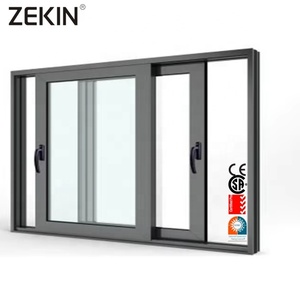
| Slim-Line Minimalist Sliding Door | 120mm - 160mm | PA66GF25 Polyamide 24mm Strip | 38 - 42 dB | 3500 Pa | Luxury Villa Patios, Balconies |
| Heavy-Duty Lift & Slide Door | 180mm - 220mm | Multi-Chamber Structural Insulated | 42 - 48 dB | 5000 Pa (Hurricane Rated) | Coastal Properties, High-Rise Pent-houses |
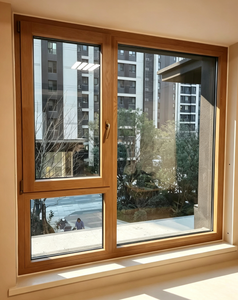
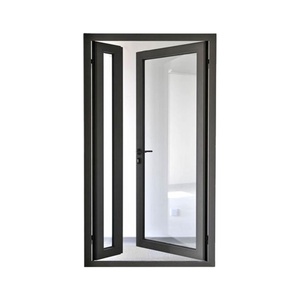
| Thermal Break Casement & French Door | 70mm - 90mm | Triple Barrier Thermal Struts | 40 - 45 dB | 4500 Pa | Residential Entrances, Passive Houses |
| Commercial Bi-Fold Accordion Wall | 75mm - 100mm | Continuous EPDM Gasket Barrier | 35 - 40 dB | 3000 Pa | Storefronts, Restaurants, Resorts |
3. Structural & Thermal Engineering: The Anatomy of High-Performance Systems
The operational performance of an imported aluminium door hinges on three fundamental engineering disciplines:
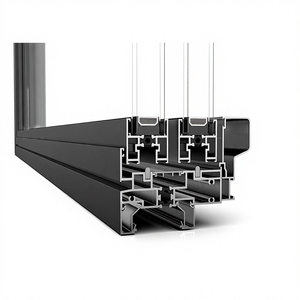
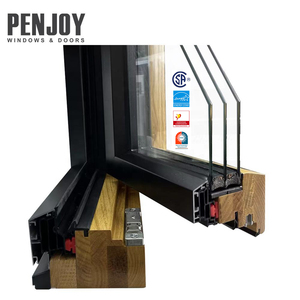
Thermal Insulation & Energy Efficiency: Uninsulated aluminum profile systems transfer heat rapidly, resulting in thermal discomfort and condensation risks. Our engineered thermal break systems utilize glass-fiber reinforced polyamide strips (PA66GF25) to mechanically separate interior and exterior aluminum profiles. Combined with Low-Emissivity (Low-E) double or triple insulating glass units (IGU) charged with Argon gas and warm-edge spacer bars, overall structural U-Factors are reduced to values below 1.2 W/m²K (U-Factor ≤ 0.21 BTU/h·ft²·°F).
Acoustic Isolation Engineering: Noise attenuation in urban or hospitality environments is achieved through multi-chamber profile designs, asymmetric glass unit construction (e.g., 6mm Outer + 12Ar + 8mm Laminated Inner), and continuous dual/triple EPDM perimeter seals that prevent sound waves from penetrating mechanical frame joints.
Surface Treatment & Corrosion Resistance: To withstand extreme UV exposure, maritime salinity, and environmental pollutants, profiles are treated with international-standard finishes including AkzoNobel fluorocarbon (PVDF) spray coating (backed by 20-year guarantees), Qualicoat-certified architectural powder coating, or hard-coat anodization (up to 25 microns).