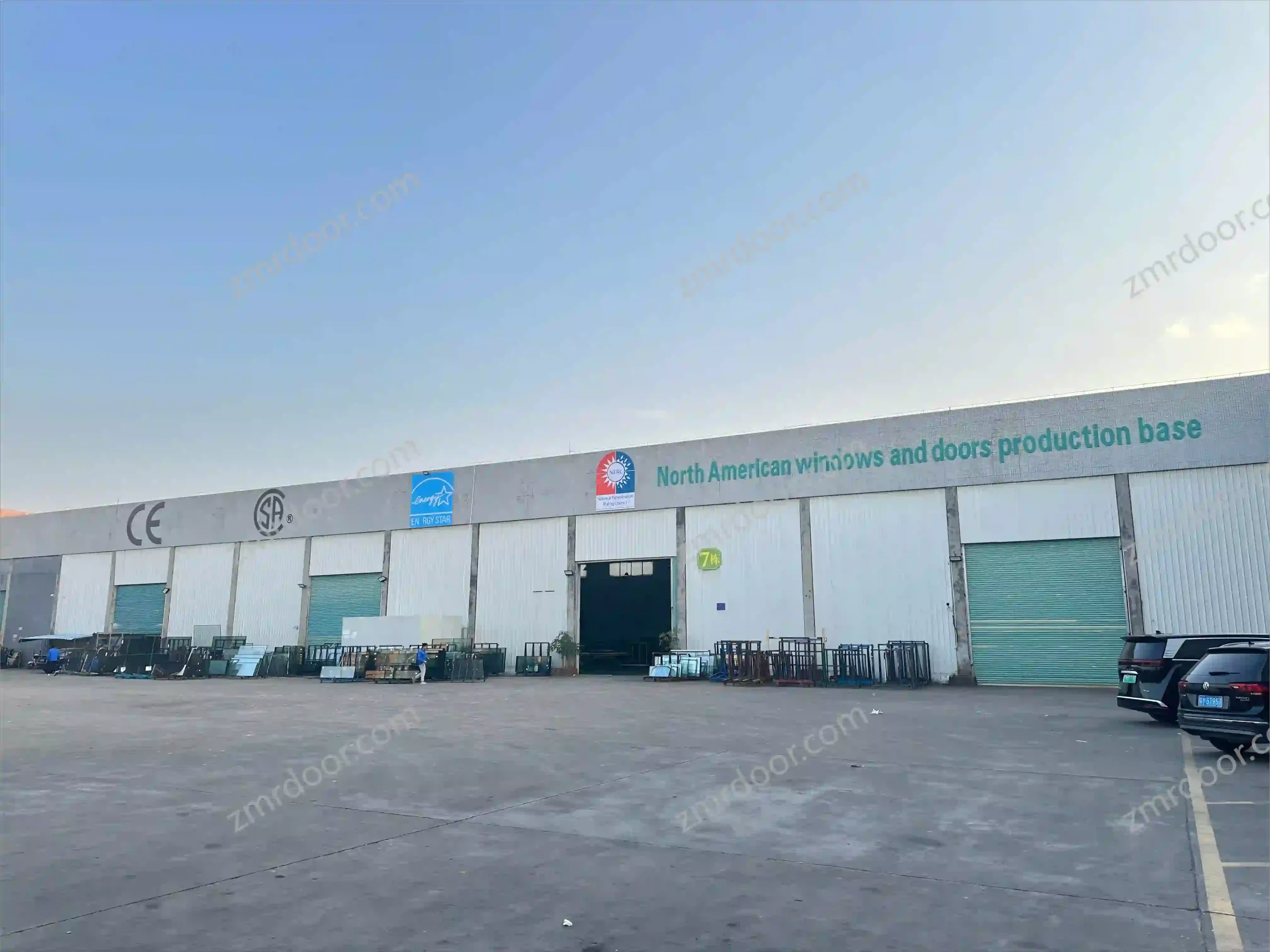
Featured OEM Soundproof Window & Door Systems
Precision-manufactured in Foshan, China. Engineered with multi-chamber aluminum extrusions, acoustic PVB laminated glazing, and heavy-duty structural hardware.
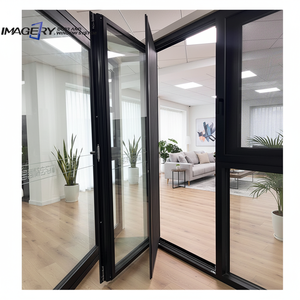
Wholesale Modern Aluminium Glass Double Swing Doors Design Tempered Glass Soundproof Door For Home Houses Business
Inquire Now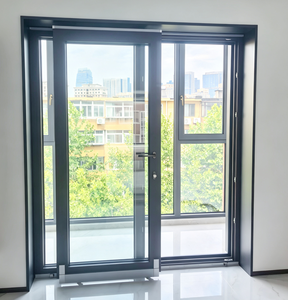
Factory Direct Aluminum Clad Wood Sliding Door Large Size Glass Patio Door for Villa
Inquire Now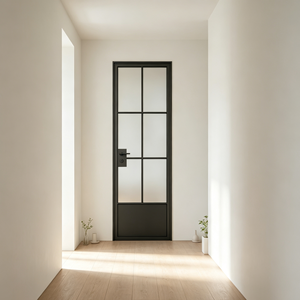
Silent Opening French Style Outward Swing Door Aluminium Glass Vintage Single Casement Doors with Anti-collision Rubber Strip
Inquire Now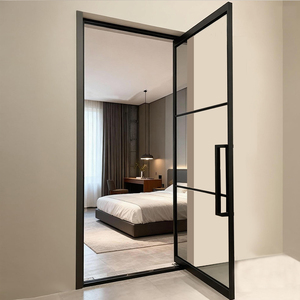
Apartment Building Project Glass Swing Door Aluminum Casement Door Interior Office Partition Wall Room Pivot Hinge Glass Door
Inquire Now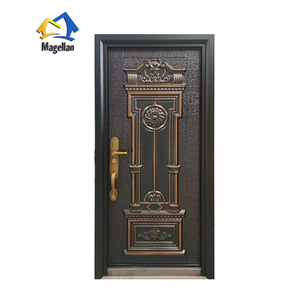
Custom Luxury Modern House Villa Exterior Door Apartment Cast Aluminum Door Security Front Entry Doors
Inquire Now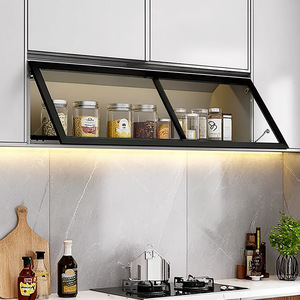
Custom Aluminum Alloy Cabinet Doors and Frames 45mm Wide for Wardrobe Kitchen Sideboard Wine Cabinet From Foshan
Inquire Now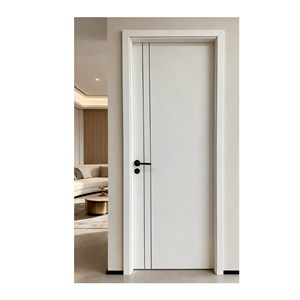
High End Minimalist Fluted Single Room Door Custom Aluminum Frame Stable Structure for Indoor
Inquire Now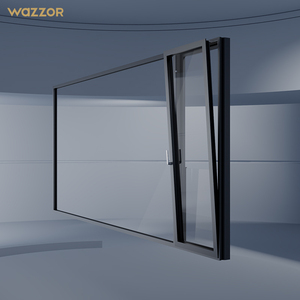
Wazzor Aluminum Window Manufacturers High-Quality Typhoon-Resistant And Energy-Saving Casement Windows Soundproof Windows
Inquire NowAcoustic Physics & Structural Engineering of Soundproof Windows
An authoritative technical guide for architects, acoustic engineers, general contractors, and fenestration buyers seeking superior Sound Transmission Class (STC) ratings.
Coincidence Dip & Mass Law Optimization
Standard single-glazed and standard double-glazed windows often suffer from the "Coincidence Dip" effect—where sound waves at specific resonant frequencies pass through the glass with minimal resistance. To mitigate this acoustic failure, our engineering team utilizes asymmetric double and triple glazing combined with specialized viscoelastic acoustic interlayers (PVB/SGP).
By pairing pane thicknesses of unequal mass (e.g., 6mm toughened glass + 12mm Argon space + 8.76mm acoustic laminated glass), resonance frequencies are disrupted, achieving an acoustic isolation rating exceeding Rw 45 dB to 52 dB across urban traffic noise spectrums (100Hz – 3150Hz).
Multi-Chamber Polyamide Thermal Break Profiles
Acoustic energy travels efficiently through rigid metallic profiles. Aluminum profiles must be acoustically decoupled. We employ precision-extruded Polyamide (PA66-GF25) thermal break strips reinforced with 25% glass fiber, creating a structural barrier against sound wave propagation and heat transfer.
The internal aluminum chambers are strategically filled with high-density hydrophobic acoustic foam (PU inserts), which absorbs interior air-cavity resonances while delivering exceptional thermal performance (U-Factor ≤ 1.4 W/m²K).
Triple-Gasket EPDM Compression Sealing
Air tightness directly correlates to acoustic soundproofing. If air can pass through a window sash, sound will effortlessly bypass the glass assembly. Our custom casement and sliding systems feature continuous, non-aging EPDM cellular rubber weatherstripping configured in a triple-seal system.
When combined with multi-point perimeter locking hardware from leading manufacturers (e.g., Siegenia, HOPPE, ROTO), the sash compresses firmly against the frame, achieving air permeability ratings of Class 4 (EN 12207) and water tightness up to 900 Pa (ASTM E331).
Fenestration Acoustic Performance Comparison Matrix
Engineered specifications validated through laboratory sound transmission chamber testing.
| Glazing & Frame Specification | STC Rating | Weighted Sound Reduction (Rw) | Thermal Transmittance (U-Value) | Ideal Project Application |
|---|---|---|---|---|
| Standard Double Glazed (5mm + 12A + 5mm) Non-thermal aluminum frame |
STC 28 - 32 | Rw 30 dB | 3.2 W/m²K | Standard Suburban Residential, Low-Density Housing |
| Acoustic Laminated Double Glazed (6mm + 12A + 6.76mm PVB) Thermal break aluminum frame (1.4mm wall) |
STC 38 - 42 | Rw 40 dB | 1.8 W/m²K | Urban Apartments, Main Street Retail, Commercial Offices |
| Asymmetric Heavy Acoustic IGU (8mm + 16A Argon + 10.76mm SGP) Multi-chamber PA66 thermal break frame (2.0mm wall) |
STC 45 - 48 | Rw 46 dB | 1.4 W/m²K | High-Rise Residential Towers, Highway-Adjacent Villas |
| Extreme Acoustic Quad-Sealed (10mm + 12A + 8.76 Acoustic PVB + 12A + 6mm) Structural foam-injected 6063-T6 heavy profile |
STC 50 - 54 | Rw 52 dB | 1.1 W/m²K | Airport Hotel Projects, Broadcasting Studios, Luxury Mansions |
Future Procurement & Development Trends in Acoustic Fenestration
Key macroeconomic, regulatory, and technological shifts shaping soundproof aluminum window sourcing for the next decade.
1. Low-Carbon Recycled Aluminum Procurement
Global architectural specifications increasingly demand EPD (Environmental Product Declaration) compliance. B2B buyers are shifting toward low-carbon aluminum profiles smelted using renewable hydro-energy. Our factory utilizes recycled 6063 alloy billets with significantly reduced embodied carbon footprint without sacrificing structural tensile strength.
2. Hybrid Vacuum Insulated Glass (VIG) Systems
The industry is rapidly adopting Vacuum Insulated Glass (VIG) technology. By creating a microscopic vacuum chamber between glass panes, sound conduction and thermal convection are virtually eliminated within ultra-slim sightlines. This enables ultra-thin soundproof window sashes ideal for minimalist modern architecture.
3. Prefabricated Unitized Window Walls
On-site labor costs in North America, Australia, and Europe are pushing developers toward fully assembled unitized window systems. Custom OEM suppliers must deliver factory-glazed units pre-fitted with perimeter mounting flanges, sub-frames, and integrated acoustic flashing systems for rapid site installation.
4. AI-Driven CNC Precision Manufacturing
Structural tightness relies on micrometer-level fabrication tolerances. Modern Foshan factories leverage 5-axis automated CNC machining centers for automatic corner crimping, gasket insertion, and hardware lock-point routing, eliminating human assembly variance and gasket shrinkage gaps over time.
Why Importers and General Contractors Trust VELTOR Foshan Factory
Direct factory-direct manufacturing combined with comprehensive engineering support for hassle-free international B2B procurement.
Foshan Supply Chain Hegemony
Located in Nanhai District, Foshan, China—the epicenter of global architectural aluminum extrusion—our facility has direct access to top-tier raw aluminum billets, high-grade powder coating plants (AkzoNobel / PPG certified), and world-class glass processors. This cluster advantage ensures superior material purity and competitive factory-direct pricing.
Engineering Shop Drawing Conversion
We bridge the gap between architectural concept drawings and factory manufacturing. Our dedicated engineering team converts your architectural elevation PDFs and CAD files into precise production shop drawings, verifying wind load calculations, deflection limits, water sill drainage, and opening tolerances before production begins.
Export-Grade Protective Packaging
International freight demands rugged protection. Every unit undergoes protective stretch wrapping, corner guards, and is packed into fully enclosed fumigated wooden crates labeled by window tag numbers (e.g., W-01, W-02). This ensures seamless sorting and scratch-free delivery directly to your project job site.
Global Regulatory Testing & Certification Compliance
Frequently Asked Questions for Custom Soundproof Window Procurement
Essential answers regarding custom manufacturing, minimum orders, acoustic guarantees, and overseas shipment logistics.
What is the minimum order quantity (MOQ) for custom OEM soundproof windows and doors?
Because every fenestration unit is custom-manufactured based on verified job site dimensions and architectural drawings, VELTOR supports both full container loads (20GP/40HQ) for distributors and consolidated custom orders for single high-end residential villas or commercial project developments. The practical minimum is usually dictated by container freight efficiency, and our team provides container space optimization plans to maximize shipping value.
How do thermal break aluminum windows achieve acoustic sound isolation?
Acoustic performance is achieved through a multi-layered engineering approach: (1) Polyamide (PA66-GF25) structural thermal break strips physically separate the interior and exterior aluminum extrusion walls to dampen vibration transmission; (2) Asymmetric double or triple insulated glass units (IGU) equipped with acoustic PVB or SGP laminated interlayers disrupt coincidence frequency dips; (3) Multi-point perimeter compression locking hardware and continuous EPDM seals eliminate air gaps that allow sound waves to bleed through.
Can you manufacture windows compliant with specific wind load and energy performance building codes?
Yes. We engineer sashes, mullions, frame extrusions, and glass configurations according to your regional structural and energy performance standards (such as Australian AS2047, North American NFRC/NAFS, or European CE marks). Prior to production, our engineering department performs wind pressure deflection calculations (ASTM E330) and thermal simulation analysis to guarantee full site compliance.
What packaging and tagging measures are taken to prevent shipping damage and simplify job site installation?
All finished sashes and frames undergo thorough surface cleaning and are wrapped with scratch-resistant protective film. Corner plastic protectors are fitted to every edge. Products are loaded into heavy-duty reinforced plywood crates with foam interleaves. Every crate and window unit is affixed with a clear weather-proof tag matching your floor plan schedule (e.g., "Level 2 - Master Bedroom - Window W-04"), making unloading and site sorting effortless for your installation crew.
What is the standard production lead time for custom acoustic fenestration orders?
Standard manufacturing lead times are approximately 25 to 35 business days following the formal sign-off of final shop drawings and deposit confirmation. Specialized custom architectural anodized finishes, fluorocarbon (PVDF) color matching, or triple-laminated vacuum glass units may add 5 to 7 days to the production cycle. A detailed milestone schedule is issued with every formal contract.
How do I verify quality control and product dimensions prior to overseas dispatch?
We enforce a strict 100% pre-shipment dry assembly policy. Your windows are fully assembled on factory test rigs to verify corner squareness, sash alignment, hardware smooth operation, and gasket compression seal integrity. We provide comprehensive high-resolution photographic and video inspection reports, and we warmly welcome third-party international inspection agencies (such as SGS or TÜV) or live video audits prior to container sealing.
Ready to Elevate Your Project's Acoustic & Thermal Performance?
Submit your window schedule, CAD drawings, or project tender specifications today. Our senior facade engineers will provide a comprehensive system proposal and factory-direct quotation within 24 hours.