Featured OEM Aluminium Casement Window Series
Precision-Engineered Architectural Systems Certified for International Commercial & Luxury Residential Projects
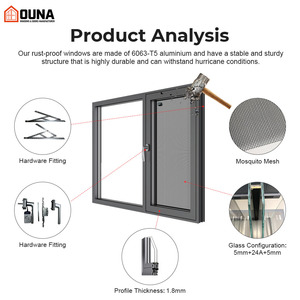
OUNA NFRC Hurricane Proof Impact Window Energy Saving Low E Glass Thermal Break Casement Aluminum windows and Doors for House
Contact Us
Beigeman Modern Double Glazed Aluminium Casement Windows High Quality Soundproof Tempered Glass for House Villas Kitchen Hotel
Contact Us
Modern Aluminum Casement Windows With Low E Glass Triple Glazing Soundproof Window For Luxury House Outward & Inward Opening
Contact Us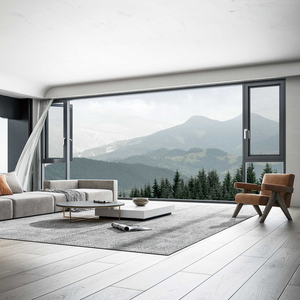
Thermal Break Casement Aluminum Windows with 27A Double Glazed Glass, Aluminium Window Awning for Houses Energy Efficient
Contact Us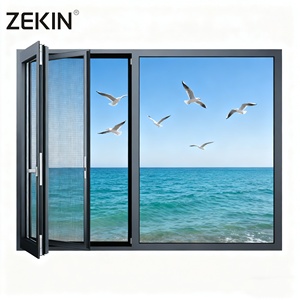
ZEKIN NFRC AS2047 Slim Frame Windows Modern Soundproof Hurricane Aluminum Alloy Triple Double Glazed Low-E Casement windows
Contact Us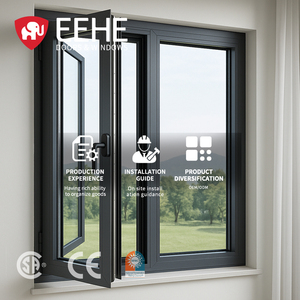
EEHE Modern Arched Thermal Insulation Casement Windows Aluminum NFRC Certified Double Glazed Soundproof Swing Windows for Villa
Contact Us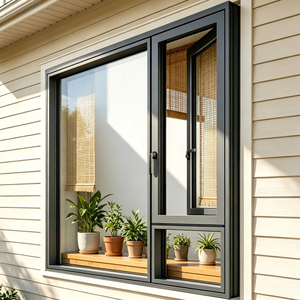
High Strength Villa Hotel House Waterproof and Soundproof Double Glazed Glass Aluminum Alloy Outward Opening Casement Windows
Contact Us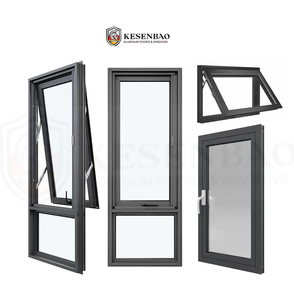
Soundproof Aluminum Casement Windows with Screens Aluminum Awning Casement Tilt and Turn windows for Residential
Contact UsTechnical Sourcing Guide: OEM/ODM Aluminium Casement Windows Engineering
In global commercial construction and high-end residential real estate, sourcing custom OEM aluminium casement windows requires navigating complex intersections of thermal performance structural load metrics, envelope longevity, and regulatory compliance. Modern architectural specifications demand far more than basic structural containment—they require high-integrity thermal-break isolation, hurricane-impact resilience, acoustic dampening, and strict adherence to international building codes including North American NFRC / CSA, European CE / EN 14351-1, and Australian AS2047 standards.
Metallurgy & Extrusion Precision
Fabricated using prime-grade 6063-T5/T6 architectural aluminum alloy extrusions with minimum wall thicknesses ranging from 1.4mm to 3.0mm (conforming to GB5237 / ASTM B221). Profile cross-sections are structurally reinforced to withstand extreme positive and negative wind loads up to 5000 Pa.
Thermal Break Isolation
Incorporating PA66 GF25 (25% glass fiber reinforced polyamide) thermal insulation strips. This mechanical barrier eliminates thermal bridging across frame cavities, drastically reducing whole-window U-factors down to 0.8–1.4 W/m²·K when paired with Low-E triple-pane glass setups.
Acoustic & Air/Water Sealing
Utilizing continuous triple-stage EPDM (Ethylene Propylene Diene Monomer) gasket seals combined with vulcanized corner joints. Compression-sealed casement sashes achieve superior air tightness (Class 4 / A4) and water penetration resistance up to 700 Pa.
Engineering & Technical Performance Matrix
The matrix below details standard engineering capabilities available for custom OEM/ODM manufacturing protocols.
| Performance Characteristic | Testing Standard / Metric | OEM Specification Capability | Engineering Benefit |
|---|---|---|---|
| Thermal Transmittance (U-Factor) | NFRC 100 / ISO 10077-2 | 0.14 – 0.28 BTU/h·ft²·°F (0.8 – 1.6 W/m²·K) | Maximizes HVAC energy efficiency; satisfies Net-Zero & LEED requirements. |
| Structural Wind Load | ASTM E330 / AS 4055 / EN 12210 | Serviceability: ±2500 Pa | Ultimate: ±5000 Pa | Resists severe wind pressure in coastal zones & high-rise applications. |
| Air Infiltration Sealing | ASTM E283 / EN 12207 | < 0.1 ft³/min/ft² (Class 4 / A4 Standard) | Eliminates draft currents and prevents energy loss across perimeter seals. |
| Water Penetration Resistance | ASTM E547 / ASTM E331 / EN 12208 | Static / Cyclic Pressure: 450 Pa – 750 Pa | Prevents internal water ingress during driving rainstorms and typhoons. |
| Sound Transmission Class (STC) | ASTM E90 / ISO 140-3 | STC 38 dB – STC 48 dB (with Laminated IGU) | Mitigates urban, industrial, and aviation ambient noise pollution. |
| Hardware & Security Locking | EN 1627 RC2 / RC3 / PAS 24 | Multi-Point Shoot-Bolt Locks (CME / Siegenia / HOPPE) | Provides forced-entry defense and uniform gasket compression. |
Evolutionary Architectural Trends in Casement Systems
The global demand for custom aluminum casement windows is undergoing a paradigm shift driven by modern architectural aesthetics and environmental regulations:
- Ultra-Slim Sightlines & Flush Sashes: Architects are demanding minimal profile widths (<45mm visible sightline) that maximize daylighting while integrating sashes flush with outer frames for sleek modern facades.
- Concealed Heavy-Duty Hinges: Hidden 180-degree friction stays and heavy-duty 120kg+ multi-pivot hinges maintain pristine aesthetic lines without compromising structural sash weight limits.
- Alu-Wood Hybrid Composites: Combining exterior weather-resistant extruded aluminum profiles with interior warm natural solid timber (Oak, Teak, Pine) for high-end luxury residential developments.
- Integrated Flyscreen & Security Mesh: Factory-built dual-track systems integrating high-strength 304/316 stainless steel security mesh (0.8mm wire diameter) directly into the casement profile structure.
Future Procurement Trends for B2B Global Buyers
Sourcing strategies among major developers, facade contractors, and regional distributors are rapidly shifting toward integrated supplier partnerships:
- BIM Level 2 & Digital Twin Integration: Procurement teams now mandate 3D Revit / BIM object files for pre-construction clashes and building envelope simulation prior to extrusion production.
- Decarbonization & Low Embodied Carbon: Sourcing requirements increasingly audit the carbon intensity of primary aluminum billets, pushing factories toward green-energy smelting and recycled scrap contents.
- Rigorous Pre-Shipment Validation: Third-party factory acceptance testing (FAT) including mock-up water spray chamber verification, coating thickness testing (Qualicoat Class 2 / PVDF 3-coat), and hardware cycle testing (25,000+ cycles).
- Turnkey OEM Customization: Sourcing directly from Foshan industrial hubs to obtain end-to-end custom tooling, private-label packaging, and unitized crate numbering aligned with site erection schedules.
Enterprise Advantages: Veltor Window & Door Co., Ltd.
Direct Factory Manufacturing Infrastructure Located in Foshan, China—The World's Architectural Aluminum Hub
Foshan Supply Chain
Direct integration with top-tier raw profile extrusion lines, hardware foundries, and glass processing plants.
Precision CNC Line
Digital double-head cutting saws and automated multi-axis CNC machining centers ensuring ±0.5mm tolerances.
Global Compliance
Fully certified testing portfolio including NFRC, AS2047, CE EN14351-1, CSA, SGCC, and ISO 9001 systems.
Export Crate Protocol
Heavy-duty fully enclosed plywood crating, corner edge protectors, film wrapping, and container loading strategy.
Bespoke OEM/ODM
Custom die extrusion opening, customized hardware branding, specialized powder coating (RAL/Qualicoat), and shop drawings.
Frequently Asked Questions for Sourcing Managers
Essential Guidance for Importers, Architects, Developers, and Fenestration Contractors
Ready to Request Engineering Shop Drawings & Factory Quotes?
Consult with our Foshan-based architectural engineering team to analyze your window schedule, evaluate wind-load parameters, and calculate project shipping costs.
Contact Us