Featured Architectural Door & Window Systems
Precision-engineered aluminum profiles and acrylic/glass glazing tailored for high-end residential, commercial, and structural architectural projects worldwide.
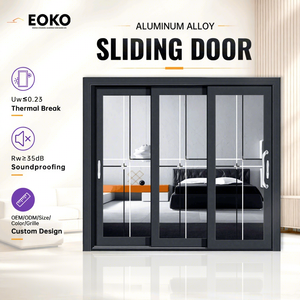
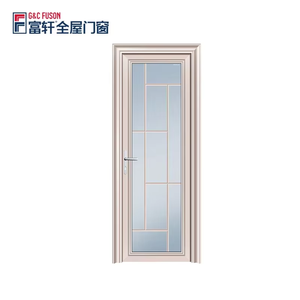
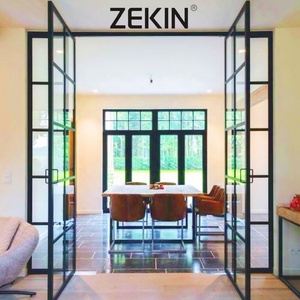
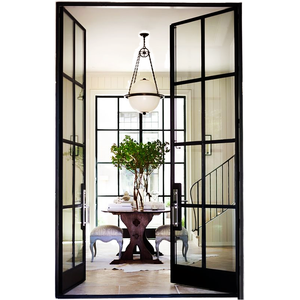
1. Technical Whitepaper: OEM Aluminium & Acrylic Door Systems
The global market for architectural entrance systems and interior partition barriers has experienced a paradigm shift toward hybrid material engineering. As modern architecture demands sleek sightlines, extreme durability, lightweight structural integrity, and superior optical performance, Custom OEM Aluminium Acrylic Door Systems have emerged as a prime specification for international commercial developers, luxury residential projects, and specialized institutional facilities.
Combining the robust yield strength of extruded 6063-T5 architectural aluminum alloys with high-clarity polymethyl methacrylate (PMMA) acrylic paneling, these door systems deliver unique performance characteristics unreachable by traditional timber, standard steel, or unreinforced glass. Acrylic glazing provides up to 17 times the impact resistance of standard float glass while reducing weight by 50%, enabling ultra-wide opening spans, reduced hardware stress, and effortless ergonomic operation.
Material Science & Metallurgy: Aluminum Alloy Selection
Our OEM manufacturing facility located in Foshan, China—the primary hub for global architectural aluminum extrusion—utilizes premium 6063-T5 and 6063-T6 temper aluminum profiles. Standard aluminum extrusions undergo computerized aging treatments to ensure tensile strength exceeds 160 MPa and yield strength reaches over 110 MPa. For marine, coastal, or high-humidity installations, profiles receive fluorocarbon (PVDF) coating or anodized oxide films (>15 microns thickness), delivering outstanding salt-spray corrosion resistance (qualifying for over 3,000 hours of continuous ASTM B117 testing).
Structural Integrity
Extruded 6063-T5 profile walls (1.4mm to 3.0mm thickness) engineered to withstand heavy wind loads (up to 5.0 kPa) and structural deflection requirements.
Optical Acrylic Paneling
Cast acrylic PMMA panel options featuring 92% visible light transmission, anti-scratch hard-coatings, and zero yellowing over 30-year operational cycles.
Thermal & Acoustic Sealing
Triple EPDM weather-stripping gaskets coupled with multi-chamber profile designs block air infiltration and achieve acoustic STC ratings up to 42 dB.
2. Global Sourcing & Procurement Trends (2025–2030 Horizon)
B2B importers, architectural specifiers, and project contractors face evolving regulatory landscapes regarding building energy efficiency, modular fabrication, and material lifecycle transparency. Strategic sourcing of OEM custom doors requires understanding key industry trajectory vectors:
A. Modular Off-Site Construction & Shop Drawing Integration
Future architectural procurement relies heavily on BIM (Building Information Modeling) and integrated CAD/CAM workflows. Enterprise suppliers now offer direct conversion of architectural DWG/REVIT files into automated 5-axis CNC machining programs. Pre-assembled door kits—complete with pre-routed lock pockets, precision-mitered corners, and pre-fitted EPDM gaskets—drastically reduce on-site installation labor costs by up to 60%.
B. High-Performance Hybrid Glazing & Acrylic Hard-Coatings
Where glass fails due to weight constraints, vibration risk, or impact vulnerability, advanced PMMA acrylic sheets treated with siloxane-based hard-coats are taking precedence. These hybrid systems provide scratch resistance rivaling float glass while maintaining low thermal conductivity (K-factor = 0.19 W/m·K vs glass at 0.80 W/m·K), rendering them superior for extreme climatic temperature differentials.
C. Smart Hardware Integration & Minimalist Aesthetics
Modern luxury developments and commercial spaces heavily favor narrow-frame or concealed-frame profile aesthetics. Micro-slim sightlines (under 18mm visible frame) combined with integrated smart access locks (biometric, RFID, automated motor drives) represent over 45% of new OEM manufacturing inquiries. Aluminum acrylic entry systems readily adapt to these slim profiles due to acrylic's low weight and structural rigidity.
3. Technical Specification & Performance Comparison Matrix
Below is an engineering comparison matrix designed for procurement managers and structural engineers to evaluate custom OEM aluminium acrylic door configurations against traditional fenestration systems:
| Performance Parameter | Aluminium + Acrylic PMMA System | Standard Thermal Break Glass Door | UPVC / Vinyl Door Frame |
|---|---|---|---|
| Structural Weight / Density | 1.19 g/cm³ (Ultra Lightweight) | 2.50 g/cm³ (Heavy) | 1.40 g/cm³ (Moderate) |
| Impact Resistance (ISO 179) | High Impact (17x Glass Strength) | Standard Tempered Glass | Low-to-Medium Impact |
| Frame Profile Tensile Yield | ≥ 110 MPa (Alloy 6063-T5) | ≥ 110 MPa (Alloy 6063-T5) | ≥ 40 MPa (Unreinforced PVC) |
| Thermal Conductivity (Frame/Panel) | U-Value: 1.2 - 1.8 W/m²K | U-Value: 1.4 - 2.2 W/m²K | U-Value: 1.6 - 2.4 W/m²K |
| Surface Finish Options | PVDF, Anodized, Powder Coat, Wood Grain | PVDF, Anodized, Powder Coat | Laminated Foil / Solid Pigment |
| Acoustic Insulation (STC) | 35 dB - 42 dB (Multi-chamber + EPDM) | 32 dB - 40 dB (Double Glazed) | 28 dB - 34 dB |
| Operational Lifecycle | 30+ Years (Zero Rot / Rust) | 30+ Years | 10–15 Years (UV Degradation) |
4. Manufacturer Core Strengths & OEM/ODM Capabilities
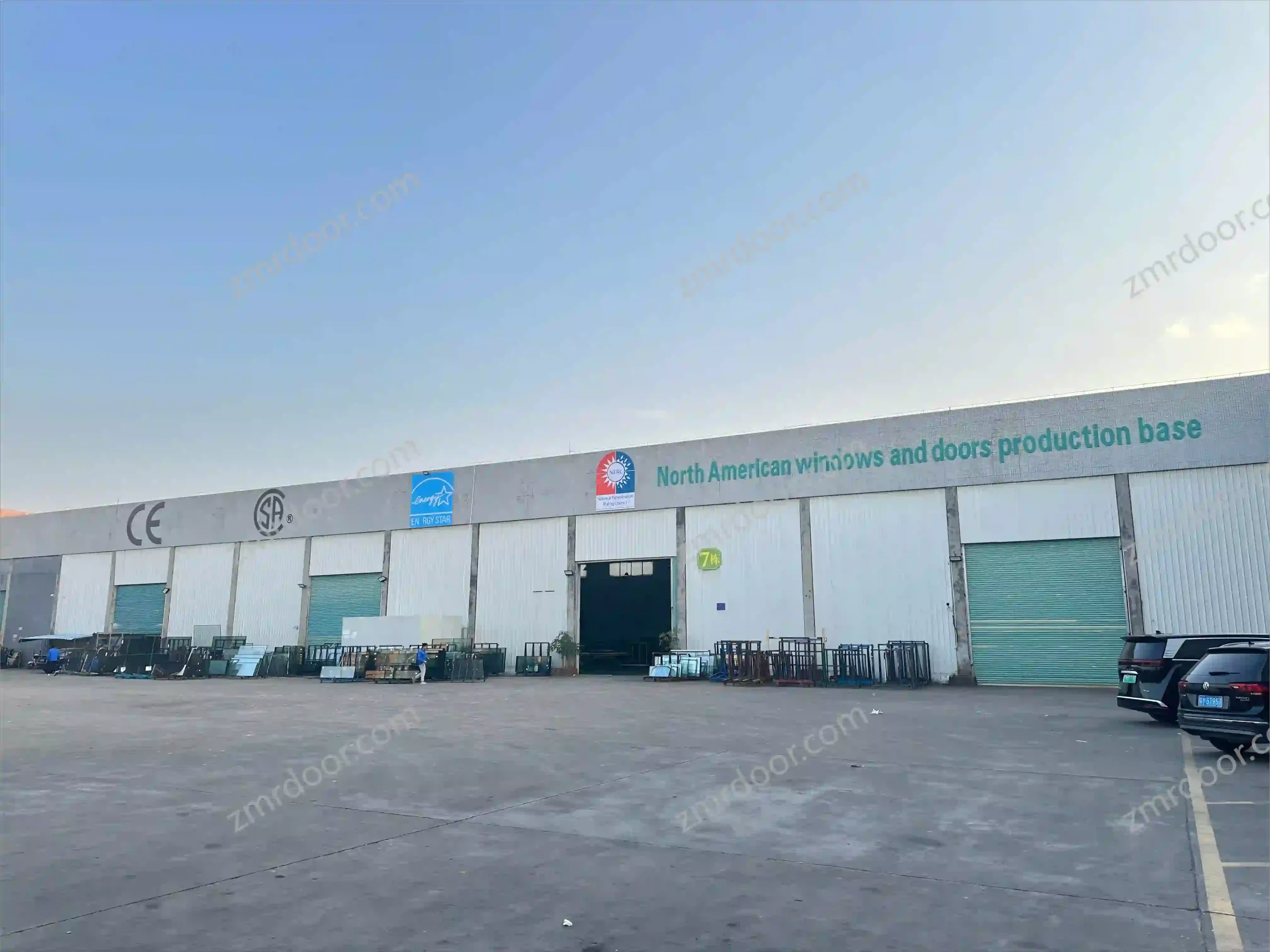
As a leading Chinese aluminum fenestration manufacturer headquartered in Nanhai District, Foshan, Veltor Window & Door Co., Ltd. serves as a direct factory partner for international dealers, builders, and regional brand owners. We operate an integrated 45,000 m² production facility housing extrusion lines, anodizing baths, automated powder coating plants, and multi-axis CNC fabrication centers.
Strict Quality Assurance Protocol (100% Pre-Shipment QC)
Quality control is executed at every phase of the manufacturing cycle:
- Material Influx Verification: Spectrometric testing of aluminum billets for alloy purity (6063/6060 chemical composition) and acrylic sheet light transmittance check.
- Precision CNC Milling: Sub-millimeter machining (±0.1mm tolerance) for hinge cutouts, multi-point lock mortises, corner key joints, and water drainage channels.
- Trial Assembly & Dry Fitting: Every custom order undergoes 100% full height and width structural frame assembly before leaving the factory to verify mechanical smooth action, latch alignment, and sealing integrity.
- Reinforced Export Crating: Finished units are wrapped in anti-scratch protective film, corner-guarded with high-density EVA foam, and packed inside fully enclosed fumigated plywood crates with custom lifting slots.
5. Frequently Asked Questions (B2B Procurement FAQ)
Detailed technical answers for window and door buyers, project engineers, and commercial distributors:
Ready to Request a Factory-Direct Technical Quote?
Submit your architectural drawings, window schedules, or custom OEM specifications. Our senior engineering specialists will provide system recommendations, 2D/3D shop drawings, and competitive project estimates within 24 hours.
Contact Us