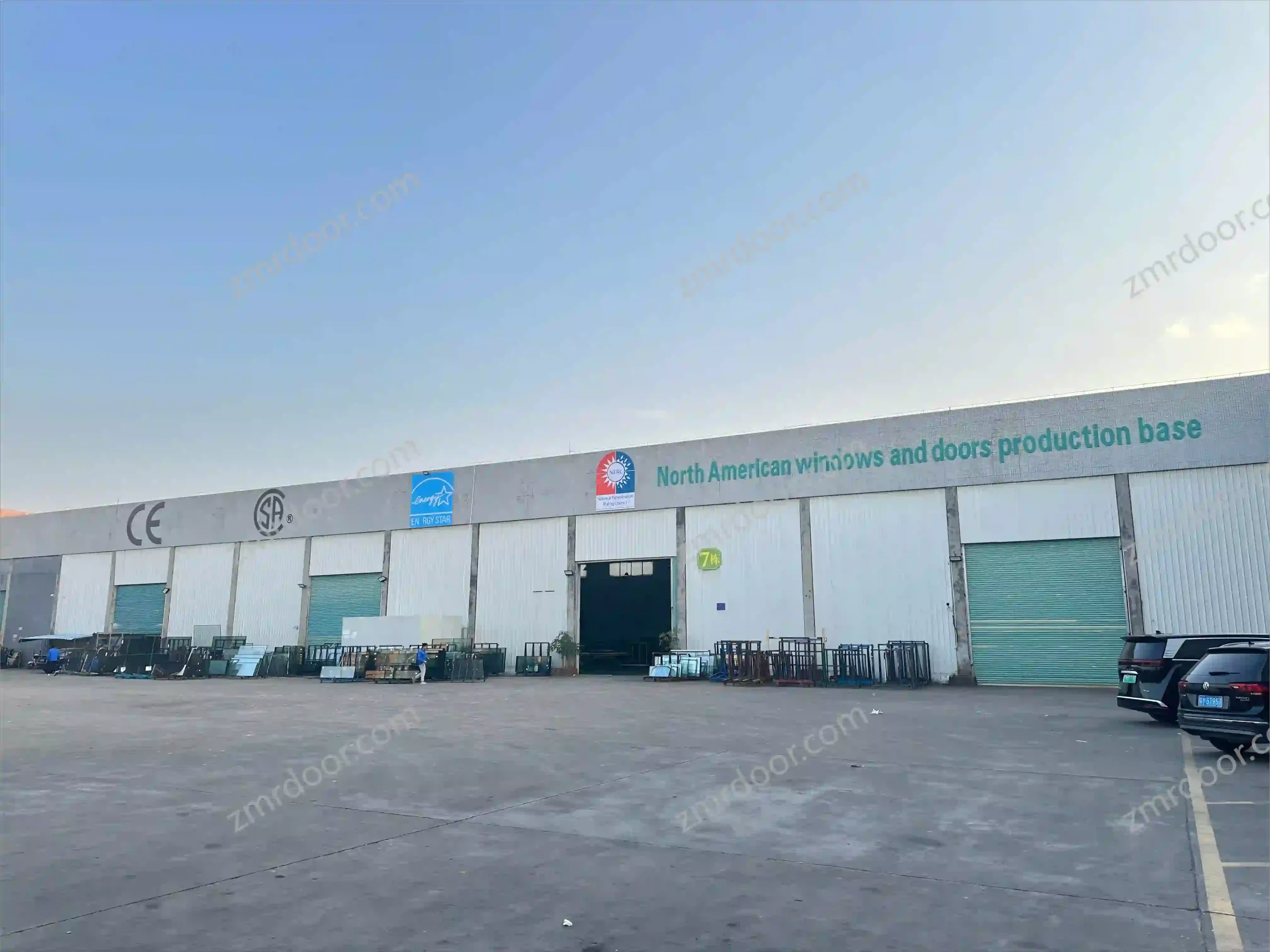
Premier Aluminium Net Door Systems
High-durability aluminium profile integrated doors featuring stainless steel mesh, accordion netting, and heavy-duty thermal break structures.
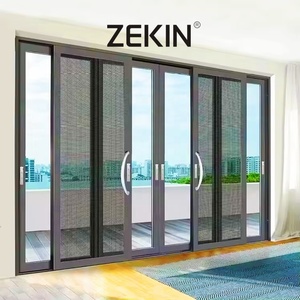
AS2047 Double Glass Stacker Exterior Aluminum Sliding Doors with Screen Mesh
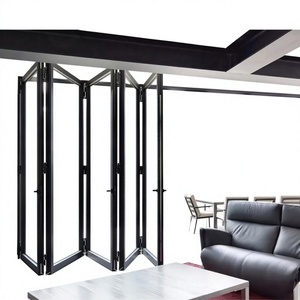
Interior Modern Foldable Aluminium Alloy Accordion Mosquito Net Door with Glass Panel
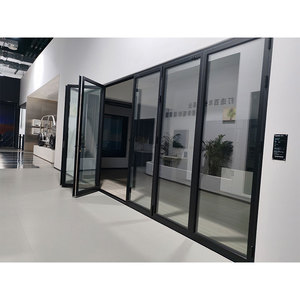
Custom Modern Windproof Aluminium Bifold Patio Doors Soundproof Folding Screen Netting
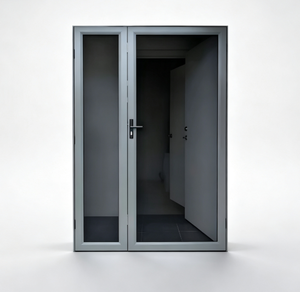
Aluminum Safety Screen Door, Stainless Steel Woven Mesh, Anti-theft Impact Resistant
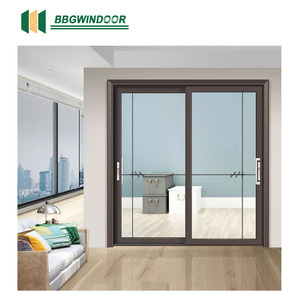
Lukliving Noiseless Sliding Door Double Glazing Sliding Door with Mosquito Net
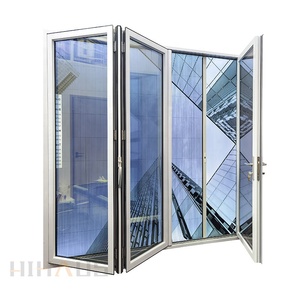
White Double Glazed Aluminum Bifold Door Folding Patio Doors Exterior with Mosquito Net
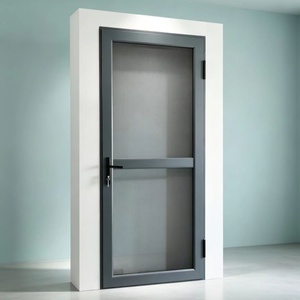
High Strength Diamond Mesh Aluminum Hinged Screen Door for Apartment
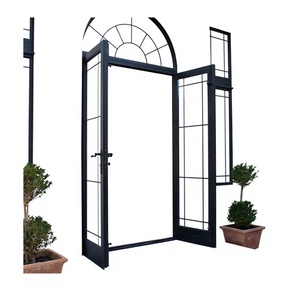
Modern Villa Building Entrance French Swing Aluminum Casement Door with Fiberglass Screen Netting
Architectural Integration of Aluminium Net Doors in Global Construction
The global fenestration market is undergoing a structural transformation. Modern residential and commercial developments demand building envelopes that harmonize continuous ventilation, high-impact security, thermal efficiency, and refined aesthetics. Integrated aluminium net door systems—combining structural extrusion frames with high-tensile wire meshes—have moved from simple insect screens to critical architectural security components.
As a leading China wholesale aluminium net door manufacturer based in Foshan, Veltor Window & Door Co., Ltd. delivers factory-direct fenestration engineering designed specifically to meet rigorous international standards. By integrating structural 6063-T5/T6 aluminium profiles with marine-grade 304 or 316 stainless steel woven mesh, accordion retractable fabrics, and high-transmittance fiberglass netting, our systems solve complex structural, environmental, and security challenges for project builders, importers, and architectural distributors worldwide.
Material Engineering: Profile Metallurgy & Mesh Physics
The longevity and physical resilience of an aluminium screen door depend strictly on alloy composition, profile wall thickness, surface treatment, and mesh wire gauge. Standard residential screen doors often fail due to structural deflection under wind loads or rapid galvanic corrosion in coastal zones. To mitigate these risks, advanced manufacturing specs utilize precise material selections:
| Component Specs | Standard Commercial Grade | Veltor Premium Export Grade | Engineering Benefit |
|---|---|---|---|
| Aluminium Alloy | Recycled / Low-Purity 6060 | Primary 6063-T5 / 6063-T6 Extrusion | Yield strength > 110 MPa; superior wind load structural stability. |
| Profile Wall Thickness | 1.0mm – 1.2mm | 1.4mm – 2.0mm Structural System Profile | Prevents frame distortion on large-format stacker & bifold panels. |
| Security Mesh Type | 0.5mm 201 Stainless / Iron Wire | 0.8mm / 0.9mm 304 & 316 Marine Stainless Steel | Exceeds Australian AS5041 Knife Shear & Dynamic Impact Tests. |
| Surface Finish | Standard Mill / Basic Powder Coating | AkzoNobel PVDF Fluorocarbon / Qualicoat Class 2 | Salt spray resistance exceeding 3,000 hours without oxidation. |
| Thermal Insulation | Non-Thermal Break Single Chamber | Polyamide PA66-GF25 Thermal Barrier Strip | Drastically lowers overall system U-Factor; limits thermal bridging. |
Structural Systems: Sliding, Bifold, Stacker, and Hinged Casements
Modern architectural projects demand customized threshold and track layouts to maintain clean sightlines and flush interior-to-exterior transitions. Veltor manufactures four distinct structural netting door typologies tailored to global site specifications:
Multi-Track Sliding & Stacker Doors
Built with 2-track, 3-track, or 4-track heavy-duty extruded rails, these systems integrate double glazed glass sashes alongside independent stainless steel security mesh sliders. Engineered with heavy-duty stainless steel rollers for whisper-quiet operation across wide patio spans.
Thermally Broken Folding & Bifold Net Doors
Designed for expansive outdoor living, our bifold patio doors integrate top-hung heavy load track mechanisms paired with accordion plisse screens. The folding netting stacks tightly into hidden profile side pockets, offering an unobstructed 95% open space view.
High-Strength Security Hinged & French Net Doors
Featuring 0.8mm structural diamond mesh or heavy woven 304 wire, these doors act as burglar-proof entrance barriers. Integrated with multi-point stainless steel mortise locks and anti-pry security hinges for optimal protection in residential villas and apartments.
Why Global Procurement Leaders Choose Veltor Foshan Factory
Situated in Nanhai District, Foshan City—the world's centralized hub for architectural aluminium extrusion—Veltor Window & Door Co., Ltd. combines advanced manufacturing technology with rigorous export handling.
Precision CNC Machining & Assembly
Equipped with double-head automatic cutting saws and 4-axis CNC machining centers, achieving cutting tolerances within ±0.1mm. Precision corner crimping ensures complete frame structural rigidity and zero water leakage at miter joints.
Bespoke OEM / ODM Engineering
We convert architectural CAD blueprints and structural window schedules into precise shop drawings. Custom extrusions, thermal break profiles, special RAL powder coating shades, and custom box branding are seamlessly provided.
Export-Grade Protective Packaging
All units undergo pre-shipment assembly inspection. Frames are wrapped in anti-scratch protective film, fitted with corner guards, and packed into IPPC-certified fully enclosed wooden crates labeled by window tag numbers for fast on-site positioning.
Future Sourcing & Technology Trends in Aluminium Net Doors
Strategic procurement teams must stay ahead of regulatory and technological shifts. The fenestration industry is undergoing rapid innovation driven by smart home integration and strict energy conservation mandates.
1. Deep Integration of High-Performance Thermal Barriers
Global building codes (such as Australia’s NCC, Europe’s EPBD, and North America’s IECC) continue to lower permissible U-factors for residential building envelopes. Historically, insect screen doors were treated as separate external add-ons, causing thermal loss at thresholds. The market is moving aggressively toward factory-integrated, thermally broken frames where the screen mesh rail is an engineered component of the insulated glass frame, reducing thermal bridging across opening perimeters.
2. High-Transmittance "Invisible" Mesh & Micro-Frame Sightlines
Modern architectural trends favor ultra-slim profile sightlines. Wholesale buyers are increasingly specifying micro-frame aluminium profiles (with visible frame widths under 20mm) paired with ultra-fine wire high-transmittance stainless mesh (0.2mm wire diameter, 18x18 weave). This offers visual clarity exceeding 85% light transmission while blocking micro-insects and retaining structural tension.
3. Smart Access Automation & Motorized Plisse Systems
Commercial hospitality projects, resorts, and high-end residential villas are phasing out manual screen doors in favor of motorized zip-guide mesh screen doors. These systems interface directly with Smart Home Automation protocols (Zigbee, Matter, RS485), utilizing wind-sensor overrides to automatically retract large-span netting during gale conditions.
4. Circular Carbon Footprint & Low-Carbon Extrusion Sourcing
Importers in the EU and North America are prioritizing building materials with documented Environmental Product Declarations (EPD). Modern Chinese manufacturers are utilizing green hydropower-melted primary aluminium billets, achieving low embedded carbon values below 4.0 kg CO2/kg Al, ensuring seamless customs clearance under CBAM (Carbon Border Adjustment Mechanism) policies.
Require Custom Engineering Drawings or Volume Price Quotes?
Send your door schedules, project elevation plans, or CAD files directly to our engineering team.
Frequently Asked Questions for Overseas Importers
Direct technical answers addressing key logistics, quality standards, and ordering processes.
Partner with China's Premier Aluminium Net Door Exporter
Connect with our senior fenestration engineers to request technical catalogs, material samples, factory audits, or competitive project pricing.
Inquire Now