Featured Wholesale Architectural Aluminium Glass Doors
Precision-engineered, thermal-break, and heavy-duty glass door systems certified for North American, Australian, European, and global building codes.
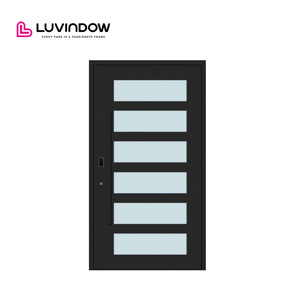
Secure Large Opening Aluminum Entry Pivot Doors for High End North American Residential Communities
Inquire Product
Custom Aluminum Alloy French Casement Doors (Slim Frame Panoramic) - View Extension for Modern Luxury Apartments
Inquire Product
Modern Design Aluminum Frame Sliding Opening Glass Door Waterproof Fiberglass Screen Netting Finished Surface for Villa
Inquire Product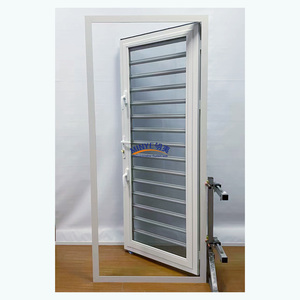
Aluminum Jalousie Shutter for Window Door Glass Exterior Storm Protection Interior Swing Style Window Louvre Fiberglass Screen
Inquire Product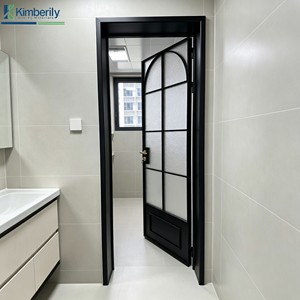
Australian Standard Casement Door Aluminum Alloy Doors and Windows Residential Home Glass Modern Casement Swing Door
Inquire Product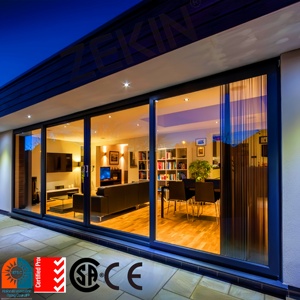
ZEKIN Customized Aluminum Patio Balcony Sliding Doors Double Tempered Glass Heavy Duty Glass Door Aluminum Sliding Doors
Inquire Product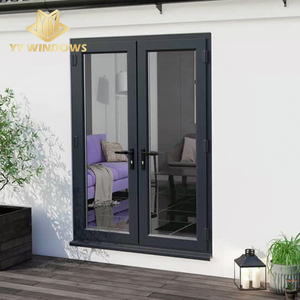
Florida Miami NFRC Hurricane Proof LOWE Waterproof Aluminium French Doors Exterior/casement Door
Inquire Product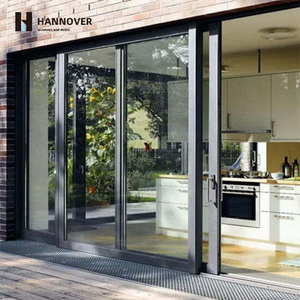
HANNOVER As2047 Australian Sliding Door Double Glazed Cavity Sliding Doors Exterior Stacking Balcony Aluminum Sliding Doors
Inquire Product1. Strategic Enterprise Advantages: The Foshan Aluminium Manufacturing Apex
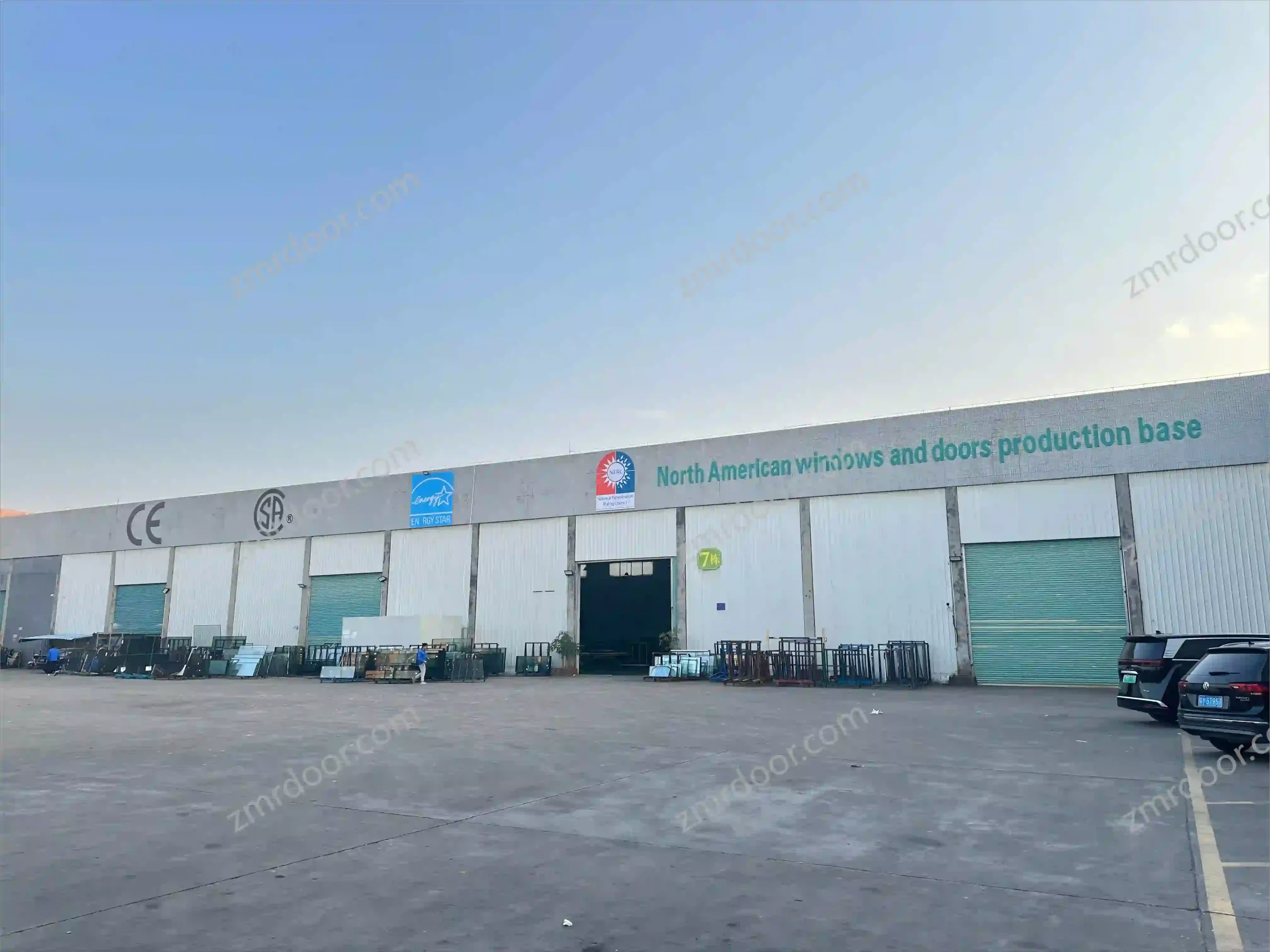
The global demand for high-performance fenestration systems has elevated China—specifically Foshan, Guangdong—as the premier international manufacturing hub for custom architectural aluminium glass doors and windows. Operating at the core of this industrial cluster, Veltor Window & Door Co., Ltd. serves as a direct manufacturer, OEM/ODM production partner, and engineering solution provider for real estate developers, commercial contractors, fenestration importers, and project dealers across North America, Australia, Europe, and the Middle East.
Sourcing directly from top-tier China wholesale aluminium glass door suppliers offers significant strategic and financial advantages over traditional regional distribution channels. By integrating raw material extrusion, thermal break strip insertion, double/triple insulated glass unit (IGU) assembly, and surface finishing under one roof in Nanhai District, Foshan, Veltor eliminates redundant intermediary markups while maintaining strict adherence to rigorous structural and thermal standards.
6063-T5 Primary Aluminium Profile
We utilize exclusively primary 6063-T5 architectural aluminium extrusions with nominal wall thicknesses ranging from 2.0mm to 3.0mm, delivering exceptional structural inertia, wind pressure resistance, and lifespan.
PA66-GF25 Thermal Break
To combat thermal bridging, our doors feature German-engineered PA66-GF25 (25% fiberglass reinforced polyamide) thermal strips, significantly improving overall U-factors and solar heat gain coefficients (SHGC).
Multi-Locking Security Systems
Equipped with commercial multi-point locking gear, heavy-duty stainless steel tracks, German CMECH/Siegenia hardware, and impact-resistant laminated glass options for Florida HVHZ hurricane zones.
2. Structural & Thermal Engineering: Decoding Specification Requirements
When procuring aluminium glass doors at a wholesale tier, understanding fenestration physics and localized compliance requirements is critical to avoiding jobsite compliance failures and import rejections. High-rise developments, beachfront luxury villas, and multi-family residential complexes demand specialized engineering metrics tailored to structural wind load (kPa), water penetration resistance (Pa), sound transmission loss (STC/OITC), and thermal performance (U-Value).
Thermal Barrier Tech: Polyamide Strip vs. Pour-and-Debridge
Architectural aluminum is inherently highly conductive. To meet stringent green building codes such as Title 24 in California, NFRC standards in North America, or Section J requirements in Australia, a broken thermal path is non-negotiable. Veltor utilizes mechanical crimping with PA66-GF25 polyamide thermal struts over pour-and-debridge methods. Polyamide struts offer superior shear strength, thermal expansion stability matching aluminium, and allow dual-color anodizing or powder coating options (different inner/outer frame finishes).
| System Type | Structural Profile Thickness | Thermal Performance (U-Value) | Acoustic Rating (STC) | Ideal B2B Application |
|---|---|---|---|---|
| Heavy-Duty Lift & Slide Door | 2.2mm - 3.0mm Wall Thickness | 1.4 - 1.8 W/m²K (Low-E Double IGU) | STC 38 - 42 dB | Luxury Coastal Villas, High-Wind Balconies |
| Ultra-Narrow Frame French Door | 1.8mm - 2.0mm Micro-Sights | 1.6 - 2.0 W/m²K | STC 32 - 36 dB | Modern High-End Apartments, Internal Partitions |
| Large-Opening Entrance Pivot Door | 2.5mm - 3.0mm Reinforced Frame | 1.8 - 2.2 W/m²K | STC 35 - 38 dB | Grand Residential Entrances, Hotel Lobbies |
| Thermal Break Bi-Fold Door | 2.0mm Multi-Cavity Extrusion | 1.5 - 1.9 W/m²K | STC 34 - 38 dB | Resort Patios, Indoor-Outdoor Commercial Spaces |
| Hurricane Impact French Door | 2.5mm Heavy Gauge Alloy | 1.7 - 2.1 W/m²K (Laminated IGU) | STC 40 - 45 dB | Florida/Caribbean HVHZ Wind Regions |
Glazing units must be customized according to solar exposure and acoustic targets. Standard export configurations combine double tempered glass (6mm + 12Ar + 6mm Low-E) with argon gas fill and warm-edge spacers. For high-velocity hurricane zones (HVHZ) such as Miami-Dade, PVB or SGP (SentryGlas) laminated interlayer glass is integrated to prevent windborne debris penetration.
3. Future Procurement Trends in Wholesale Aluminium Glass Doors (2025–2030)
As international energy codes tighten and architectural design favors expansive natural daylighting, the manufacturing landscape for wholesale aluminium doors is undergoing rapid technological shifts. Sourcing directors and wholesale buyers must align with factories capable of adapting to these four key mega-trends:
Trend 1: Ultra-Slim Sightlines & Hidden Frame Integration
Modern architecture is increasingly abandoning bulky perimeter frames in favor of panoramic glass visibility. Future procurement models heavily favor ultra-narrow sightline systems where vertical interlocks measure as thin as 20mm to 25mm. Achieving this visual minimalism without compromising wind-load strength requires heavy reliance on structural silicone glazing (SSG) techniques and high-tensile 6063-T6 or 6061-T6 alloy reinforcements concealed inside the stile.
Trend 2: Low-Carbon "Green Aluminium" & EPD Transparency
With Western markets instituting Carbon Border Adjustment Mechanisms (CBAM) and mandatory Environmental Product Declarations (EPDs), B2B buyers now scrutinize the carbon footprint of raw material extrusions. Leading China exporters are transitioning toward hydro-powered or recycled primary aluminium billets, reducing embodied carbon from the industry average of 16-20 kg CO2/kg Al down to less than 4 kg CO2/kg Al.
Trend 3: Smart Access Automation & Concealed Hardware
The convergence of commercial building automation and residential luxury has spurred demand for motorized sliding panels, electronic multi-point locking systems, biometric pivot door entry systems, and magnetic levitation (Maglev) whisper-quiet sliding tracks. Factory-level pre-wiring and concealed hinge cavity routing are becoming standardized expectations during the CAD phase.
Trend 4: Unitized & Pre-Assembled Export Packaging
To mitigate rising jobsite labor costs in destination markets like the US, Canada, and Australia, real estate developers prefer purchasing fully assembled or knock-down (KD) unitized door frames fitted with pre-drilled assembly brackets, color-coded gaskets, and factory-glazed sashes. This modular approach reduces on-site installation time by up to 40%.
4. Global Industry Development Trends & Quality Assurance
The China fenestration manufacturing sector is rapidly shifting from low-cost mass production to high-precision digital manufacturing. Advanced factories in Foshan operate multi-axis CNC machining centers, automated corner crimping stations, and robotic double-head cutting saws capable of 0.1mm dimensional tolerance.
To satisfy destination market building inspectors, export suppliers must maintain accredited third-party test reports. Key testing standards required for global compliance include:
- AS2047 / AS1288 (Australia): Mandates deflection (P2), air infiltration, water penetration (up to 450Pa+), and ultimate strength (P1) testing accredited by NATA-certified labs.
- NFRC / AAMA / WDMA (USA): Thermal rating certification for U-Factor, SHGC, Visible Transmittance (VT), and structural load capacity under ASTM E330.
- CE Marking EN 14351-1 (Europe): Ensures compliance with EU building product regulations regarding safety, air permeability, and environmental safety.
- Florida Building Code (FBC) / Miami-Dade NOA: Requires large missile impact testing (ASTM E1886/E1996) for coastal hurricane protection.
5. Frequently Asked Questions (FAQ) for B2B Importers & Buyers
Ready to Source Architectural Aluminium Glass Doors Directly from the Manufacturer?
Submit your architectural drawings, window schedules, or procurement specifications to Veltor's engineering team today. Get factory-direct wholesale pricing, CAD review, and global logistics support within 24 hours.
Contact Us