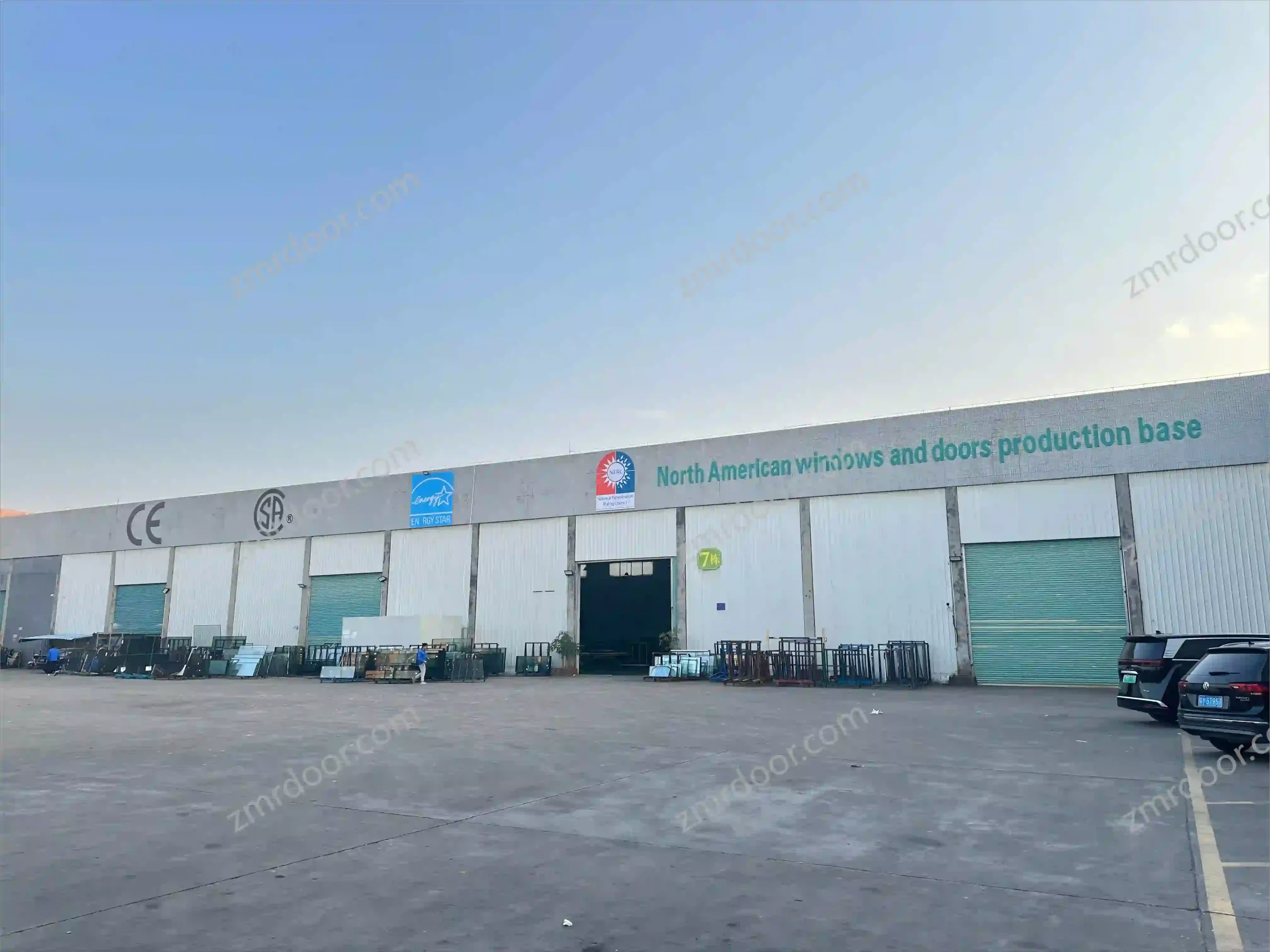
High-Performance Architectural Openings & Doors
Featured export-grade aluminium and wood composite entrance doors, thermal windows, and sliding systems manufactured in Foshan, China.
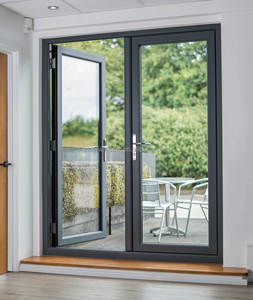
Profile Aluminum Interior Hurricane Proof Front Houses Modern Aluminum Casement Door
Contact Us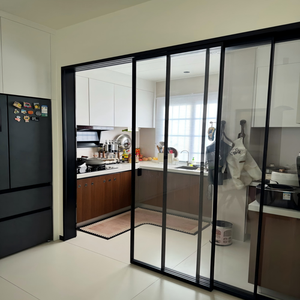
Kitchen Aluminum Sliding Door Oil Proof Easy Clean Tempered Glass Slide Door Waterproof Kitchen Partition Door Custom
Contact Us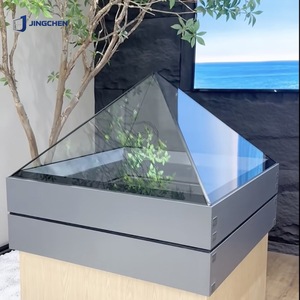
Modern Rectangle Roof Skylight Thermal Break Aluminum Alloy Double Glazed Low-E Glass Pitched Window for Villa
Contact Us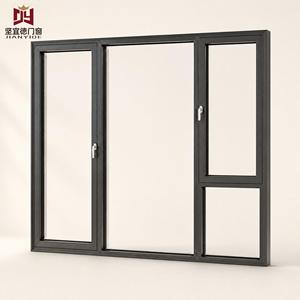
Custom Thermal Break Aluminium Casement Windows Low E Insulated Tempered Glass for European Villa Projects OEM ODM CE Certified
Contact Us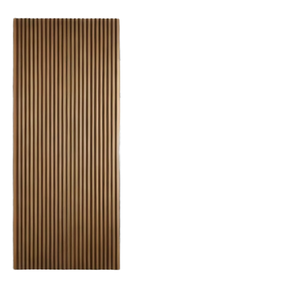
Modern Interior Door Invisible Installation Finished Aluminum Profile Hydraulic Wooden Sliding Door System
Contact Us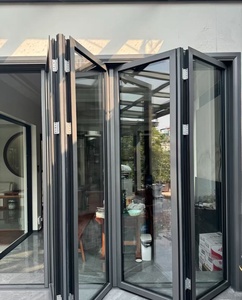
Modern Design Aluminum Alloy Folding Exterior Balcony/Terrace Waterproof Double-layered Tempered Glass Stacking Door
Contact Us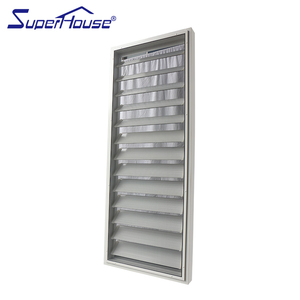
Aluminum Insulated Glass Sun Louver windows Louvre Window Factory Supply
Contact Us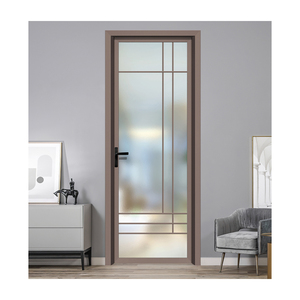
Customized Interior Kitchen Bathroom Door Waterproof Aluminum Alloy Frame Frosted Glass Minimalist Open Sliding Design Finished
Contact UsChina Wholesale Aluminium And Wood Front Doors Manufacturers & Exporter: An Industry Analysis
The global luxury architectural fenestration sector has undergone a profound paradigm shift. Modern residential and commercial developments no longer treat exterior front doors merely as structural entry points; they are evaluated as primary thermal envelopes, acoustic barriers, and central architectural statements. At the crux of this evolution is the rising demand for Aluminium and Wood Composite Front Doors (also known as Alu-Clad Timber or Wood-Aluminium Hybrid Systems).
Leading Chinese fenestration clusters, centered in Foshan, Guangdong, have scaled advanced CNC machining, precision profile extrusion, and eco-certified wood treatment techniques to become the premier supply base for commercial importers, estate builders, and project distributors worldwide. By marrying the structural rigidity and weatherproofing of exterior architectural aluminum with the interior natural warmth and insulation of solid hardwood, China's top-tier manufacturers offer wholesale buyers unmatched cost-to-performance metrics without compromising structural integrity or aesthetic refinement.
As international energy codes (such as Europe's EN 14351-1, North America's NFRC/NAFS standards, and Australia's AS 2047) tighten U-value thresholds to sub-1.0 W/m²K targets, commercial procurement managers must thoroughly understand profile engineering, timber drying tolerances, anodization depth, and multi-point sealing mechanisms before committing to factory-direct wholesale contracts.
Engineering Excellence: Structural Breakdown of Alu-Wood Front Doors
To successfully specify and source high-end aluminum and wood entrance doors from Chinese exporters, technical procurement teams must evaluate the structural composition of the system. Below is an engineering overview of the four essential components that define an export-grade composite front door.
1. 6063-T5/T6 Alloy Frame
High-tensile extruded aluminum profiles with wall thicknesses ranging between 2.0mm and 3.0mm provide high wind load resistance (up to ASTM E330 4500 Pa benchmarks) and long-term anti-twist rigidity.
2. FSC-Certified Hardwood
Interior timber liners are kiln-dried to an equilibrium moisture content (EMC) of 8%–12%. Popular wood species include European Red Oak, Teak, Black Walnut, and Larch, finished with eco-friendly waterborne coats.
3. PA66-GF25 Thermal Break
Polyamide 66 reinforced with 25% glass fiber isolates the outdoor frame from the indoor profile, eliminating thermal transfer bridges and preventing interior condensation in severe cold climates.
Material Specification Matrix for Global Importers
When requesting quotes from OEM/ODM factories in Foshan, specifying precise material grades is vital for comparative price evaluation:
| Component Layer | Standard Commercial Grade | Architectural Premium Grade | Primary Benefit |
|---|---|---|---|
| Aluminium Exterior | 1.8mm 6063-T5 Profile | 2.2mm–3.0mm 6063-T6 / 6060 Profile | Impact resistance & structural wind loads |
| Exterior Coating | Powder Coating (50-60 μm) | AkzoNobel Fluorocarbon (PVDF) / Anodized | 30-year anti-fading & salt-spray corrosion defense |
| Interior Wood | Laminated Pine / Finger-Jointed Oak | Solid FSC European Oak / American Walnut | Aesthetic luxury & organic thermal insulation |
| Sealing Gaskets | Standard PVC Strips | Three-Stage EPDM / Automotive Sponge Rubber | Air permeability (EN 12207 Class 4 rating) |
| Locking Hardware | Single-point Mortise Lock | German Siegenia / HOPPE Multi-point Gear Box | Anti-burglary (RC2 / RC3 security certification) |
Future Procurement Trends in Aluminium & Wood Front Doors (2025–2030)
As global architectural preferences shift toward minimal sightlines, net-zero carbon building performance, and smart automation, wholesale procurement strategies are evolving rapidly. B2B buyers must align their supply chains with the following five key industry trends:
1. Smart Keyless & Biometric Integration
Architects are standardizing integrated smart entry hardware. Factory pre-wiring for hidden biometric fingerprint readers, facial recognition sensors, motorized multi-point locks, and home-automation interfaces is now a prerequisite for luxury front entrance export projects.
2. Hurricane Impact & Extreme Weather Ratings
Coastal developments across Florida, the Caribbean, and East Asia require rigorous impact certification. Sourcing trends prioritize heavy-duty aluminum-wood clad doors tested under ASTM E1886/E1996 cyclic pressure and large missile impact specs.
3. Ultra-Slim Frames & Oversized Pivots
Modern residential design demands floor-to-ceiling entrance systems. Heavy-duty aluminum-wood pivot doors reaching heights of 4.5 meters and widths of 2.2 meters with floor-concealed hydraulic closers are replacing traditional small single-hinge doors.
4. EPD & Low Carbon Footprint Verification
Environmental Product Declarations (EPDs) are becoming standard requirement in EU and North American commercial tenders. Wholesalers are prioritizing Foshan suppliers that use recycled alloy billets and non-toxic water-based wood stains.
5. Modular Knock-Down (KD) & Pre-Glazed Packaging
To reduce international shipping container costs and job-site installation timelines, manufacturers are offering pre-hung, pre-drilled frame sub-assemblies with integrated corner cleats for fast site assembly.
6. Thermal Isolation Vacuum Glazing Integration
The incorporation of thin-profile Vacuum Insulating Glass (VIG) into aluminum-wood entry door vision panels delivers U-values equivalent to solid brick walls (≤0.60 W/m²K) while drastically reducing panel weight.
Enterprise Advantages: Sourcing From China's Premier Fenestration Hub
Positioned directly in Nanhai District, Foshan City, Guangdong Province—the global epicenter of architectural aluminum extrusion and building materials engineering—Veltor Window & Door Co., Ltd. offers international project buyers, dealers, and importers significant commercial and technical advantages.
Full In-House Industrial Ecosystem
From aluminum extrusion, anodization, and CNC profile milling to timber drying, automated lacquering, and glass double-glazing lines, our integrated footprint ensures complete quality control and direct factory-gate pricing.
Engineering CAD & BIM Support
Our dedicated structural engineering team converts preliminary architectural sketches into full CAD shop drawings and 3D BIM models within 48 hours, ensuring zero spatial dimensional errors prior to production.
Rigorous 100% Pre-Shipment Trial Assembly
Every custom aluminum and wood front door is fully assembled, hardware-tested, squareness-checked, and water-spray tested on factory mock-up rigs prior to protective crating and container loading.
Export-Grade Heavy Duty Packaging
Products are wrapped in anti-scratch protective film, fitted with corner edge guards, and secured inside fully enclosed, fumigated solid wooden crates labeled by opening elevation numbers for rapid site sorting.
Frequently Asked Questions (FAQ) for Wholesale Sourcing
Because every door system is custom-manufactured according to architectural shop drawings, we accommodate single-project bespoke orders for residential luxury villas (e.g., 1 to 5 sets) as well as full container loads (FCL) for multi-family commercial project distributors. Consolidating door systems with windows in one shipment optimizes freight efficiency.
Aluminium-wood clad doors offer outstanding structural performance against severe weather. The exterior powder-coated or PVDF-treated aluminium shield handles driving rain, UV radiation, and freezing temperatures without rusting or fading. Meanwhile, the interior timber profile provides natural low thermal conductivity. Reinforced with PA66 thermal breaks and triple EPDM rubber seals, these doors easily pass water tightness tests up to 600 Pa and wind resistance up to 4500 Pa.
We primarily recommend FSC-certified European Oak, American Black Walnut, Teak, and Larch. All timber undergoes precision kiln-drying to achieve a stable moisture content of 8% to 12%, followed by multi-coat eco-friendly water-based lacquering. This prevents warping, swelling, or timber cracking across varying climate zones.
Yes. We regularly manufacture fenestration systems tailored to specific international code requirements. Our systems are engineered to satisfy European CE (EN 14351-1), North American NFRC thermal and NAFS structural standards, and Australian AS 2047 testing criteria. Test documentation and engineering calculations can be provided upon CAD drawing sign-off.
Export door units are wrapped in 5-layer protective polyethylene film, reinforced at all corners with thick foam guards, and encased inside heavy-duty, fumigated plywood crates. Each crate includes desiccant packs to absorb transit moisture and is labeled with the corresponding building elevation tag for clear site identification.
Standard manufacturing lead time is approximately 25 to 35 business days following final CAD shop drawing approval and deposit receipt. Highly customized finishes (such as specialized fluorocarbon colors or hand-carved solid hardwood details) may require up to 40 days. A binding production timeline is issued prior to manufacturing.
Partner With China's Leading Door & Window Manufacturer
Have architectural floor plans, door schedules, or tender specifications? Contact our Foshan engineering team today for technical consultation, factory-direct quotes, and structural shop drawing support.