Engineering Superiority in Architectural Glass Swing Doors
An authoritative analysis of thermal-break engineering, structural load capacity, extrusion metallurgy (6063-T5/T6), and global procurement standards for international developers, contractors, and project importers.
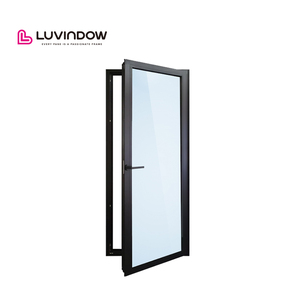
1. B2B Sourcing Landscape: Why China Dominates Architectural Swing Door Manufacturing
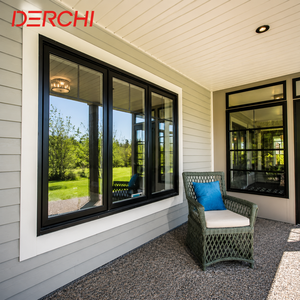
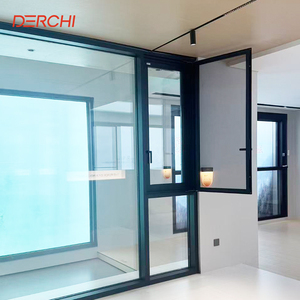
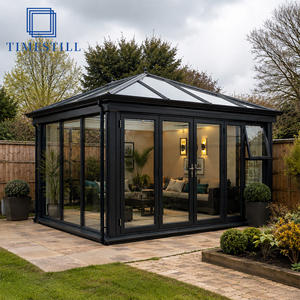
The global architectural sector has experienced a profound shift toward energy-efficient, high-durability fenestration systems. In modern commercial developments, luxury residential villas, and hospitality landmarks, aluminum glass swing doors (French swing doors, entry pivot swing systems, and heavy-duty single/double action hinged doors) are critical envelope components. China—specifically the specialized industrial cluster in Foshan, Guangdong—produces over 60% of the world's high-performance architectural aluminum extrusions and structural door assemblies.
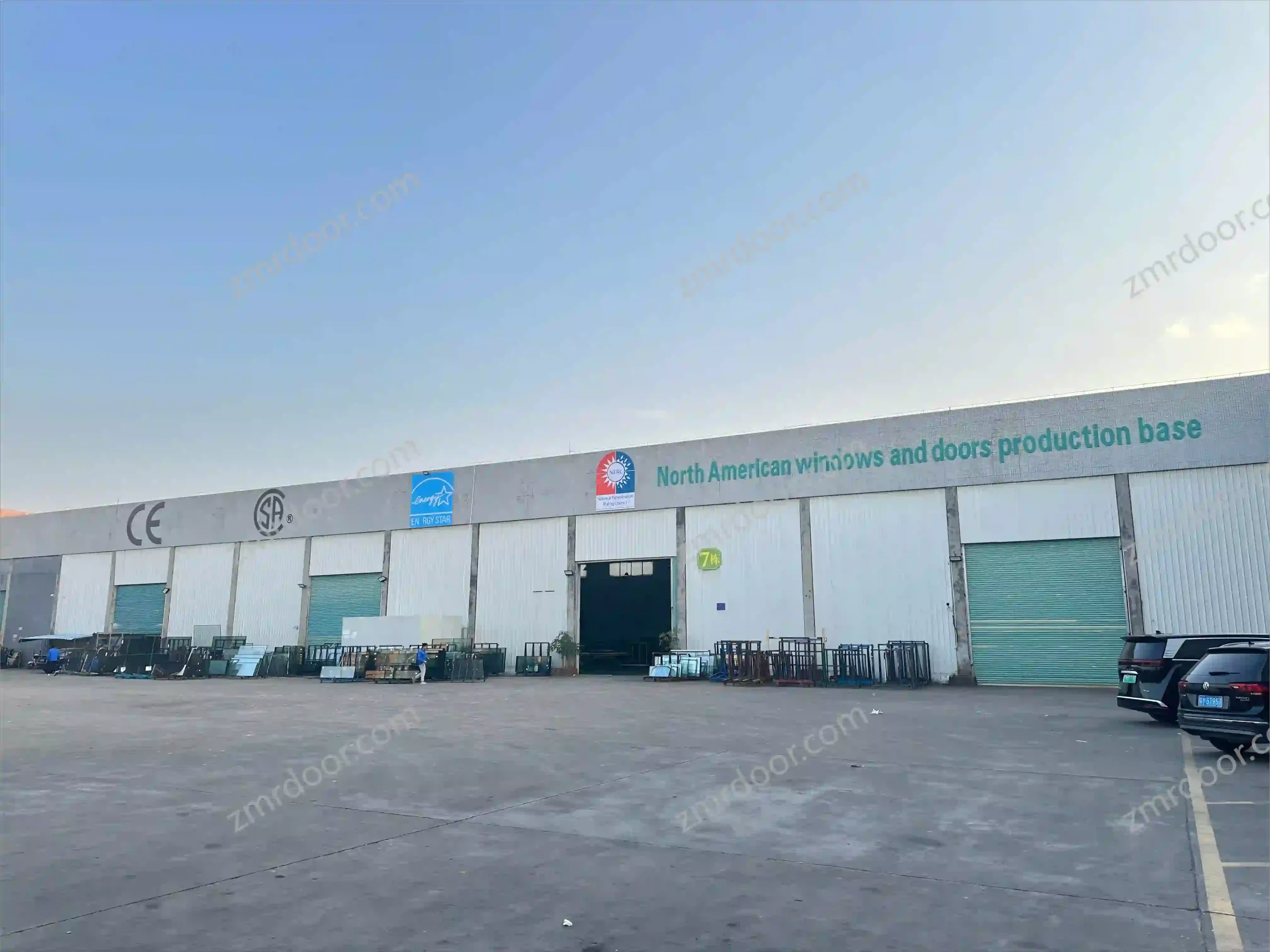
Top-tier Chinese manufacturers have evolved far beyond basic fabrication. Leading OEMs like VELTOR Window & Door Co., Ltd. integrate precision CNC machining, automated glass tempering lines, European polyamide thermal barrier crimping, and advanced surface finishing within single ISO 9001-certified facilities. For international procurement managers, architects, and general contractors, sourcing directly from audited Chinese factories yields a distinct technical and commercial advantage: custom engineering flexibilities at scale, stringent structural testing compliance, and significant cost optimization per square meter.
2. Advanced Material Engineering: Extrusion Metallurgies & Thermal Barrier Technologies
The structural integrity and thermal longevity of an aluminum swing door depend entirely on raw material specifications. Premier Chinese suppliers utilize high-purity primary aluminum ingots rather than recycled scrap, adhering strictly to 6063-T5 or 6063-T6 architectural alloy standards.
A. Alloy Mechanical Properties & Structural Performance
6063-T6 aluminum provides superior ultimate tensile strength (≥ 205 MPa) and yield strength (≥ 180 MPa), essential for oversized glass swing doors subject to extreme wind load pressures in coastal regions or high-rise elevations. Factory extrusion processes ensure precise grain refinement, enabling smooth corner crimping without micro-fracturing along profile stress points.
B. Polyamide PA66-GF25 Thermal Insulation Strips
Non-thermal aluminum profiles act as heat conductors, leading to significant energy loss and indoor condensation. High-performance aluminum swing doors incorporate a multi-cavity thermal break system using Polyamide PA66 reinforced with 25% glass fiber (PA66-GF25). This material matches the thermal expansion coefficient of aluminum profiles (2.3 × 10⁻⁵ /K), preventing delamination during extreme seasonal temperature swings (-30°C to +80°C).
Double-Bridge Thermal Cut
Dual PA66 polyamide barrier strips isolate interior and exterior profiles, reducing thermal conductivity U-factors down to 1.2 W/m²·K.
Precision CNC Corner Crimping
Corner joints are injected with German 2-component structural adhesive and reinforced with solid cast-aluminum corner keys for zero frame distortion.
AkzoNobel / PPG PVDF Coatings
Fluorocarbon 3-coat spray finishing delivers 20+ years of UV resistance, salt-spray anti-corrosion, and color fastness against chalking.
EPDM Triple Gasket Weather Sealing
Continuous co-extruded EPDM rubber gaskets ensure air permeability Class 4 (EN 12207) and water tightness up to 900 Pa pressure.
German Multi-Point Hardware Integration
Compatible with Siegenia, GU, HOPO, and G-U hardware systems, featuring heavy-duty 3D adjustable 304 stainless steel hinges.
Acoustic Double & Triple Glazing
Insulated Glass Units (IGU) featuring Low-E coatings, Argon gas filling, and PVB laminated glass for sound attenuation over STC 42 dB.
3. Technical Specification Matrix: Standard vs. Thermal Break vs. Impact Swing Doors
To assist procurement engineers and specifiers in selecting the correct system configuration based on project geography and performance parameters, the matrix below outlines core mechanical and physical properties across swing door tiers.
| System Classification | Frame Profile Wall | Thermal Break Strip | U-Factor Range | Acoustic Rating (STC) | Target Project Application |
|---|---|---|---|---|---|
| Commercial Standard Swing Door | 1.4mm - 2.0mm | None (Single Profile) | 3.2 - 4.5 W/m²·K | 28 - 32 dB | Interior partitions, mild climate store fronts, closet enclosures. |
| High-Performance Thermal Break Swing | 2.0mm - 2.5mm | PA66-GF25 (24mm - 34mm) | 1.2 - 1.8 W/m²·K | 38 - 44 dB | Luxury residential entrances, balcony swing doors, office suites. |
| Hurricane Impact & Passive House Swing | 2.5mm - 3.5mm Heavy Profile | Multi-Cavity PA66 + Foam Inserts | 0.8 - 1.2 W/m²·K | 42 - 48 dB | Coastal hurricane zones (Miami-Dade NOA), cold region passive builds. |
| Architectural Slimline Swing / French Door | 2.0mm Reinforced Steel-Stiffened | Narrow Thermal Barrier | 1.5 - 2.0 W/m²·K | 35 - 40 dB | Modern minimalist architecture, luxury patio transition walls. |
4. Sourcing & Future Procurement Trends for Aluminum Swing Doors (2025–2030)
As international energy directives (such as Europe's EPBD and North American IECC codes) enforce lower building U-factors, the technical requirements for aluminum swing doors are evolving rapidly. B2B buyers sourcing from China should align with factories investing in the following four future-ready technologies:
Trend 1: Flush Threshold & Barrier-Free Drainage Systems
Modern architectural design prioritizes seamless indoor-to-outdoor transitions. Standard tall sills create tripping hazards and fail ADA compliance. Modern Chinese manufacturers engineer concealed sub-floor drainage channels equipped with magnetic drop seals and anti-backflow check valves, keeping water tightness at 750+ Pa while delivering zero-step transition floor lines.
Trend 2: Smart Access & Biometric Hardware Integration
High-end entrance glass swing doors are transitioning from traditional mechanical keys to fully integrated smart access hubs. Profile frames are pre-milled at the factory with CNC precision to accommodate concealed electric strikes, motorized multi-point locks, 3D facial recognition cameras, and home automation control protocols (KNX, RS485, Matter) without compromising structural insulation profiles.
Trend 3: Ultra-Slim Sightlines with Structural Glass Bonding
Minimalist design trends demand maximum glass surface areas and minimal frame visibility. Advanced swing door systems utilize structural silicone bonding technology (such as Dow Corning 995), transferring wind shear loads directly from the aluminum frame to double-tempered laminated glass panels. This allows leaf dimensions up to 1500mm wide by 3500mm high with frame sightlines under 35mm.
Need Custom Shop Drawings & Thermal Analysis for Your Project?
Send your door schedules and architectural drawings to our engineering department. We provide complete CAD/BIM elevation drawings, structural wind load calculations, and competitive factory-direct quotations within 24 hours.
Send an Inquiry5. Quality Assurance SOPs & Export Packaging Protocols (Veltor Standard)
One of the primary concerns for international importers sourcing aluminum glass swing doors is transit damage and specification mismatch. A reputable Foshan factory maintains rigid Quality Control (QC) Standard Operating Procedures at every stage of production:
- Raw Material Mill Testing: Alloy