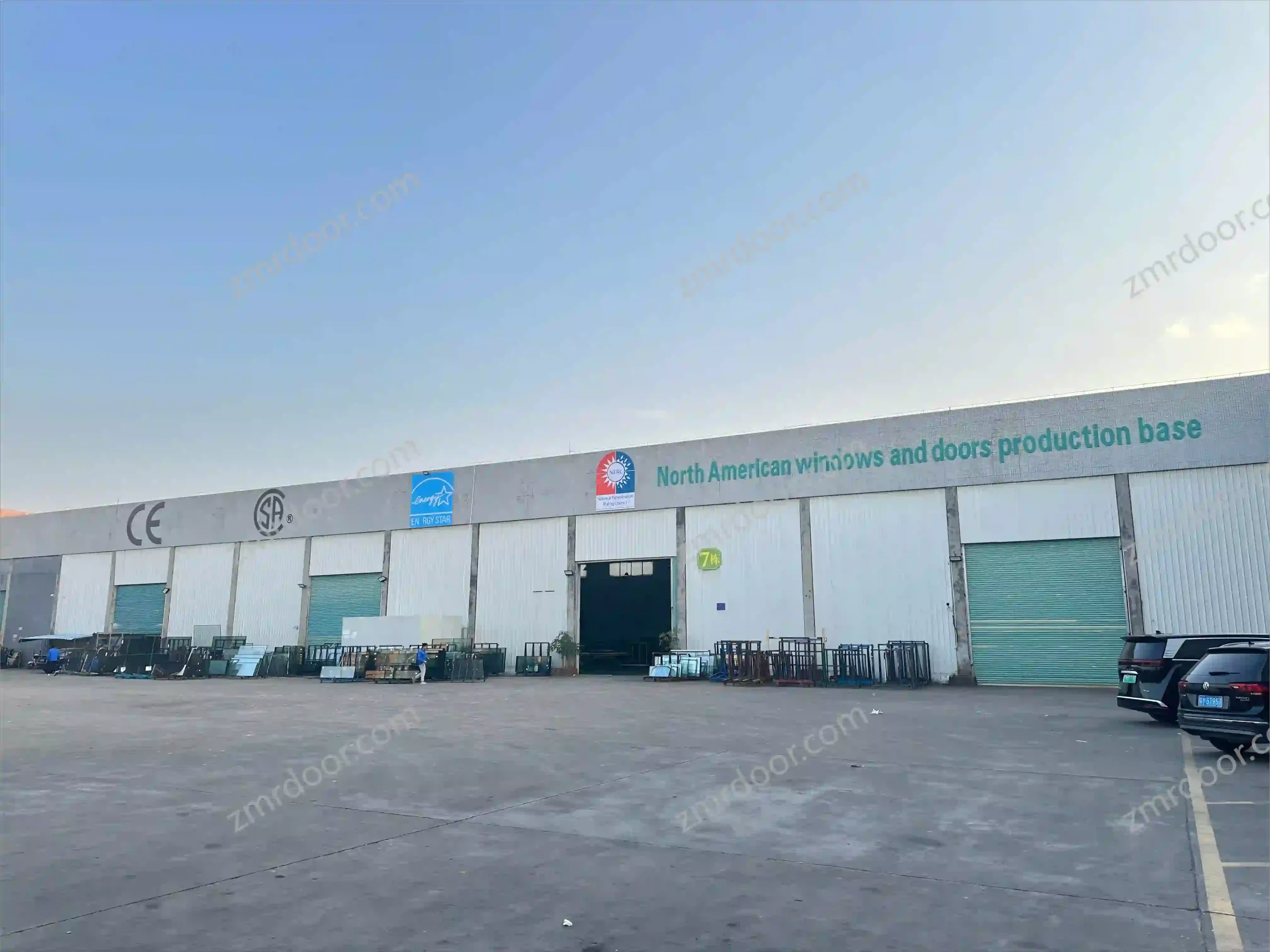
Featured Commercial & Residential Window & Door Assemblies
Explore our precision-engineered aluminum fenestration products, manufactured directly from our Foshan production facility for global architectural, commercial, and residential projects.
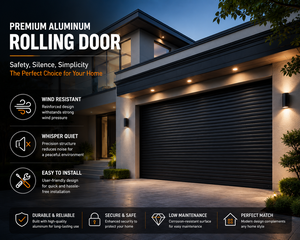
Heavy Duty Insulated Aluminum Roller Shutter Door Storm Proof Security Extruded Slats Rolling Doors for Shop Front Mall Factory
Get a Quote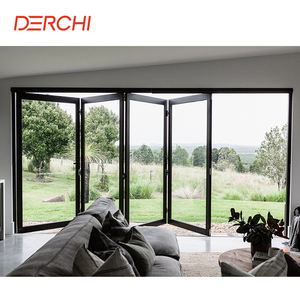
Hot Sale Indoor Aluminum windows and Doors Exterior Balcony Soundproof Double Glass Bi Fold Doors White Grey Black
Get a Quote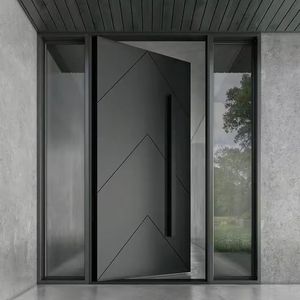
Modern Pivot Door Anti-Theft Minimalist Aluminum Finished Entry For Apartment And Villa Outdoor Use
Get a Quote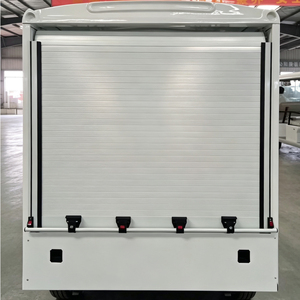
Factory Directly Wholesale Durable Aluminum Roller Shutter Door For Fire Trucks
Get a Quote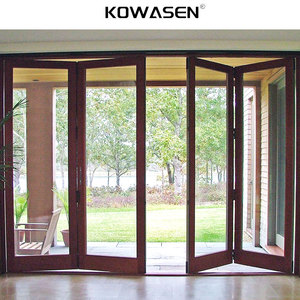
Modern Folding Honeycomb Grill Aluminum Alloy Cupboard Doors
Get a Quote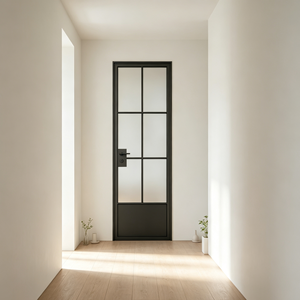
Silent Opening French Style Outward Swing Door Aluminium Glass Vintage Single Casement Doors with Anti-collision Rubber Strip
Get a Quote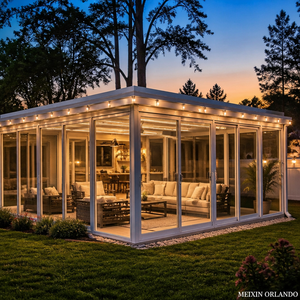
MEIXIN ORLANDO Modern Energy Efficient Sunroom Aluminum Frame High Transmittance Tempered Glass for Courtyard Villa Apartment
Get a Quote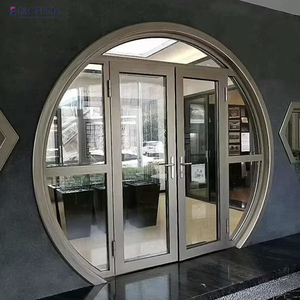
Fuson Wholesale Inventory American House Customized Shower Entry Narrow Frame Aluminum Interior Frosted Glass Bathroom Door
Get a QuoteEngineering Excellence in Aluminum Awning Window Manufacturing
A complete guide to evaluating Chinese awning window factories, structural load calculations, thermal performance metrics, and global compliance standards for enterprise buyers.
Information Gain Summary: Top-hung aluminum awning windows represent one of the most mechanically sound fenestration choices for multi-story residential and commercial developments. By swinging outward from the bottom via heavy-duty stainless steel friction stays, awning windows permit continuous natural ventilation even during inclement weather while preventing water ingress. Sourcing directly from premier Chinese manufacturers in Foshan guarantees high-precision CNC profile machining, advanced thermal break technology (PA66-GF25), and structural silicone glazing (SSG) engineered to withstand extreme positive and negative wind pressures.
1. The Mechanical & Aerodynamic Architecture of Aluminum Awning Windows
When selecting aluminum awning windows for commercial, residential, or hospitality developments, global procurement directors must evaluate structural integrity beyond baseline cosmetic appearance. Unlike standard sliding or side-hung casement configurations, an awning window relies on top-mounted hinges or side-mounted heavy-duty friction stays to support the full gravitational load of double or triple-glazed insulated glass units (IGUs) in an outward-projected canopy state.
The primary structural component is extruded aluminum profile alloy—typically 6063-T5 or 6063-T6. This specific magnesium-silicon alloy exhibits exceptional tensile strength (minimum yield strength of 170 MPa for T6 condition), enabling slim sightlines without sacrificing resistance to structural deformation under high wind pressure loads up to 5000 Pa (equivalent to Category 5 hurricane pressures).
2. Thermal Insulation Engineering: PA66 GF25 Polyamide Strips
Aluminum is naturally highly conductive (thermal conductivity ≈ 200 W/m·K). To achieve modern energy compliance—such as North American NFRC ratings, Australian WERS standards, or European CE EN 14351 certifications—leading Chinese window factories implement a thermal break structure.
This process physically separates the exterior and interior extruded aluminum profiles using a low-conductive barrier made from 25% glass fiber reinforced polyamide (PA66 GF25). Polyamide thermal strips lower the window assembly U-factor down to values below 1.6 W/m²K (U-factor ≤ 0.28 BTU/h·ft²·°F) when combined with warm-edge glass spacers and argon gas-filled Low-E double or triple glazing.
Precision CNC Machining
Advanced 4-axis CNC milling centers ensure exact corner mitering, hardware routing, and concealed drainage slot cutouts to tolerances within ±0.1mm.
Multi-Point Locking Hardware
Equipped with 304/316 grade stainless steel friction stays and perimeter multi-point locking gear, guaranteeing anti-burglary security and airtight sealing.
Triple EPDM Weather Gaskets
Seamless continuous EPDM rubber sealing strips resist UV degradation, ozone exposure, and temperature fluctuations from -40°C to +120°C without elasticity loss.
Engineering Benchmark & Profile Series Comparison
Compare architectural specifications across standard and customized aluminum awning window series manufactured for global export markets.
| Profile System Series | Frame Depth | Wall Thickness | Thermal Break Spec | U-Value Range | Max Wind Load | Recommended Application |
|---|---|---|---|---|---|---|
| Series 55 Non-Thermal Awning | 55 mm | 1.4 mm - 1.6 mm | N/A (Monolithic) | 3.2 - 4.5 W/m²K | 2500 Pa | Mild Climates / Interior Partitions |
| Series 65 Architectural Thermal Awning | 65 mm | 1.8 mm - 2.0 mm | 14.8mm PA66 GF25 Strip | 1.8 - 2.2 W/m²K | 3500 Pa | Residential Villas / Low-Rise Apartments |
| Series 75 Heavy-Duty Cyclone Awning | 75 mm | 2.0 mm - 3.0 mm | 24.8mm PA66 GF25 Strip | 1.4 - 1.7 W/m²K | 4800 Pa | Coastal Zones / High-Wind Areas |
| Series 90 Passive-House Standard Awning | 90 mm | 2.2 mm - 3.0 mm | 34.0mm PA66 GF25 Strip | 0.8 - 1.1 W/m²K | 5000+ Pa | Cold Climates / Net-Zero Energy Buildings |
Future Procurement Trends in China Aluminum Window Manufacturing
Key technological shifts and sustainable manufacturing trends driving international architectural specification and factory selection.
1. Integration of Smart Actuation & Automated Building Management (BMS)
Commercial developments increasingly require motorized concealed chain actuators integrated into aluminum awning windows. Operating on 24V DC or smart IoT protocols (Zigbee, KNX, BACnet), modern awning windows automatically open or close based on indoor air quality (CO2 levels), rain sensors, and thermal smoke evacuation demands.
2. Ultra-Narrow Sightlines & Flush Structural Silicone Glazing (SSG)
Architectural aesthetics are leaning towards minimalist visual profiles. China's top factories are expanding structural silicone glazed (SSG) awning designs where external aluminum beads are eliminated, creating a seamless, all-glass exterior appearance while maintaining high water tightness and structural wind load capacities.
3. Low-Carbon Circular Aluminum & EPD Certification
Global building codes (such as LEED v4.1 and BREEAM) prioritize low embodied carbon. Leading Foshan manufacturers are utilizing hydro-powered recycled aluminum billets and securing verified Environmental Product Declarations (EPDs) to verify carbon footprint metrics across export supply chains.
4. Advanced Surface Treatments: PVDF vs. Super Durable Powder Coating
To endure intense coastal salt spray and high UV radiation, procurement trends favor Fluorocarbon (PVDF 3-coat/2-bake) coatings or Qualicoat Class 2 / Class 3 super durable polyester powder coatings, offering up to 25 to 30 years of color retention and corrosion resistance without chalking or fading.
Foshan OEM/ODM Manufacturing Capabilities & Export Quality Control
Located in Foshan, Guangdong—China's global capital for architectural aluminum extrusion—our integrated production chain delivers uncompromised engineering quality.
Bespoke Shop Drawings & BIM Models
Our dedicated team of facade engineers produces detailed AutoCAD elevation drawings, sectional detail views, and BIM Revit files for exact contractor and architect approval prior to production.
Rigorous Pre-Shipment Testing
Every finished order undergoes 100% trial assembly, air permeability testing (ASTM E283), water penetration testing (ASTM E331), and operational cycle endurance testing before crate packing.
Export-Grade Heavy Duty Packaging
Units are wrapped with protective film, foam corner guards, and sealed in fully enclosed fumigated plywood crates with clear tag labeling matched to your architectural window schedule.
B2B Sourcing FAQ for International Buyers & Importers
Detailed answers regarding custom sizing, minimum order quantities, global compliance testing, and ocean freight logistics.
Ready to Request a Factory Direct Quote & Technical Review?
Send your window schedule, CAD floor plans, or custom tender specifications to our engineering office. We provide complimentary technical review, preliminary shop drawings, and competitive direct pricing within 24 hours.
Get a Quote