Premier Aluminum Hinged & Casement Door Systems
Precision-engineered thermal break profiles, multi-point lock systems, and custom architectural glazing for commercial, residential, and industrial deployments.
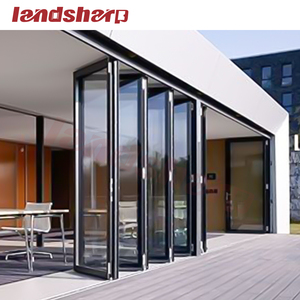
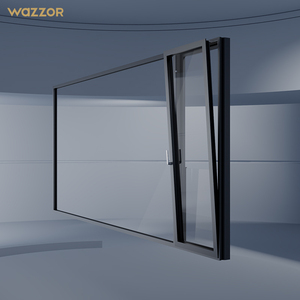
Strategic Evaluation of Chinese Aluminium Hinged Door Manufacturing
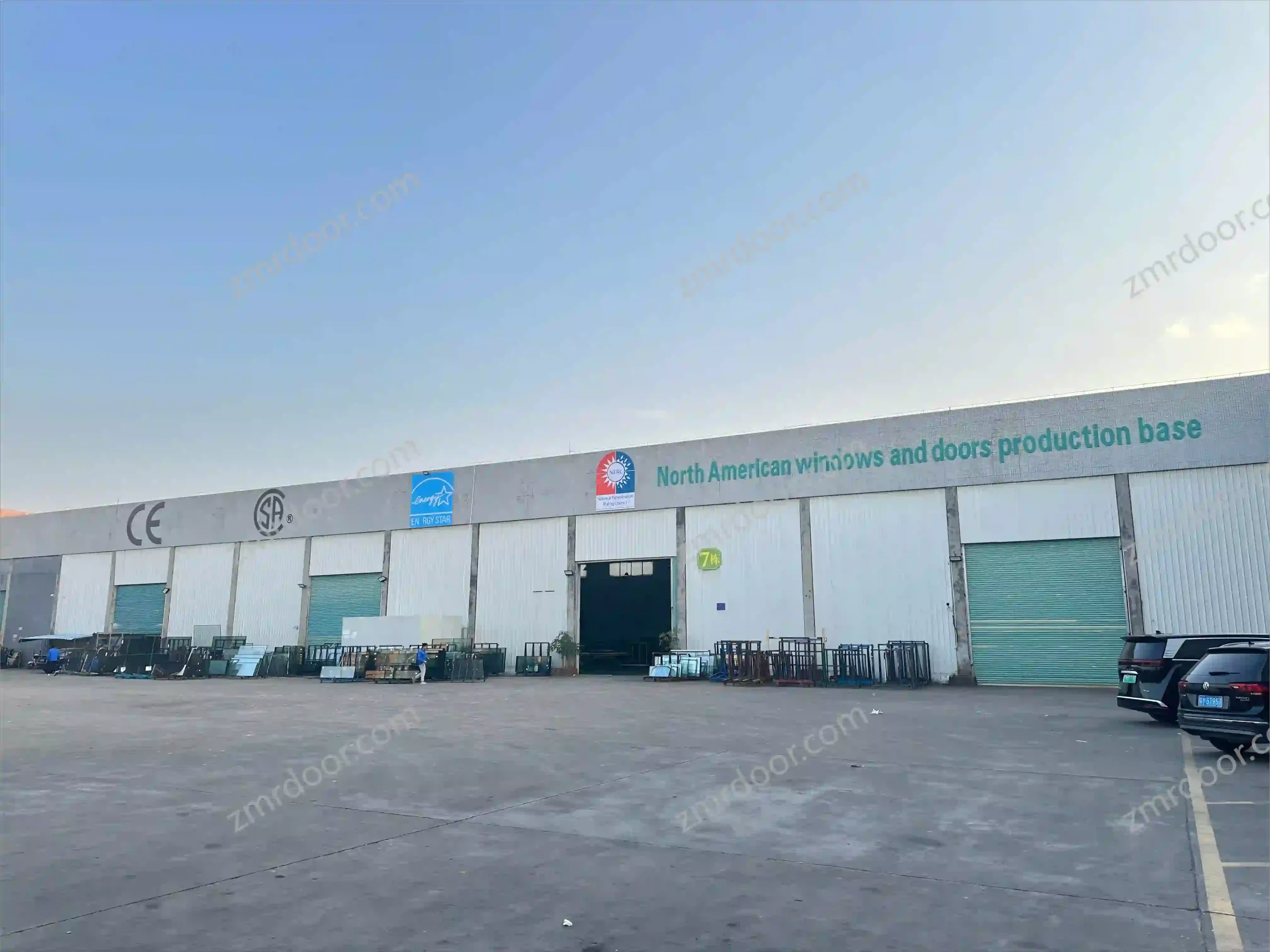
As global architectural standards evolve toward stringent carbon-neutral targets and structural durability, the international procurement of aluminium hinged doors from Chinese manufacturing hubs has shifted from cost-centric purchasing to value-driven, high-specification engineering partnerships. Located in Nanhai District, Foshan—the world's densest industrial cluster for extrusion, powder coating, and fenestration hardware—leading manufacturers such as VELTOR Window & Door Co., Ltd. are redefining export benchmarks.
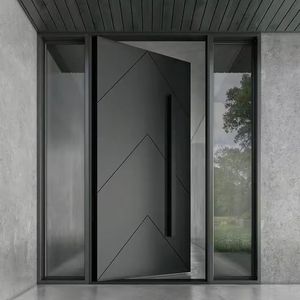
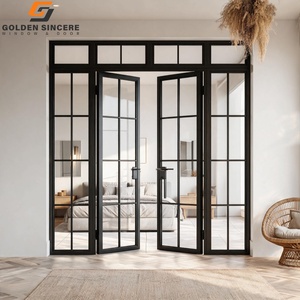
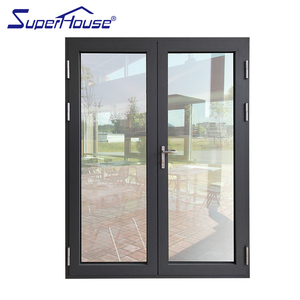
Aluminum hinged doors, encompassing heavy-duty entry doors, French balcony swing doors, pivot doors, and architectural casement configurations, represent the structural nexus of building envelopes. Unlike standard sliding systems, hinged mechanisms place extreme gravitational and rotational shear stress on corner joints, frame profiles, and hardware fixings. Consequently, selecting a verified manufacturer in China demands an in-depth understanding of profile alloy chemistry, thermal break integration, hardware load metrics, and compliance with regional codes such as AS2047, NFRC, and CE EN 14351-1.
Key Manufacturing Pillars of Premium Aluminum Hinged Doors
- Structural Metallurgy & Profile Extrusion: Premier manufacturers strictly utilize prime 6063-T5 or 6063-T6 aluminum billets. Profile wall thicknesses for heavy-duty hinged entry doors are engineered to 2.0mm–3.0mm, surpassing standard architectural minimums to resist sagging and wind-load deflection under heavy double or triple insulating glass units (IGU).
- Thermal Barrier Integration: To eliminate thermal bridging, advanced aluminum hinged doors incorporate Polyamide (PA66 GF25) thermal break strips reinforced with 25% glass fiber. This engineering configuration ensures structural stability across extreme delta-T conditions while maintaining U-values below 1.5 W/m²K.
- Corner Joint Mechanics: Precision CNC dual-mitre cutting combined with mechanical corner crimping, corner cleats, and two-component epoxy injection prevents joint separation, air leakage, and diagonal frame sagging over decades of intensive operation.
- Advanced Weatherproofing & Acoustics: Continuous EPDM (Ethylene Propylene Diene Monomer) gasket systems with vulcanized molded corner joints provide triple-stage sealing against wind-driven rain, achieving water tightness ratings exceeding 600 Pa and acoustic attenuation up to STC 43 dB.
Future Procurement & Sourcing Trends (2025–2030)
Understanding structural, regulatory, and design shifts in international fenestration markets.
1. Decarbonization & Low-E Triple Glazing
Global building codes (such as EU NZEB and US Title 24) now mandate strict thermal performance. Sourcing trends prioritize thermal-break profiles fitted with warm-edge spacers, argon filling, and triple Low-E glass coatings to minimize HVAC loads.
2. Smart Access & Multi-Point Security
Commercial and luxury residential buyers are moving away from traditional single-point latches toward integrated multi-point locking gearboxes (e.g., German Siegenia or Hoppe) compatible with biometric, smart keypad, and motorized smart-home access systems.
3. Minimalist Frame Sightlines
Architectural design demands larger glass surface areas. Procurement is leaning heavily toward concealed hinge mechanisms, slim-frame architectural profiles, and flush threshold designs that seamlessly connect interior and exterior spaces without compromising storm ratings.
4. Total Quality Auditability
Overseas developers and dealers require factory-level auditability. Leading exporters provide full shop drawing verification, real-time video factory inspections, chemical composition analysis reports of aluminum profiles, and certified pre-shipment testing logs.
5. Containerized Protection Engineering
To eliminate damage during transoceanic shipping, high-end suppliers have evolved packing methods. Products are wrapped in protective polyethylene film, fitted with rigid corner guards, and packed into custom-built, heavy-duty fumigated wooden crates labeled by opening schedule.
6. Customized Surface Aesthetics
Advancements in surface treatment technology allow buyers to specify anti-corrosive PVDF fluorocarbon coatings for coastal saltwater environments, hyper-durable Qualicoat Class 2 powder coatings, or realistic 3D thermal transfer wood-grain finishes.
Engineering Comparison: Aluminum Hinged Door Systems vs. Alternative Materials
When selecting entry and exterior swing doors for medium-to-large scale architectural developments, engineering buyers must balance structural longevity, thermal performance, maintenance costs, and aesthetic flexibility. The matrix below outlines how industrial-grade Chinese aluminum hinged door systems compare against UPVC, Timber, and Steel alternatives.
| Material / Spec Category | Thermal-Break Aluminum | uPVC Vinyl | Solid Architectural Timber | Structural Steel |
|---|---|---|---|---|
| Structural Strength & Span | Exceptional (High Glass Ratio) | Moderate (Requires Steel Reinforcements) | Good (Subject to Moisture Deflection) | Extreme (Heavy Weight Load) |
| Profile Frame Depth | Narrow / Minimalist (65mm – 90mm) | Wide / Bulky (70mm – 120mm) | Variable (80mm – 150mm) | Ultra-Narrow (Crittall Style) |
| Corrosion & Weathering | Superior (PVDF / Anodized) | High (Can Discolor in UV) | Low (Requires Periodic Painting/Sealing) | Moderate (Prone to Rust if Scratched) |
| Thermal Insulation (U-Value) | 1.2 – 1.8 W/m²K (With PA66 Strips) | 1.1 – 1.6 W/m²K | 1.3 – 2.0 W/m²K | 2.5 – 4.0 W/m²K (Poor unless isolated) |
| Design Life Expectancy | 40+ Years | 15 – 25 Years | 20 – 30 Years (Maintenance Dependent) | 50+ Years |
| B2B Sourcing Value Index | Optimal ROI & Compliance | Budget-Oriented | High Premium / Maintenance Heavy | Specialized Luxury / High Freight Cost |
Manufacturing Rigor at VELTOR Window & Door Co., Ltd.
As a leading Foshan-based manufacturer of high-performance architectural systems, VELTOR operates under a strict zero-defect manufacturing protocol engineered specifically for international project delivery. Our production workflow ensures complete traceability from raw extrusion to crate packing.
Step 1: CAD & Shop Drawing Approval
Every custom project undergoes thorough engineering validation. Our technical team converts architectural plans into structural shop drawings detailing section dimensions, anchor points, glass specifications, and hinge load metrics before production authorization.
Step 2: CNC Machining & Profile Cutting
Utilizing high-precision double-head saws and automated 4-axis CNC machining centers, profile mitres, drainage slots, lock box recesses, and hinge mounting holes are milled with tolerances within ±0.2mm.
Step 3: Corner Crimping & Glue Injection
Frames are joined using heavy-duty internal aluminum corner keys, mechanical pneumatic crimping, and dual-component polyurethane glue injection to guarantee structural rigidity and water isolation.
Step 4: Glazing & Triple Weatherproofing
Insulated glass units (manufactured with tempered safety glass certified under SGCC and EN 12150) are set into frames using structural silicone glazing or continuous EPDM pressure gaskets.
Frequently Asked Questions (FAQ) for Importers & Developers
Technical, logistical, and commercial queries addressed by our chief engineering director.
Ready to Engineer Your Architectural Project?
Submit your door schedules, floor plans, or architectural elevation drawings to our Foshan engineering desk for a comprehensive technical quote and shop drawing evaluation within 24 hours.
Inquire Now