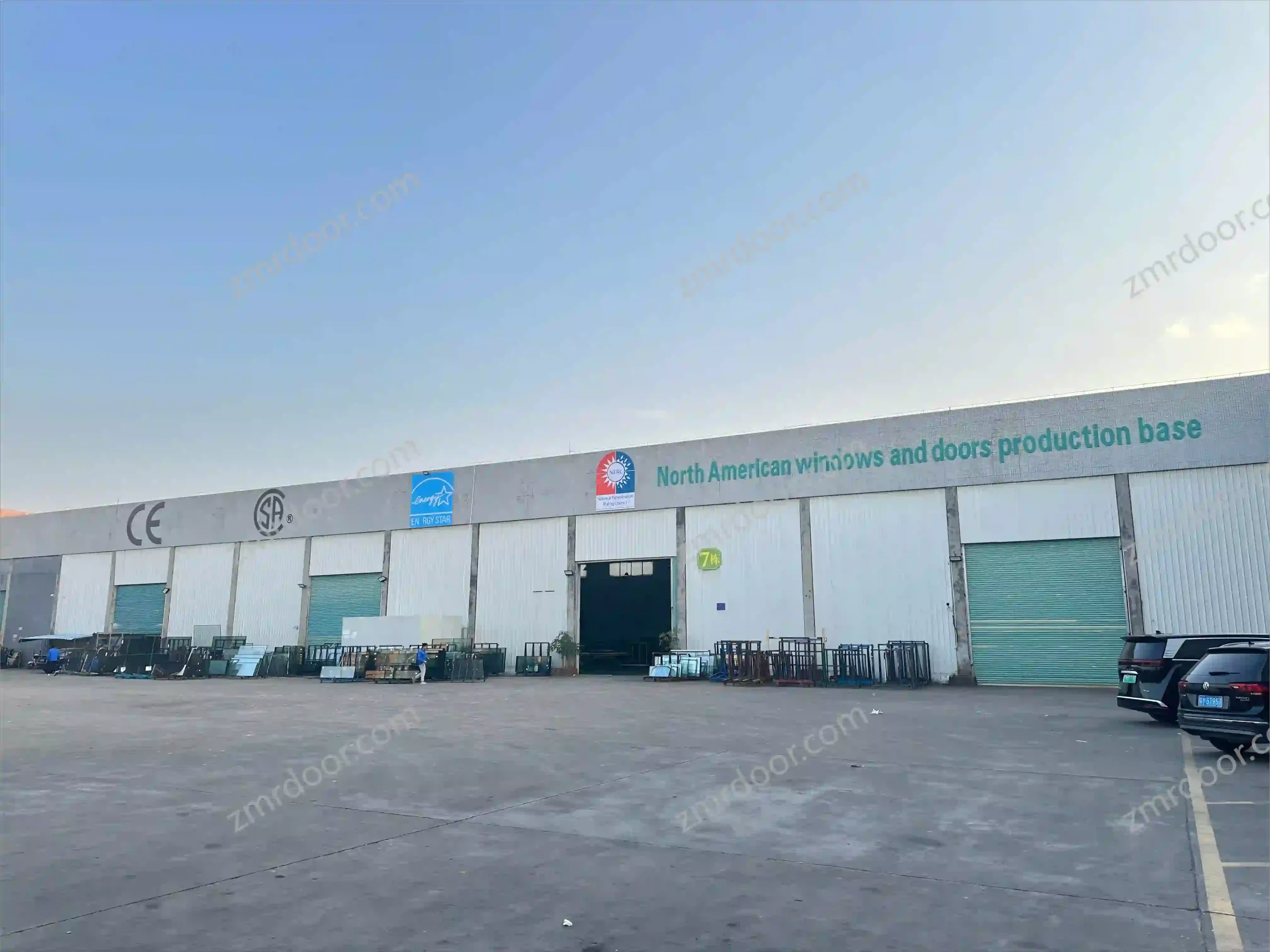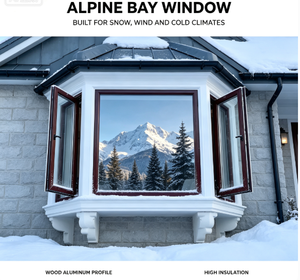
Featured Export-Grade Window & Door Systems
Certified high-performance fenestration solutions custom-engineered in Foshan for global commercial, residential, and multi-family architectural projects.
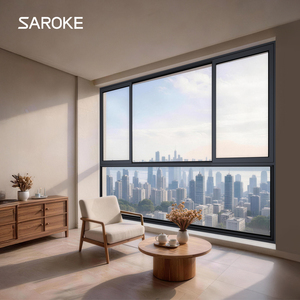
Custom Windows and Doors Double Glazed Soundproof Glass Windows Hurricane Impact Resistant Aluminium Sliding Window
Get a Quote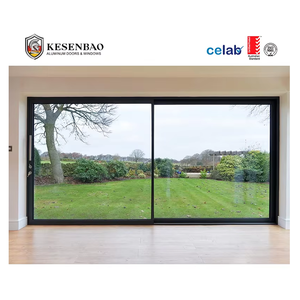
CE Exterior Double Glazed Slim Aluminum Sliding Glass Door System French Patio Door for Houses Villa
Get a Quote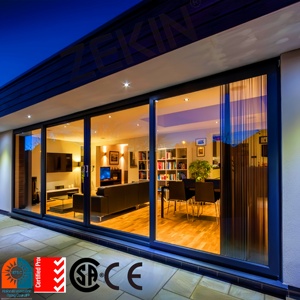
ZEKIN Customized Aluminum Patio Balcony Sliding Doors Double Tempered Glass Heavy Duty Glass Door Aluminum Sliding Doors
Get a Quote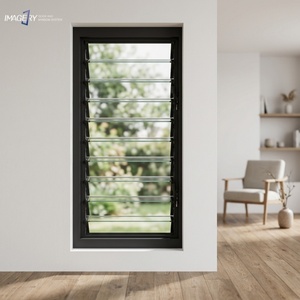
Custom Tempered Glass Windows Aluminum Shutter Adjustable Louver for Commercial House Project
Get a Quote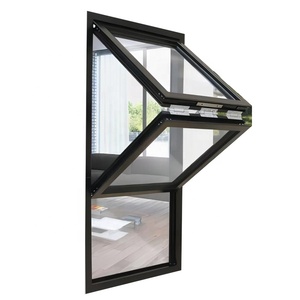
Manufacturer High Quality Home Aluminium Window Alloy Vertical Bi-folding Up Triple Glazed Others Balcony windows
Get a Quote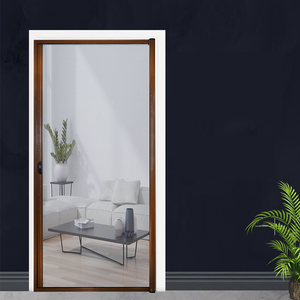
Fliegengitter Aluminium Alloy Custom Retractable Mosquito Net Bug Insect Sliding Screen Door Net Roller Fly Screen Door
Get a Quote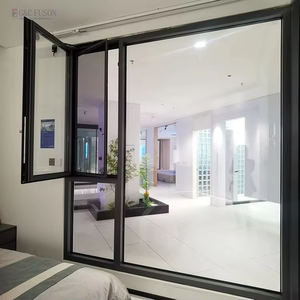
Fuson New Design America Style Vertical Casement Swing Aluminum Thermal Break Single and Double Hung Windows
Get a QuoteExecutive Whitepaper: Architectural Fenestration Engineering
An authoritative technical analysis for real estate developers, structural engineers, and global fenestration buyers evaluating Chinese supply chains.
In modern architectural design, the window and door package represents up to 15% of total building envelope expenditure and exerts over 40% influence on overall operational energy efficiency. As structural requirements demand larger glass spans and lower thermal transmittance values (U-factors below 0.8 W/m²K), selecting the optimal material matrix—specifically architectural aluminium alloys versus hybrid timber-clad systems—becomes a critical engineering decision.
China, and specifically the Foshan industrial cluster in Guangdong, has established itself as the global epicenter for precision fenestration manufacturing. Utilizing advanced 6063-T5 and 6063-T6 metallurgical extrusions integrated with imported German multi-point hardware and structural polyamide thermal breaks (PA66-GF25), top Chinese manufacturers offer unmatched structural performance, hurricane resistance, and bespoke architectural aesthetics at scalable cost structures.
Thermal Break Aluminium
Engineered with dual high-density polyamide strips separating interior and exterior extrusions. Eliminates thermal bridging, resists salt-spray corrosion, and supports heavy triple-glazed IGU profiles for high-rise facades.
Alu-Timber Hybrid Systems
Combines the natural insulation and interior luxury of solid oak, pine, or teak with an exterior shield of powder-coated aluminum. Ideal for luxury residential developments requiring classical interiors and zero exterior maintenance.
Acoustic & Structural Glazing
Incorporates PVB laminated safety glass, warm-edge spacers, and argon gas infill. Achieves sound attenuation up to STC 45 dB and structural wind load performance up to 5000 Pa for hurricane zones.
Foshan Enterprise Advantages & Scale
Direct factory production from Veltor Window & Door Co., Ltd. located in Nanhai District, Foshan—delivering institutional-grade manufacturing and global export compliance.
50,000+
Sqm Annual Output
±0.02mm
CNC Machining Precision
100%
Pre-Shipment QC Audit
60+
Export Destination Countries
Precision CNC Milling
Automated double-head saw cutting and multi-axis CNC routing ensure airtight corner crimping and micro-exact lock-pocket placement.
International Testing
Fully certified compliance with CE EN 14351, NFRC energy standards, Australian AS 2047, Canadian NAFS, and SGCC glass safety norms.
Reinforced Crating
Heavy-duty export wooden crates with protective film, corner guards, and individual opening-number tags for seamless site installation.
Bespoke CAD / BIM
In-house engineering team translates architectural plan sets into detailed shop drawings, wind-load calculations, and elevation models.
Future Procurement & Development Trends
Strategic market insights for developers, project buyers, and fenestration importers navigating the next decade of architectural envelope specifications.
1. Micro-Sightline Minimalist Profiles vs. Structural Rigidity
Architectural demand is rapidly leaning towards ultra-slim frame profiles (interlocks under 20mm visible width) that maximize natural daylighting. However, maintaining structural integrity against hurricane wind loads requires advanced metallurgical alloying (e.g., 6063-T6 vs T5) and structural silicon structural glazing (SSG) techniques. Sourcing partners must verify frame moment of inertia (Ix and Iy values) to prevent deflection under high-rise pressure.
2. Decarbonization & Operational U-Factor Standards
With international energy codes mandating near-zero energy building (NZEB) status, double-glazing is quickly being surpassed by triple-glazed Insulated Glass Units (IGUs) incorporating low-emissivity (Low-E) coatings, argon gas infill, and warm-edge composite spacers. Advanced polyamide thermal break strips with internal foam insulation (PA66-GF25 with polyolefin cores) now achieve thermal transmittance values below 1.0 W/m²K across complete window assemblies.
3. Smart Fenestration & Automated Climate Controls
Next-generation window systems are transitioning from passive envelope elements to active digital nodes. Sourcing trends highlight automated motorized sliding panels, concealed chain actuators for high clerestory casements, integrated smart louvers, and magnetic sensor security locks compatible with centralized Building Management Systems (BMS).
| System Architecture | Structural Alloy | Thermal Transmittance (U-Value) | Acoustic Rating (STC) | Primary Target Application |
|---|---|---|---|---|
| Standard Thermal Break Casement | 6063-T5 Aluminium | 1.4 - 1.8 W/m²K | 32 - 38 dB | Residential Mid-Rise & Apartments |
| Passive House Certified Alu-Timber | 6063-T6 + Solid Oak | 0.7 - 0.9 W/m²K | 40 - 45 dB | Luxury Villas & Cold Climates |
| Narrow Frame Heavy-Duty Slider | High-Tensile Aluminium | 1.6 - 2.0 W/m²K | 30 - 35 dB | Panoramas, Patios & Coastal Resorts |
| Hurricane Impact Glass Wall | 6063-T6 Reinforced | 1.2 - 1.5 W/m²K | 38 - 42 dB | Commercial Facades & Coastal High-Rise |
Material Engineering & Manufacturing Trends
How Chinese fenestration suppliers are deploying material science innovations to redefine architectural durability.
Advanced Surface Treatments
Transitioning from standard powder coatings to Fluorocarbon PVDF (Polyvinylidene Fluoride) spray finishes and hard-coat anodizing. These coatings withstand 30+ years of salt spray, UV exposure, and chemical weathering without chalking or fading.
Vacuum Insulated Glass (VIG)
Emerging as the ultimate glazing innovation, VIG removes gas between glass panes to create a vacuum barrier. It delivers triple-pane thermal insulation within the slim profile width of a single glass unit, revolutionizing ultra-thin timber and aluminium designs.
Concealed Multi-Point Locks
Partnerships with premium hardware manufacturers (CMECH, Siegenia, Hoppe, Roto) allow seamless integration of fully concealed hinges and 3D adjustable locking points, delivering flush minimalist sightlines without compromising air tightness.
Procurement FAQ & Sourcing Guide
Direct technical answers to the most common challenges faced by international buyers during window and door procurement.
What is the minimum order quantity (MOQ) for custom architectural windows and doors?
Because every unit is manufactured to precise shop drawings, Veltor accepts single-project orders (e.g., custom luxury villas) as well as full container-load (FCL) orders for commercial dealers. The practical minimum is primarily dictated by ocean freight efficiency, so we assist buyers in consolidating windows, doors, screens, and hardware into single shipments.
How do thermal break aluminium windows perform in extreme cold climates?
Our thermal-break systems utilize structural polyamide insulating strips (PA66-GF25) that separate interior and exterior aluminum profiles. Combined with double or triple insulated glass units, warm-edge spacers, and Low-E coatings, these assemblies eliminate thermal bridge condensation and achieve low U-factors compliant with North American and European energy codes.
Can you engineer and manufacture to local international building codes?
Yes. Every project is reviewed against target local building standards including structural wind load ratings, water penetration resistance (Pa), air infiltration thresholds, and tempered/laminated safety glass requirements. Official test documentation (CE, NFRC, AS2047, CSA) is provided during the engineering approval phase.
What protective packaging standards are used for ocean container shipping?
All finished window frames are wrapped with scratch-resistant protective film, fitted with heavy-duty plastic corner guards, and packed into reinforced wooden crates with internal foam cushioning. Each crate is labeled with opening tags corresponding to your architectural plan set to streamline installation on site.
What is the typical production lead time after drawing confirmation?
Standard manufacturing lead time ranges from 25 to 35 calendar days following shop drawing sign-off and deposit receipt. Custom fluorocarbon PVDF colors or specialized glass configurations (such as curved laminated glass) may add 7 to 10 days. A detailed production schedule is issued to permit accurate shipping site coordination.
Partner with Foshan's Leading Sourcing Experts
Whether you are developing a multi-family project, distributing window lines, or specifying luxury custom residential builds, our engineering team is ready to optimize your fenestration package.
Direct Factory Sourcing • In-House Engineering • Fully Certified Global Standards • Comprehensive Export Logistics