Premium Interior Aluminum Door Systems
Precision-engineered for architectural commercial, hospitality, and luxury multi-family residential developments.
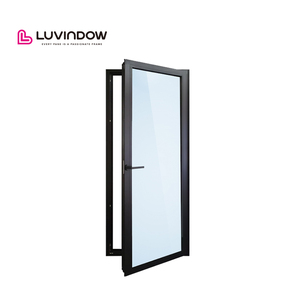
Customizable Thermal Break Soundproof Aluminum Doors for North American Builder
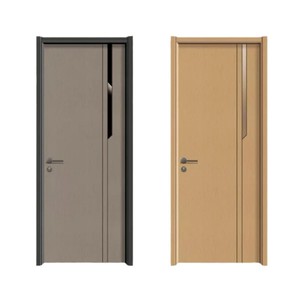
Minimalist Arch Recessed Panel Interior Wood Internal Doors Aluminium Alloy Frame Soundproof Solid Wooden Internal Doors For Indoor
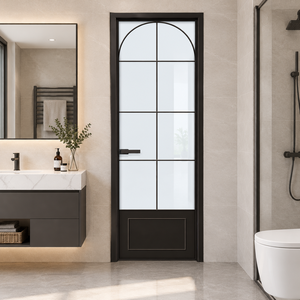
Hihaus Aluminum Casement Door Interior Bathroom Waterproof and Moisture-proof Glass Door
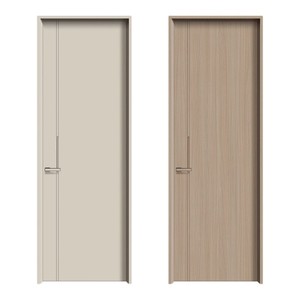
Waterproof Aluminum Interior Internal Doors Custom Minimalist Flat Panel For Apartment
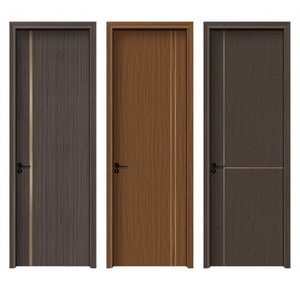
Minimalist French Interior Full Aluminum Door, Aluminum Honeycomb Core Wood Grain Arch Recessed Panel Bedroom Swing Door
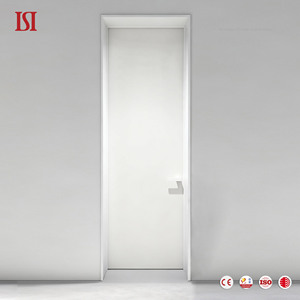
White Modern Custom MDF Wood Door With Aluminum Frame Fireproof & Soundproof Minimalist Design For Interior Use
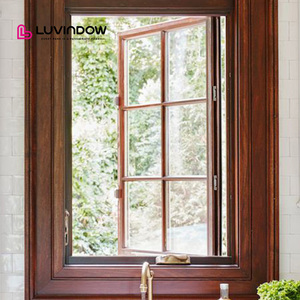
Luvindow Premium Aluminum Clad Wood Windows for Houses Double Tempered Glass Heat Insulated Crank Open Wooden Windows
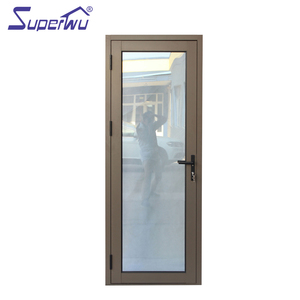
Aluminium Profile New Design NOA Code Security Door Unbreakable Glass Hinge Door With Grill
Executive Overview: The Evolution of China’s Aluminum Interior Door Manufacturing Ecosystem
In contemporary architectural design, the operational demands placed on internal fenestration have shifted dramatically. Commercial developers, general contractors, and residential master builders are rapidly abandoning legacy timber frame assemblies in favor of engineered aluminum internal doors. This shift is driven by severe lifecycle vulnerabilities inherent in wood—including hygroscopic swelling, frame warp, termite degradation, and inconsistent flame-retardant properties.
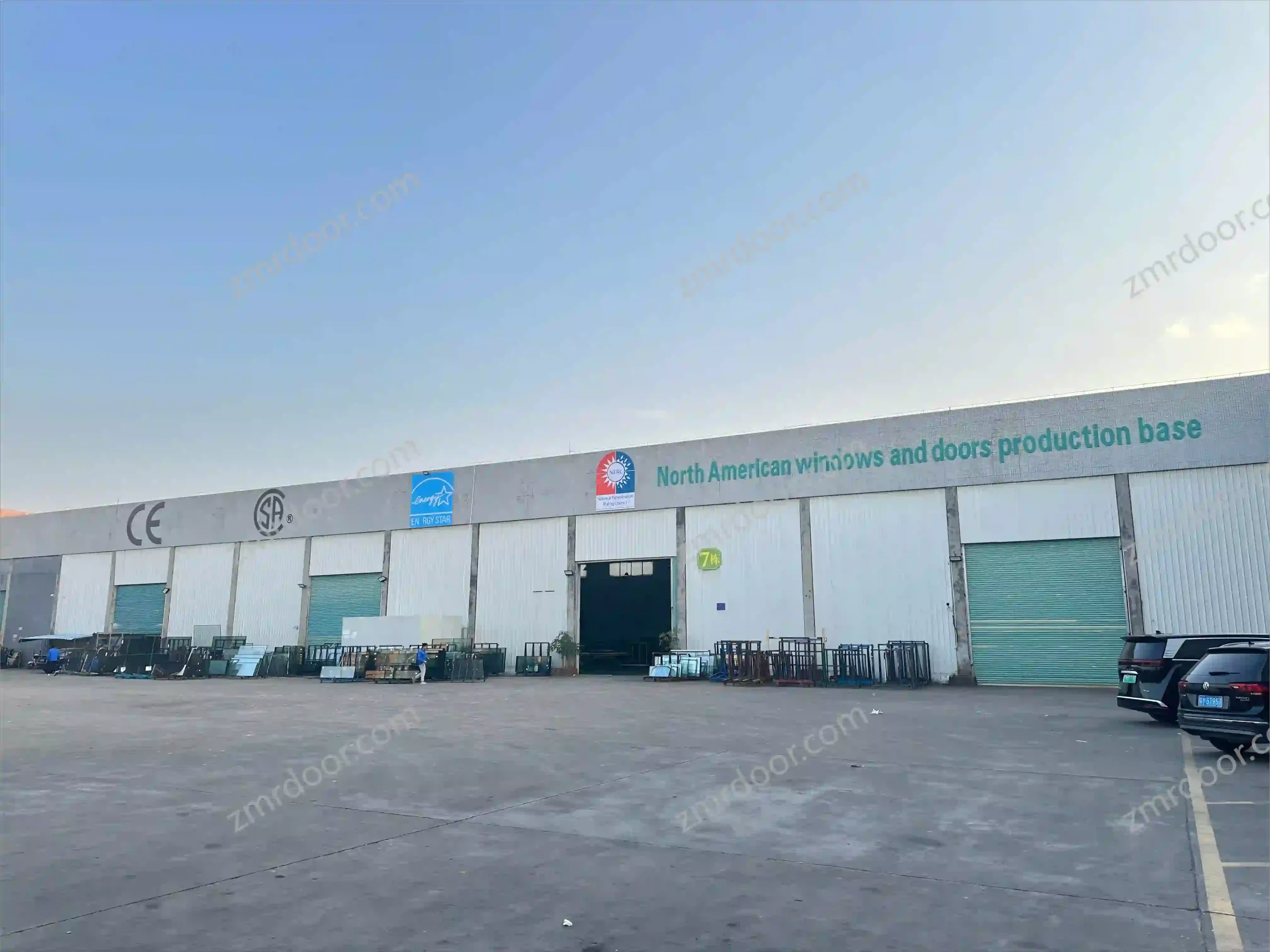
China, specifically the Foshan industrial cluster in Guangdong province, has emerged as the global epicenter for precision aluminum profile extrusion, surface anodization, and modular internal door assembly. As a specialized manufacturer operating out of Shishan Town, Nanhai District, Veltor Window & Door Co., Ltd. (operating seamlessly within the regional supply ecosystem alongside leading fenestration entities) integrates advanced metallurgy, thermal decoupling, and automated CNC machining to yield internal doors that fulfill stringent international building codes.
When sourcing from a China Best Aluminum Internal Doors Factory, international procurement officers must evaluate suppliers not merely on FOB unit pricing, but on structural alloy integrity (e.g., primary 6063-T5 versus scrap-remelt aluminum), infill core engineering, acoustic drop-seal integration, and compliance with ASTM, EN, NAFS, and AS2047 fenestration standards.
Veltor Engineering Standards & Enterprise Advantages
Derived from our Nanhai extrusion hub, our production infrastructure mitigates global supply chain risk through end-to-end quality control.
6063-T5 High-Purity Extrusions
We utilize exclusively virgin ingot extrusions with a nominal wall thickness of 1.4mm to 2.0mm. T5 heat treatment guarantees tensility (>160 MPa) and yield strength (>110 MPa), ensuring frames never bow under heavy glass loads.
Aluminum Honeycomb Infill
Internal door leaves incorporate an aerospace-grade hexagonal aluminum honeycomb core (0.05mm foil thickness). This structural matrix maximizes planar flatness, prevents panel resonance, and delivers superior fire resistance (Class A rating).
Acoustic Decoupling & EPDM Seals
Outfitted with continuous EPDM perimeter gaskets, perimeter magnetic latches, and automatic drop-down bottom seals, achieving Sound Transmission Class (STC) ratings between 32 dB and 42 dB for quiet interior environments.
Fluorocarbon & Anodized Finishes
Surface treatments encompass AkzoNobel powder coating, PVDF fluorocarbon spraying, anodizing (15+ microns), and heat-transfer wood grain films, surviving 1,000+ hours of continuous salt spray testing without blistering.
5-Axis CNC Precision Milling
Computer-controlled double-head miter saws and 5-axis CNC machining centers route hinge pockets, mortise locks, and flush handle recesses to tight tolerances within ±0.2mm, eliminating on-site adjustment delays.
Pre-Shipment Trial Assembly
Every project order undergoes full structural framing, hardware fitting, and squareness checks within our Foshan facility prior to export packaging in reinforced wooden crates labeled by opening schedule.
Technical Specification Matrix: Internal Door Engineering Standards
To assist architects and MEP engineers in drafting bid specifications, the following matrix compares the physical, acoustic, and fire performance parameters of Veltor's aluminum internal door product lines against traditional alternatives.
| Performance Parameter | Full Aluminum Honeycomb Door | Aluminum Frame + Glass Door | MDF Wood + Aluminum Frame | Legacy Solid Timber Door |
|---|---|---|---|---|
| Primary Frame Alloy | 6063-T5 Extruded Aluminum | 6063-T6 Slim Sightline Profile | 6063-T5 Anodized Frame | Softwood/Hardwood Base Frame |
| Internal Core Material | Hexagonal Aluminum Honeycomb | Tempered Glass (5mm-8mm) | High-Density MDF Core | Particleboard or Solid Timber |
| Acoustic Insulation (STC) | 36 dB - 42 dB (With EPDM Drop Seal) | 32 dB - 38 dB (Double Glazed) | 30 dB - 35 dB | 24 dB - 28 dB (Hollow Core) |
| Moisture Absorption Rate | 0.00% (Impermeable) | 0.00% (Impermeable) | < 5% (Sealed Edge) | 8% - 15% (Hygroscopic Warp Risk) |
| Fire Resistance Rating | Class A Flame Retardant | Class A (Tempered Safety Glass) | Class B / Class C | Combustible (Requires Chemical Coating) |
| Hardware Integration | Concealed 3D Adjustable Hinges | Minimalist Pivot / Heavy Hinge | Standard Stainless Butt Hinges | Surface-Mounted Strap/Butt Hinges |
| Expected Service Lifecycle | 30+ Years (Zero Maintenance) | 25+ Years | 15+ Years | 8 - 12 Years (Refinishing Needed) |
*Note: Technical values are derived from standardized laboratory testing under ISO 10140-2 (Acoustics) and ASTM E84 (Surface Burning Characteristics). Final site performance is dependent on wall substrate density and perimeter perimeter sealant application.
Future Procurement & Architectural Trends in Aluminum Internal Fenestration
As the international commercial real estate market moves toward industrialization and green building standard compliance (LEED v4.1, BREEAM, and WELL Building Standard), aluminum interior doors are evolving rapidly. Procurement managers sourcing from Chinese factories should align their project submittals with four major industry vectors:
1. Minimalist Architectural Sightlines & Invisible Frames
Modern architectural aesthetics favor ultra-slim profiles (10mm to 15mm visible frame sightlines) and flush-to-wall hidden frame systems. Aluminum extrusions allow for concealed sub-frames that anchor directly into drywall or masonry studs, creating a seamless transition without heavy architraves.
2. Modular Prefabrication & Fast-Track Site Installation
Labor shortages across North America, Europe, and Australia have inflated on-site installation costs. Advanced Chinese suppliers are shipping completely pre-hung aluminum door kits—including factory-milled lock slots, press-fit EPDM gaskets, and quick-locking frame corner keys—reducing on-site fitting time by up to 60% per opening.
3. Carbon Footprint Tracking & Recycled Content
Global developers increasingly mandate Environmental Product Declarations (EPDs). Leading Chinese factories are incorporating low-carbon primary aluminum (smelted via hydroelectric power) and recycled post-industrial alloy content, ensuring compliance with strict European carbon border adjustment mechanisms (CBAM).
4. Smart Hardware & Magnetic Latching Systems
Mechanical latch bolts are being replaced by quiet magnetic mortise locks and integrated biometric/RFID access control modules. Magnetic latches remain flush inside the door leaf when open, extending lock life and preventing accidental clothing snags in narrow corridors.
Step-by-Step B2B Procurement Strategy for Sourcing from Chinese Suppliers
Sourcing customized architectural fenestration requires a rigorous quality assurance protocol. Below is the standard workflow recommended by Veltor Window & Door Co., Ltd. for international project managers, developers, and trade importers:
Architectural Drawing & Schedule Audit
Submit your CAD door schedules, wall thickness details, rough opening (RO) dimensions, and targeted acoustic/fire ratings to our engineering office. We convert contract drawings into production shop drawings detailing extrusion cross-sections and hardware mounting coordinates.
Sample Verification & Mock-Up Approval
For large-scale apartment or hotel developments, order a full-scale corner corner section or mock-up door leaf. Verify surface finish texture (powder coat thickness tested via magnetic gauge), hinge movement smoothness, and perimeter seal compression.
Production Run & In-Process Quality Control (IPQC)
During profile cutting, CNC milling, and honeycomb lamination, inspect raw alloy certification sheets (MTC) and mill test reports. Ensure wall thickness meets contracted specifications without negative mill tolerances exceeding industry limits (GB/T 6892 / ASTM B221).
Export Packaging & Container Logistics Consolidation
Ensure door panels are protected with anti-scratch PE film, corner edge guards, and packed inside fumigated plywood crates. Doors should be sorted and labeled by floor level and room number to eliminate site sorting chaos.
Frequently Asked Questions by Commercial Buyers
Detailed technical responses addressing common procurement, shipping, and engineering concerns.
Why choose aluminum internal doors over conventional MDF or timber doors for commercial projects?
Aluminum internal doors offer exceptional structural stability, zero moisture absorption (eliminating warp in humid environments like bathrooms and coastal facilities), Class A fire retardancy, and a service lifecycle exceeding 30 years with virtually zero maintenance. In high-traffic locations like hotels, hospitals, and office towers, aluminum doors dramatically lower long-term facility operational costs.
What is the typical minimum order quantity (MOQ) and lead time for custom door orders?
Because all our aluminum internal doors are manufactured to client-specified rough openings and architectural finishes, our factory accepts single-project orders (consolidated container loads) down to a practical minimum of 20 units. Standard production lead time is 25 to 35 calendar days following shop drawing sign-off and deposit confirmation.
How do aluminum internal doors perform regarding sound insulation (STC ratings)?
Our engineered aluminum internal door systems achieve Sound Transmission Class (STC) ratings from 32 dB up to 42 dB. Performance is achieved by utilizing heavy aluminum honeycomb core infill, double EPDM perimeter rebate gaskets, perimeter acoustic drop-down bottom seals, and optional double-glazed acoustic laminated glass panels.
Can your factory manufacture internal doors matching local building codes in North America, Australia, and Europe?
Yes. Our engineering department designs and fabricates fenestration units in strict compliance with target international standards, including NAFS/AAMA for North America, AS 2047/AS 1288 for Australia, and CE/EN 14351 for the European Union. We provide glass safety certification (SGCC / EN 12150) and alloy mill test reports upon project commissioning.
What surface treatments and color customizations are available for interior aluminum door profiles?
We provide a comprehensive selection of durable surface finishes including electrostatically applied AkzoNobel powder coating (standard RAL color palette), PVDF fluorocarbon finishes for harsh microclimates, anodized architectural finishes (matte silver, champagne, bronze, black), and advanced thermal-transfer wood grain textures that replicate natural timber aesthetics while retaining alloy strength.
How are finished doors packaged to prevent damage during transoceanic shipping?
Door frames and leaves undergo a multi-layer protective packaging protocol: individual units are wrapped in 80-micron scratch-resistant PE film, fitted with high-density EPE foam corner protectors, strapped into corrugated cartons, and packed inside fully enclosed, fumigated ISPM-15 compliant plywood crates suitable for crane and forklift handling.
Do you supply hardware, hinges, and locksets, or can we integrate our localized master key systems?
We supply complete turn-key door assemblies outfitted with top-tier hardware brands (Hoppe, Dormakaba, Siegenia, or premium domestic locks). Alternatively, our CNC milling machines can pre-cut lock mortises and hinge pockets according to your specific hardware templates, allowing seamless installation of your localized commercial master key cylinders on site.
Ready to Engineer Your Project's Interior Fenestration?
Connect directly with our Foshan factory engineering team. Send your CAD drawings, door schedules, or tender specs for an immediate technical evaluation and competitive factory-direct proposal.