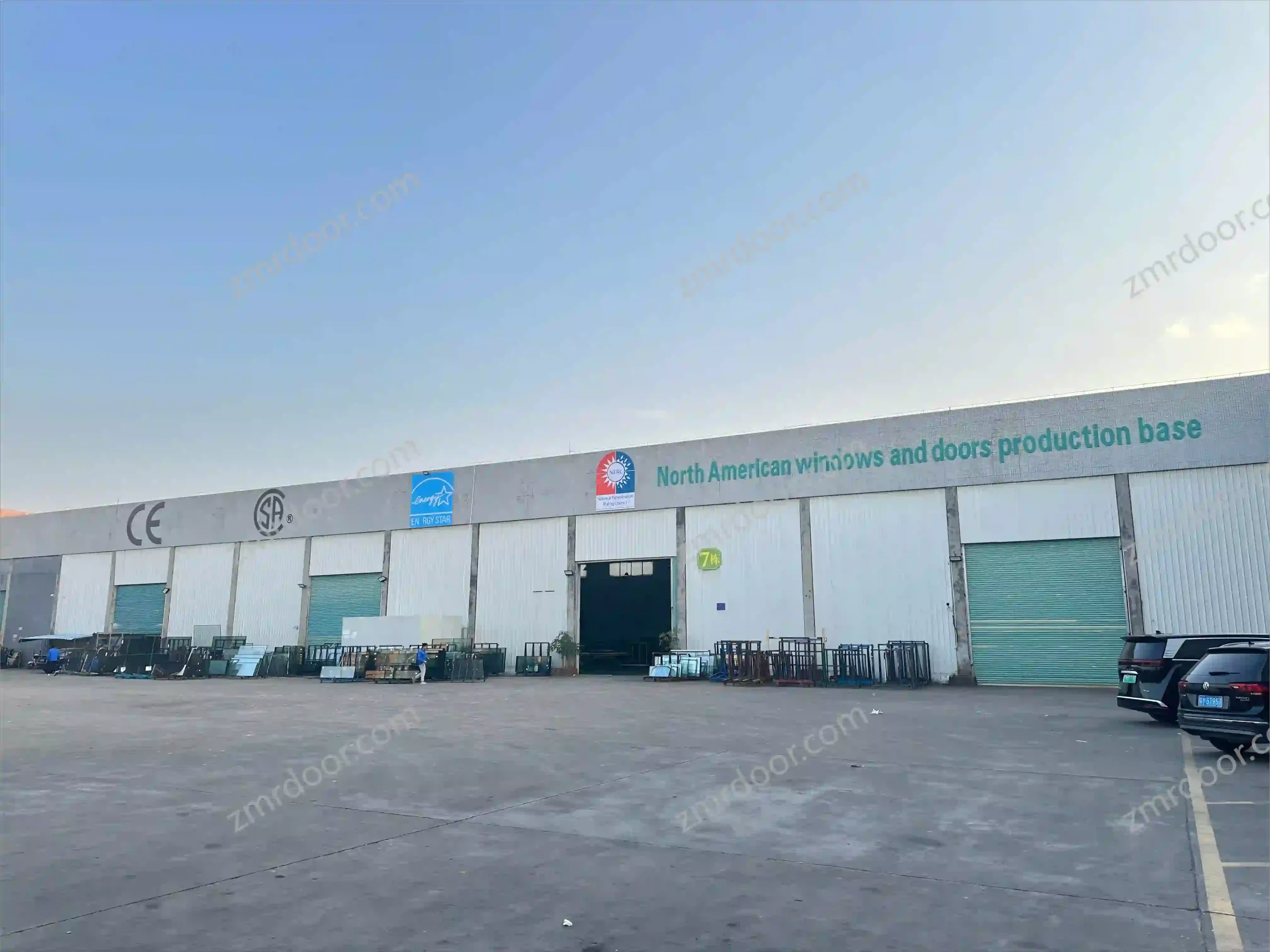
Curated Architectural Windows & Glazed Door Systems
Explore factory-direct fenestration products engineered for hurricane resistance, thermal break insulation, and modern minimal aesthetics.
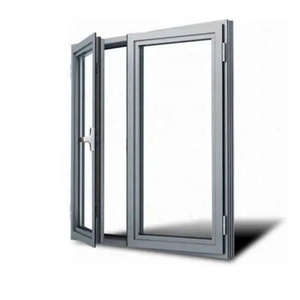
Customize Black Modern Shatterproof Hurricane Resistant Window Noise Proof Aluminum French Window Insert Design and Door
Contact Us →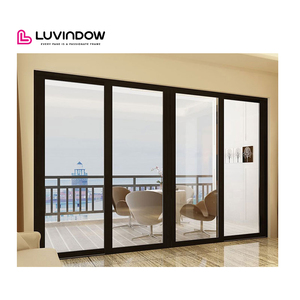
Australian Standard China Top Suppliers Aluminium Frame Waterproof Double Glazed Lift Sliding Glass Doors And Windows For Home
Contact Us →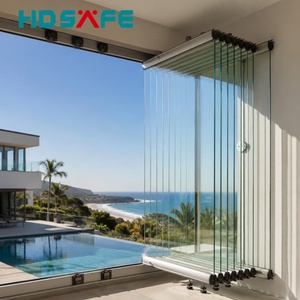
Full View Aluminium Folding Window Frameless Glass Bi-Fold Window System For Balcony Villa Patio Exterior
Contact Us →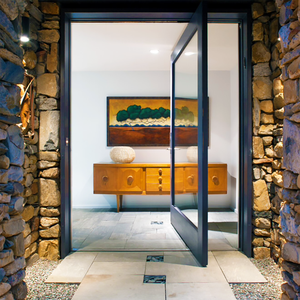
Florida Miami-Dade Approved NFRC North American Style Big Panel Tempered Glass Aluminium Modern Entry Front Pivot Doors
Contact Us →
Best Selling Aluminum up and Down Soundproof Window with Grill Inserts Customizable Color 5 Year Warranty for Decorative House
Contact Us →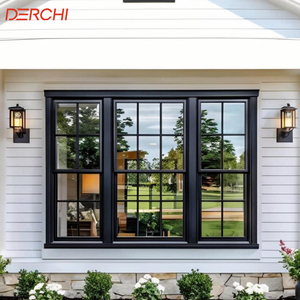
Top-quality Aluminum Double-hung windows With Thermal Insulation And A Sleek Thin Profile For New Construction
Contact Us →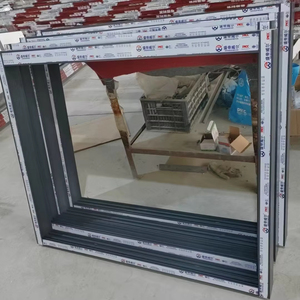
High Quality Double Glazed Glass Windows Doors Mosquito Net Aluminium Alloy Folding Soundproof Louver Fiberglass
Contact Us →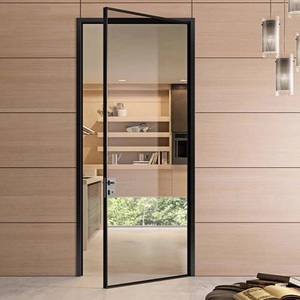
Aluminum Alloy Frosted Glass Door Stainless Steel Screen Manual Side Waterproof Interior for Bathroom Kitchen Modern Design
Contact Us →Why Global Importers & Contractors Source From Us
Located in Foshan, China—the world's capital for architectural aluminum extrusion—we leverage direct supply chain integration to deliver uncompromised structural performance.
Foshan Industrial Cluster Advantages
Direct proximity to top profile extrusion mills, AkzoNobel/PVDF powder coating lines, and specialized tempered glass factories reduces lead times and structural manufacturing overhead.
PA66GF25 Thermal Break Technology
Utilizing 25% glass-fiber reinforced polyamide insulating strips, our thermal break frames effectively block conductive heat transfer, meeting strict NFRC and European EN standards.
Shop Drawing & Engineering Support
Every commercial or luxury residential order undergoes structural wind-load calculation, CAD shop drawing sign-off, and elevation modeling prior to CNC extrusion cutting.
Heavy-Duty Hardware Integration
Equipped with original German Siegenia, Hoppe, or premium custom multi-point locking gear designed to withstand heavy sash loads up to 400kg per leaf seamlessly.
Acoustic & Weatherproofing Seals
Continuous EPDM double or triple sealing gaskets combined with pressure-equalized drainage tracks protect interiors against torrential rains and urban ambient noise.
Export Crate Protection Protocols
Units are fully corner-guarded, film-wrapped, and packed inside fully enclosed fumigated plywood crates with marked opening numbers for immediate site installation.
Comprehensive Technical Analysis: The Science of High-Performance Aluminum Glazed Doors
When selecting a reliable China best aluminum glazed door supplier, global architects, commercial developers, and project dealers must evaluate beyond surface aesthetics. Modern fenestration engineering is defined by structural alloy integrity, thermal barrier design, air/water tightness dynamics, and glass unit composition.
1. Primary Aluminum Alloys & Tempering (6063-T5 vs. 6063-T6)
Architectural aluminum frames rely predominantly on magnesium and silicon alloy series. 6063-T5 aluminum provides an exceptional balance of surface finish quality, complex profile extrusion capabilities, and tensile strength suitable for residential sashes. For extreme wind load zones—such as high-rise coastal developments or hurricane-prone territories in North America and Australia—high-temper 6063-T6 aluminum is specified. T6 processing involves artificial aging to achieve yield strengths exceeding 210 MPa, ensuring structural stability under high atmospheric pressures without excessive frame deflection.
2. Thermal Barrier Architecture: Polyamide vs. PVC Strips
Uninsulated aluminum exhibits high thermal conductivity ($k \approx 200\text{ W/m}\cdot\text{K}$). To meet modern energy preservation codes, top China suppliers insert structural thermal break strips between the inner and outer extrusions. High-performance door systems utilize Polyamide PA66 reinforced with 25% fiberglass (PA66GF25). Polyamide strips maintain thermal expansion coefficients matching aluminum, preventing de-lamination or structural shear failure under extreme temperature fluctuations (-30°C to +80°C).
| Performance Parameter | Standard Non-Thermal Aluminum | Thermal Break Aluminum (PA66GF25) | High-Insulation Triple-Glazed System |
|---|---|---|---|
| Frame U-Value ($W/m^2\cdot K$) | 5.0 – 7.0 | 1.8 – 2.5 | 0.9 – 1.3 |
| Acoustic Insulation (STC) | 25 – 28 dB | 35 – 40 dB | 42 – 48 dB |
| Air Infiltration Rating | Level 3 Standard | Class 4 (EN 12207) | Class 4 / NAFS CW Rating |
| Water Resistance Pressure | 150 – 250 Pa | 450 – 700 Pa | 900+ Pa (High-Sill Drainage) |
| Typical Applications | Interior Partitions, Mild Climates | Residential Villas, Commercial Projects | Passive House, Cold Climates, High-Rise |
3. Insulated Glass Unit (IGU) Configurations & Coatings
The glass component constitutes upwards of 80% of any glazed door area. A superior supplier offers custom IGUs engineered for local climates:
- Double-Glazed Low-E Glass (6mm + 12Ar + 6mm): Incorporates a microscopic metallic layer that reflects long-wave infrared heat while permitting visible daylight. Argon gas filling reduces convective heat transfer across the air cavity.
- Laminated Hurricane-Impact Glass: Utilizes a tough Polyvinyl Butyral (PVB) or SentryGlas® (SGP) interlayer sandwiched between two tempered glass sheets. SGP interlayers offer 5x the tear strength and 100x the rigidity of standard PVB, making them ideal for Miami-Dade approved front entry and pivot doors.
- Acoustic Laminated Glazing: Combines varying glass thicknesses (e.g., 8mm exterior + 6mm interior) with sound-dampening acoustic PVB film to neutralize low-frequency traffic noise.
Future Sourcing & Procurement Trends for Aluminum Glazed Doors (2025–2030)
As the international construction industry pivots toward carbon neutrality and advanced digital manufacturing, purchasing teams must adapt their procurement criteria. Sourcing aluminum doors from leading Chinese manufacturers involves recognizing key structural and regulatory trends shaping the next decade.
Trend 1: Decarbonization & Low-Carbon Recycled Aluminum
Global green building standards (LEED, BREEAM, DGNB) increasingly audit the embodied carbon of building envelopes. Top tier suppliers in China are transitioning toward hydro-powered aluminum smelting and high-percentage post-consumer recycled aluminum billets. Utilizing green aluminum can reduce carbon emissions per ton of extrusion by up to 70%, enabling developers to fulfill stringent environmental product declaration (EPD) mandates.
Trend 2: Ultra-Slim Sightline Systems with Concealed Frames
Architectural design favors maximal transparent expanse and minimal visible metal. Modern sliding and bi-fold door procurement is seeing rapid growth in narrow-frame aluminum systems featuring interlock sightlines as narrow as 18mm to 21mm. Engineering these micro-profiles requires ultra-dense alloy compositions, floor-recessed drainage channels, and concealed top-roller carriages that preserve high wind load resistance.
Trend 3: Smart Glass Integration & Automation
Glazed doors are evolving into active building envelope elements. The integration of PDLC (Polymer Dispersed Liquid Crystal) switchable smart glass allows instantaneous switching between transparent and opaque frosted states via home automation systems or wall controls. Furthermore, motorized heavy-duty lift-and-slide doors equipped with obstruction sensors and smart lock access control (biometric, RFID, mobile app) are fast becoming standard specifications for high-end hospitality and villa developments.
Trend 4: Prefabricated Modular Fenestration Units
Rising labor costs in North America, Europe, and Australia have pushed contractors toward off-site pre-assembled building components. Forward-thinking suppliers deliver pre-glazed, pre-hung door packages with pre-drilled fixing flanges, factory-installed hardware, and sub-frame attachment systems that halve on-site installation labor hours.
Factory Infrastructure: From Raw Profile Extrusion to Overseas Delivery
Evaluating a supplier’s internal production flow is essential to guaranteeing consistent quality control across multi-container shipments. A professional Foshan factory executes rigorous multi-stage quality checkpoints:
Phase 1: Profile Extrusion & Surface Treatment
Raw 6063 billets are extruded through precision dies, solution heat-treated, and artificially aged to T5 or T6 temper. Extrusions then receive surface finishes based on environmental exposure requirements:
- Powder Coating (Qualicoat Class 2 standard): Applied electrostatic dry powder cured at high temperatures, resisting UV degradation, chalking, and color fading.
- PVDF Fluorocarbon Coating: Recommended for severe coastal environments exposed to salt spray and high humidity. PVDF coatings offer superior chemical inertness and 20+ year surface color retention.
- Anodizing & Wood Grain Transfer: Electrochemical anodizing creates a hard aluminum oxide layer, while vacuum heat-transfer technology creates scratch-resistant natural timber textures.
Phase 2: CNC Milling & Corner Crimping Integrity
Modern production lines utilize multi-axis CNC machining centers to perform hardware slotting, keyhole punching, and water drainage hole milling with sub-millimeter accuracy. Profile corners are joined using cast aluminum corner keys injected with two-component structural epoxy sealant, followed by hydraulic corner crimping. This method guarantees structural rigidity, preventing sash sagging and frame joint water leakage.
Phase 3: Glazing, Testing & Pre-Shipment Inspection
Glass panes are mounted using high-grade structural silicone or continuous vulcanized EPDM gaskets. Before packing, sample doors undergo factory pressure-chamber testing for water penetration, air tightness, and cycling durability (testing hardware over 50,000 open/close cycles).
Engineered Solutions for Your Next Glazing Project
Require detailed shop drawings, custom thermal calculations, or factory-direct price estimates? Speak with our technical sales engineers today.
Contact UsFrequently Asked B2B Procurement Questions
Essential answers for project managers, importers, architects, and building material distributors.
Strategic Checklist for Sourcing Aluminum Doors from China Suppliers
To ensure a seamless import process, project procurement managers should systematically complete the following verification steps:
- Verify Alloy & Wall Thickness: Ensure structural load-bearing frame profiles have a minimum main wall thickness of 1.4mm to 2.0mm for windows, and 2.0mm to 3.0mm for heavy-duty doors per ISO/GB standards.
- Confirm Hardware Brand: Specify hardware systems explicitly (e.g., German Siegenia, Hoppe, Sobinco, or factory premium multi-point systems) with minimum 500-hour salt-spray corrosion resistance ratings.
- Review CAD Shop Drawings: Verify opening dimensions, masonry rough opening tolerances, sub-sill flashing design, and drain hole positions prior to authorizing extrusion cutting.
- Audit Pre-Shipment Video Testing: Request live camera or video documentation showing dimensional checks, squareness measurements, smooth hardware operation, and water seal integrity.