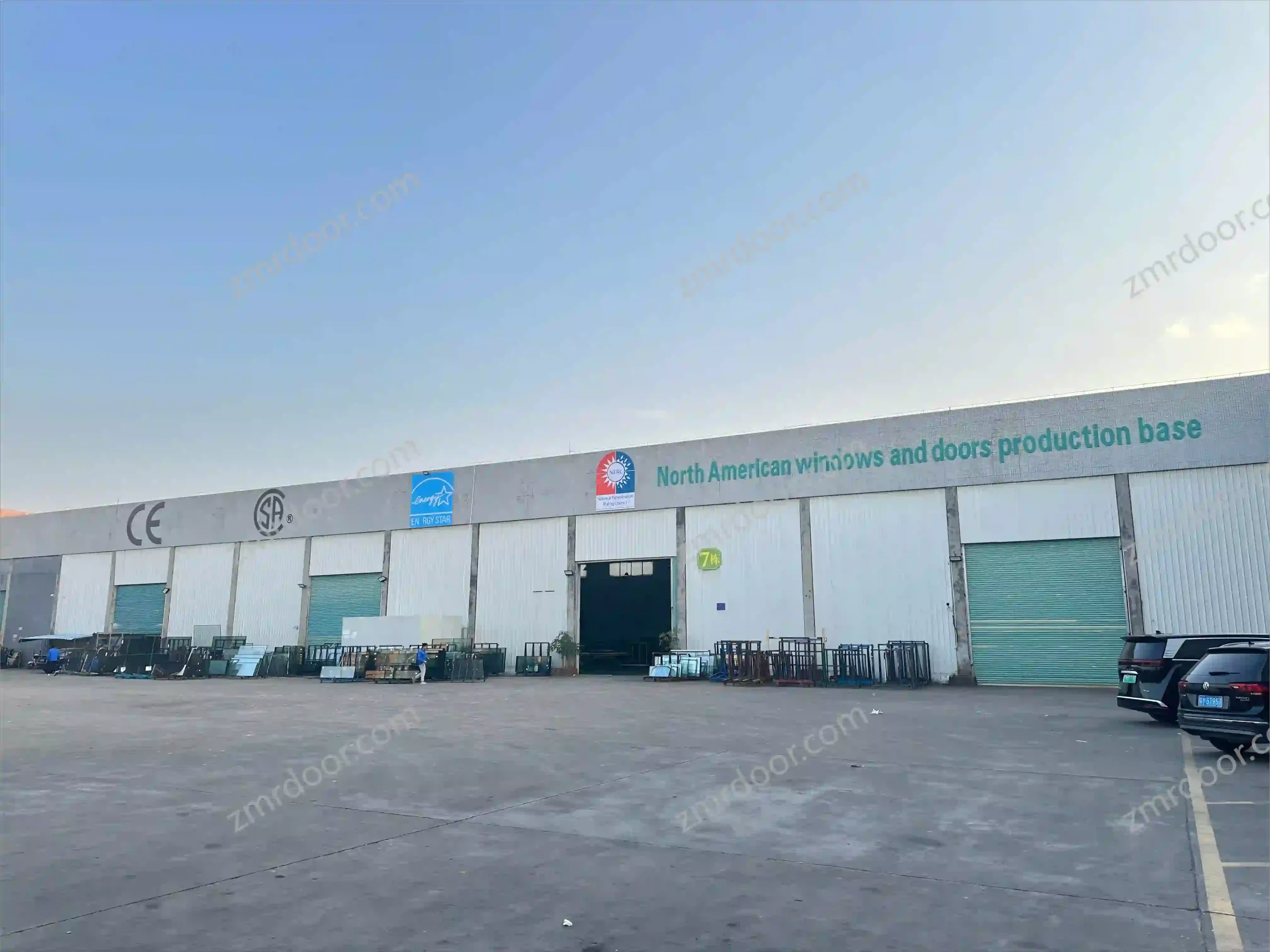
Industry Insights: High-Performance Architectural Envelope Engineering
A definitive guide for real estate developers, structural engineers, general contractors, and global building product importers evaluating premium Chinese aluminum bulkhead door systems, thermal break structures, and custom fenestration solutions.
In modern commercial, residential, and industrial construction, structural fenestration systems are no longer merely aesthetic partitions; they serve as critical thermal barriers, wind-load resistance shields, and security envelopes. The market demand for marine-grade, heavy-duty aluminum bulkhead doors and advanced thermal-break sliding doors has surged globally. As international building codes mandate stringent U-factors, high acoustic performance (STC ratings), and enhanced structural integrity, choosing an qualified OEM/ODM factory in Foshan, China—the world’s premier architectural aluminum fabrication hub—becomes a strategic procurement objective.
This technical whitepaper analyzes the structural engineering parameters, alloy metallurgy (6063-T5 vs. 6063-T6), structural glazing integration, and global compliance standards (AS2047, NFRC, CE, EN 14351-1) essential for sourcing factory-direct aluminum bulkhead and interior/exterior architectural doors.
Featured Aluminum Door & Window Engineering Solutions
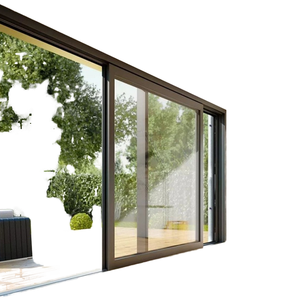
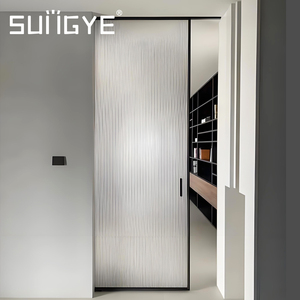
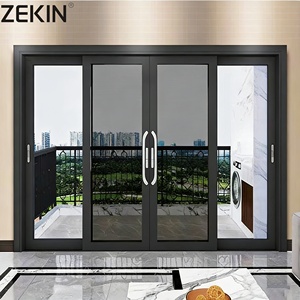
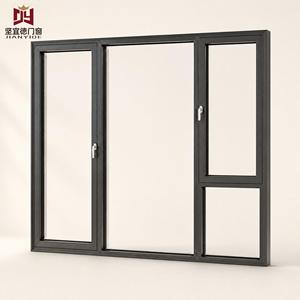
Precision-fabricated architectural systems designed for international residential, commercial, and marine bulkhead applications.
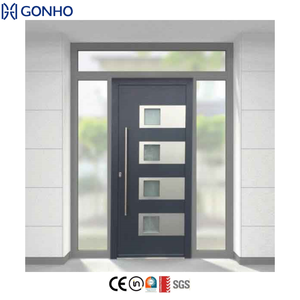
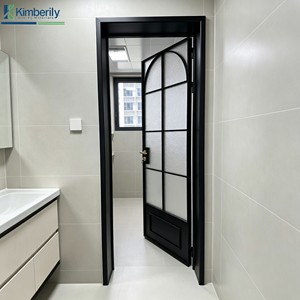
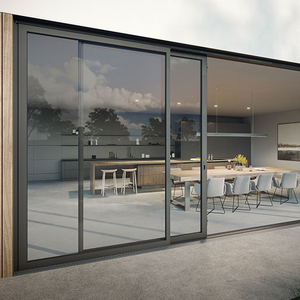
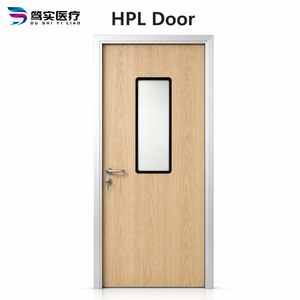
Factory Fabrication Benchmarks & Performance Metrics
Engineered for extreme structural durability, environmental tightness, and architectural customization.
Structural Engineering of Aluminum Bulkhead Doors & Heavy-Duty Envelopes
Aluminum bulkhead doors are specialized architectural components designed for heavy-traffic exterior access, basement/cellar enclosures, coastal structural access points, and utility vaults. Unlike standard interior doors, aluminum bulkhead assemblies must resist hydrostatic water pressure, extreme wind loads, severe corrosion, and mechanical stress while offering effortless operation.
The manufacturing process begins with high-grade extrusion billets composed of Aluminium Alloy 6063-T5 or 6063-T6. Alloy 6063 provides an optimal ratio of tensile strength to corrosion resistance. T6 heat-treating yields an ultimate tensile strength of at least 205 MPa (30,000 psi) and yield strength of 170 MPa (25,000 psi), ensuring that bulkhead frames maintain their geometry under high structural loads without permanent deformation.
Thermal Break Technology & Energy Efficiency Optimization
In high-latitude regions or extreme climates, standard solid aluminum profiles act as thermal bridges, conducting heat out of the building envelope in winter and into the interior during summer. To eliminate condensation and meet strict energy codes (such as ASHRAE 90.1 or European NFRC guidelines), modern aluminum bulkhead doors and heavy-duty doors utilize Polyamide (PA66-GF25) thermal barrier strips.
These glass-fiber reinforced polyamide strips mechanically lock the exterior and interior extruded profiles together while reducing structural heat conductivity. Combined with double or triple-pane Insulated Glass Units (IGUs) incorporating Argon gas fills and Low-Emissivity (Low-E) coatings, thermal-break door assemblies achieve U-factors as low as 1.2 to 1.8 W/m²K, substantially reducing HVAC operational energy consumption.
Strategic Sourcing & Future Industry Trends (2025–2030)
How architectural fenestration procurement is evolving towards carbon-neutral production, smart access integration, and ultra-slim sightlines.
1. Decarbonization and Recycled Aluminum Content
Global architectural specifications increasingly require Environmental Product Declarations (EPDs) and low-carbon materials. Chinese leading aluminum factories are transitioning to "Green Aluminum" smelted using hydroelectric power, utilizing up to 75% recycled scrap aluminum without compromising alloy structural integrity. Sourcing low-carbon aluminum bulkhead doors enables commercial projects to achieve LEED Gold or BREEAM Excellent certifications.
2. Ultra-Slim Sightlines with Structural Glass Integration
Modern architectural trends favor minimalist sightlines that maximize daylighting. Advanced structural bonding resins (such as Dow Corning structural silicones) allow narrow aluminum frames to utilize glass as a structural diaphragm. This enables oversized bulkhead panels and sliding stacker doors that maintain high wind resistance up to 5000 Pa while presenting frames under 20mm in visible width.
3. Smart Building Integration & Automated Pressure Seals
Bulkhead and heavy exterior doors are evolving into smart building nodes. Future-proof procurement demands doors embedded with motorized multi-point latches, biometric access control, and automated pneumatic or mechanical drop-down weather seals. These elements interface with Building Management Systems (BMS) for real-time security reporting and HVAC airflow optimization.
Engineering Specifications & Structural Parameters
Technical comparison guide for architectural specification writing and procurement verification.
| System Type | Alloy Grade & Thickness | Thermal Break Spec | Acoustic Rating (STC) | Target Application |
|---|---|---|---|---|
| Heavy Bulkhead Access Door | 6063-T6 / 2.5mm - 3.0mm | PA66 GF25 (24mm Strip) | 38 dB - 42 dB | Basement Vaults, Marine Access, Exterior Utilities |
| Narrow Frame Pocket / Sliding Door | 6063-T5 / 1.4mm - 2.0mm | Optional / Standard Frame | 30 dB - 35 dB | Interior Partitions, Hidden Wall Enclosures |
| AS2047 Stacker / Sliding Door | 6063-T5 / 2.0mm - 2.2mm | PA66 Insulation Barrier | 35 dB - 40 dB | Commercial Patio Envelopes, Exterior Patios |
| HPL Honeycomb Core Swing Door | Aluminum Honeycomb + HPL | Non-Thermal / Core Isolated | 32 dB - 36 dB | Cleanrooms, Hospitals, Fire-Resistant Interior Zones |
| Thermal Break Villa Casement | 6063-T6 / 1.8mm - 2.0mm | Multi-Chamber PA66 (34mm) | 40 dB - 45 dB | High-End Residential Envelopes, Coastal Villas |
Why Partner with Foshan OEM/ODM Manufacturing Leaders
End-to-end engineering support, certified quality assurance, and global export packaging.
Frequently Asked Questions for B2B Procurement
Addressing key technical, logistical, and customization queries from international building buyers.
Our engineering team generates comprehensive CAD shop drawings detailing profile cross-sections, structural wall thicknesses, thermal break dimensions, hardware positioning, and installation anchor points. Upon request, we provide wind-load deflection calculations and thermal performance modeling based on your local building code requirements.
Our heavy-duty exterior bulkhead doors feature stepped threshold designs with continuous multi-layer EPDM compression seals and integrated interior drainage channels. Under standard testing (ASTM E331 / EN 12208), our sealed assemblies withstand static water pressure tests up to 700 Pa without leakage.
Yes. We offer electrostatic powder coating (AkzoNobel or PPG powders) compliant with AAMA 2604/2605 standards, PVDF fluorocarbon coatings for marine environments, anodized finishes (15 to 25+ microns), and realistic wood-grain thermal transfer finishes to meet exact project design guidelines.
Our products are engineered and tested to comply with Australian AS2047/AS1288 standards, North American NFRC and CSA configurations, European CE marking (EN 14351-1), and ISO 9001 quality control management systems. Testing documentation can be provided during project quotation.
Standard production lead times are 25 to 35 days following shop drawing confirmation and deposit receipt. We maximize container volume utilizing custom-built vertical A-frames or reinforced crate loading to ensure zero damage during sea transportation.
Accelerate Your Project Sourcing with Engineering Precision
Send your window schedules, architectural elevations, or door specifications directly to our Foshan engineering team for a competitive factory-direct quote and technical review.
Get a Quote