Featured Architectural Windows & Doors Series
Engineered for extreme structural loads, superior thermal efficiency (U-factor ≤ 1.1 W/m²K), and seamless indoor-outdoor transitions. Standardized for international architectural export.
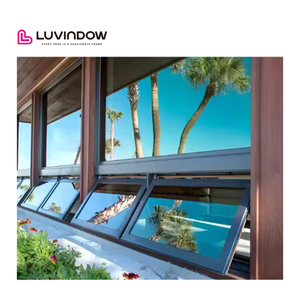
Luvindow AS 2047 Customized Folding Glass Thermal Break Awning Window
Certified to AS 2047 Australian standard, featuring high-grade PA66 thermal insulation strips, concealed drainage channels, and customized folding sash operation for modern residential homes.
Contact Us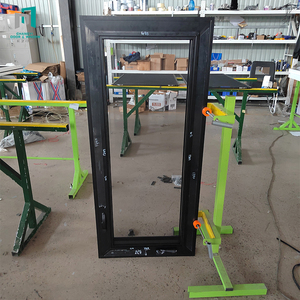
Triple Glazed Soundproof Aluminum Crank Awning & Fixed Window System
Heavy-duty soundproof architectural system with triple-pane insulated Low-E glass units, magnetic fiberglass insect screen, and precision manual crank opening mechanisms.
Contact Us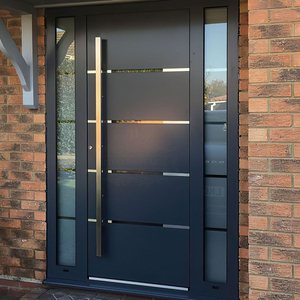
Luxury Modern Anti-Theft Outdoor Exterior Villa Aluminum Entry Front Door
High-security structural aluminum entrance door integrated with multi-point smart biometric locking systems, anti-pry frame reinforcing, and architectural powder-coated weather finishes.
Contact Us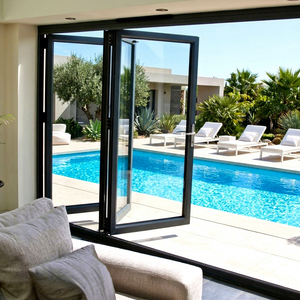
Double Glazing Hurricane Impact Bi-folding Aluminum Patio Folding Door
Engineered for extreme weather zones, featuring PVB laminated hurricane impact glass, heavy-duty stainless steel top-hung rollers, and weather-sealed flush threshold tracks.
Contact Us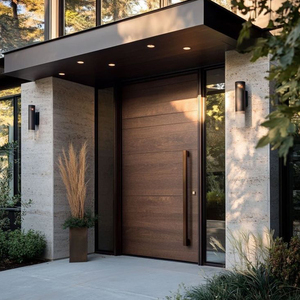
OUNA Commercial Modern Fireproof Solid Aluminum Finished Exterior Doors
Fire-rated aluminum composite interior and exterior entryway doors designed for commercial multi-family residential apartments, featuring acoustic infill cores and heavy-duty hardware.
Contact Us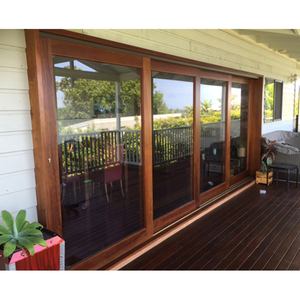
Aluminum Clad Timber Lift & Slide Glass Door Double Glazed Patio System
Premium hybrid structural design combining rich interior natural wood aesthetics with exterior maintenance-free extrusion aluminum cladding. Effortless lift-and-slide operation for wide spans.
Contact Us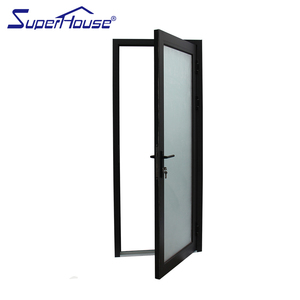
Commercial Heavy-Duty Aluminum Storm Swing Door with Double Tempered Glass
High-traffic commercial storefront door engineered for high wind pressures, utilizing dual-perimeter EPDM gasket seals, heavy-duty hydraulic door closers, and impact-resistant tempered safety glass.
Contact Us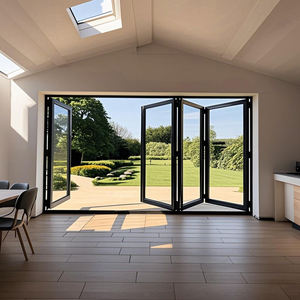
Bulk Engineering Aluminum Folding Door System with Multi-Splicing Hardcover
Modular architectural folding door series designed for rapid jobsite installation in residential courtyards and master suites. Features custom anodized or fluorocarbon powder coatings.
Contact UsWhy Global Importers & Builders Partner with Foshan VELTOR
Located in Foshan, Guangdong—the world’s premiere architectural aluminum processing capital—Veltor Window & Door Co., Ltd. bridges high-precision Chinese manufacturing with international building standards.
Integrated Foshan Ecosystem
Direct factory control over 6063-T5/T6 billet extrusion, AkzoNobel powder coating, and specialized insulated glass assembly ensures complete quality traceability and reduced lead times.
Bespoke Structural Engineering
Our in-house facade engineers transform architectural BIM models and architectural CAD files into detailed factory shop drawings, eliminating jobsite fitment errors prior to extrusion cutting.
Rigorous Pre-Shipment Testing
Every sash undergoes structural deflection testing, water tightness under simulated driving rain, air infiltration measurement, and hardware cycle verification before export packaging.
Export-Grade Heavy Duty Packaging
Finished units are wrapped with protective film, fitted with impact-resistant corner guards, and packed inside fully enclosed fumigated plywood crates tagged by building floor and opening numbers.
Comprehensive Engineering Guide to Architectural Aluminium Tilt Turn Windows
In modern high-performance building envelopes, the Aluminium Tilt Turn Window represents the apex of dual-function fenestration engineering. Originating in European architectural practice and refined through advanced Chinese extrusion technology, tilt-turn systems operate via a single multi-point perimeter gear handle. Rotating the handle 90 degrees allows the sash to swing inward like a traditional casement for complete clear openings and effortless glass maintenance. Rotating the handle 180 degrees tilts the top of the sash inward by approximately 100mm to 150mm, delivering draft-free, secure micro-ventilation that remains effective even during inclement weather.
Information Gain Key Insight: Unlike traditional residential sliding windows that rely on brush seals prone to friction wear, aluminum tilt turn windows utilize continuous multi-layer EPDM (Ethylene Propylene Diene Monomer) compression gaskets. When locked, internal corner drive gears pull the sash tightly against the frame rim, establishing an airtight and watertight seal capable of meeting strict passive house standards (Passivhaus Institut certified design).
1. Anatomic Engineering & Material Specifications
Achieving superior structural integrity and thermal resistance requires precise material selection across four foundational component layers:
A. Extruded Aluminium Substrate (6063-T5 vs 6063-T6): Premium Chinese export manufacturers utilize primary virgin aluminum billets. Profile wall thickness for heavy-duty architectural windows must strictly adhere to ≥1.8mm for residential applications and ≥2.0mm to 3.0mm for commercial curtain wall integrations, exceeding ASTM B221 specifications.
B. Thermal Barrier Integration (Polyamide PA66-GF25): Thermal conductivity in raw aluminum is exceptionally high (~200 W/mK). To prevent thermal bridging, profile systems incorporate dual polyamide insulating strips reinforced with 25% glass fiber (PA66-GF25). Advanced profiles feature multi-cavity thermal breaks injected with expanded polyolefin (PE) foams, reducing frame thermal transmittance (Uf) below 1.3 W/m²K.
C. High-Performance Insulated Glazing Units (IGU): Thermal performance is largely dictated by the glass build-up. Configurations range from double-glazed units (6mm Tempered + 16Ar + 6mm Low-E) to triple-glazed warm-edge systems (6mm Low-E + 12Ar + 6mm Float + 12Ar + 6mm Low-E). Argon gas filling (≥90% concentration) combined with stainless steel or composite warm-edge spacers significantly suppresses edge-of-glass thermal condensation.
D. European Concealed Hardware Machinery: The operation of tilt-turn systems relies heavily on perimeter multi-point locking gear sets (drive gear, corner transmission, stay arms, and adjustable mushroom cams). Sourcing premium hardware brands—such as SIEGENIA, ROTO Frank, HOPPE, or high-tier engineered domestic hardware—ensures sash weight support up to 300kg and over 50,000 operational cycles without structural sag.
2. Comparative Matrix: Fenestration Systems Performance Evaluation
When specifying window packages for international residential projects, architects and procurement managers must weigh structural performance against budget constraints. Below is a comparative performance evaluation based on standardized testing parameters:
| Window System Type | Thermal Transmittance (U-Value W/m²K) | Air Permeability (EN 12207 Standard) | Water Tightness (EN 12208 Rating) | Acoustic Insulation (STC Rating) | Max Wind Load (Pa) |
|---|---|---|---|---|---|
| Thermal Break Tilt & Turn | 0.8 – 1.4 (Ultra High) | Class 4 (Tightest Seal) | Class E1050 (1050 Pa) | 42 – 48 dB (Superior) | ≥ 5000 Pa |
| Thermal Break Outward Casement | 1.2 – 1.8 (High) | Class 4 (Tight Seal) | Class 9A (600 Pa) | 38 – 42 dB (High) | 4000 Pa |
| Lift & Slide Heavy System | 1.5 – 2.2 (Moderate) | Class 3 (Good) | Class 7A (300 Pa) | 32 – 36 dB (Moderate) | 3500 Pa |
| Standard Horizontal Slider | 2.4 – 3.5 (Basic) | Class 2 (Basic) | Class 3A (150 Pa) | 26 – 30 dB (Low) | 2000 Pa |
3. Future Global Procurement Trends in Aluminum Fenestration (2025–2030)
As global building energy codes tighten, such as Europe's Energy Performance of Buildings Directive (EPBD) and North America's expanded Energy Star v7.0 guidelines, international commercial buyers are shifting procurement strategies when sourcing from Chinese factories:
Trend 1: Decarbonization & Low-Carbon Aluminum Sourcing: Global real estate developers are demanding transparency in embodied carbon. Premier Chinese exporters now provide Environmental Product Declarations (EPD), utilizing aluminum extruded with hydroelectric or recycled scrap power to ensure low-carbon footprint compliance.
Trend 2: Ultra-Narrow Sightline Minimalist Engineering: Architectural aesthetics favor maximum daylighting. Next-generation tilt-turn profiles merge outer frame and sash profiles to create ultra-slim sightlines (≤ 50mm visible profile face), embedding frame structures directly into exterior wall insulation layers while maintaining high structural wind ratings.
Trend 3: Smart Building Automation & Concealed Motorization: Commercial high-rise developments are increasingly adopting motorized tilt-turn mechanisms linked to central Building Management Systems (BMS). Integrated chain actuators enable automated night-purge cooling and automatic sash closure upon wind or rain sensor activation.
Trend 4: Pre-Engineered Unitized Export Packages: To mitigate escalating jobsite labor costs in North America, Australia, and Western Europe, buyers are shifting from knock-down (KD) assembly toward factory-glazed, fully tested fenestration modules tagged with localized installation brackets and protective shipping armor.
4. Technological Innovations Driving Product Development
The continuous evolution of Chinese aluminum tilt-turn manufacturing incorporates advanced materials science and automated CNC processing:
- Laser-Welded Corner Joint Technology: Replacing mechanical corner cleats with seamless robotic laser welding eliminates frame joint hairline cracking, enhancing frame torsional strength and water resistance.
- Multi-Layer Co-Extruded EPDM Gaskets: Utilizing dual-durometer EPDM gaskets featuring a rigid base for secure channel retention and a soft sponge-rubber foam bulb for effortless compression sealing.
- Nano-Ceramic Fluorocarbon Surface Treatments: Providing exceptional resistance to coastal salt spray corrosion (≥3000 hours neutral salt spray test compliance) and extreme solar UV degradation.
Frequently Asked Questions for B2B Procurement
Direct technical and commercial answers designed for architects, real estate developers, building contractors, and window importers sourcing from China.
Ready to Engineer Your Architectural Window Package?
Connect directly with Foshan VELTOR’s Senior Engineering Team for comprehensive shop drawing reviews, structural wind load analysis, and competitive factory-direct pricing for your project.
Contact Us