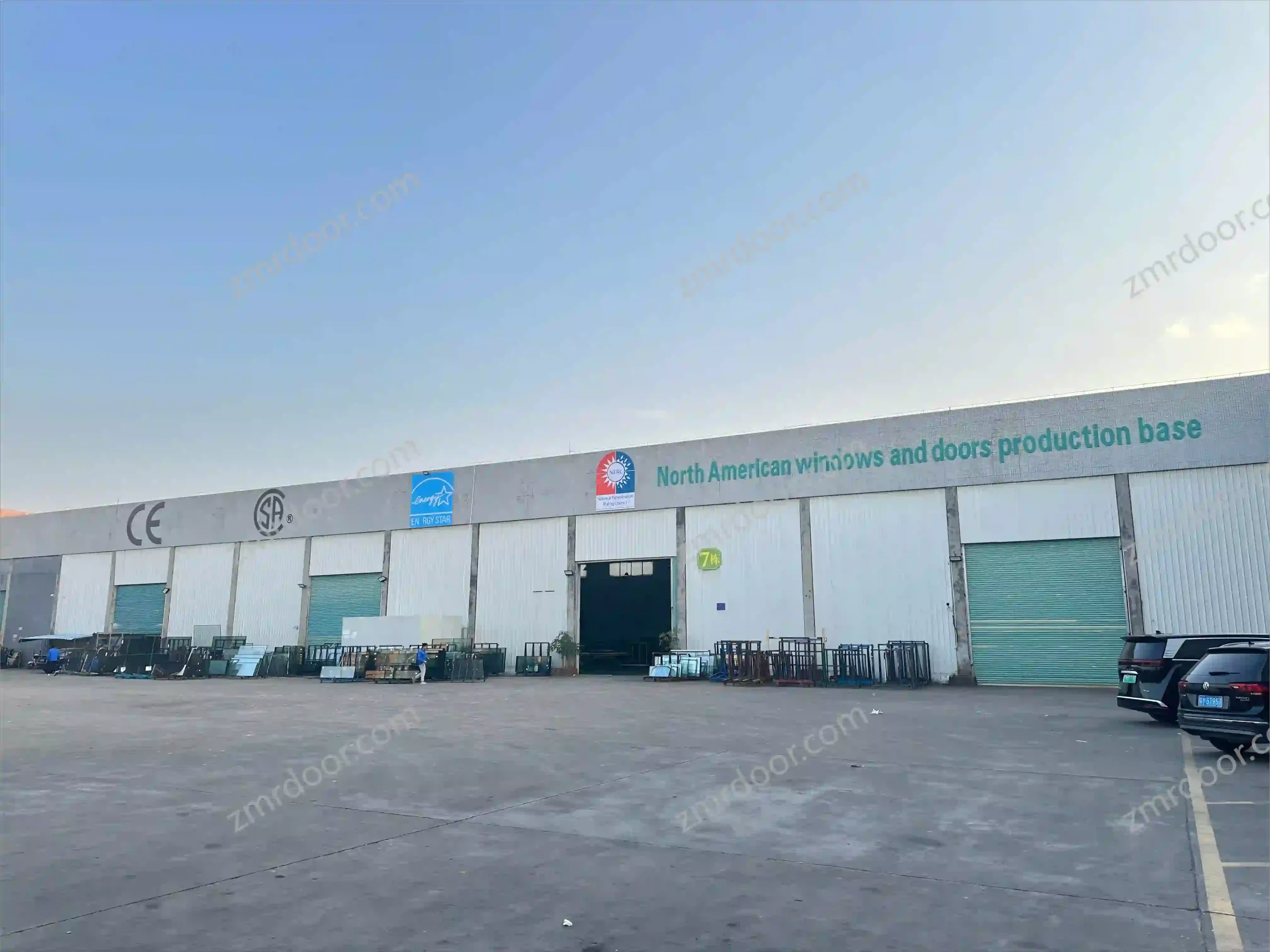
Engineering Product Showcase
Direct Factory Architectural Aluminum Windows, Sliding Security Mesh Doors & High-Performance Fenestration Systems
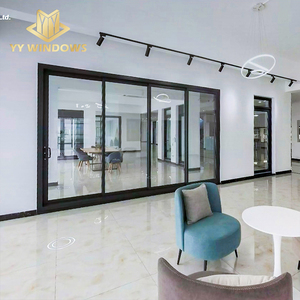
NFRC Certification Soundproof Interior Dividers Aluminum Glass Sliding Doors with Screen
Inquire Now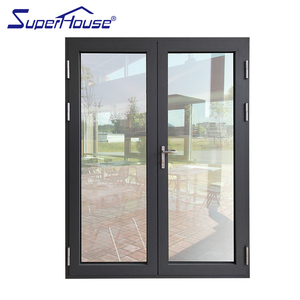
Design Waterproof Aluminium Double Glazing French Double Entry Storm Doors AS2047 Standard
Inquire Now
Customized Aluminium Casement Doors Interior Double Metal Frame Glass French Door
Inquire Now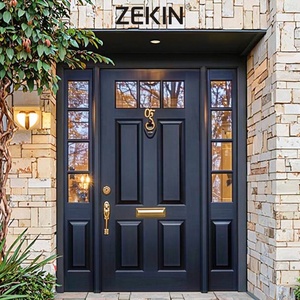
America Standards Fire Prevention Aluminum Alloy Security Door Front Pivot Entry Doors
Inquire Now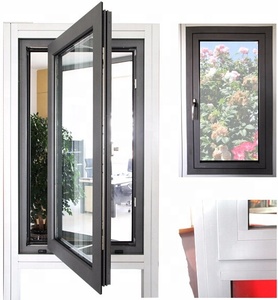
Australia Standard Commercial Aluminium Windows Double Tempered Glazed with Fly Screen
Inquire Now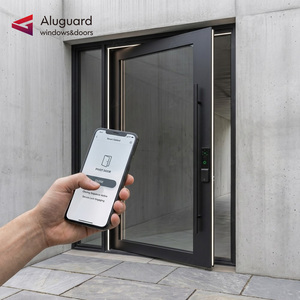
Smart Control Thermal Break Pivot Door Security System Double Glazed Entrance Door
Inquire Now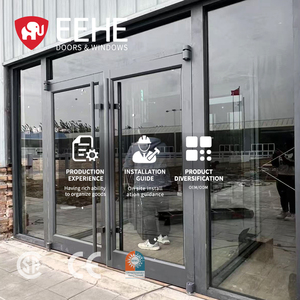
Storefront Door Modern Heavy Duty Aluminum Energy Efficient Slim Frame Commercial Door
Inquire Now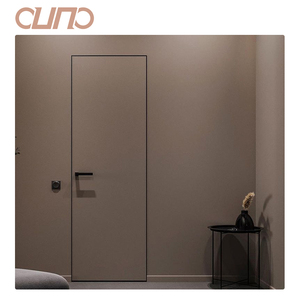
All-Aluminum Interior Soundproof and Moisture-Proof Aluminum Honeycomb Pure Aluminum Door
Inquire NowExecutive Sourcing Report: Navigating China’s Aluminium Sliding Mesh Door Manufacturing Landscape
In contemporary architectural design, the demand for aluminium sliding mesh doors (frequently designated as security screen doors, fly-screen sliding doors, or mesh integrated patio systems) has transitioned from decorative pest barrier applications to critical structural envelope elements. Commercial buyers, real estate developers, window importers, and general contractors facing stringent local energy efficiency standards and security regulations require a granular understanding of profile extrusion engineering, structural mesh weaving science, thermal performance optimization, and international trade compliance.
As China’s architectural aluminium manufacturing hub—anchored primarily in the Foshan industrial corridor of Guangdong Province—solidifies its position as the premier global fenestration supplier, foreign buyers must look beyond fundamental pricing. Achieving high commercial ROI and long-term project longevity demands an in-depth evaluation of primary profile alloys, hardware endurance, powder-coating weatherability, structural mesh shear resistance, and factory QA standard operating procedures.
Security & Impact Mesh
Integration of 0.8mm–1.0mm 304/316 woven stainless steel mesh passing knife-shear and dynamic impact testing protocols.
Thermal Break Integration
Polyamide (PA66GF25) thermal barrier strips preventing heat bridge transmission while housing high-tension fly screens.
Multi-Track Engineering
Precision 2-track, 3-track, and concealed flush-sill configurations utilizing stainless steel heavy-duty tandem rollers.
Material Science & Engineering Specifications of Security Mesh Sliding Doors
An aluminium sliding mesh door’s operational life and protective rating stem directly from its bill of materials (BOM). Premier Chinese factories utilize advanced profile geometry engineered to withstand localized wind pressure while accommodating multi-layer mesh and insulated glass units (IGU).
1. Aluminum Profile Alloys and Tempering
Top-tier manufacturing facilities mandate the exclusive use of virgin 6063-T5 or 6063-T6 aluminum extrusion billets. Unlike recycled alloy scrap which introduces microscopic impurities leading to structural brittleness, virgin 6063 alloy offers optimized tensile strength (minimum 160 MPa for T5, 205 MPa for T6) and exceptional surface flatness necessary for seamless powder coating and anodizing.
2. Mesh Technology: Woven Stainless Steel vs. High-Definition Aluminum Screen
The choice of insect and security screening dictates both airflow efficiency and structural resistance:
- Security Grade (Crimsafe/Security Screen Compatible): Employs 0.7mm to 1.0mm diameter 304 or 316 marine-grade stainless steel wire woven into high-density 11-mesh or 14-mesh matrices. The wire receives a electrostatically applied black powder coat for anti-glare visual clarity and extreme salt-spray corrosion resistance.
- High-Definition Insect Mesh (Micro-Mesh): Utilizes fine-gauge aluminum alloy or high-tensile fiberglass coated in PVC (18x16 mesh count), prioritized for maximum light transmission and micro-insect exclusion in low-impact residential zones.
Technical Note on Anti-Corrosion (Salt-Spray Resistance)
For coastal and tropical export destinations (e.g., Florida, Australia, Gulf Coast), specifying 316-grade stainless mesh paired with AkzoNobel or Jotun fluorocarbon (PVDF) profile powder coatings guarantees resistance exceeding 3,000 hours of continuous neutral salt spray testing (ASTM B117) without film blistering or edge creep.
Comparative System Matrix: Glass & Mesh Sliding Combinations
| System Configuration | Profile Depth | Screen/Mesh Type | Thermal Break | Acoustic Rating (STC) | Ideal Application |
|---|---|---|---|---|---|
| Slim-Frame Double Slider + Integrated Mesh | 100mm – 120mm | 0.8mm 304 Stainless Mesh | Optional (PA66 Strip) | 32 – 36 dB | Urban Residential Patios & Balconies |
| Heavy-Duty Lift & Slide + Security Screen | 160mm – 200mm | 1.0mm 316 Stainless Mesh | Standard PA66GF25 | 38 – 42 dB | Luxury Coastal Villas & High-Wind Zones |
| Triple-Track Monorail Slider with Fly Screen | 135mm – 150mm | 0.25mm High-Clear Fine Mesh | Non-Thermal / Thermal | 28 – 34 dB | Commercial Resorts & Hospitality Outer Walls |
| Flush-Sill Barrier Free Mesh Door | 90mm – 110mm | Pleated Retractable / Fixed Mesh | Thermal Break System | 30 – 35 dB | Accessible Living & Indoor-Outdoor Transition |
Future Sourcing Trends for Aluminium Sliding Mesh Doors (2025–2030)
As global building codes evolve toward net-zero carbon metrics and enhanced structural resilience, international procurement directors must align with Chinese manufacturing partners who actively innovate in the following key directions:
1. Decarbonization and Recycled Low-Carbon Aluminum Extrusion
Driven by the European Union’s Carbon Border Adjustment Mechanism (CBAM) and North American ESG mandates, leading Chinese factories are adopting hydro-powered aluminum billets. Sourcing profile systems with verified Environmental Product Declarations (EPDs) ensures compliance with global supply chain carbon tracing.
2. Integrated Smart Motorization and Invisible Security Sensors
The convergence of modern fenestration and smart home automation has led to the development of motorized heavy-duty sliding mesh panels. Incorporating brushless DC motors, magnetic drive channels, dynamic obstacle sensing, and embedded intrusion alarm pins within the multi-point locking gear directly meets high-end smart villa intent.
3. Extreme Weather & Bushfire Protection (BAL Ratings & Impact Mesh)
Climate volatility has expanded demand for bushfire-resistant screens (such as Australia’s BAL-40 and BAL-FZ requirements) and hurricane-impact structural mesh systems. Chinese manufacturers are increasingly certifying custom assembly designs against ASTM E1886/E1996 large-missile impact criteria to supply hurricane zones across Florida and the Caribbean.
Key Advantages of Sourcing from Foshan Manufacturers (VELTOR Factory Benchmark)
Evaluating factory quality requires assessing their technical infrastructure and Quality Control (QC) standards. Partnering with a premier supplier like VELTOR Window & Door Co., Ltd. provides clear operational advantages:
Full-Chain Cluster Synergy
Situated in Shishan Town, Foshan, accessing world-class raw aluminum extruders, specialized glass tempering plants, and hardware casting facilities within a 15-mile radius.
Bespoke BIM & CAD Engineering
In-house technical teams convert structural building drawings into precise fabrication shop drawings, ensuring zero-error jobsite installation.
Export-Safe Heavy Duty Crating
Utilization of fully enclosed plywood crates, protective corner guards, moisture barrier wrapping, and opening-number labeling for site logistics efficiency.
Comprehensive Procurement FAQ: Addressing Buyer Technical Intent
Strategic Procurement Action Plan for B2B Buyers
To streamline your purchasing process and guarantee structural compliance, follow this step-by-step checklist when engaging with prospective manufacturing partners in China:
- Step 1: Provide Opening Schedules & Wind Load Requirements: Submit complete elevation drawings, site climate conditions, and target performance values (water resistance, acoustic rating, U-factor).
- Step 2: Request Profile Cross-Section CADs: Examine profile wall thickness (ensure structural frames meet minimum 1.4mm for windows, 2.0mm for heavy-duty doors).
- Step 3: Specify Hardware & Lock Brands: Verify whether multi-point lock systems use recognized international hardware (CMECH, Hoppe, Siegenia) or top-tier domestic brands (Kersen, Kin Long).
- Step 4: Authorize Pre-Shipment Inspection (PSI): Ensure your agreement includes factory live video inspection or third-party QC audit (SGS/TÜV) before final container sealing.