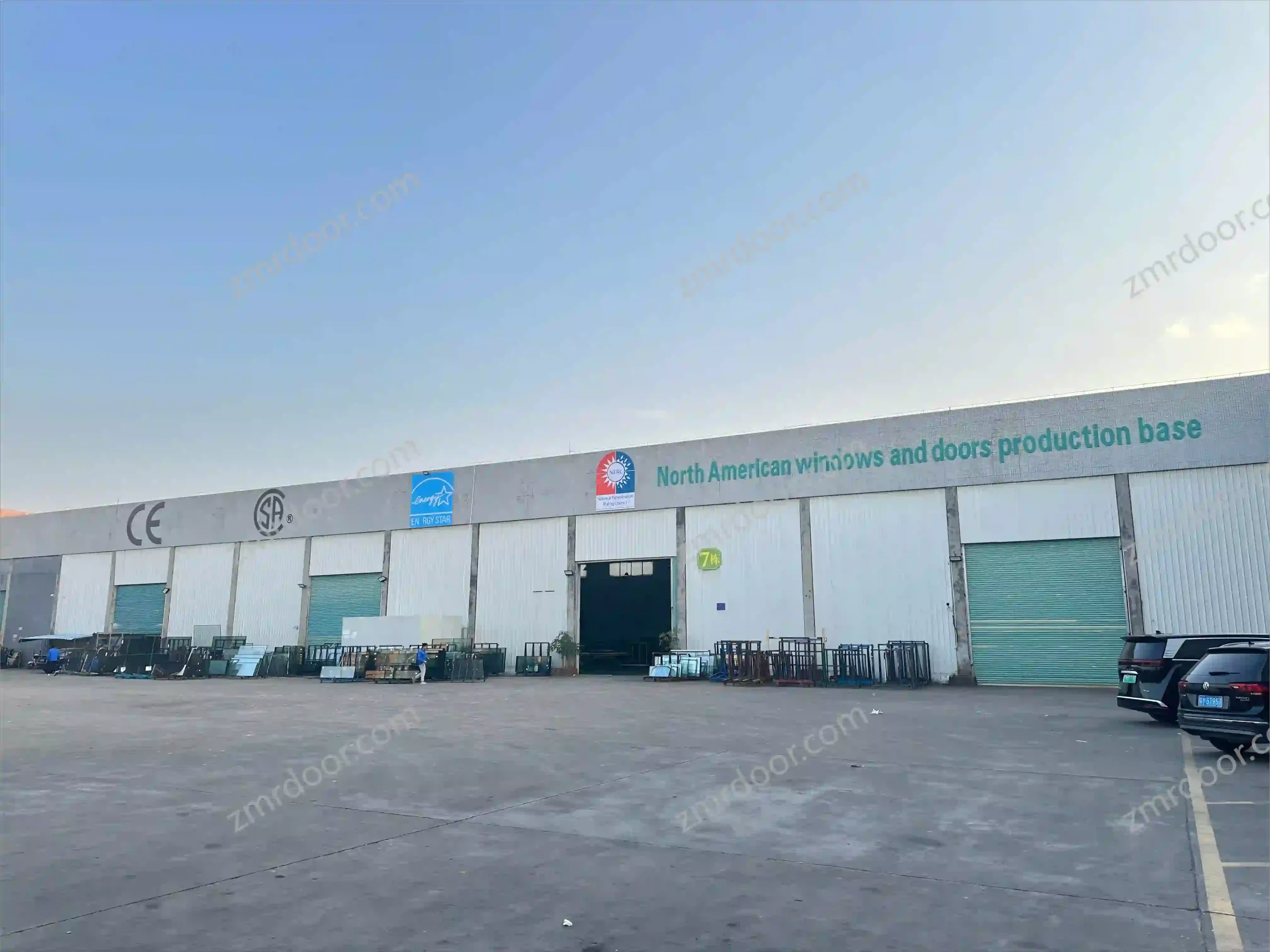
Featured Window & Door Systems for Global Projects
Engineered to pass rigorous NFRC, AS2047, CE, and CSA fenestration standards. Explore our high-performance architectural systems custom-fabricated in Foshan, China.
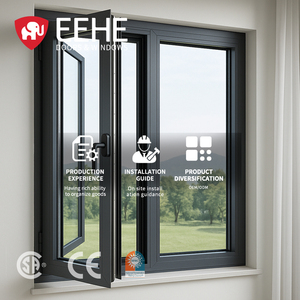
EEHE Modern Arched Thermal Insulation Casement Windows Aluminum NFRC Certified Double Glazed Soundproof Swing Windows for Villa
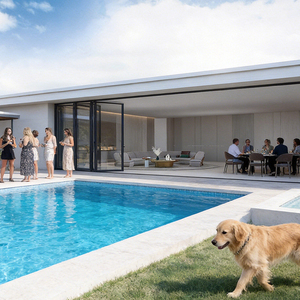
Best Replacement Soundproof Aluminum Glass Folding/ Bifold/ Bi Folding/ Accordion Bi-fold Patio Doors
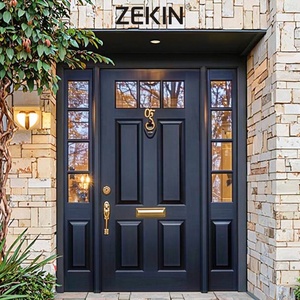
Customized America Standards Fire Prevention Aluminum Alloy Security Door Front Pivot Entry Doors Aluminum Entrance Door
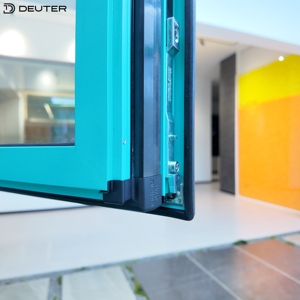
Zero-Sharp Edge Corner Aluminum Tilt & Turn Windows 2.0mm Flush Frame Triple Sealing Storm-Proof Multi-family Housing Projects
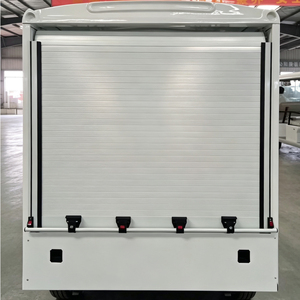
Factory Directly Wholesale Durable Aluminum Roller Shutter Door For Fire Trucks
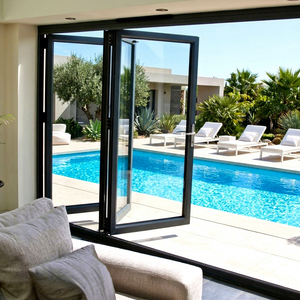
Double Glazing Hurricane Impact Bi-folding Aluminum Patio Folding Door For Residential
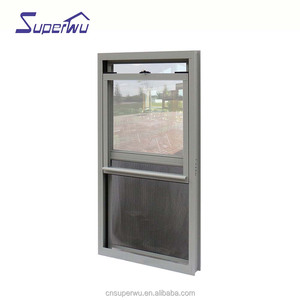
Aluminum Single Hung windows Double Glazed Dust Proof Window With Flyscreen
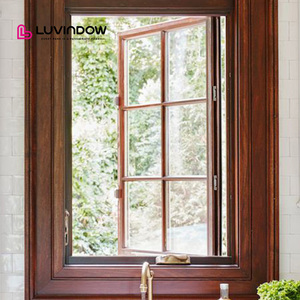
Luvindow Premium Aluminum Clad Wood Windows for Houses Double Tempered Glass Heat Insulated Crank Open Wooden Windows
Architectural Engineering of Modern Aluminium Sash Windows
Understanding the material science, mechanical balance mechanisms, and thermal break integration that elevate Chinese architectural fenestration for global commercial and residential projects.
1. The Evolution of Architectural Sash Fenestration
Historically crafted from timber, the traditional vertical sliding sash window has undergone a radical engineering revolution. While classic wooden sashes suffered from rot, warping, draftiness, and labor-intensive maintenance, modern Aluminium Sash Windows engineered in Foshan, China combine heritage visual proportions with space-age metallurgical performance. By deploying high-tensile 6063-T5 and 6063-T6 architectural aluminum alloy extrusions, Chinese suppliers deliver sash windows capable of spanning immense rough openings while maintaining hairline structural sightlines.
Whether specified for historical preservation projects in North America or contemporary multi-family developments in Australia, modern aluminium sashes incorporate dual-sash vertical motion (double-hung) or single-sash operation (single-hung) powered by precision-calibrated heavy-duty spiral balances or constant-force spring balances. This mechanical refinement replaces cumbersome cast-iron counterweights and cotton cords, providing effortless fingertip operation even for triple-glazed units weighing over 80 kilograms per sash.
Key Engineering Advantage: Polyamide Thermal Break Technology
Standard aluminum extrusions exhibit high thermal conductivity. Premier Chinese manufacturers integrate PA66-GF25 (Polyamide 66 reinforced with 25% glass fiber) structural thermal barrier strips. This creates an isolated thermal bridge between interior and exterior aluminum profiles, reducing frame U-factors to as low as 1.2 W/m²K when combined with warm-edge insulated glass units (IGUs).
2. Structural Integrity & Storm Resistance
Global procurement directors must evaluate wind load resistance (Design Pressure rating) and water penetration thresholds. Export-grade aluminium sash windows manufactured by Veltor Window & Door utilize heavy wall profile extrusion thicknesses ranging from 1.4mm to 2.0mm, engineered with internal corner keys and pneumatic corner crimping technology.
For coastal deployment in hurricane-prone zones (such as Florida, the Caribbean, or Australia's Cyclonic Regions), windows are fortified with SentryGlas® (SGP) or PVB laminated impact glass and heavy-duty interlockers. When subject to high structural wind pressures (up to 4500 Pa), these reinforced sashes flex within elastic limits without permanent deflection, ensuring building envelope integrity during severe storm events.
Future Procurement Trends in Global Aluminium Fenestration
How evolving international energy codes, decarbonization mandates, and supply chain digitalization are reshaping B2B window procurement from China.
1. Net-Zero & Passivhaus Carbon Mandates
Global building regulations (such as Europe's EPBD and North America's updated Energy Star v7.0) are driving unprecedented demand for ultra-low U-factor windows. B2B importers are prioritizing suppliers offering triple-pane glazing with double Low-E soft coatings, Argon gas fills (90%+ saturation), and warm-edge T-Spacer technology. The procurement shift favors Chinese manufacturers capable of supplying certified thermal break systems that achieve overall window U-values below 0.85 W/m²K.
2. Micro-Slim Sightlines & Concealed Hardware
Architectural preferences are leaning heavily toward ultra-narrow frame profiles and concealed vertical balance hardware. Modern sash window buyers demand flush frame profiles where the sash sits seamlessly within the outer frame, maximizing daylight opening areas while concealing tilt-in latch mechanisms. Modern powder-coating finishes like super-durable PVDF fluorocarbon coatings in custom RAL matte shades dominate high-end architectural orders.
3. BIM Digital Twin Integration & DfMA Direct Sourcing
Leading general contractors and developers no longer source via traditional middleman distributors. Instead, they require direct factory partnerships with Chinese OEMs who provide full Revit BIM objects, CAD shop drawings, and structural calculations prior to production. Design for Manufacture and Assembly (DfMA) enables custom-sized sash windows to arrive on-site pre-glazed, pre-drilled, and factory-labeled by opening number for fast plug-and-play installation.
Technological Evolution & Material Innovation
A comparative analysis of historical window manufacturing versus cutting-edge architectural aluminium engineering.
Quadruple EPDM Weather-Sealing
Eliminating air infiltration is critical for energy conservation. Modern sashes utilize continuous dual-durometer EPDM rubber gaskets combined with dense mohair weatherstripping on interlocks. This multi-stage sealing barrier achieves air permeability ratings under 0.1 CFM/ft², completely blocking dust, rain driven by 100 km/h winds, and ambient street noise.
Tilt-In Cleaning Mechanisms
High-rise commercial and multi-family residential projects demand low-maintenance operation. Advanced sash windows engineered in China feature dual quick-release tilt latches, allowing sashes to tilt inward 90 degrees. This enables safe, easy exterior glass cleaning from within the room, eliminating expensive exterior scaffold window washing services.
Qualicoat Powder Coating & Corrosion Resilience
Export fenestration destined for coastal zones (C5-M corrosive environments) undergoes rigorous surface pre-treatment followed by Qualicoat Class 2 or Class 3 electrostatic powder coating or PVDF 3-coat fluorocarbon spraying. This provides 25+ years of resistance against salt spray corrosion, UV chalking, and color fading.
B2B System Specification & Performance Matrix
Compare key engineering metrics across primary fenestration systems to select the optimal window type for your project climate.
| Window System Type | Thermal Transmittance (U-Value) | Acoustic Reduction (STC) | Design Pressure (DP Rating) | Optimal Project Application |
|---|---|---|---|---|
| Thermal Break Aluminium Sash (Single/Double Hung) | 1.2 – 1.6 W/m²K | 35 – 42 dB | DP50 – DP80 | Heritage Renovations, Multi-Family Residential, Coastal Villas |
| Architectural Casement Windows | 0.8 – 1.4 W/m²K | 38 – 45 dB | DP60 – DP100 | High-Rise Apartments, Extreme Cold Climates, Luxury Houses |
| Tilt & Turn Thermal Systems | 0.85 – 1.3 W/m²K | 40 – 48 dB | DP70 – DP90 | Commercial Offices, European Passivhaus Projects |
| Heavy Duty Lift & Slide Patio Doors | 1.4 – 1.8 W/m²K | 32 – 38 dB | DP45 – DP65 | Resort Patios, Open-Wall Panoramic Villa Extensions |
| Hurricane Impact Bi-Fold Doors | 1.5 – 2.0 W/m²K | 30 – 36 dB | DP50 – DP75 | Hospitality Venues, Restaurant Patios, Coastal Living |
Why Direct Importers Partner with Veltor Window & Door
Based in Nanhai District, Foshan—the epicenter of China's architectural aluminum industrial cluster—our factory bridges high-volume manufacturing efficiency with boutique structural customization.
Vertically Integrated Ecosystem
Located in Foshan, we tap into direct primary ingot extrusion mills, specialized anodizing factories, and world-class glass tempering plants. This localized supply network reduces material procurement lead times by 30% while maintaining absolute raw material traceability.
In-House CAD & Structural Engineering
Our multi-lingual engineering team translates complex architectural bid sets into shop drawings within 48 hours. We calculate wind load pressures, thermal expansion gaps, and glass stress indices to verify code compliance before cutting metal.
Export-Grade Heavy Duty Packaging
Windows are protected with anti-scratch PE film, heavy corner guards, vacuum glass suction wrapping, and fully enclosed plywood crates labeled with opening references. Zero maritime transit damage ensures smooth site progress.
Frequently Asked Questions by International Buyers
Clear, authoritative answers addressing real-world commercial concerns, technical standards, and container logistics.
Ready to Optimize Your Fenestration Procurement?
Send your architectural drawings, window schedules, or tender specifications directly to our engineering specialists. Receive detailed shop drawings, thermal calculations, and competitive factory-direct quotes within 24 hours.