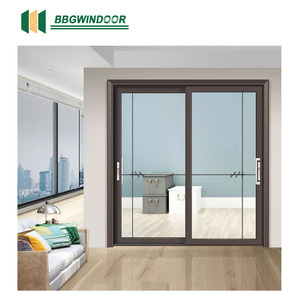
Architectural Engineering Overview: High-Performance Aluminum Lounge Door Systems
Modern architectural design increasingly demands seamless transitions between indoor living sanctuaries and exterior landscape environments. In high-end residential villas, commercial hospitality lounges, and coastal resort complexes, the selection of lounge door systems is no longer merely an aesthetic decision—it is a rigorous structural, thermal, and acoustic engineering problem. China has established itself as the global epicenter for precision aluminum profile extrusion, advanced surface treatment, and thermal-break window and door fabrication, centered predominantly in the Foshan industrial cluster of Guangdong Province.
When evaluating leading manufacturers of aluminum lounge doors in China, architectural specifiers, principal contractors, and international procurement agencies must look beyond surface aesthetics. True structural integrity relies on the chemical composition of the extrusion billet, the structural depth of the profile geometry, the mechanical shear resistance of thermal isolation strips, and the mechanical precision of heavy-duty hardware systems capable of handling panel weights exceeding 400 kilograms per leaf.
Key Engineering Insight: Premium aluminum lounge doors manufactured in China's top tier factories utilize primary 6063-T6 aluminum extrusion with profile wall thicknesses exceeding ASTM B221 and AS/NZS 1866 standards. By integrating continuous Polyamide (PA66 GF25) thermal break barriers, these systems eliminate heat bridges, achieving whole-unit U-values low enough to meet Passive House and NFRC energy ratings worldwide.
Material Breakdown & Metallurgical Engineering
The structural backbone of high-span architectural lounge doors—whether ultra-slim sliding walls, multi-fold bi-fold portals, or grand center-pivot doors—is the aluminum alloy matrix. Premier Chinese manufacturers strictly avoid scrap-recycled aluminum, utilizing prime-grade virgin ingot alloy designated as 6063-T6 or 6060-T66. The T6 heat treatment sequence (solution heat treatment followed by artificial aging) imparts an ultimate tensile strength of no less than 205 MPa and a yield strength of 170 MPa.
For large-format lounge opening doors subjected to high wind pressures (such as hurricane-prone coastal regions of North America, Australia, and the Caribbean), profile engineering incorporates internal multi-chamber design architecture. These reinforced internal ribs allow slim sightlines without compromising deflection criteria (typically calculated at L/175 or L/250 under peak design pressure).
PA66-GF25 Thermal Insulation
Technoform or OEM Polyamide 66 reinforced with 25% glass fiber provides mechanical strength matching aluminum while dramatically reducing thermal conductivity to K ≤ 0.3 W/m·K.
Insulated Glass Units (IGU)
Configurations including double/triple toughened glass, Low-E hard/soft coatings, Argon gas filling (90%+ concentration), and warm-edge Swiss spacers deliver U-Factors down to 0.18 BTU/hr·ft²·°F.
Architectural Surface Coatings
Qualicoat Class 2 / Class 3 powder coatings and PVDF fluorocarbon coatings (AkzoNobel/PPG) withstand 3,000+ hours of neutral salt spray testing without blistering or chalking.
Emerging Procurement Trends in Global Aluminum Lounge Door Sourcing (2025–2030)
As commercial developers, residential custom builders, and door importers refine their supply chain strategies, the market for China-manufactured lounge doors is undergoing a seismic shift. Merely offering standard doors is no longer sufficient; factories are required to provide complete structural calculation engineering, BIM (Building Information Modeling) integration, and verified third-party laboratory certifications.
1. Minimalist Ultra-Slim Sightline Systems
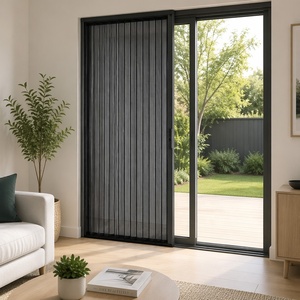
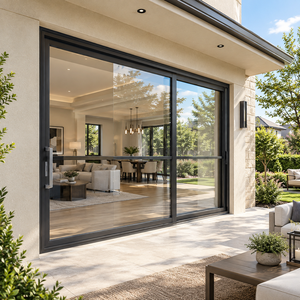
Contemporary architectural aesthetics favor invisible framing systems where the vertical interlock profile width is reduced to 20mm or even 16mm. These "panoramic lounge sliding walls" utilize bottom-concealed rollers constructed from heavy-duty stainless steel (SUS304/SUS316) bearings with carbon-fiber-reinforced polymer sleeves. This allows glass panel surface areas to exceed 12 square meters per panel while retaining effortless one-handed sliding operation.
2. Zero-Barrier Universal Accessibility Thresholds
Modern lounge openings require seamless transition between outdoor patios and interior living rooms. Future-focused Chinese manufacturers have engineered zero-threshold drop-down gasket seal mechanisms and hidden perimeter drainage channels. Under storm conditions, integrated sub-frame water sills drain up to 180 liters per minute per linear meter, preventing water ingress while removing trip hazards in accordance with ADA and international accessibility directives.
3. Smart Home & Automated Motorization Integration
Automated lounge sliding and bi-fold doors are becoming standard in modern smart homes. Leading factories integrate heavy-duty DC brushless motorization, belt drive/rack-and-pinion concealment, smart sensor anti-pinch security features, and connectivity with home automation protocols (KNX, Zigbee, Control4, Apple HomeKit).
Factory Selection Criteria & E-E-A-T Sourcing Guidelines
When selecting a qualified aluminum lounge door manufacturer in China, overseas buyers must conduct due diligence based on strict manufacturing capability criteria. The leading factories operating out of Foshan, Nanhai, and Shishan districts demonstrate verified expertise across five crucial operational domains:
100% In-House Machining
Equipped with 5-axis CNC machining centers (Elumatec/Emmegi) capable of high-precision profile milling up to 7.5 meters in length, guaranteeing sub-millimeter tolerances on corner miters and hardware lock slotting.
Full Shop Drawing Engineering
Dedicated engineering teams providing detailed AutoDesk CAD shop drawings, 3D structural connection nodes, and structural calculation reports prior to extrusion cutting and assembly.
Rigorous Pre-Assembly QC
Trial assembly of 100% of custom door units on factory test frames to verify squareness, latching engagement, perimeter EPDM gasket compression, and water drainage functionality before export crating.
Technical Specifications & Performance Comparison Matrix
Below is a comparative engineering reference table highlighting key performance characteristics across different aluminum lounge door operating mechanisms manufactured in China factory hubs:
| Door System Type | Max Panel Height | Structural Deflection (Pa) | Thermal U-Value Range | Acoustic Rating (STC) | Hardware & Locking Spec |
|---|---|---|---|---|---|
| Slim-Frame Lounge Slider | up to 4,500 mm | Class P3 (≥ 4,500 Pa) | 1.2 - 1.6 W/m²K | 38 - 42 dB | Concealed multi-point gear drive lock, SUS316 tandem rollers |
| Heavy-Duty Lift & Slide | up to 3,800 mm | Class P3 (≥ 5,000 Pa) | 0.9 - 1.4 W/m²K | 40 - 45 dB | German Siegenia / Hoppe Lift & Slide mechanism, EPDM seals |
| Thermal-Break Bi-Fold Portal | up to 3,500 mm | Class P2 (≥ 3,500 Pa) | 1.3 - 1.8 W/m²K | 35 - 40 dB | Top-hung heavy-duty stainless steel hinge guide system, flush bolt locks |
| Architectural Center Pivot | up to 5,000 mm | Class P3 (≥ 4,000 Pa) | 1.4 - 1.9 W/m²K | 36 - 40 dB | Heavy-duty hydraulic floor spring pivot shaft, multi-point lock box |
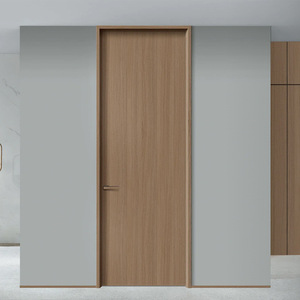
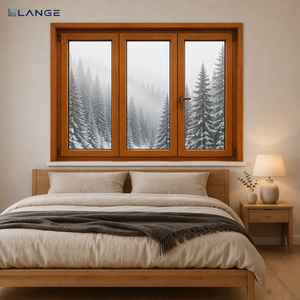
| Wood-Clad Aluminum Lounge Door | up to 3,200 mm | Class P2 (≥ 3,000 Pa) | 0.8 - 1.2 W/m²K | 42 - 48 dB | Solid Oak/Teak interior cladding, PA66 composite clip connection |
Frequently Asked Questions (FAQ) for B2B Procurement
What is the minimum order quantity (MOQ) for custom lounge door orders?
Because every door unit is custom-engineered to architectural shop drawings, top Foshan manufacturers accommodate flexible MOQs. Orders can range from single luxury villa projects (1 set or consolidated house package) up to container-load commercial multi-unit project supplies.
How do Chinese factories ensure compliance with North American and Australian standards?
Leading manufacturers design systems specifically tested against AS2047 / AS1288 (Australia/New Zealand), NFRC / AAMA / WDMA (USA), and CE / EN 14351-1 (Europe). Third-party laboratory certificates (Intertek, TUV, SAI Global) are provided during technical submittals.
What packaging protection is used to prevent ocean freight transit damage?
Doors are disassembled into structural frames or shipped pre-glazed based on size. Units receive protective film, corner corner-guards, multi-layer foam wrapping, and are fully enclosed in custom IPPC-certified fumigated plywood wooden crates with moisture-absorbent silica packs.
What is the typical production lead time after drawing sign-off?
Standard profile extrusion and powder coating lead time is 25 to 35 calendar days following client approval of CAD shop drawings and receipt of deposit. Specialized anodized finishes, fluorocarbon PVDF, or custom curved glass may extend production to 40 days.
Can we specify hardware brands like Siegenia, Roto, or CMECH?
Yes. Chinese aluminum lounge door factories maintain direct partnerships with top tier global hardware suppliers including Siegenia, Roto, Hoppe, Sobinco, as well as premium Asian hardware brands like CMECH and Kin Long.
How is glass quality verified for safety and optical clarity?
All glass units undergo strict automated inspection for inclusions, bubbles, and optical distortion. Glazing options feature tempered safety glass certified under SGCC (ANSI Z97.1), Australian Benchmark (AS/NZS 2208), or European CE standards.
Enterprise Advantage & Global Sourcing Commitment
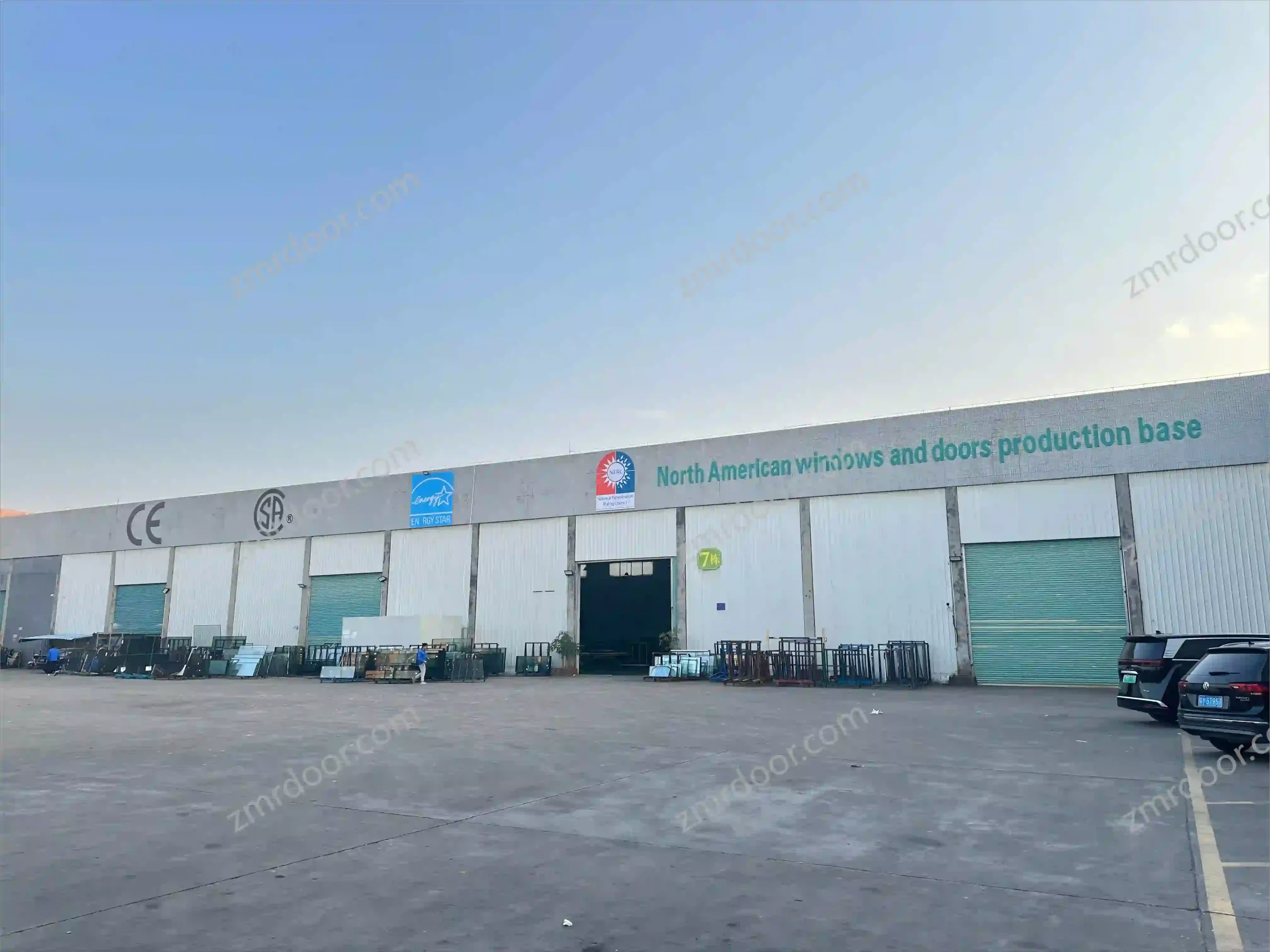
Located in the heart of Foshan's Shishan Town Industrial District, our facility represents the pinnacle of Chinese fenestration manufacturing excellence. Operating over 35,000 square meters of specialized workshop area, we integrate every phase of the manufacturing process: from structural CAD design submittals and precision CNC extrusion milling to automated insulating glass assembly and export crating.
By bypassing export intermediaries and trading entities, international importers, developers, and project dealers gain direct factory-gate pricing, complete material traceability, and dedicated English-speaking engineering support from initial quotation through site installation consultation.
Ready to Engineer Your Architectural Lounge Doors?
Submit your architectural drawings, door schedules, or project specification requirements today. Our senior structural fenestration engineers will provide shop drawings, thermal calculations, and factory-direct pricing within 24 hours.
Inquire Now