Precision-Engineered Architectural Ventilation Systems
Direct export configurations engineered for moisture resistance, micro-ventilation, and high wind-load integrity.
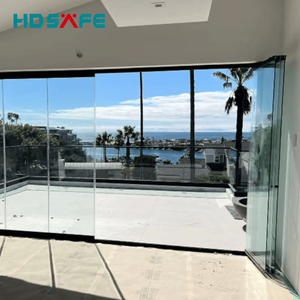
Factory Custom Slim Frame Aluminum Bifold Door Panoramic Folding Glass Door for Balcony, Patio & Sunroom
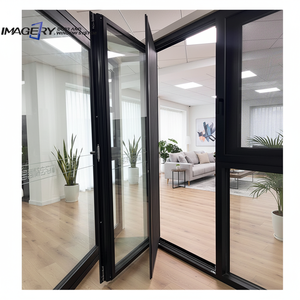
Wholesale Modern Aluminium Glass Double Swing Doors Design Tempered Glass Soundproof Door For Home Houses Business
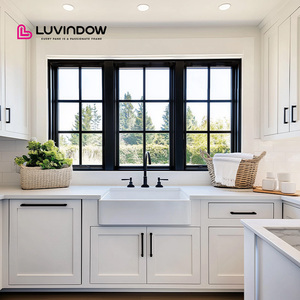
Effortless Ventilation Aluminum House Windows Low Maintenance Crank Open Casement Windows for House
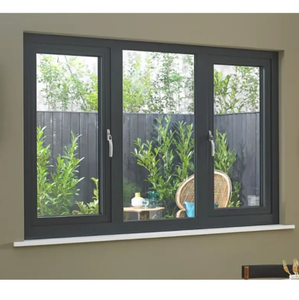
Custom Aluminum Doors and Windows Energy Efficient Low E Glass Casement Windows Double Glazed Tilt and Turn House Windows
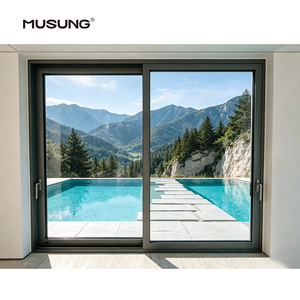
Thermal Break Aluminum Lift Sliding Patio Doors, Energy Efficient Custom Double Layer Tempered Glass Balcony Sliding Doors
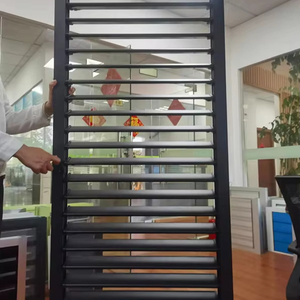
Manual Aluminum Louvered Blade Adjustable Louver Windows Outdoor Horizontal Jalousie Window Shutters Outdoor
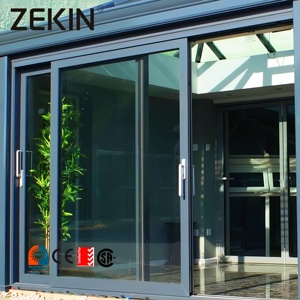
Customized Aluminum Double Glass Sliding Door Energy Efficient NFRC AS2047 Certification Aluminum Heavy Duty Lift Sliding Doors
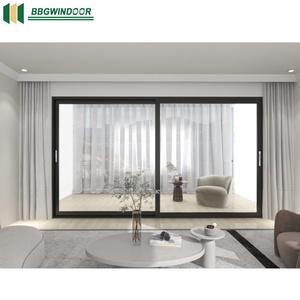
Lukliving Customized Thermal Break Aluminium Clad Wood Double Glazed Patio Sliding Door Lift Sliding Door
1. Executive Industry Overview: The Critical Engineering Demands of Bathroom Ventilation
In modern architectural engineering and high-density residential developments, the bathroom micro-environment represents one of the most chemically and physically demanding zones for fenestration. Unlike standard living spaces, bathroom fenestration operates under continuous cycles of extreme relative humidity (RH exceeding 90%), rapid thermal fluctuations, high vapor pressure, and direct exposure to airborne surfactant chemicals and soaps.
Specifying substandard window frames in these spaces leads to severe structural degradation: premature seal oxidation, surface pitting on aluminum extrusions, hardware corrosion, toxic black mold proliferation within concealed frame cavities, and catastrophic failure of thermal break seals. China has emerged as the global epicenter for advanced architectural aluminum fabrication, specifically within the Foshan industrial cluster (Nanhai District, Guangdong). Leading Chinese OEMs have pioneered thermal-break extrusions, automated surface finishing, and micro-ventilation hardware tailored to international building codes.
Information Gain Insight for Procurement Managers: Sourcing bathroom ventilation windows requires evaluating the Ventilation Rate Efficiency Index (VREI) alongside static water resistance (measured up to 600 Pa under ASTM E331). True architectural-grade bathroom windows must achieve air exchange micro-circulation without compromising acoustic isolation or thermal insulation when sealed.
Micro-Tilt Air Exchange
Engages top-hung awning or tilt-and-turn positions creating a continuous 5mm ventilation gap. Allows steady vapor escape while preventing rain ingress during storms.
Hydrophobic Glass Coatings
Factory-applied double-side nano-coatings cause condensation to bead and run off rapidly, eliminating water spots and preventing mineral scale accumulation.
Anti-Corrosion Anodization
Class 15 powder coating or 25-micron anodized layers resist high-salinity marine environments and acidic bath vapor, tested past 3,000 hours in salt spray chambers.
2. Key Typologies of Aluminium Bathroom Ventilation Windows
Selecting the optimal operating typology depends on wall thickness, spatial clearance, privacy requirements, and target ventilation volumes. Leading Foshan factories manufacture five dominant structural configurations:
A. Top-Hung Awning Ventilation Windows
Hinged at the top and opening outward from the bottom, top-hung awning units are the gold standard for residential master bathrooms. They create a protective umbrella effect, enabling passive natural ventilation even during torrential downpours. Integrated friction stays allow precise opening control from 5 to 45 degrees.
B. Multi-Blade Adjustable Jalousie & Louver Systems
Configured with heavy-duty aluminum or frosted tempered glass louvers, jalousie systems offer maximum clear opening area (up to 85% airflow efficiency). Modern Chinese factories integrate synchronized manual lever operators or hidden motorized linear actuators capable of interlocking with smart home humidity sensors.
C. European-Style Tilt & Turn Systems
Combining dual-action hardware, these windows turn inward like a casement for effortless glass cleaning, or tilt inward at the top for secure, draft-free ventilation. Multi-point locking pins around the entire sash perimeter provide superior burglar resistance and airtight sealing when closed.
3. Technical Comparison Matrix: Fenestration Typology Performance
To assist project architects, general contractors, and hardware buyers in engineering shortlists, the technical specifications below outline performance metrics across primary aluminum ventilation window designs:
| Window Typology | Airflow Efficiency (% Clear Area) | Water Tightness (ASTM E331) | Acoustic Isolation (Rw Rating) | Optimal Architectural Application |
|---|---|---|---|---|
| Top-Hung Awning Window | 35% - 50% | 450 Pa - 600 Pa (High) | 36 dB - 42 dB | Luxury Residential Bathrooms & Coastal Villas |
| Adjustable Louver / Jalousie | 75% - 88% (Maximum) | 150 Pa - 250 Pa (Moderate) | 22 dB - 28 dB | High-Humidity Tropical Resorts & Public Facilities |
| Tilt & Turn Micro-Vent | 40% - 60% | 600 Pa - 900 Pa (Extreme) | 40 dB - 45 dB | Cold Climate Luxury Condos & High-Rise Towers |
| Slim-Frame Horizontal Slider | 45% | 300 Pa - 400 Pa | 30 dB - 35 dB | Urban Apartment Complexes & Space-Constrained Rooms |
| Flap / Hopper Bottom-Hung | 30% - 40% | 350 Pa - 500 Pa | 34 dB - 38 dB | Commercial Restroom Facilities & Basements |
4. Advanced Material Metallurgy & Thermal Engineering
The structural longevity of an aluminum ventilation window hinges on raw extrusion metallurgy and thermal barrier integration:
- Primary Extrusion Alloy: High-grade Chinese manufacturers utilize primary ingot 6063-T5 or 6063-T6 architectural aluminum alloy. Wall thicknesses strictly adhere to GB/T 5237 standards, ranging from 1.4mm for residential casements to 2.0mm+ for heavy-duty commercial curtain wall vents.
- Polyamide Thermal Barriers (PA66-GF25): Standard aluminum conducts heat rapidly, leading to interior frame sweating (condensation drop-off) in cold seasons. Advanced thermal break profiles incorporate 24mm to 34mm Polyamide 66 reinforced with 25% glass fiber. This breaks the thermal bridge, eliminating moisture condensation on inner frame surfaces.
- Privacy Glazing Engineering: Privacy is paramount in bathroom design. Leading OEM factories offer specialized glazing configurations: Acid-Etched Low-Iron Frosted Glass, Fluted/Reeded (Moro) Architectural Glass, Smart Electrochromic Switchable Film Glass, and Triple-Glazed Units with integrated motorized blinds hermetically sealed inside dry argon gas cavities.
Why Global Buyers Partner with Foshan OEM/ODM Factories
Combining localized raw material ecosystems, precision CNC machining, and stringent international certification readiness.
Foshan Industrial Cluster Synergy
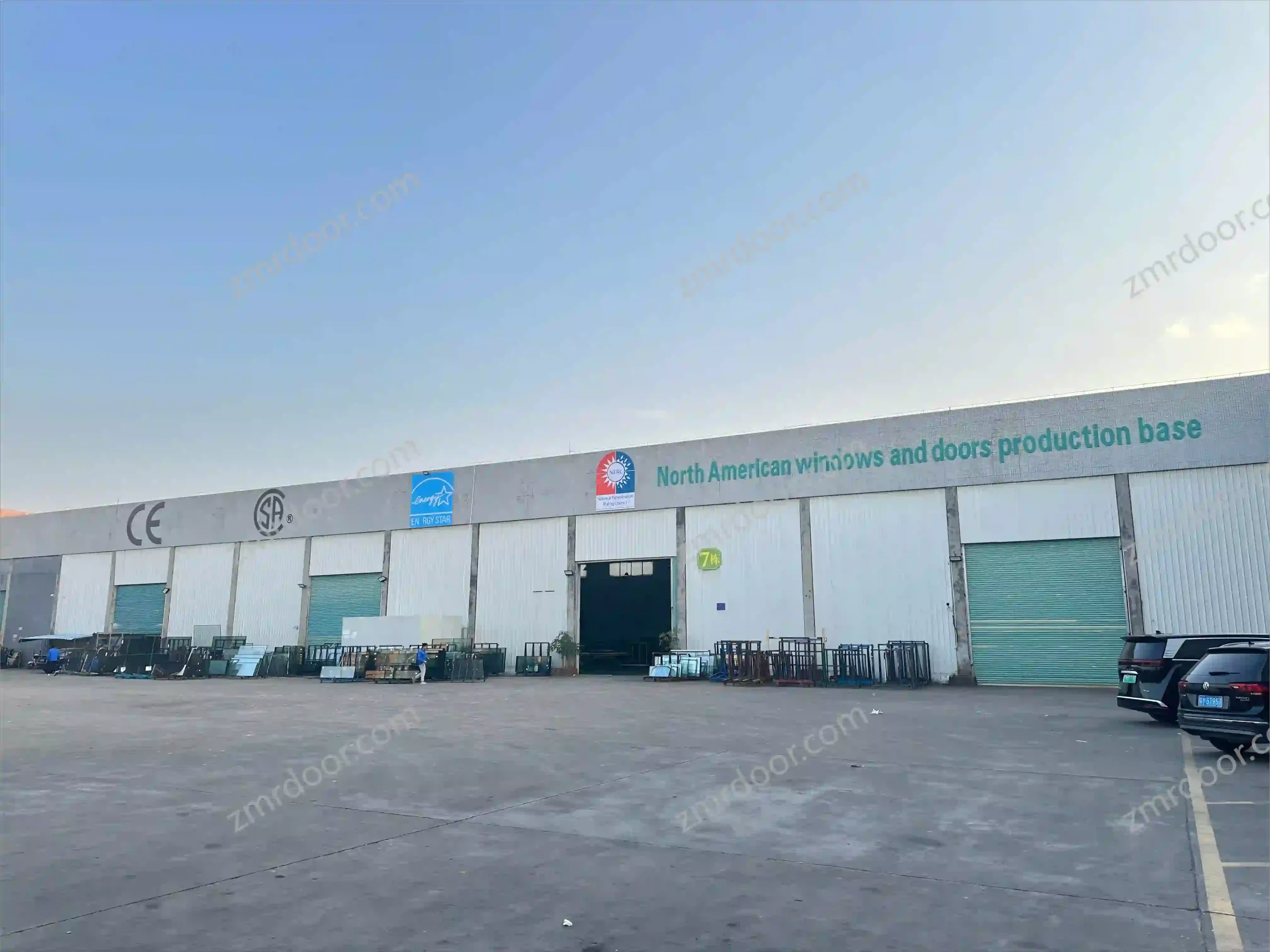
Located in Nanhai District, Foshan, our manufacturing facility leverages direct, zero-middleman access to top-tier alloy extrusion mills, PVDF coating lines, and global hardware brand hubs (Siegenia, Hoppe, Roto, Kinglong).
Full In-House Fabrication & Assembly
Every unit undergoes precision double-head mitre cutting, CNC hardware pocket milling, corner joint crimping with structural epoxy injection, and automated insulated glass unit (IGU) sealing under one roof.
100% Pre-Shipment Quality Assurance
Units are fully assembled on mock-up rigs to verify sash alignment, smooth hardware operation, gasket compression, and water tightness before export crating.
Global Compliance & Certification
Engineering support tailored to regional standards including North American NFRC/AAMA, Australian AS2047, European CE EN 14351-1, and ISO 9001 quality management systems.
Reinforced Export Packaging Protocols
Frames feature protective surface wrapping film, structural plastic corner covers, heavy-duty fumigated wooden crates, and individual opening tag numbers matching site elevation drawings.
B2B Engineering Support & Shop Drawings
Dedicated English-speaking technical teams convert architectural floor plans into detailed CAD shop drawings, wind load calculations, and thermal modeling prior to production confirmation.
5. Next-Gen Procurement Trends: Architectural & Technological Innovations (2025–2030)
The global architectural fenestration market is undergoing rapid evolution driven by energy codes, smart home integration, and sustainable manufacturing practices. Key trends reshaping wholesale procurement include:
A. Automated IoT Micro-Ventilation & Smart Sensing
Future-proof residential designs increasingly demand smart fenestration. Motorized bathroom louvers and tilt-and-turn windows are now engineered with hidden 24V DC actuators connected to internal RH (Relative Humidity) and VOC sensors. When shower steam raises room humidity above 65%, the window automatically tilts open to purge moist air, closing seamlessly once dry equilibrium is restored.
B. Micro-Perforated Insect Security Screens (Stainless Steel 316)
Traditional fly screens degrade quickly in moist, high-salinity bathroom environments. Next-generation factory configurations embed high-tensile 0.8mm Stainless Steel 316 mesh into hidden sash channels. This provides dual functionality: impenetrable intruder security alongside continuous insect-free ventilation.
C. Decarbonized Low-Carbon Aluminum & EPD Certification
European and North American commercial project developers now mandate Environmental Product Declarations (EPD). Leading Chinese factories are transitioning to hydro-powered primary aluminum smelters, reducing the carbon footprint per kilogram of extrusion from 16kg CO2e to under 4kg CO2e. Sourcing certified low-carbon aluminum ensures compliance with green building standards such as LEED v4 and BREEAM.
Frequently Asked Questions by International Buyers
Critical answers regarding custom sizing, minimum order requirements, corrosion prevention, and export logistics.
Accelerate Your Fenestration Procurement Pipeline
Submit your architectural drawings, window schedules, or target performance specifications. Our senior engineering team provides detailed factory-direct quotes and system recommendations within 24 hours.